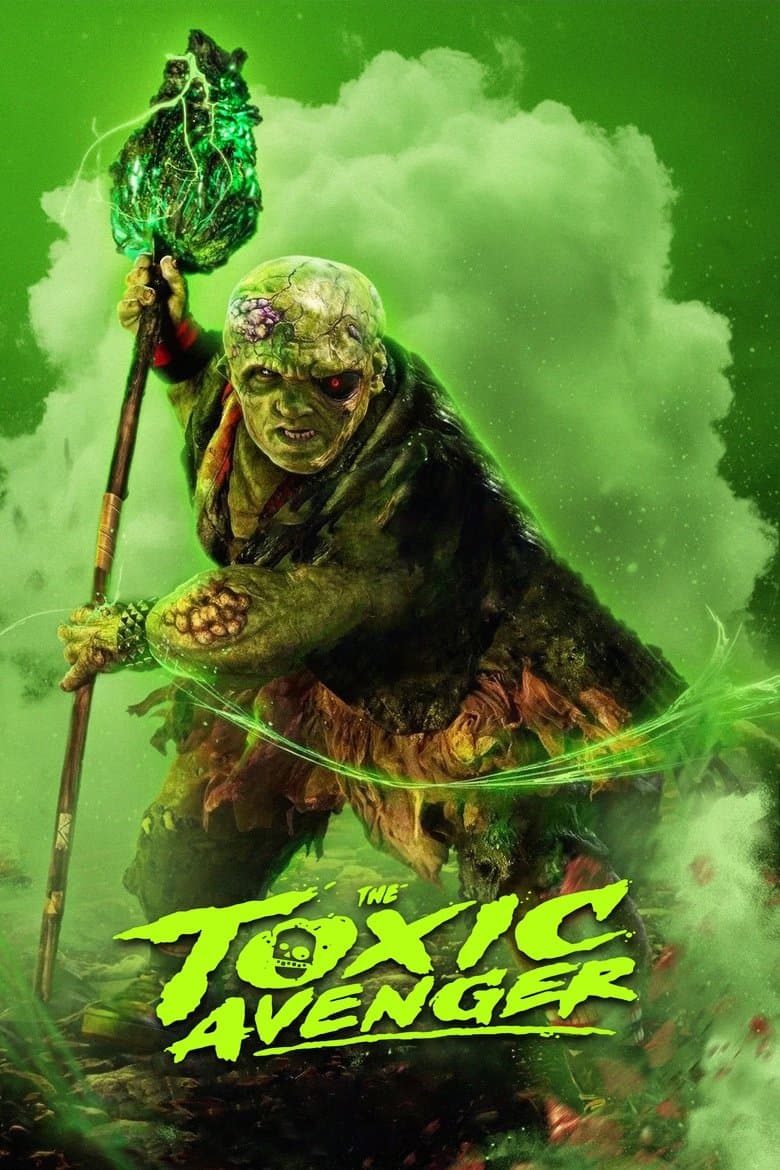
The Toxic Avenger Unrated follows Winston Gooze, a sick and poor janitor who cares for his teenage stepson, Wade, after Wade’s mother dies. Winston works for BTH, a drug company that poisons the town and refuses to help pay for his treatment. A failed robbery leaves Winston shot and dumped into toxic waste. The waste changes him into Toxie, a green hero who carries a mop and seeks revenge. The film combines family pain, gross jokes, comic book action, extreme blood, and a fight against a powerful company.
The film shows its social ideas through BTH’s greed, harmful health insurance, pollution, and damage to the town. A whistleblower named J.J. Doherty helps Winston expose BTH and becomes his main ally. Short comic scenes mock right-wing news, men’s rights groups, gender politics, and a newscaster’s argument about Toxie’s pronouns. One scene turns the change from Mr. Meat to Mrs. Meat into a fight about gender. These ideas appear around the action, but Winston’s family bond and his battle with BTH remain the main story.
Community feedback
Was our 40% Woke rating accurate?
Breakdown
These are the editorial factors and ratings behind our score for The Toxic Avenger Unrated.
Woke representation / casting
Not present. The film includes Taylour Paige as a prominent whistleblower. The film does not present her race or sex as a special cause. The named cast does not form a repeated pattern that puts identity first.
0%
Woke political dialogue
A local newscast argues about Toxie’s pronouns. The Nasty Lads attack a restaurant because its mascot changes from Mr. Meat to Mrs. Meat. The Nasty Lads also complain that America is becoming too feminine. Short comic scenes mock men’s rights activists and right-wing media. These lines appear around the action, but they do not control the whole plot.
28%
Identity-driven story themes
The movie turns the change from Mr. Meat to Mrs. Meat into a fight about gender. The movie mocks a violent men’s rights group. The movie also uses a short television joke about Toxie’s pronouns. These scenes are clear, but they are limited. The family story and the fight with the company remain central.
26%
Western institutional / cultural critique
BTH poisons the town and sells harmful products. BTH also hides behind bad health insurance. The story links profit, medicine, pollution, housing, and public power as sources of harm. The movie mocks right-wing news, police, religious institutions, and men’s rights militants. This criticism returns during the main fight, but broad comedy presents it instead of a detailed political plan.
46%
Woke character or canon changes
Not relevant. The reboot changes Melvin into Winston. The reboot adds a stepson and a whistleblower to create a new family and revenge story. No established character changes into a different race, sex, or sexuality for a stated social message.
0%
Anti-woke backlash and complaints
A few small X accounts called the Dinklage remake woke, woke garbage, or woke af. Some accounts called Dinklage a DEI hire. Some accounts said the film was more DEI than subversive. Other small accounts defended the film as not woke. Other accounts said claims about review bombing were overstated. No large right-leaning campaign or sustained review-bomb effort was verified.
14%
Creator track record context
Lloyd Kaufman brings anti-corporate and anti-war views. He has also criticized political correctness and safe spaces. Macon Blair is known for dark comedies and thrillers without a documented activist or identity-driven pattern. The creators add mild left-leaning and countercultural context. They do not show a strong DEI track record.
15%
Production
Movie · 2024
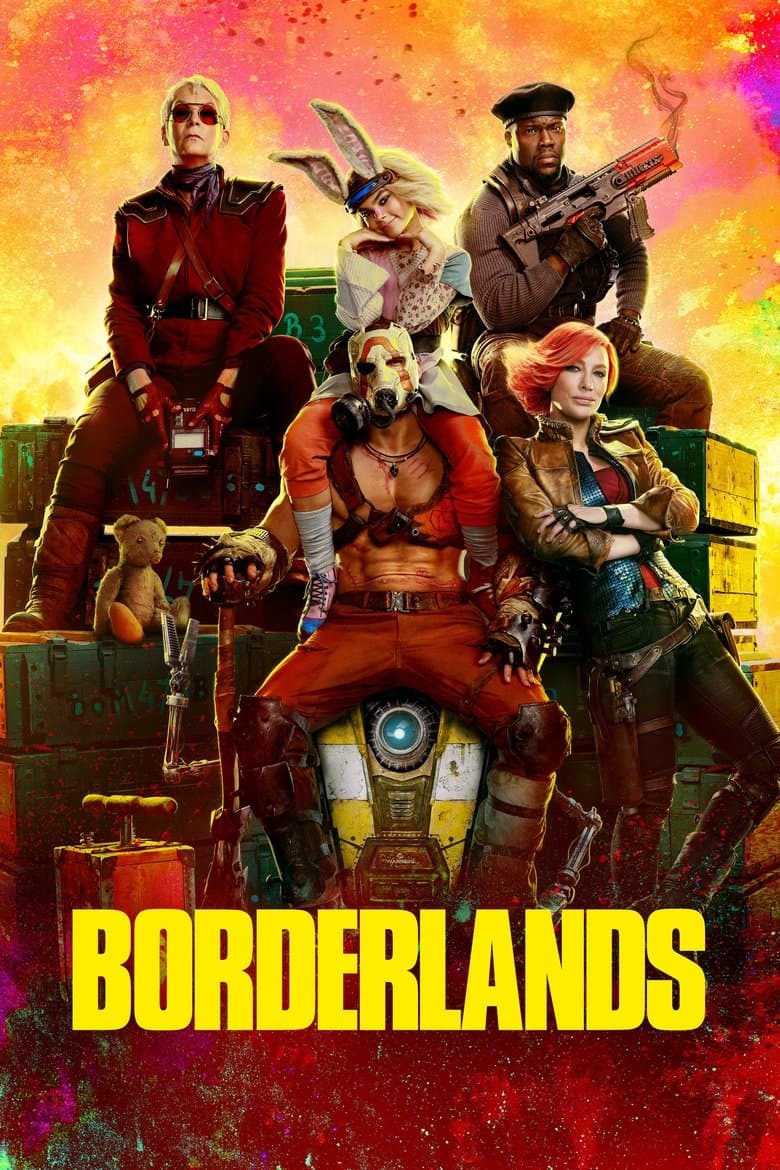
Returning to her home planet, an infamous bounty hunter forms an unexpected alliance with a team of unlikely heroes.
Movie · 2024
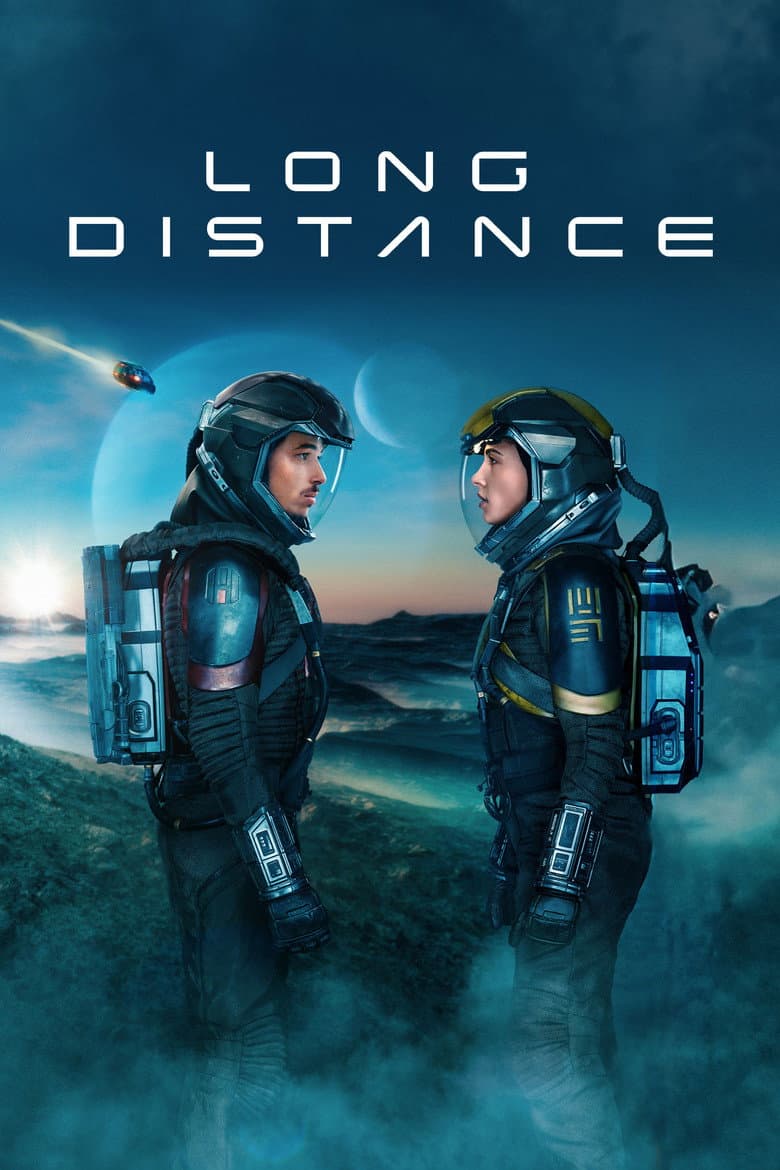
After crash-landing on an alien planet, an asteroid miner must contend with the challenges of his new surroundings, while making his way across the harsh terrain to the only other…
Movie · 2026
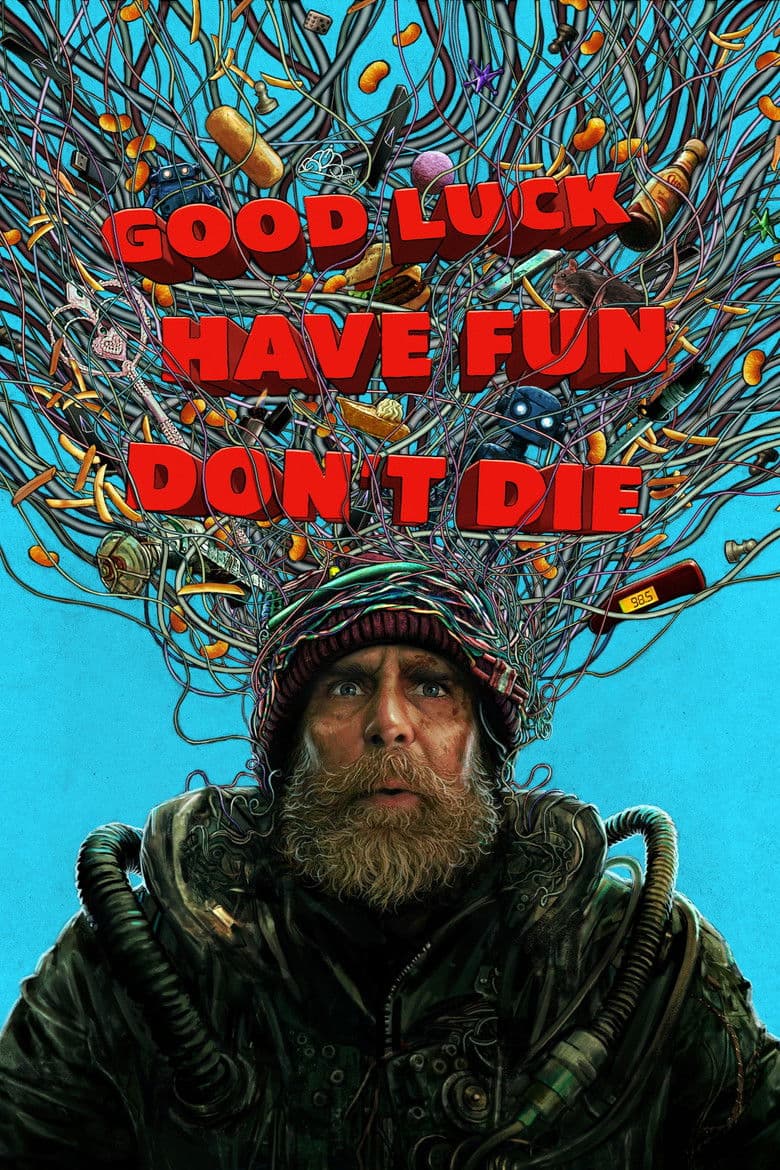
A 'Man from the Future' arrives at an LA diner where he must recruit the precise combination of disgruntled patrons to join him on a one-night quest to save the world from the…
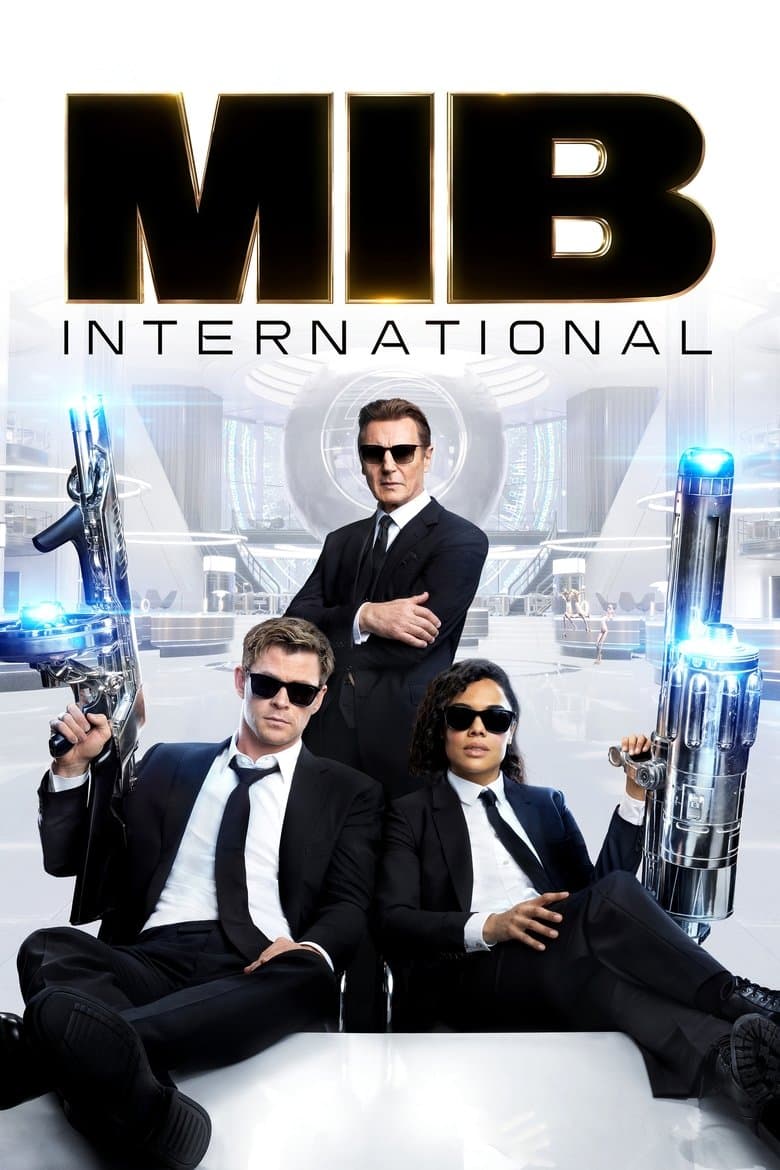
Movie · 2019
The Men in Black have always protected the Earth from the scum of the universe. In this new adventure, they tackle their biggest, most global threat to date: a mole in the Men in…
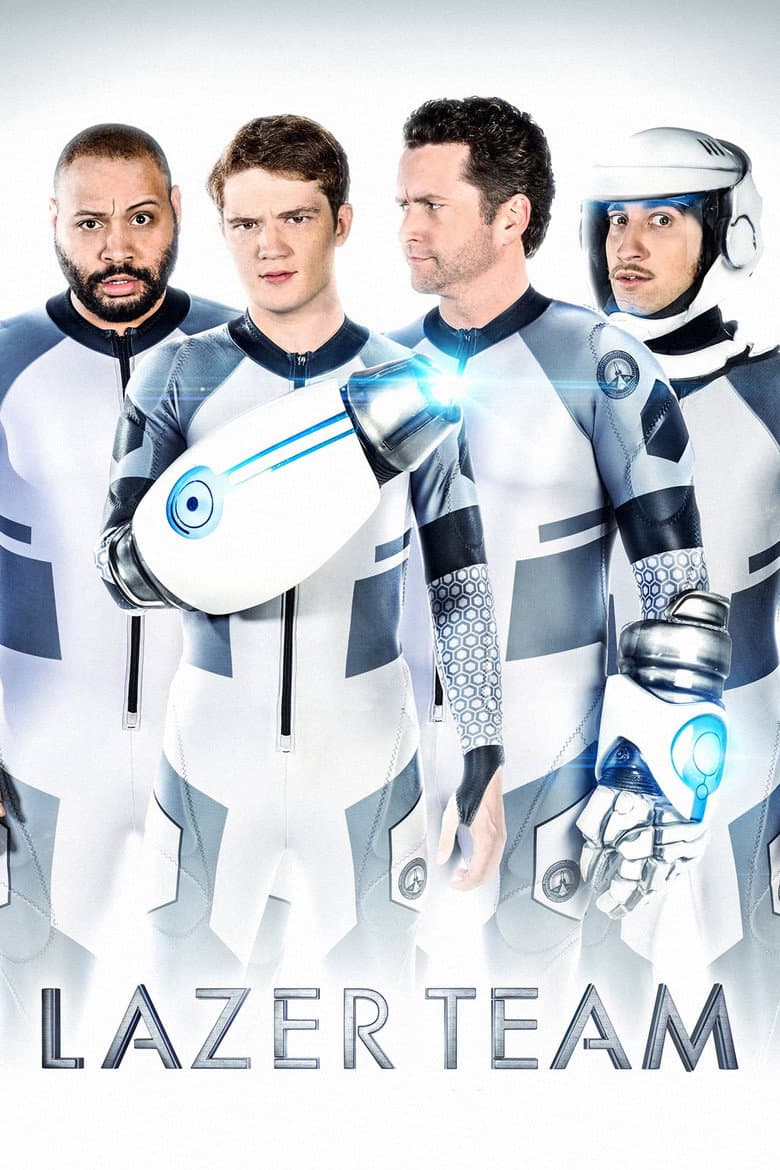
Movie · 2016
Four losers are thrust into the position of saving the world when they stumble upon a UFO crash site and become genetically equipped to the battle suit on board.
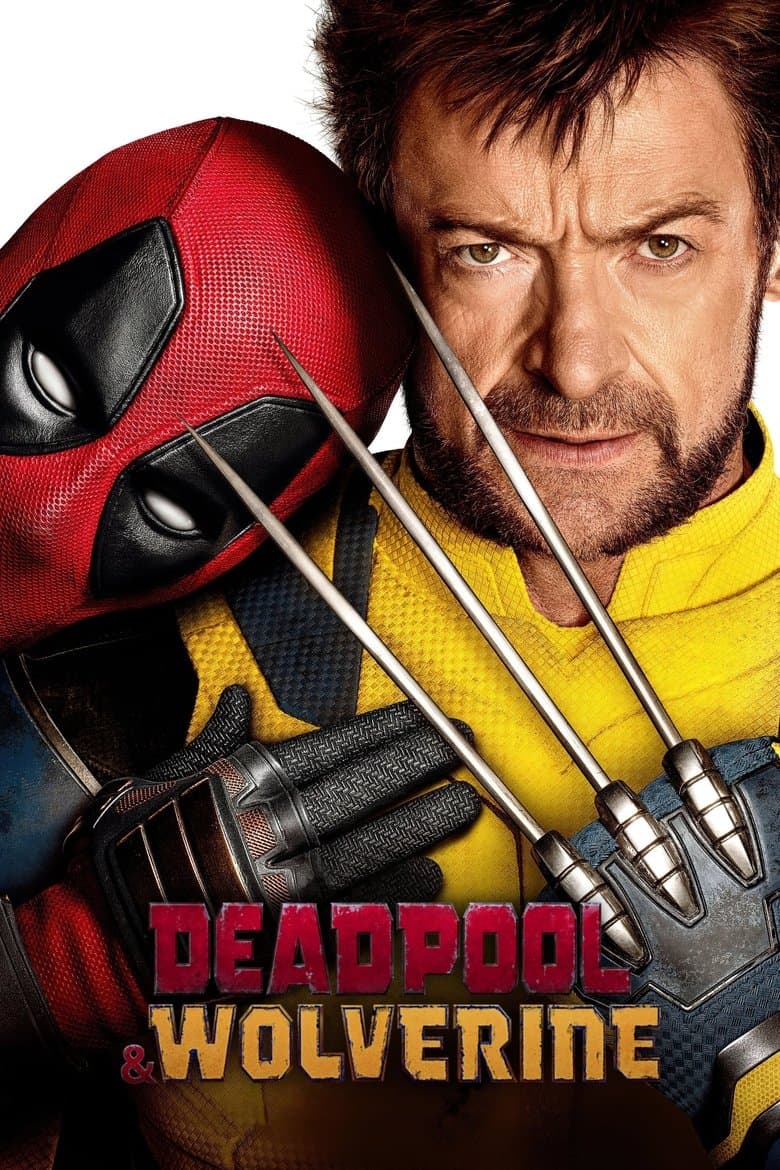
Movie · 2024
A listless Wade Wilson toils away in civilian life with his days as the morally flexible mercenary, Deadpool, behind him.
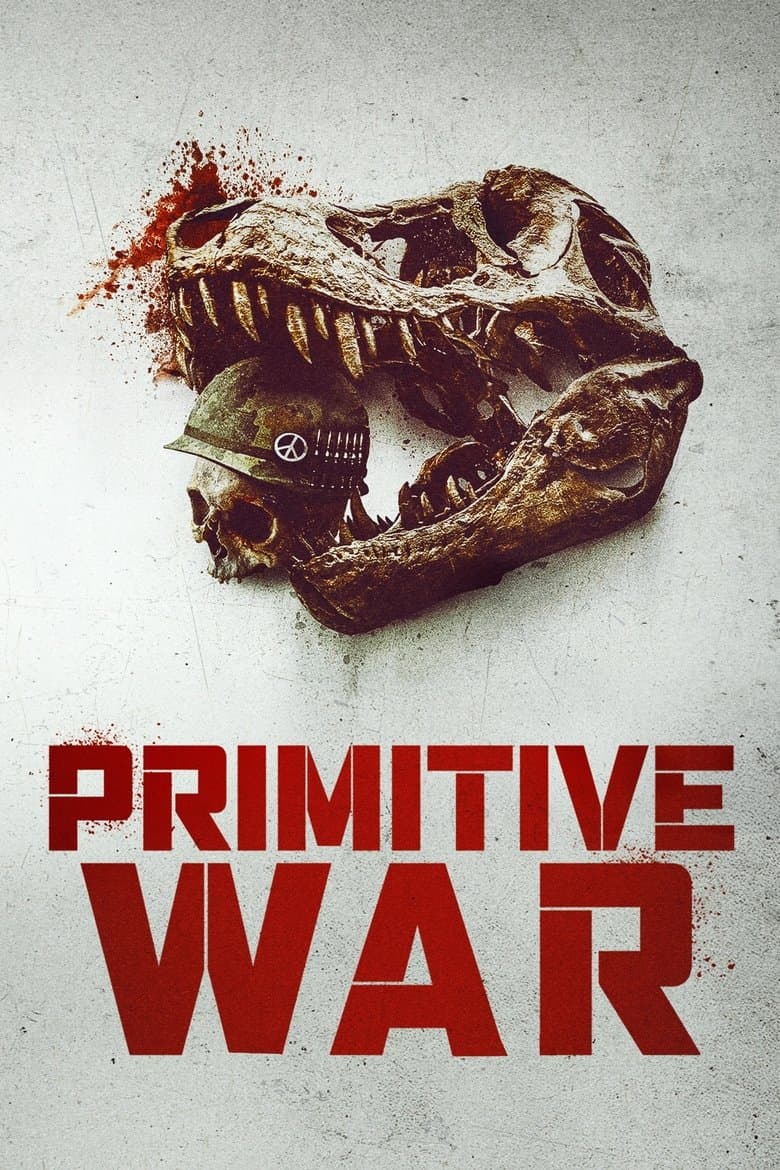
Movie · 2025
During the Vietnam War, a recon unit ventures to an isolated jungle valley to uncover the fate of a missing platoon.
Movie · 2016
When a massive, gilled monster emerges from the deep and tears through the city, the government scrambles to save its citizens.
