
Rando Yaguchi is a young Japanese government official who tries to organize a response when a strange creature rises from Tokyo Bay. The animal grows into a giant, radioactive Godzilla that tears through Tokyo and leaves the country facing mass death, evacuation, and a possible nuclear strike. Yaguchi works with scientists, defense workers, volunteers, and foreign officials to find a way to stop the creature before the United States destroys the city. The film mixes horror and harsh destruction with dark jokes about meetings, rules, delays, and leaders who cannot act fast enough.
Shin Godzilla gives several women important jobs in the crisis. Hiromi Ogashira helps connect the monster to radiation, Reiko Hanamori serves as a serious defense minister, and Kayoco Patterson uses her position as a Japanese-American envoy to delay the nuclear attack. These roles create a mild signal about female competence and representation because women help solve problems while many older officials stall. The larger message still centers on disaster planning, nuclear danger, national independence, and teamwork across government, science, and ordinary workers.
Community feedback
Was our 10% Woke rating accurate?
Breakdown
These are the editorial factors and ratings behind our score for Shin Godzilla.
Woke representation / casting
Not present. The cast is mainly Japanese, which fits a modern Japanese setting. The Japanese-American envoy and female officials have roles tied to the story, and the movie does not present their casting as a wider diversity campaign.
0%
Woke political dialogue
Not present. The characters talk often about government rules, Japan’s military limits, nuclear weapons, and U.S. pressure. Those talks concern the monster crisis and national policy, not modern identity, gender, DEI, or activist ideas.
0%
Identity-driven story themes
The film gives several women important jobs in the crisis. Hiromi Ogashira helps identify the radiation problem, Reiko Hanamori serves as defense minister, and Kayoco Patterson helps delay the nuclear strike. The film also shows many male officials and scientists doing important work, so the gender message stays mild and secondary to disaster planning.
18%
Western institutional / cultural critique
Not present. The film criticizes Japanese government delay and shows the United States and the United Nations pushing a nuclear solution. It does not attack Western family life, Christianity, men, conservatives, or other Western cultural institutions through modern activist messaging.
0%
Woke character or canon changes
Not relevant. The film is a fresh Godzilla reboot rather than a story about a named human character whose identity is changed. It changes Godzilla’s design and origin, but it does not swap the race, gender, or sexuality of an established character or real person.
0%
Anti-woke backlash and complaints
Not present. The supplied X pass found no anti-woke reaction. Web debate focused on bureaucracy, Fukushima, Japanese self-reliance, and claims of nationalism or right-wing propaganda. No clear anti-woke complaint said that the film pushes DEI, identity politics, or modern activist ideas.
0%
Creator track record context
Hideaki Anno’s public work centers on psychology, disaster, war memory, and institutions rather than identity activism. Shinji Higuchi has mild anti-war and humanitarian context, but no sustained record of DEI or queer advocacy. The listed producers and casting staff have low or near-zero scores and no strong identity campaign record.
4%
Production

Movie · 2023
In postwar Japan, Godzilla brings new devastation to an already scorched landscape. With no military intervention or government help in sight, the survivors must join together in…
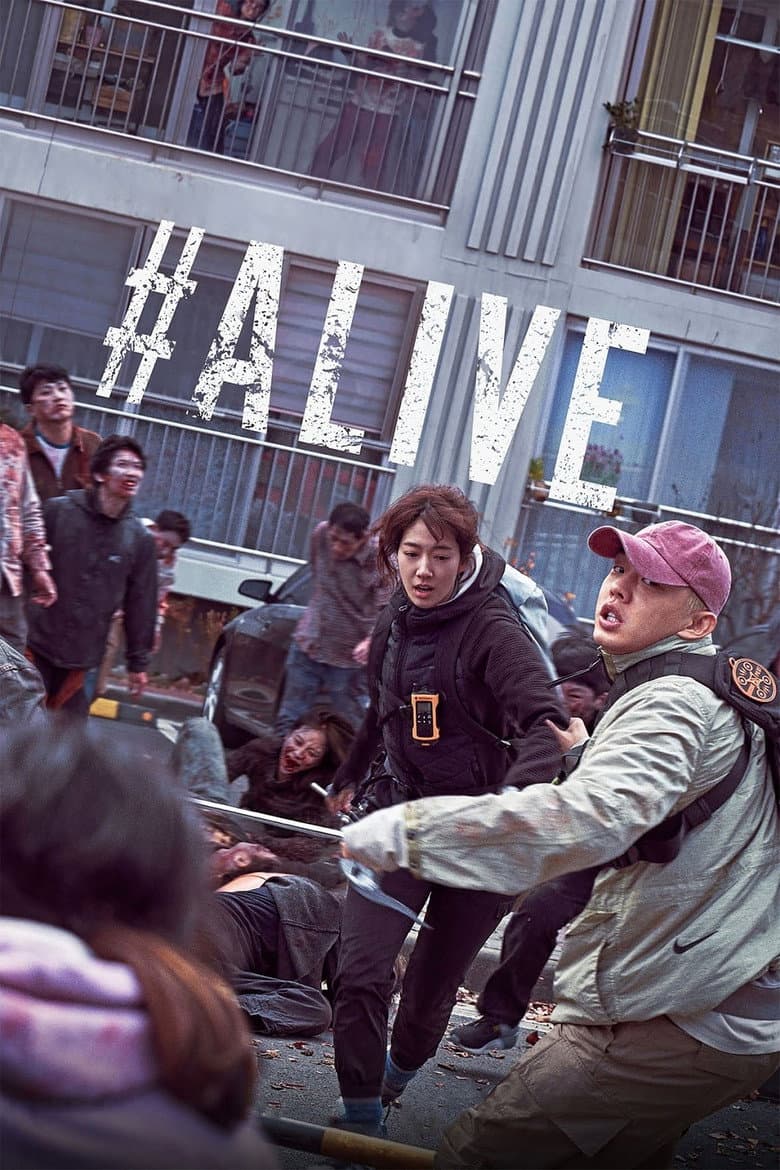
Movie · 2020
As a grisly virus rampages a city, a lone man stays locked inside his apartment, digitally cut off from seeking help and desperate to find a way out.
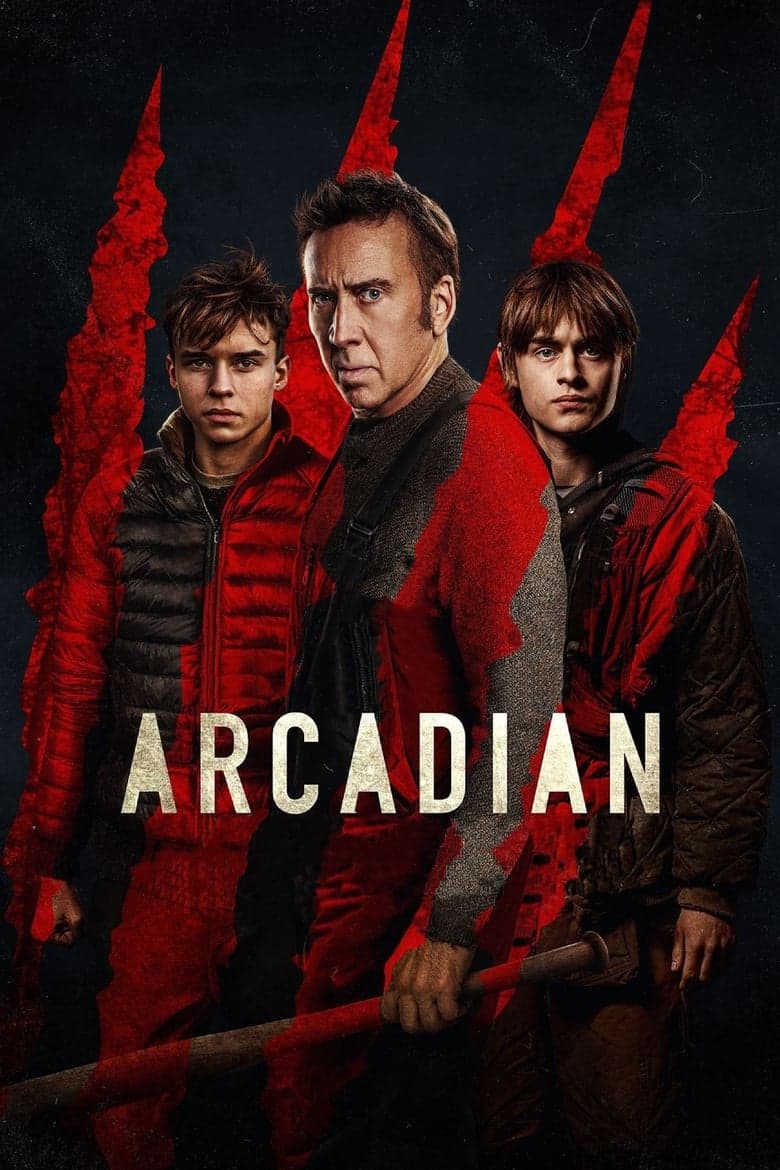
Movie · 2024
In the near future, on a decimated Earth, Paul and his twin sons face terror at night when ferocious creatures awaken.

Movie · 2016
Set in a near future, technology-reliant society that pits man against killing machines. Against this backdrop an elite army unit is helicoptered to a remote, off-the-grid island…
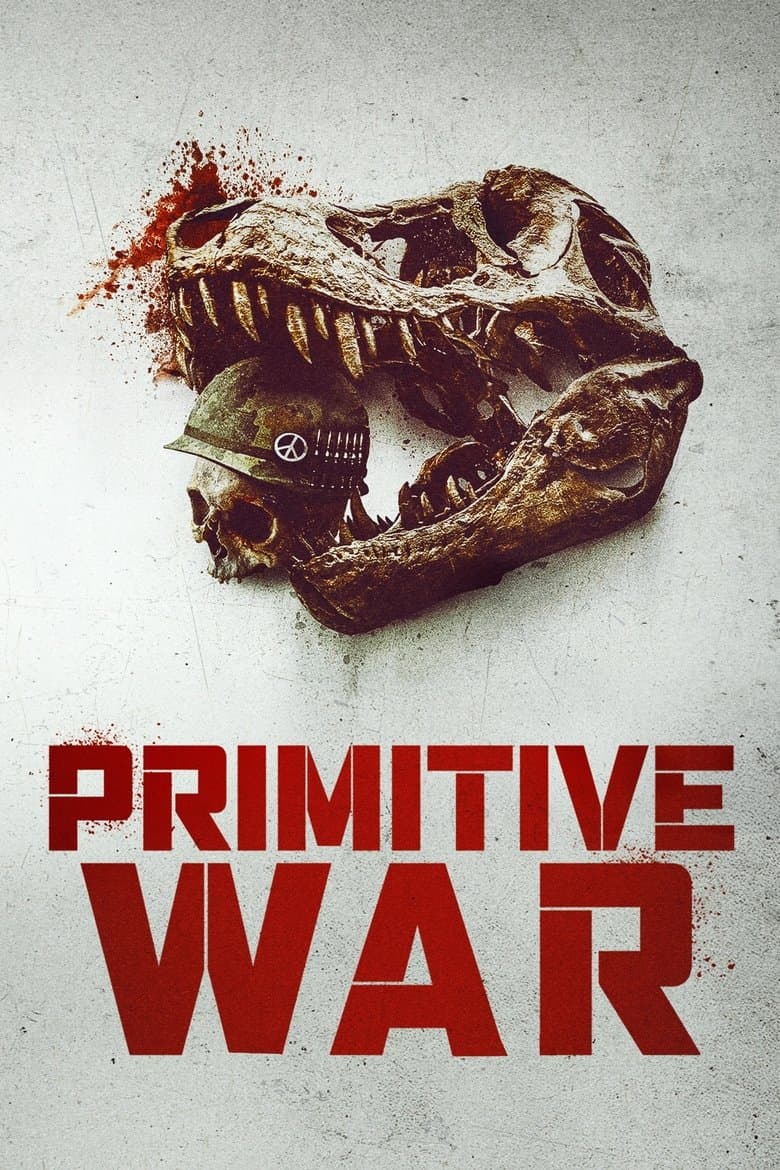
Movie · 2025
During the Vietnam War, a recon unit ventures to an isolated jungle valley to uncover the fate of a missing platoon.
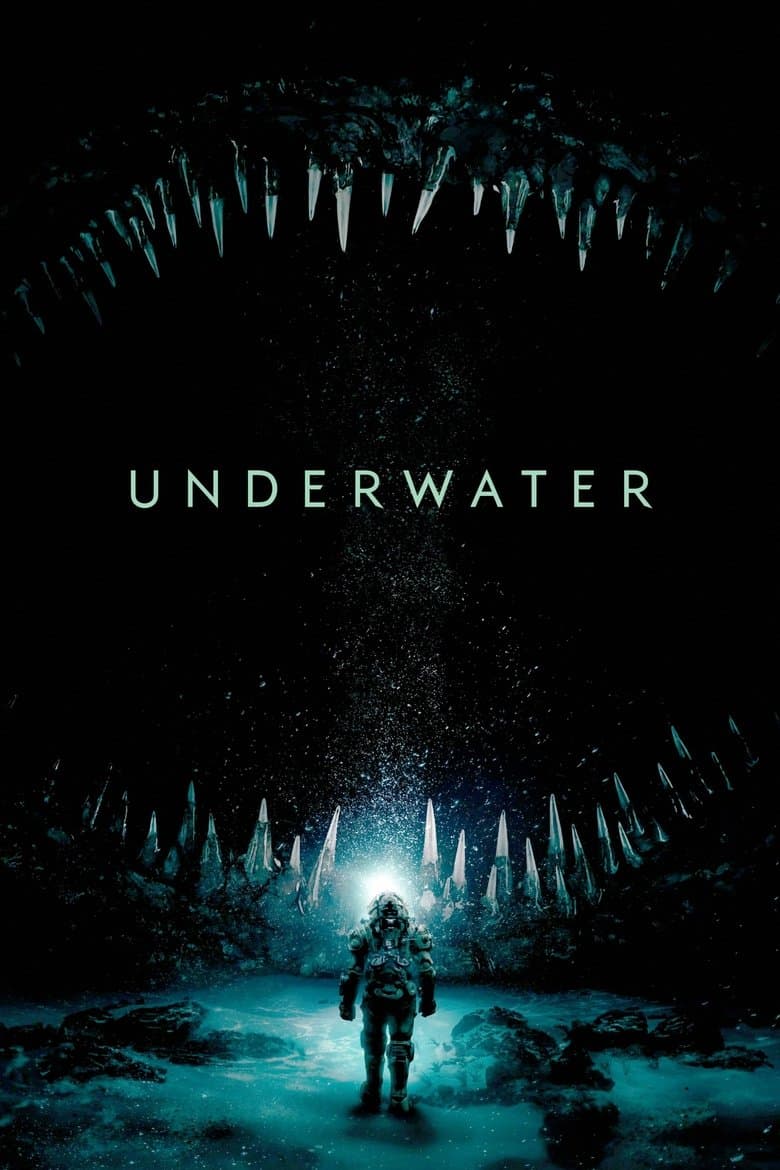
Movie · 2020
After an earthquake destroys their underwater station, six researchers must navigate two miles along the dangerous, unknown depths of the ocean floor to make it to safety in a…

Movie · 2017
Set during the Vietnam war, Firebase follows American soldier Hines through an ever-deepening web of science fiction madness.

Movie · 2023
An exploratory dive into the deepest depths of the ocean of a daring research team spirals into chaos when a malevolent mining operation threatens their mission and forces them…
