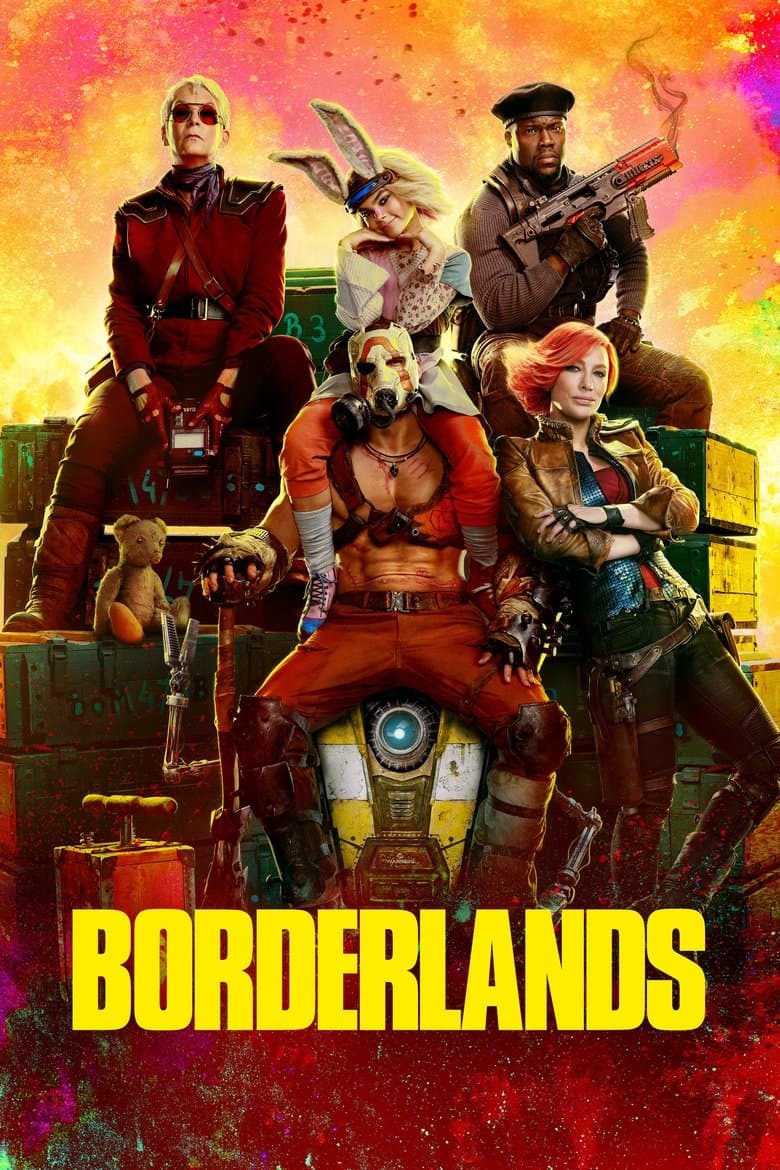
Borderlands follows Lilith, a tough bounty hunter who returns to Pandora after a powerful company leader hires her to find his missing daughter, Tiny Tina. Lilith joins Roland, Tina, Krieg, Tannis, and the robot Claptrap. The group fights bandits, monsters, and the Atlas corporation while searching for a vault that could change the planet. The movie uses loud jokes, colorful weapons, and fast action, but its tone stays light and cartoon-like.
The film keeps the game's female lead and female team members in major roles, while the group mixes a bounty hunter, a soldier, a young bomber, a scientist, and a robot. Lilith's powers come from her hidden Siren bloodline, and Tina's role comes from a fantasy prophecy about an ancient alien race. The team learns to work together and chooses people over Atlas's promise of money and power. Atlas serves as a greedy villain in a fight over a vault. The film's main themes are family, loyalty, survival, and choosing people over money.
Community feedback
Was our 6% Woke rating accurate?
Breakdown
These are the editorial factors and ratings behind our score for Borderlands.
Woke representation / casting
Not present. The movie keeps Lilith, Tiny Tina, and Tannis as the female characters they are in the games, and it does not use a clear identity swap in the main team. Blanchett's comments about women players describe the existing franchise and do not frame the film as a diversity campaign.
0%
Woke political dialogue
Not present. The characters discuss survival, money, family, and the vault. They do not give speeches about race, gender, sexuality, DEI, or modern political causes.
0%
Identity-driven story themes
Not present. The story uses Lilith's powers, Tina's special origin, and the team's bond to move the adventure forward. Those ideas are fantasy plot devices, not a modern identity message.
0%
Western institutional / cultural critique
Not present. Atlas is a wealthy corporate villain, but the movie uses him as a simple action villain. The story does not attack Western culture, men, religion, family, or social systems.
0%
Woke character or canon changes
Not relevant. The film changes the game plot, ages, and team lineup for a loose movie adaptation. No change is clearly tied to identity or DEI messaging.
0%
Anti-woke backlash and complaints
A few small X accounts blamed the flop on wokeness, feminism, or DEI. Some put the film on generic go-woke-go-broke lists. Those posts rarely named a scene, race change, or queer plot. Other users said the script, casting, and game adaptation were the real problems. No organized boycott or large-account push was found.
12%
Creator track record context
Eli Roth has no pattern of activist or identity-driven films in the supplied background. Joe Crombie and most producers have little public record or low scores in that background. Victoria Thomas has supported inclusive casting and diverse stories. Randy Pitchford has supported LGBTQ-inclusive workplaces, and Lucy Kitada produced one lesbian coming-out film. These are isolated facts, so the creative team does not show a strong shared activist pattern.
17%
Production
Movie · 2025
Set against the backdrop of a postapocalyptic Earth whose Eastern Hemisphere was destroyed by a massive solar flare, leaving what life remains mutated from radiation and fallout.
Movie · 2026
A 'Man from the Future' arrives at an LA diner where he must recruit the precise combination of disgruntled patrons to join him on a one-night quest to save the world from the…
Movie · 2016
Four losers are thrust into the position of saving the world when they stumble upon a UFO crash site and become genetically equipped to the battle suit on board.
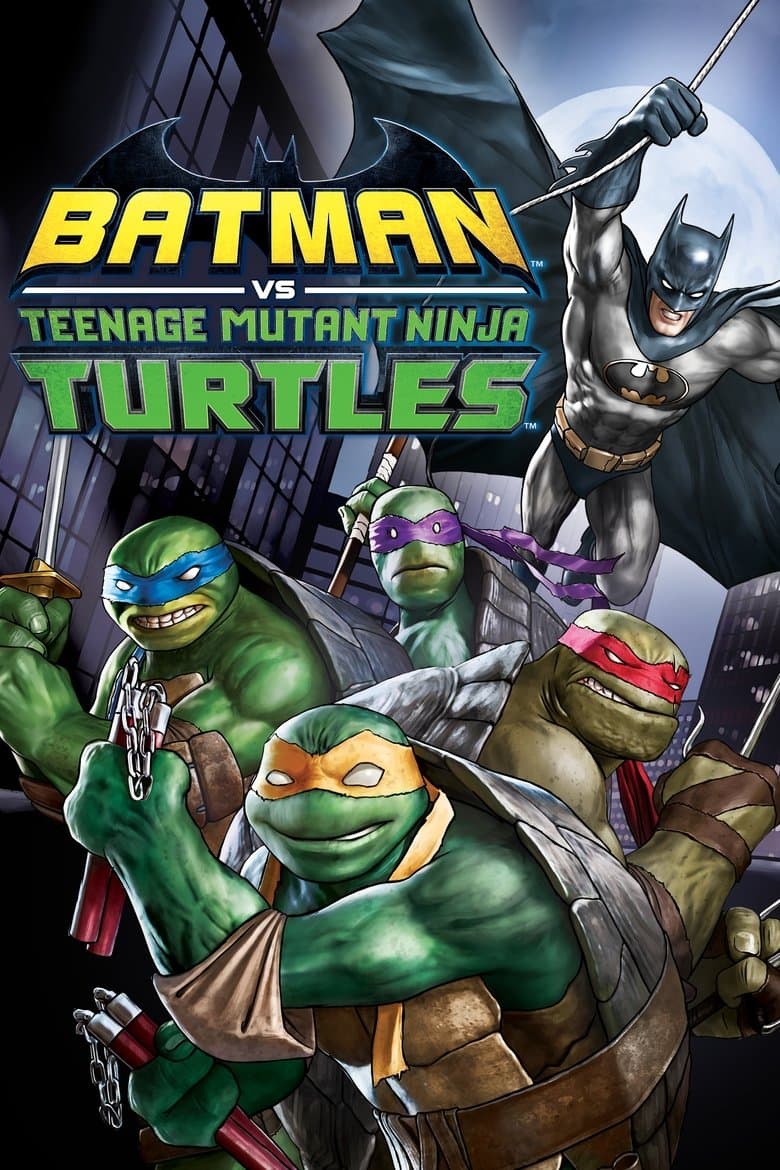
Movie · 2019
Batman, Batgirl, and Robin forge an alliance with the Teenage Mutant Ninja Turtles to fight against the Turtles' sworn enemy, The Shredder, who has apparently teamed up with Ra's…
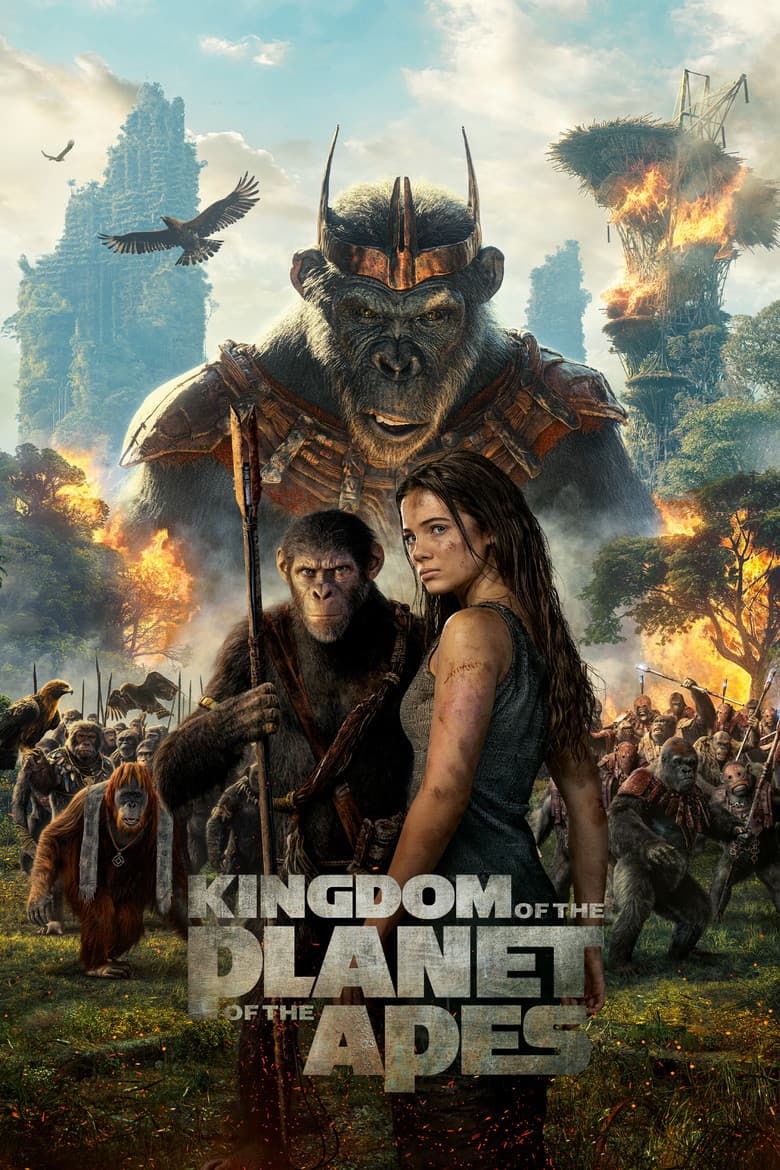
Movie · 2024
Several generations following Caesar's reign, apes – now the dominant species – live harmoniously while humans have been reduced to living in the shadows.
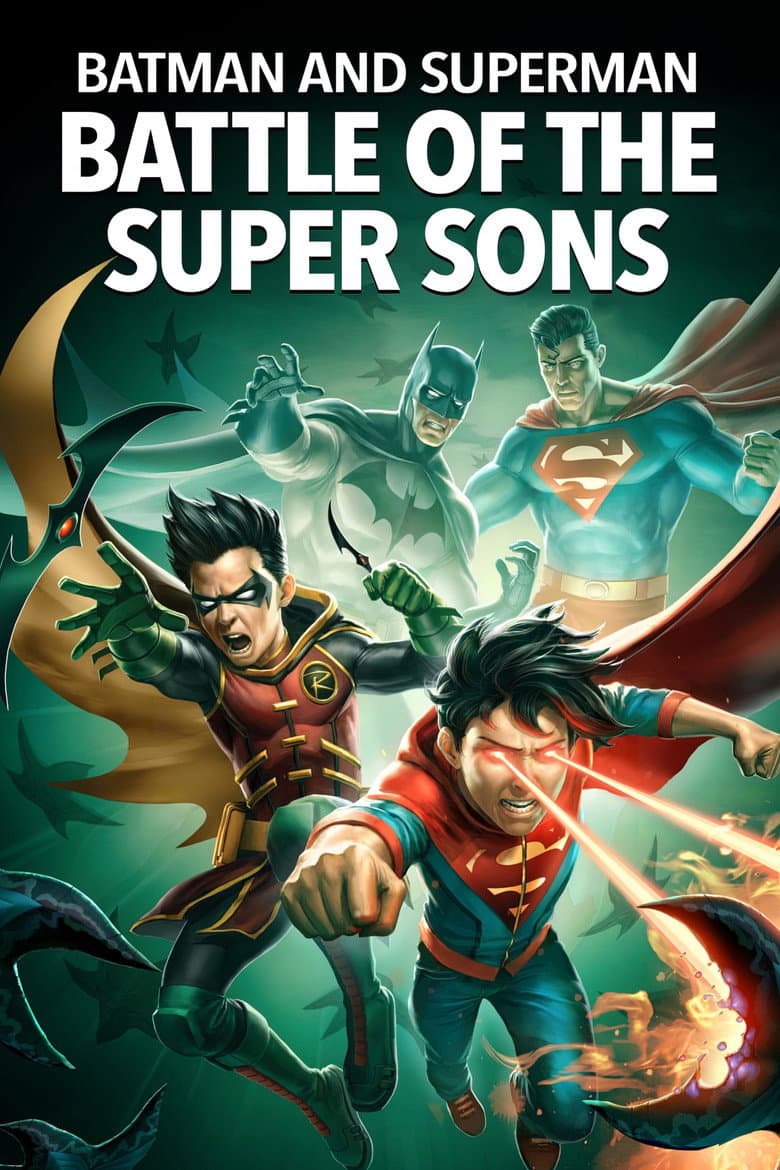
Movie · 2022
After discovering he has powers, 11-year-old Jonathan Kent and assassin-turned-Boy-Wonder Damian Wayne must join forces to rescue their fathers (Superman & Batman) and save the…
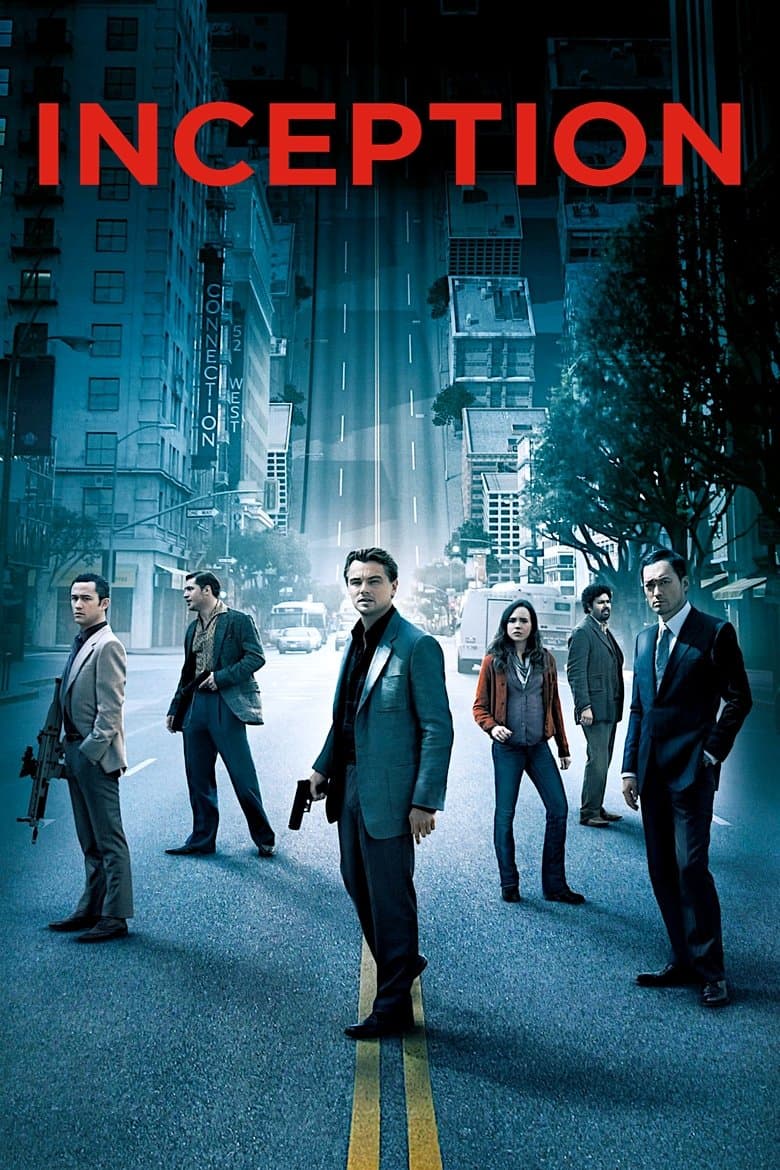
Movie · 2010
Cobb, a skilled thief who commits corporate espionage by infiltrating the subconscious of his targets is offered a chance to regain his old life as payment for a task considered…
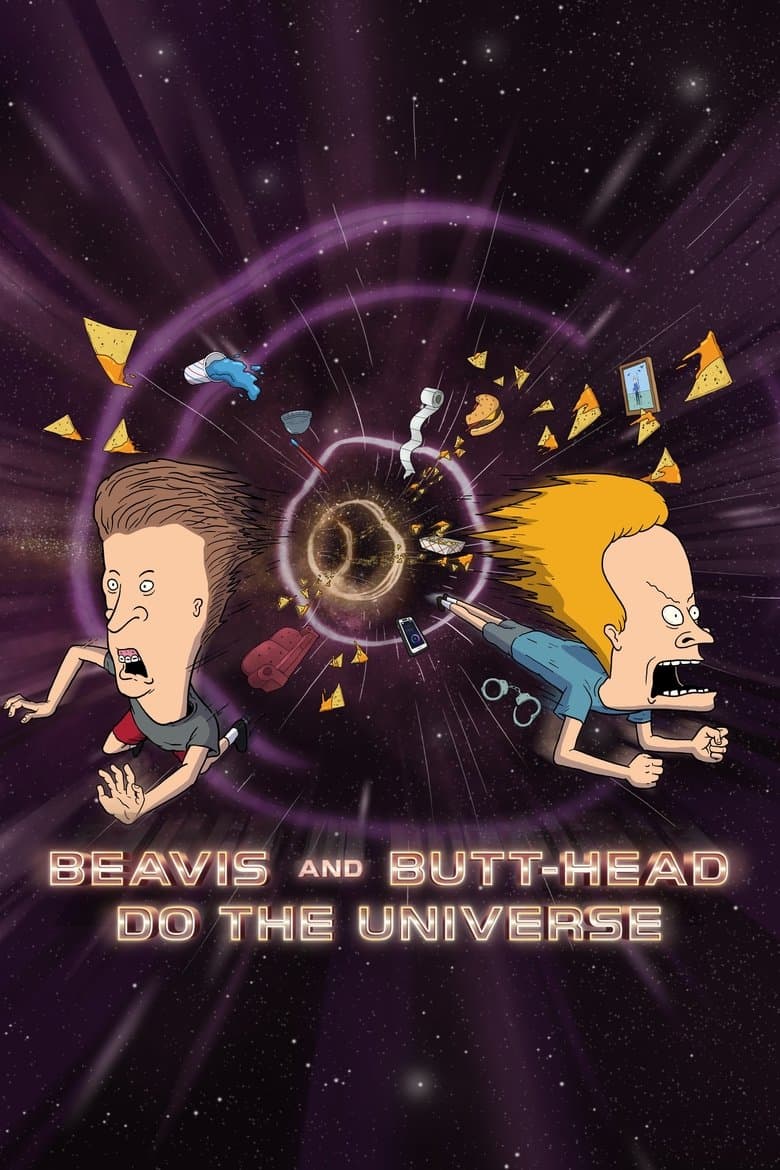
Movie · 2022
In 1998, Beavis and Butt-Head are sentenced to Space Camp by a “creative” judge. Their obsession with a docking simulator (huh huh) leads to a trip on the Space Shuttle, with…
