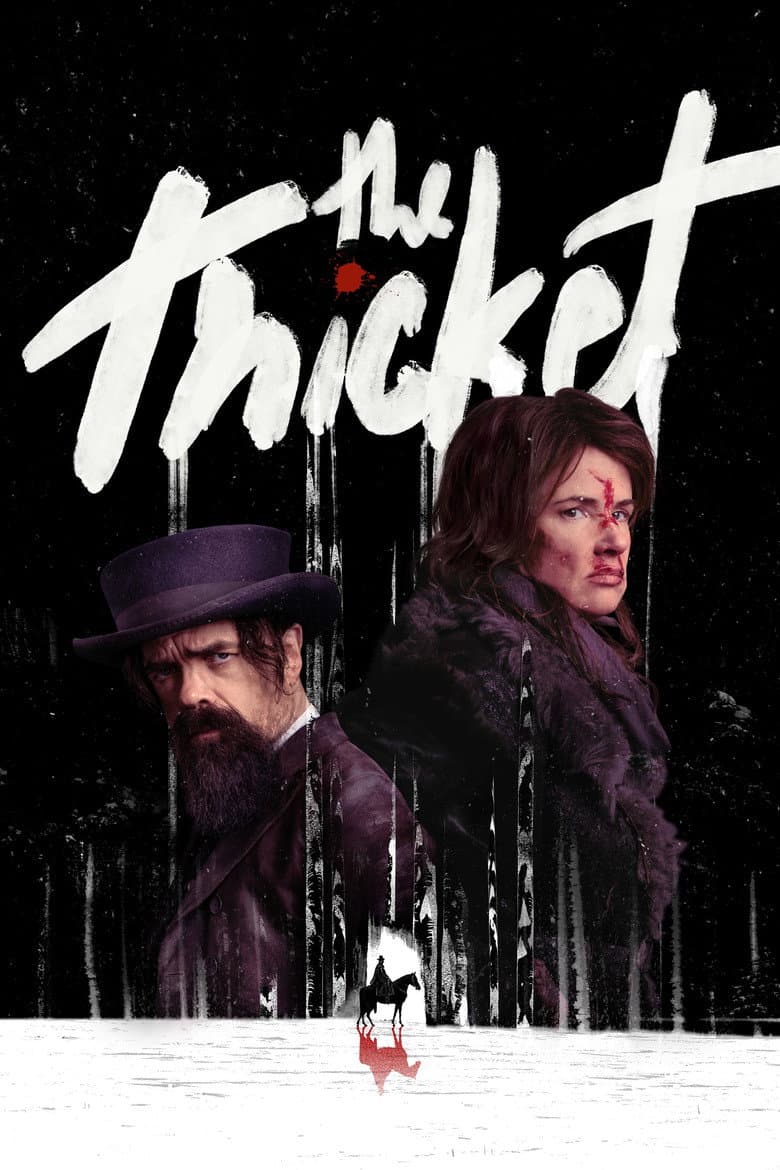
In 1908, Jack Parker loses his parents to smallpox and then watches his grandfather die when Cut Throat Bill kidnaps his sister, Lula. Jack hires Reginald Jones, a sharp bounty hunter and former circus performer, to lead a small group through the frozen frontier. The group includes Eustace Howard, a former slave, and Jimmie Sue, a former sex worker who knows how dangerous Bill can be. The journey becomes a bloody fight for family, survival, and revenge in the wild Big Thicket.
The clearest woke element is Bill’s gender-ambiguous and queer-coded identity. Bill leads a gang of men, rejects normal female behavior, and keeps the male-coded name Cut Throat Bill. Bill also forms a strange bond with Lula and pushes Lula away from signs of girlhood. This identity thread affects the main villain and the rescue story, but the movie stays focused on violence, loyalty, and loss instead of modern political speeches.
Community feedback
Was our 72% Woke rating accurate?
Breakdown
These are the editorial factors and ratings behind our score for The Thicket.
Woke representation / casting
The film puts Juliette Lewis in the central outlaw role that was male in the novel. Bill leads a gang of men and presents in a way that blurs ordinary male and female roles. The other major identity choices match the story, including Jones’s dwarfism and Eustace’s history as an ex-slave. The female, gender-ambiguous lead villain is the main representation signal.
37%
Woke political dialogue
Not present. The dialogue centers on family, money, survival, religion, and revenge. It does not include modern activist speeches about race, sex, gender, or institutions.
0%
Identity-driven story themes
The film presents Bill as gender-ambiguous and strongly queer-coded. Bill keeps the male-coded name Cut Throat Bill, lets others read Bill in different ways, and pushes Lula away from signs of girlhood. Bill’s bond with Lula mixes protection, control, and possible desire. This thread shapes the main villain and the rescue plot, although the movie never gives a modern identity speech.
70%
Western institutional / cultural critique
The film gives several male characters roles as sexual threats, corrupt bosses, or violent gang members. It also shows Bill rejecting feminine behavior and taking control over men. Those choices create a mild critique of male power and old gender roles. The story does not turn that critique into a modern attack on patriarchy, Christianity, or Western institutions.
8%
Woke character or canon changes
The novel presents Cut Throat Bill as a man. The film changes Bill into a role played by Juliette Lewis and makes the character gender-ambiguous. This change affects the central villain, the gang’s image, and Bill’s bond with Lula. The change is a major identity-driven adaptation choice even though the rest of the plot follows the book’s rescue story.
75%
Anti-woke backlash and complaints
A small number of user posts call the film woke because a woman plays a character who was male in the novel. One Reddit comment attacks the gender change, and some Polish user reviews complain about a female gang leader and queer or diverse casting. Most wider discussion focuses on the violence, performances, and adaptation, so the anti-woke backlash appears limited.
24%
Creator track record context
Writer Chris Kelly has a cached score of 55/100 and is known for openly gay identity and queer work. Producer and star Peter Dinklage has a cached score of 30/100 and has spoken about disability representation. Director Elliott Lester and writer Joe R. Lansdale have low cached scores and no clear activist record. The title’s queer-coded villain makes the relevant creator context more visible, but the team is not broadly activist.
34%
Production

Movie · 2021
Ten years after he was last seen, a vicious mob enforcer returns home to find his son and methodically track down the gang that double-crossed him.
Movie · 2023
After a fateful miss, an assassin battles his employers, and himself, on an international manhunt he insists isn't personal.
Movie · 2023
Robert McCall finds himself at home in Southern Italy but he discovers his friends are under the control of local crime bosses.
Movie · 2021
Aaron Falk returns to his drought-stricken hometown to attend a tragic funeral. But his return opens a decades-old wound - the unsolved death of a teenage girl.
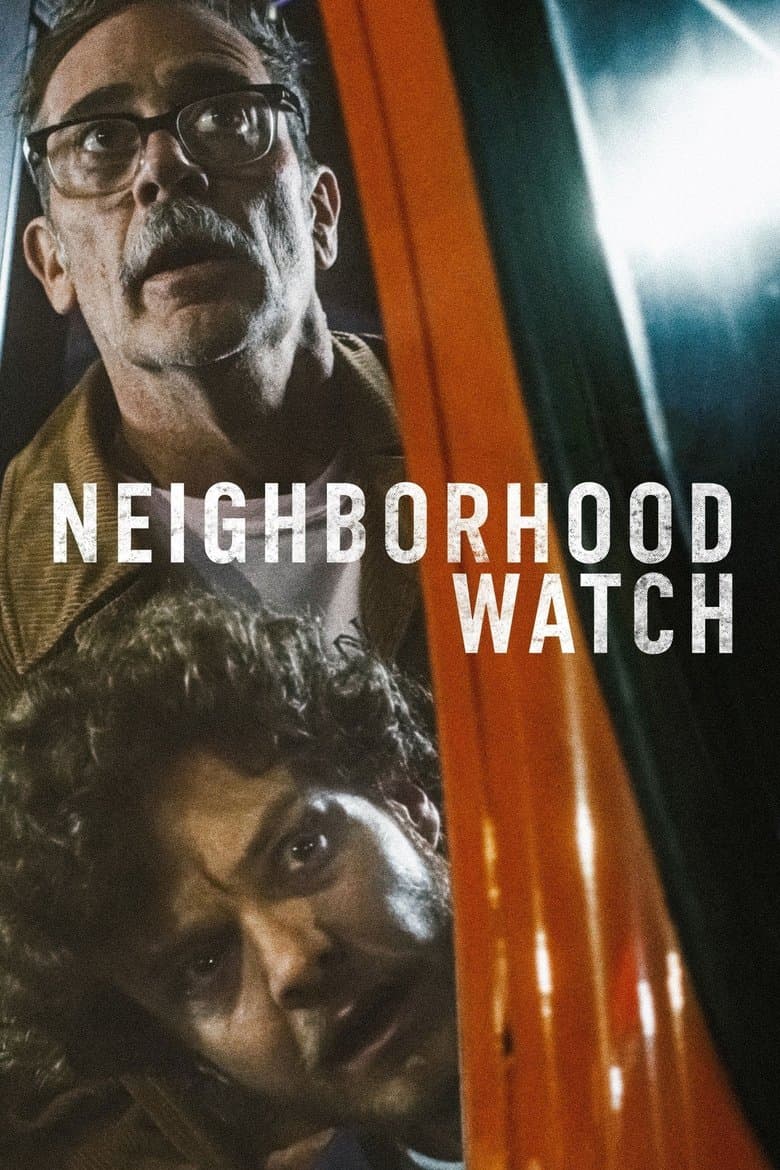
Movie · 2025
When a mentally ill young man thinks he witnesses an abduction and the police refuse to believe him, he reluctantly turns to his next door neighbor – a bitter, retired security…
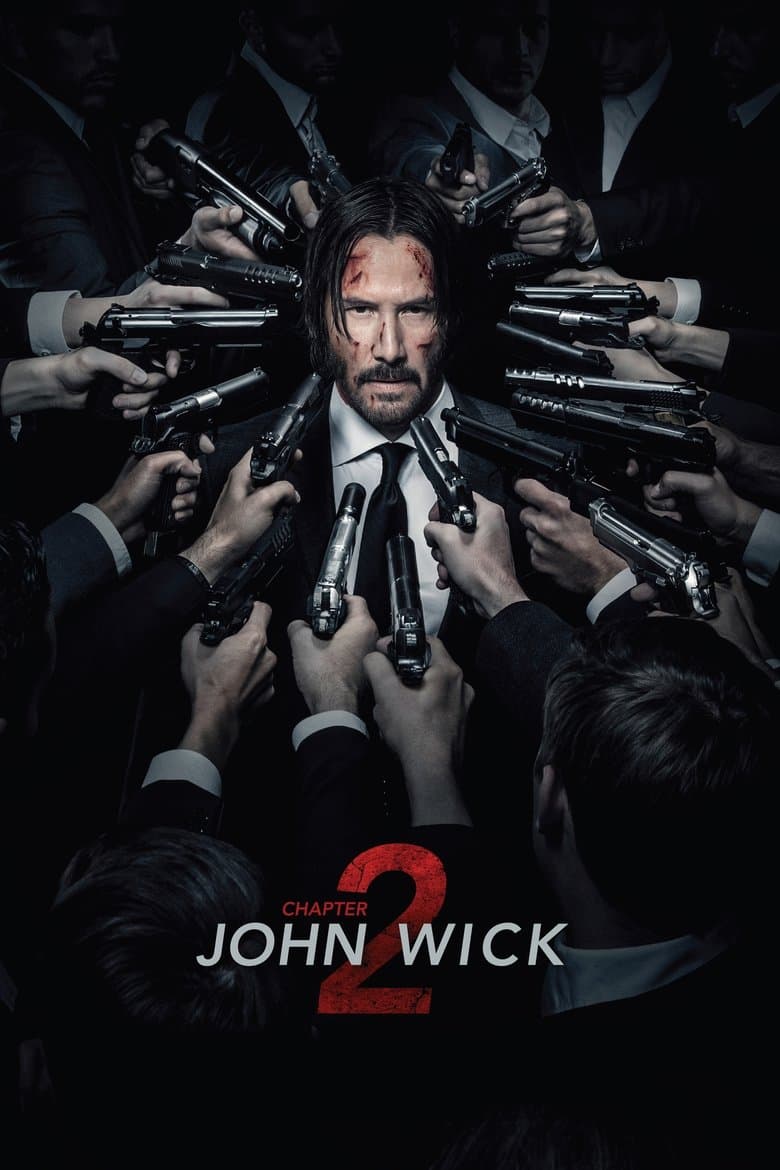
Movie · 2017
John Wick is forced out of retirement by a former associate looking to seize control of a shadowy international assassins’ guild.
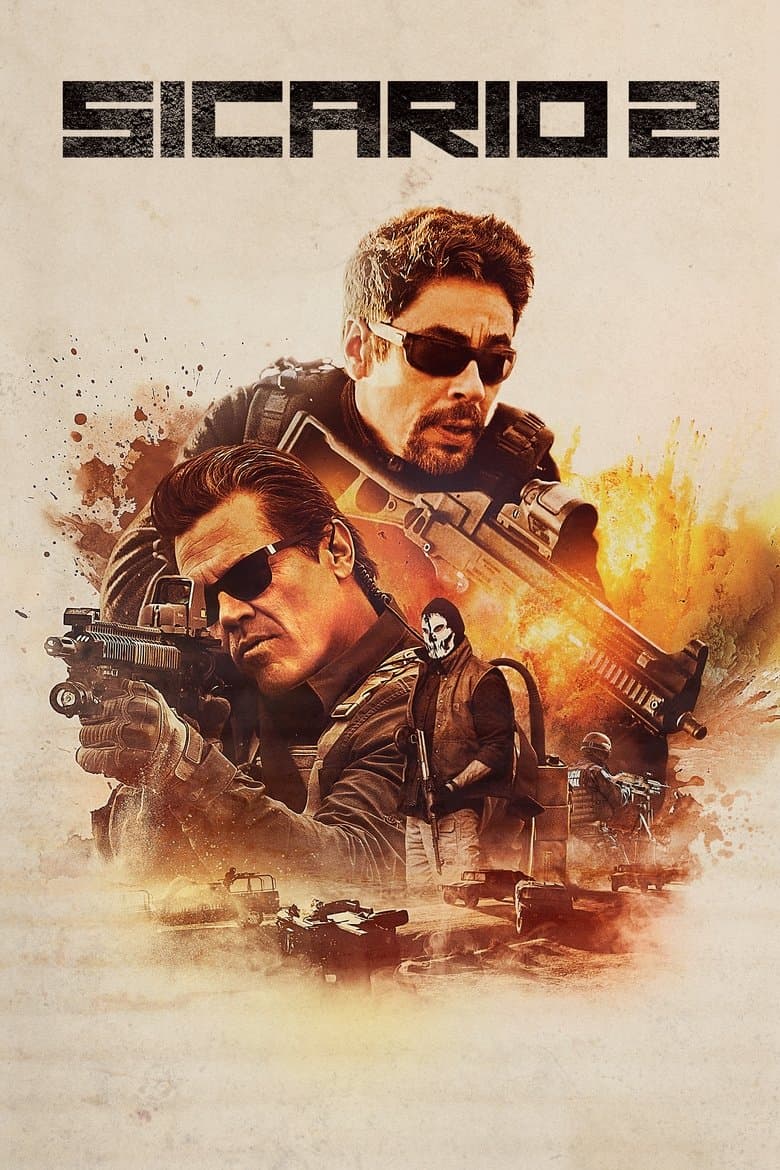
Movie · 2018
Agent Matt Graver teams up with operative Alejandro Gillick to prevent Mexican drug cartels from smuggling terrorists across the United States border.
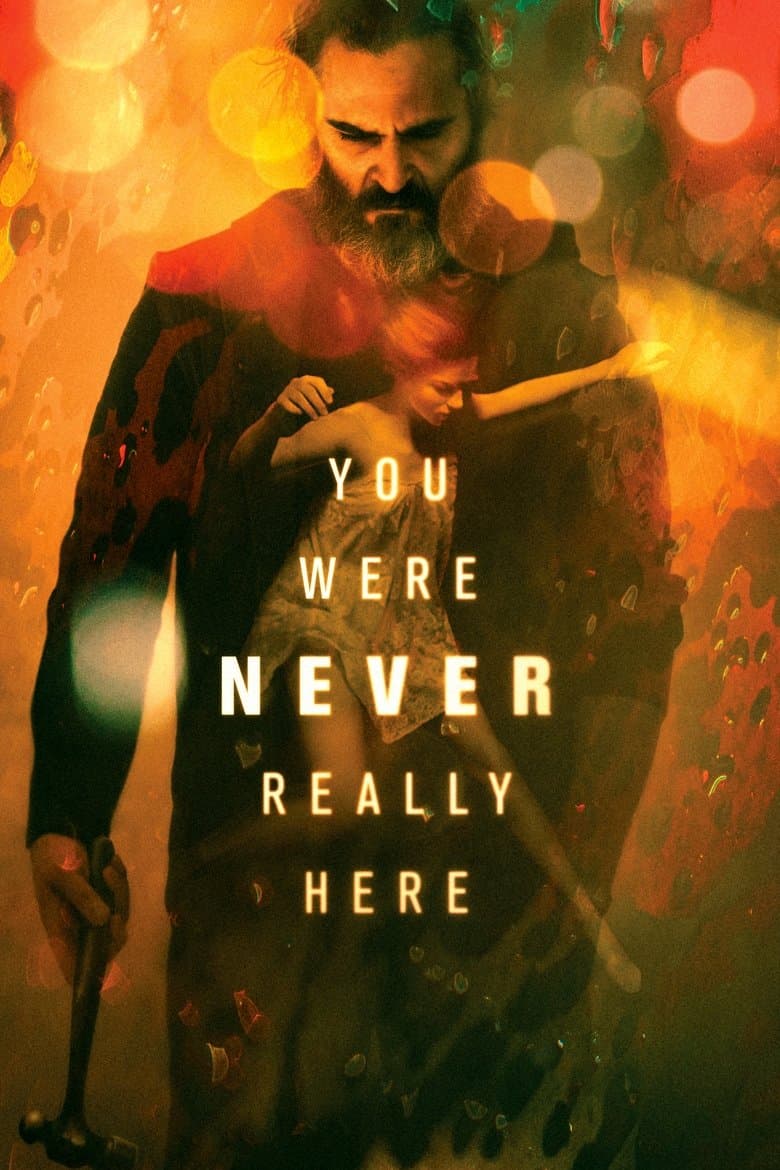
Movie · 2017
A traumatized veteran, unafraid of violence, tracks down missing girls for a living. When a job spins out of control, his nightmares begin to overtake him, and a conspiracy is…
