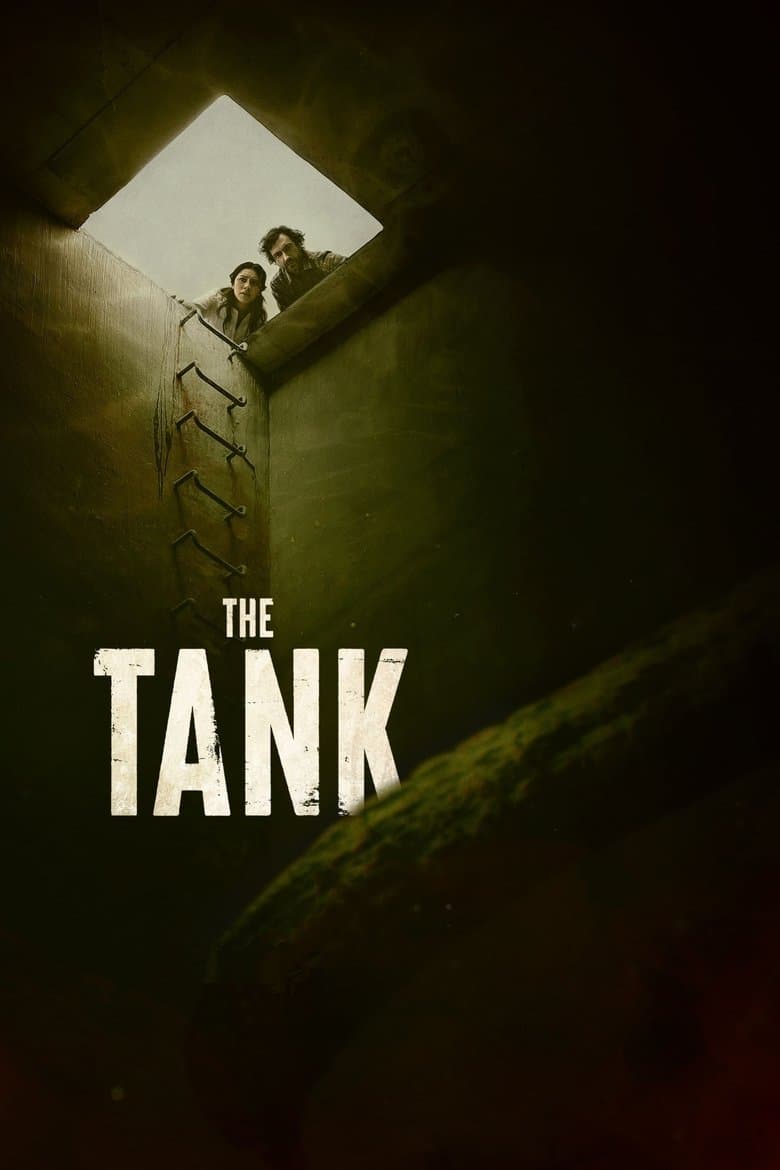
Ben and Jules run a small pet shop while they care for their daughter Reia and pay Jules’s veterinary school fees. In 1978, Ben learns that his late mother left him a remote house and cove on the Oregon coast. The family visits the property, but Ben opens an old water tank and wakes a nest of blind creatures under the house. The film shifts from a quiet family mystery to a dark and violent fight for survival.
The film gives Jules clear skill and courage, especially when she enters the tank to rescue Reia after Ben is badly hurt. It also presents the creature as nature fighting back after earlier generations dug into untouched land and built the house. The story treats motherly strength and fatherly strength as different, with Jules getting the key rescue moments. Those ideas stay tied to a simple monster story, so viewers mainly see family danger, old secrets, practical creature effects, and a grim horror tone.
Community feedback
Was our 20% Woke rating accurate?
Breakdown
These are the editorial factors and ratings behind our score for The Tank.
Woke representation / casting
Jules is played by Luciane Buchanan, a Tongan and Scottish actress, in a 1978 Oregon setting. Jules is also a skilled veterinary student and a major survivor. The film does not discuss her background or present the casting as a diversity goal. The single prominent choice creates a mild identity signal but not a repeated pattern.
18%
Woke political dialogue
Not present. The characters do not use modern identity, DEI, or activist language. The spoken conflict concerns family secrets, pets, nature, and escaping the creatures.
0%
Identity-driven story themes
Jules is a skilled veterinary student who becomes the main rescuer when Reia is taken. Walker’s title-related interview says the film compares motherly strength with fatherly strength. The creature also acts as nature fighting back after people disturb untouched land. The film keeps these ideas inside a family monster story and does not build a current identity campaign around them.
18%
Western institutional / cultural critique
Not present. The film does not attack modern Western institutions, Christianity, family life, or traditional social rules. The weak local police and the danger from the house serve the horror plot rather than a current political message.
0%
Woke character or canon changes
Not relevant. The film is an original story with no established character, source material, or real historical figure to reinterpret.
0%
Anti-woke backlash and complaints
One small MovieChat discussion calls the ending a “girl power” message because the ethnic-minority wife kills the creatures after the white male is badly hurt. Other audience talk focuses on poor plotting, low ratings, and monster effects. The supplied X pass found no anti-woke reaction, and no broad news or boycott debate was found.
15%
Creator track record context
Scott Walker’s public work centers on crime and horror, with no clear identity-politics activism. Most cached producer context involves film finance or commercial production. Alison Thompson has supported gender parity and diversity in industry leadership, which gives a small creator-context signal.
14%
Production
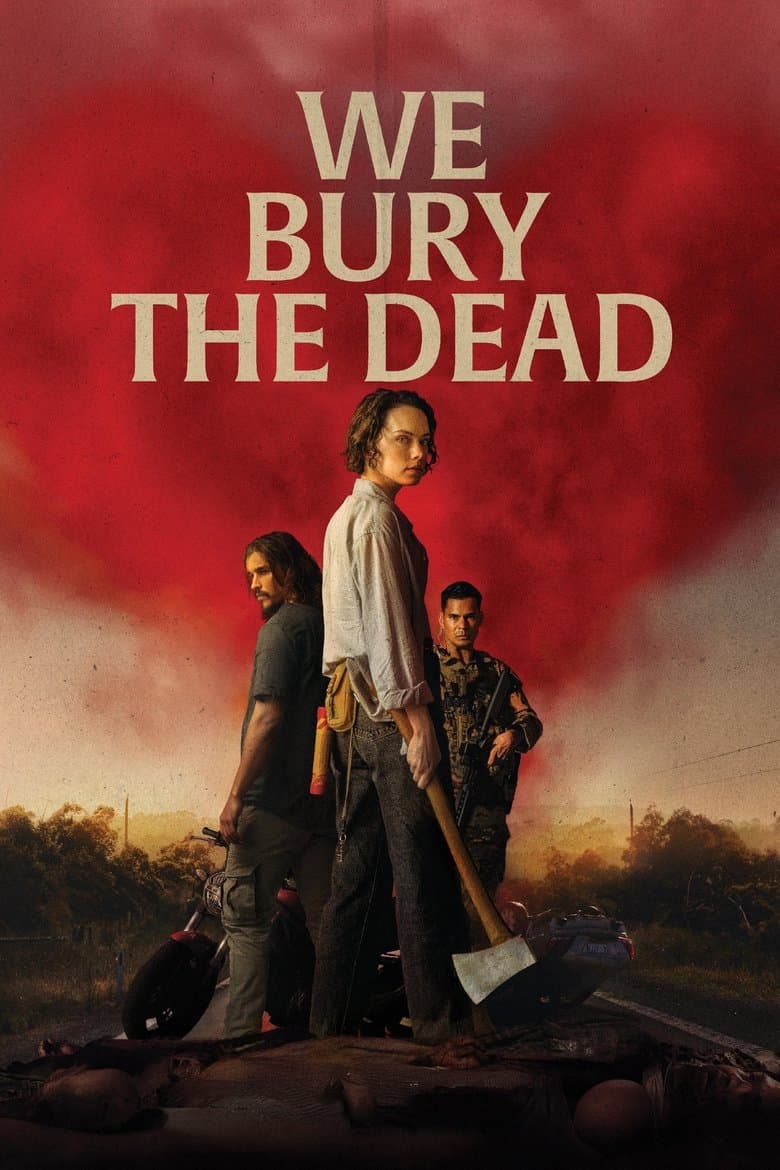
Movie · 2026
After a catastrophic military disaster reanimates the dead, Ava searches for her missing husband amidst an increasingly hostile world.
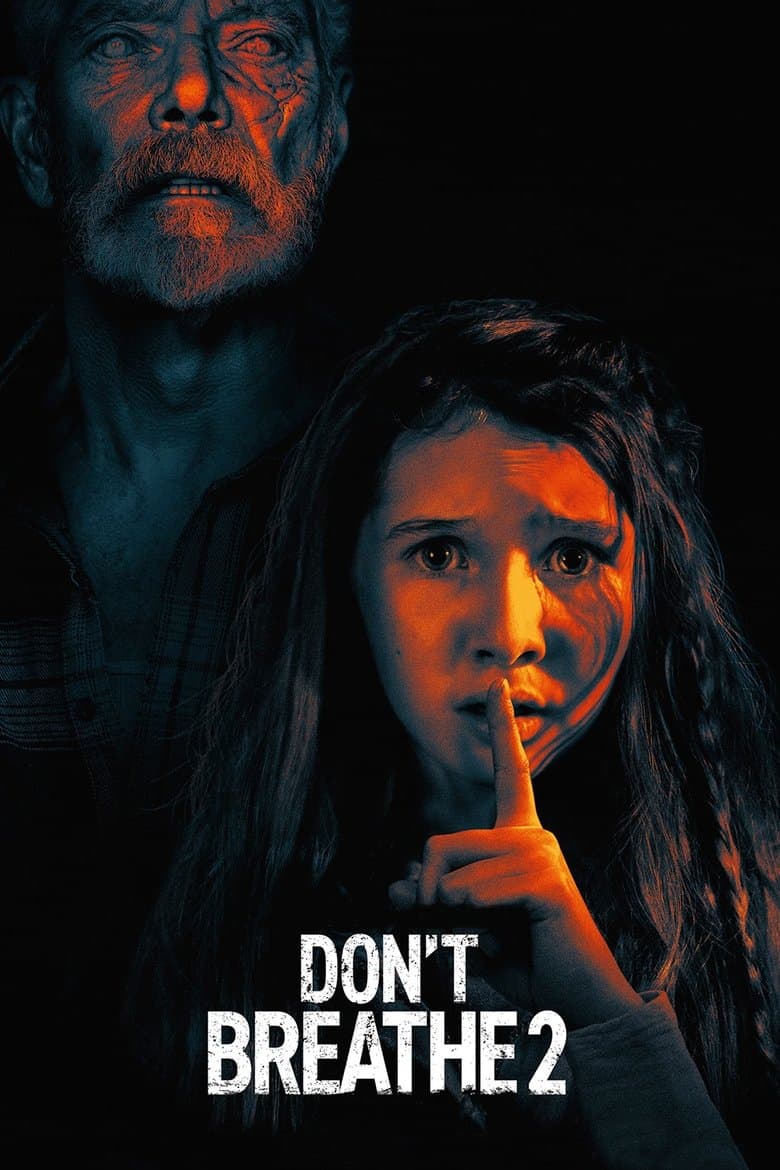
Movie · 2021
The Blind Man has been hiding out for several years in an isolated cabin and has taken in and raised a young girl orphaned from a devastating house fire.
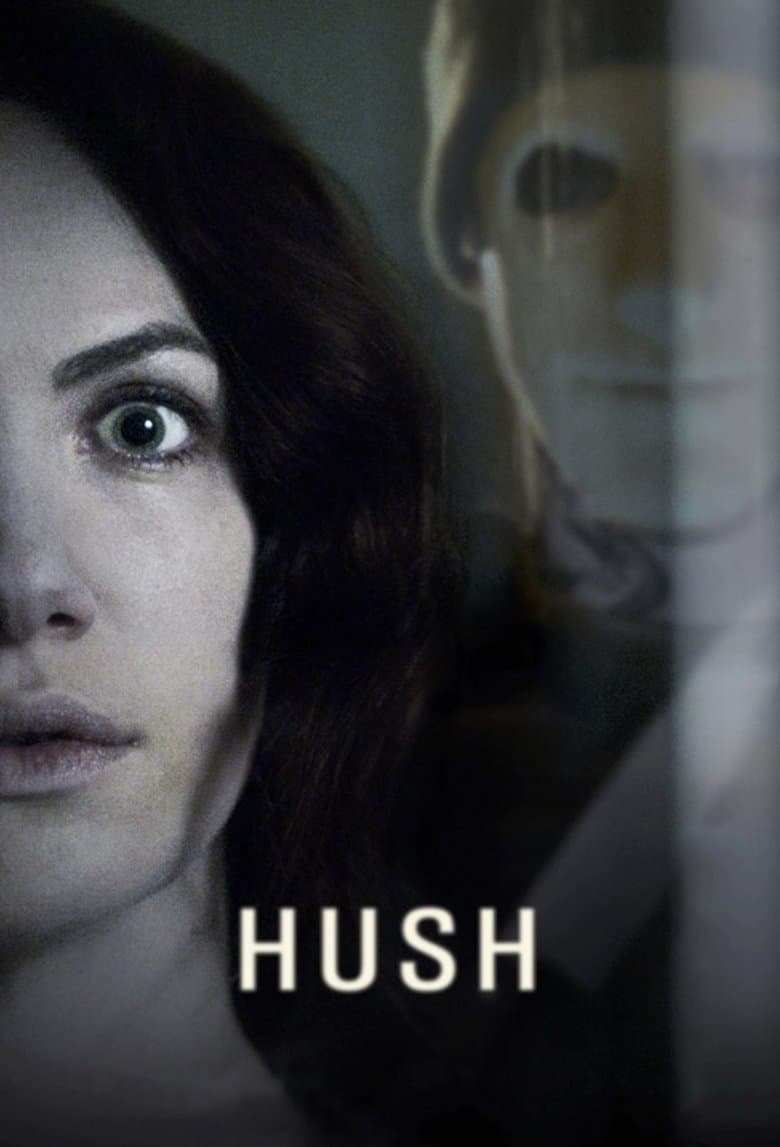
Movie · 2016
A deaf woman is stalked by a psychotic killer in her secluded home.
Movie · 2025
When Polly receives a mysterious box, it comes with one rule: place inside something she needs, something she hates, and something she loves.
Movie · 2026
After a young couple witnesses a gruesome highway accident, they soon realize they did not leave the crash scene alone, as a demonic presence called the Passenger that won't stop…
Movie · 2023
Jess, a newly separated mother and nurse, moves into her old family farmhouse with Tyler, her teenage daughter, and Owen, her eight-year-old son.
Movie · 2024
After raising an unnervingly talented spider in secret, 12-year-old Charlotte must face the truth about her pet and fight for her family's survival.
Movie · 2026
College student Lucy and her friends spend their vacation at her family's home in Hawaii, which includes her pet chimpanzee, Ben.
