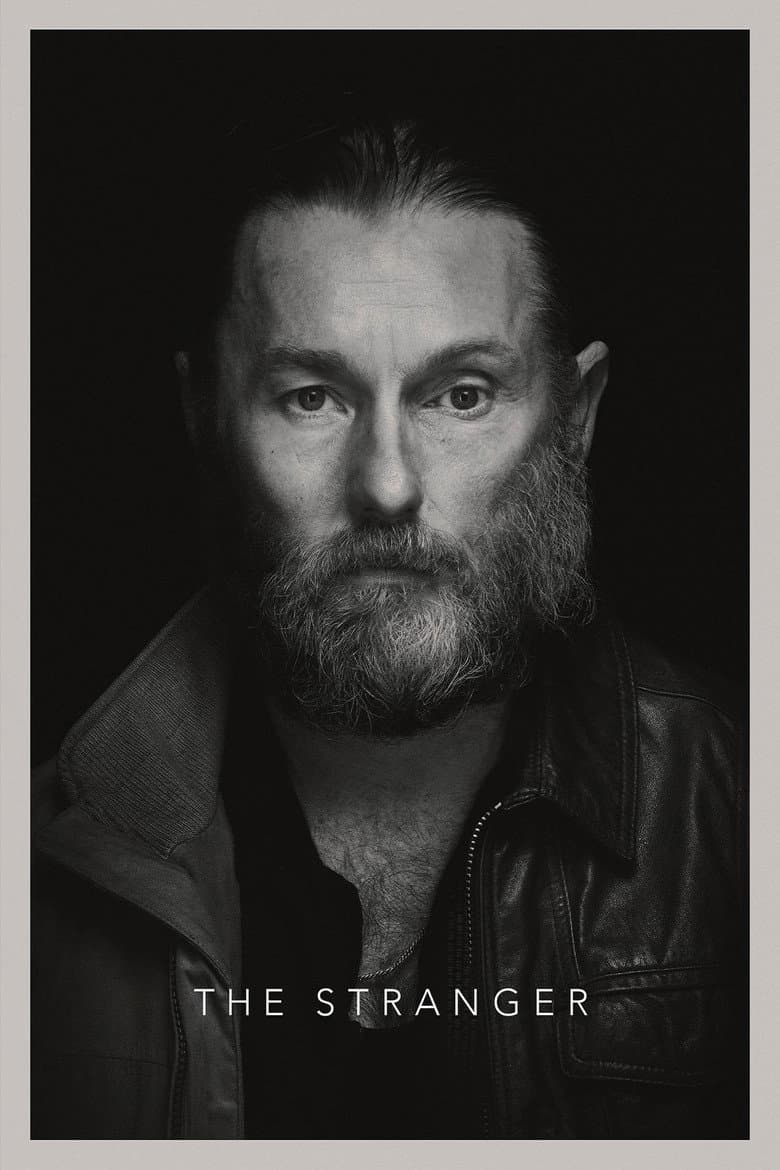
Mark is an undercover cop who pretends to be a criminal so he can get close to Henry, a quiet drifter the police think killed a teenage boy. Set in Australia, the two men build a tense, fake friendship while a huge secret police sting moves in around them. The film is slow, dark, and heavy. It focuses on trust, fear, and the mental cost of living a lie.
The story is a grim true-crime style thriller about catching a child killer, not about modern identity politics. What most viewers notice is the slow cat-and-mouse bond between two men, the stress on Mark’s home life, and how far police will go for a confession. A same-sex advance from Henry toward Mark, and some awkward male closeness, is a real but small beat inside that sting plot. Casting is led by two white male stars, with a supporting Indigenous woman detective in a normal police role. Public anger was mainly about using a real family’s tragedy, not about “woke” content.
Community feedback
Was our 25% Woke rating accurate?
Breakdown
These are the editorial factors and ratings behind our score for The Stranger.
Woke representation / casting
Two white male leads carry almost all of the movie. A supporting Indigenous woman detective is capable and real-world plausible, but she is not the star and is not sold as a diversity showcase. No race or gender swap of famous leads. Casting director’s diversity record is high, but what the audience sees is a male-heavy crime cast, not quota-style star packing.
18%
Woke political dialogue
Talk is about trust, crime work, fear, and personal strain. No clear activist speeches, identity lectures, or social-justice slogans that a normal viewer would clock as political messaging.
0%
Identity-driven story themes
Core themes are catching a killer, fake friendship, guilt, and undercover damage. Confirmed same-sex advance and some queer-coded male closeness add a real but side identity note (+ for LGBTQ content). That beat serves the sting and the predator’s need for closeness more than a pride or rights story. Not a queer-centric film.
32%
Western institutional / cultural critique
Police are shown as hardworking people risking their minds to stop evil, not as a system to tear down. Stress on damaged men and undercover life is personal drama, not a broad attack on Western culture, faith, family norms, or “toxic masculinity” as activist slogan.
0%
Woke character or canon changes
Not relevant. Names and details are fictionalized from a true sting story. Changes serve privacy and drama, not identity-driven rewrites of known figures.
0%
Anti-woke backlash and complaints
Documented pushback was the victim’s parents over true-crime use of their tragedy, not claims the film pushes DEI or woke politics. No meaningful anti-woke complaint trail found.
0%
Creator track record context
Writer-director scores very low on activist history. Main producers are low to low-moderate. High diversity-focused casting director raises the average a little, but story leadership is crime-craft, not identity advocacy.
18%
Production
Movie · 2021
When the aging Meyer Lansky is investigated one last time by the Feds who suspect he has stashed away millions of dollars over half a century, the retired gangster spins a…
Movie · 2019
In 1934, Frank Hamer and Manny Gault, two former Texas Rangers, are commissioned to put an end to the wave of vicious crimes perpetrated by Bonnie Parker and Clyde Barrow, a…

Movie · 2022
After escaping a Michigan prison, a charming career criminal assumes a new identity in Canada and goes on to rob a record 59 banks and jewellery stores while being hunted by a…
Movie · 2024
While awaiting the next fuel truck at a middle-of-nowhere Arizona rest stop, a traveling young knife salesman is thrust into a high-stakes hostage situation by the arrival of two…
Movie · 2018
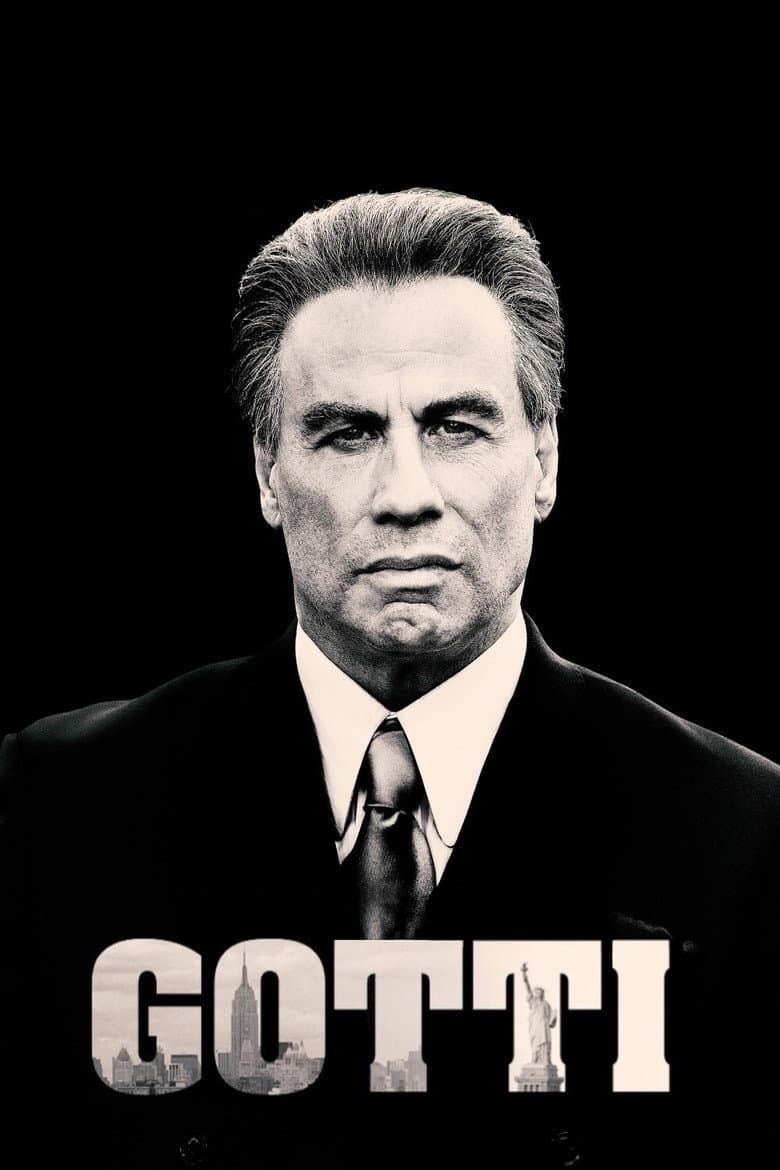
John Gotti rises to the top of the New York underworld to become the boss of the Gambino crime family. His life takes a tumultuous turn as he faces tragedy, multiple trials and a…

Movie · 2019
During the 1980s, a failed stand-up comedian is driven insane and turns to a life of crime and chaos in Gotham City while becoming an infamous psychopathic crime figure.

Movie · 2017
A newly-released prison gangster is forced by the leaders of his gang to orchestrate a major crime with a brutal rival gang on the streets of Southern California.
Movie · 2021
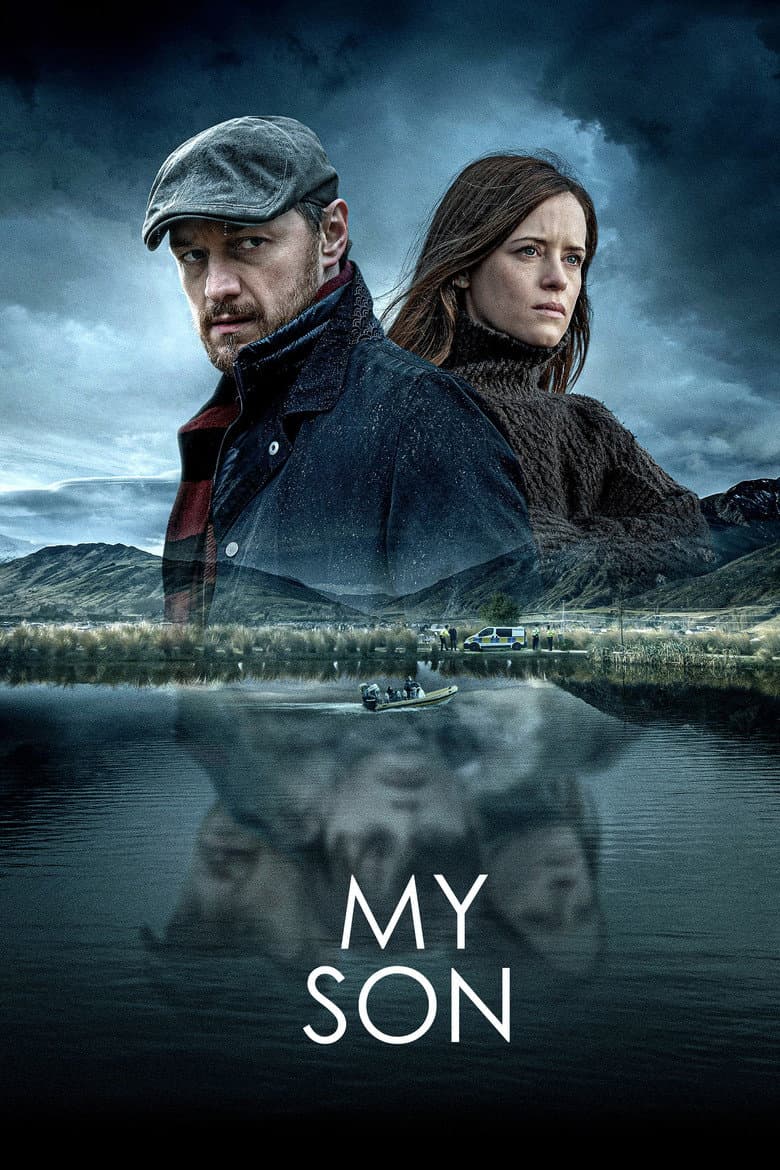
When a man's only son goes missing, he travels to the town where his ex-wife lives in search of answers. [To play a man whose life is clouded by mystery, McAvoy will not be given…
