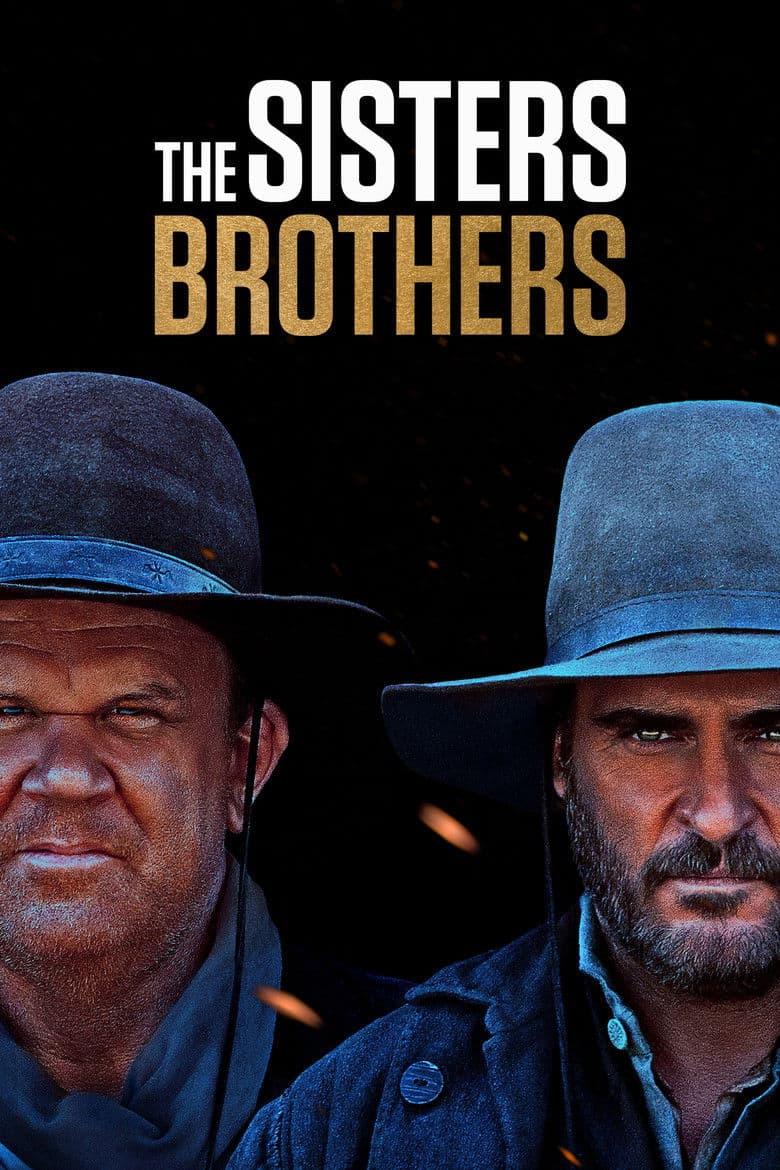
In 1851, brothers Eli and Charlie Sisters work as paid killers in Oregon and California. Their boss sends them after Hermann Kermit Warm, a chemist who has found a way to spot gold in rivers, while John Morris tracks Warm for another reason. The chase moves through rough towns, a brothel, and the growing Gold Rush. The film mixes gun fights, dry jokes, pain, and a slow look at two violent men who may want a different life.
The film has a few audience-visible identity signals, but they are not the main subject. Mayfield changes from a man in the novel into a powerful woman played by trans actor Rebecca Root, and the film leaves her gender presentation unclear. Warm and Morris share a close bond with suggested attraction, while the brothers are shown as men shaped by violence, pride, and family pain. Warm also talks about building a society without profit or greed, but the story treats that idea as one part of a dark Western about brotherhood, change, and the cost of chasing gold.
Community feedback
Was our 49% Woke rating accurate?
Breakdown
These are the editorial factors and ratings behind our score for The Sisters Brothers.
Woke representation / casting
The film casts Rebecca Root, a trans actress, as Mayfield, a powerful woman who runs a town and brothel. The novel made Mayfield a man, so the film makes a clear gender change in a known character. The main cast otherwise follows a normal Western pattern, so this is a focused identity-related choice rather than a broad diversity pattern.
32%
Woke political dialogue
Warm openly calls for a new society without profit or greed. He says people should live by respect and focus on education and basic needs. The speech gives the film a clear anti-capitalist idea, but the talk stays inside the 1850s story and does not become a modern political lecture.
35%
Identity-driven story themes
The film treats masculinity as something the brothers perform while they repeat the violence of their father. Eli tries to leave that life, while Charlie refuses to change. Warm and Morris share an unusually intimate bond with suggested attraction, and Mayfield puts gender expectations under pressure. These ideas are clear, but the film remains mainly a violent story about brothers, family, and change.
42%
Western institutional / cultural critique
The film shows the Commodore using hired killers to protect his control of gold and money. Warm rejects greed, and the story shows violence and male pride damaging families. The film treats the brothers as damaged men rather than heroes, but its criticism stays inside the frontier tale and does not attack modern Western institutions.
34%
Woke character or canon changes
The film changes Mayfield from a man in the novel into a powerful woman played by Rebecca Root. Charlie expects to meet a man, so the change is made clear on screen. Interviews link the choice to old photographs and to testing gender expectations in a male-dominated setting. The film also moves Warm and Morris earlier, but that change serves the plot rather than identity messaging.
35%
Anti-woke backlash and complaints
Not present. No anti-woke or right-leaning complaints about DEI, identity politics, or agenda in reviews or social media.
0%
Creator track record context
Audiard has a mild identity-related link through later work centered on transgender identity, and he shaped this film’s gender ambiguity. His interviews describe masculinity, change, and outsiders, but they do not present this film as a current activist project. DeWitt, Bidegain, and the other key creators have little activist or identity-focused history, so this factor stays low.
18%
Production
Movie · 2018
In 1990s Los Angeles, a 13-year-old spends his summer navigating between a troubled home life and a crew of new friends he meets at a skate shop.

Movie · 2017
Ingrid becomes obsessed with a social network star named Taylor Sloane who seemingly has a perfect life. But when Ingrid decides to drop everything and move west to be Taylor's…

Movie · 2018
Thirteen-year-old Kayla endures the tidal wave of contemporary suburban adolescence as she makes her way through the last week of middle school — the end of her thus far…

Movie · 2024
Pansy is a woman so full of rage that every interaction she has devolves into lashing out, whether at her utterly cowed husband and son, or random strangers who have the temerity…

Movie · 2024
When a construction worker unexpectedly joins a local theater's production of Romeo and Juliet alongside his estranged teenage daughter, the drama onstage starts to mirror his own…
Movie · 2022
After discovering a once-in-a-lifetime player with a rocky past abroad, a down on his luck basketball scout takes it upon himself to bring the phenom to the States without his…
Movie · 2017
When dictator Joseph Stalin dies, his parasitic cronies square off in a frantic power struggle to become the next Soviet leader.
Movie · 2019
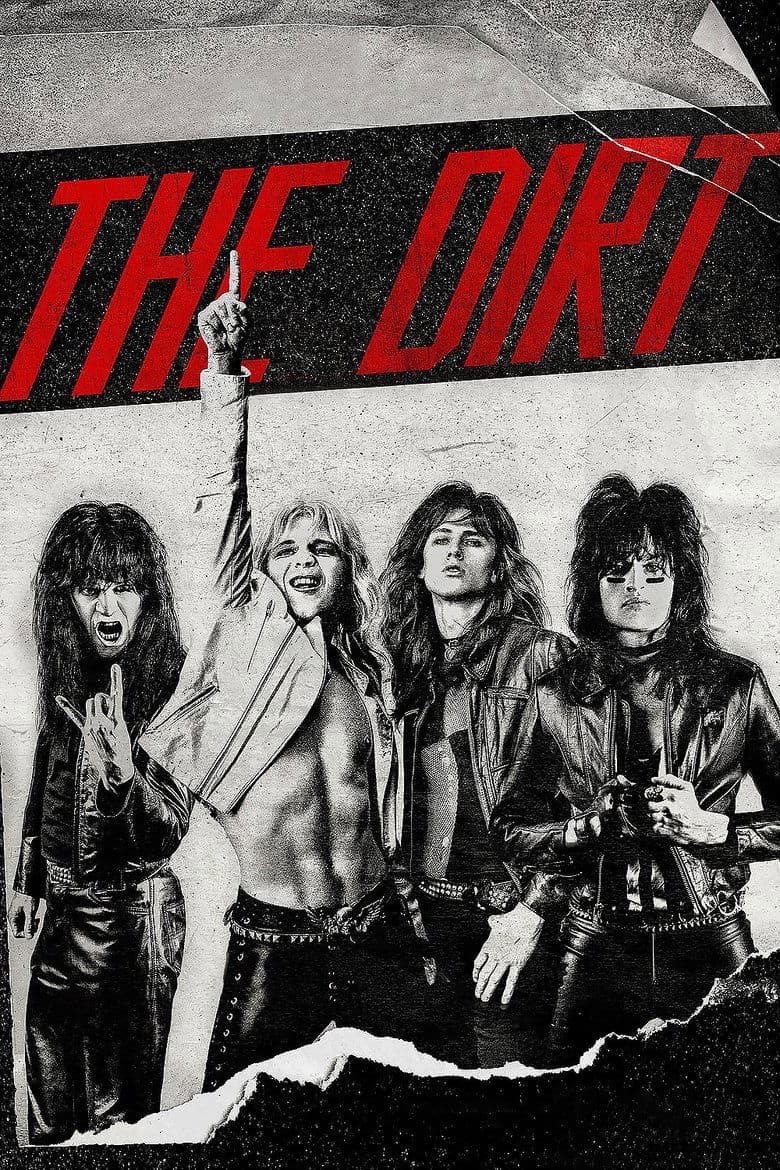
The story of Mötley Crüe and their rise from the Sunset Strip club scene of the early 1980s to superstardom.
