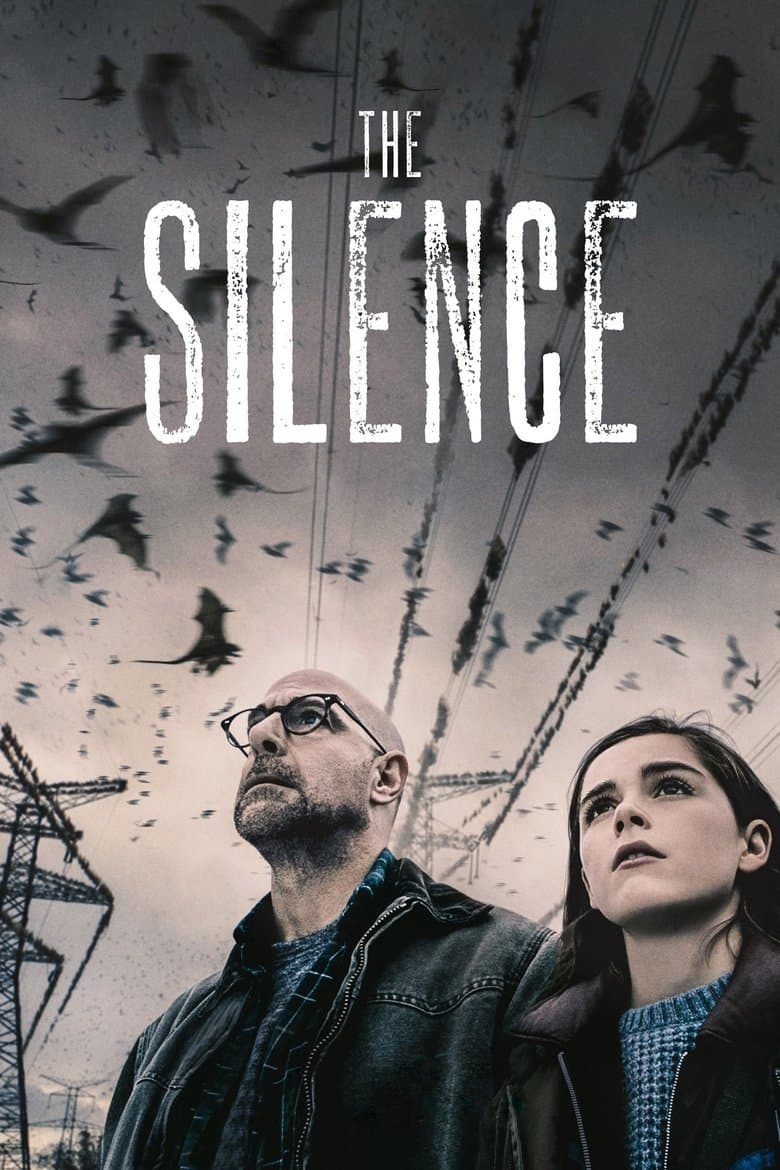
The film gives Ally Andrews, a sixteen-year-old girl who became deaf after a car crash, the main point of view. She travels with her parents, younger brother, grandmother, and dog after sound-hunting Vesps spread across the United States. The family uses sign language and tries to reach a remote refuge while roads, crowds, and careless strangers bring danger. The mood is grim and tense, but the film also uses family talks, teen romance, and dark jokes.
Ally’s deafness is an audience-visible identity element, and the story treats it as both a daily challenge and a survival advantage. The family’s sign language matters because the Vesps attack noise, so the disability is tied to the main plot instead of being a side detail. A tongue-cutting cult then treats Ally as a special way to rebuild humanity and tries to take her because she is fertile. The story treats the cult’s plan as personal abuse and keeps the wider conflict focused on survival and family protection.
Community feedback
Was our 17% Woke rating accurate?
Breakdown
These are the editorial factors and ratings behind our score for The Silence.
Woke representation / casting
The film places a deaf teenager in its central survivor role. Ally’s hearing loss comes from a past car crash, and her use of sign language is tied to the monster plot. Kiernan Shipka is a hearing actress playing the deaf role, which creates an authenticity mismatch in a prominent part. The film frames her ASL training as preparation, not as a wider diversity campaign.
15%
Woke political dialogue
Not present. The dialogue focuses on survival, family, deafness, and the cult’s threat. It does not argue for a modern activist cause.
0%
Identity-driven story themes
The film makes Ally’s deafness a recurring identity-driven part of the story. Her family uses sign language, and her quiet habits help them avoid the Vesps. The cult calls her deafness a gift and tries to control her because it sees her as fertile. The film uses these ideas for horror and personal danger, not for a wider political message.
18%
Western institutional / cultural critique
Not present. The Hushed are shown as a violent cult that abuses religion and family power. The story uses them as horror villains, not as a modern critique of Christianity, men, or Western institutions.
0%
Woke character or canon changes
Not relevant. The movie adapts Tim Lebbon’s 2015 novel. The cult’s changed reason for wanting Ally serves the horror plot and does not carry a modern identity message.
0%
Anti-woke backlash and complaints
Not present. The separate X pass found no anti-woke reaction. Other complaints focused on film quality and deaf casting, not claims that the movie pushes woke politics.
0%
Creator track record context
The cached writer and director scores are low or mild, from 8 to 29. The listed casting directors and producers range from 8 to 33, with no strong activism record tied to this film. Leonetti’s past comments on sexism and anti-racism show modest liberal awareness, while Lebbon’s climate concern is mild environmental context. The overall creator signal is limited.
20%
Production
Movie · 2017
A teenage girl discovers a box with magical powers, but those powers comes with a deadly price.
Movie · 2016
An orphaned child's dreams—and nightmares—manifest physically as he sleeps.
Movie · 2017
A supernatural love story that centers on two parents whose life together falls apart after their son dies. The man, now a successful lawyer, and the woman, now married and an…
Movie · 2016
While surfing on a secluded beach, Nancy finds herself in the feeding grounds of a great white shark. Though stranded only 200 yards from shore, survival proves to be the ultimate…
Movie · 2016
Paralyzed by his fear of dying, Miles Grissom takes out an advert offering $30,000 in reward money to the first person who can show him evidence of an angel, a demon, or prove…
Movie · 2022
Known as America’s Poet, Henry Wadsworth Longfellow leads an idyllic life – until the day his world is shattered by tragedy.
Movie · 2021
While exploring the neighboring woods, 13-year-old John discovers an unfinished bunker — a deep hole in the ground.
Movie · 2018
A disgraced children's puppeteer returns to his childhood home and is forced to confront his wicked stepfather and the secrets that have tortured him his entire life.
