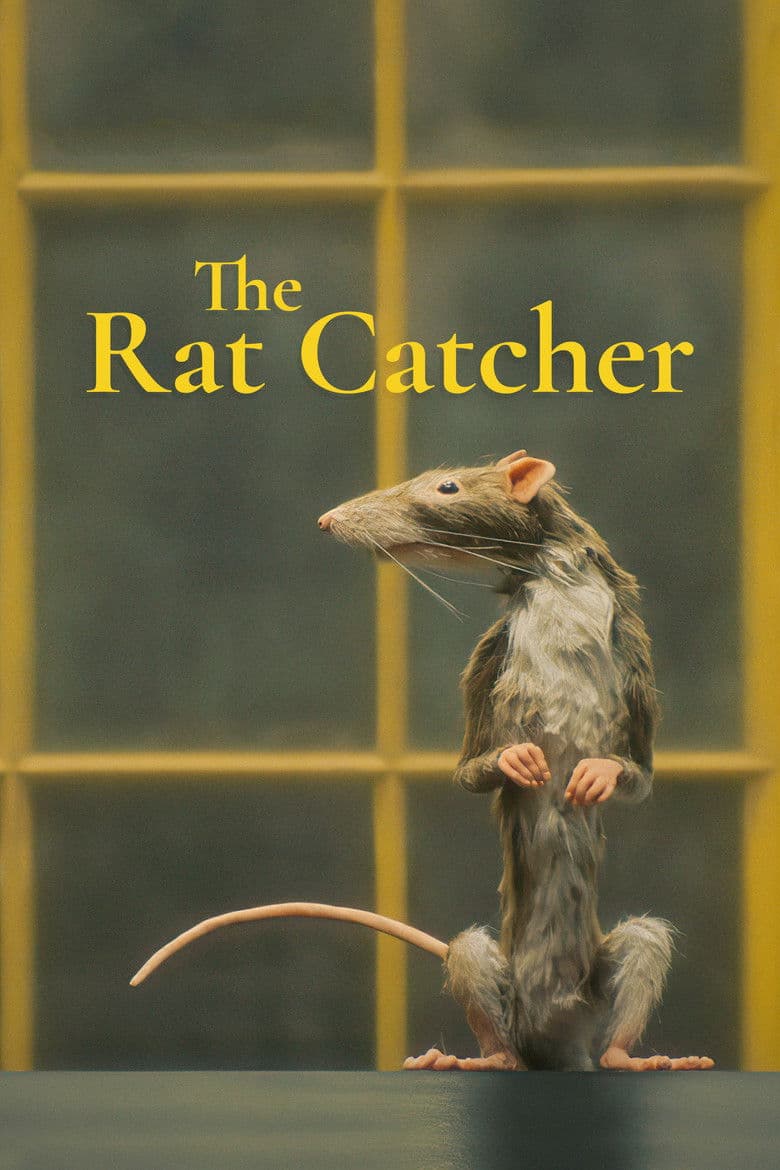
In a 1940s English village, a newspaper editor and a garage mechanic ask a strange rat catcher to deal with rats living in a hayrick. The rat catcher says he must understand rats and become cleverer than them before using poisoned oats. When the bait fails, he tries to win back their respect with cruel tricks involving a ferret and a live rat. The short film has a dry comic tone that slowly turns tense, ugly, and almost like horror.
The story gives a little sympathy to the rats by showing one as alert, afraid, and almost cute. It makes the rat catcher look more like a dangerous animal than a skilled public worker. His need to prove himself leads him to bite a rat for money while the two men watch in disgust. A missing person clue near the hayrick suggests that the rats have been eating a body, so the final joke leaves the village with a dark secret.
Community feedback
Was our 11% Woke rating accurate?
Breakdown
These are the editorial factors and ratings behind our score for The Rat Catcher.
Woke representation / casting
The small cast places mixed-heritage British actor Richard Ayoade in the main editor role in a 1940s English village. The film gives no backstory or marketing message about his identity. The other main roles are white men, so the casting signal is slight rather than a clear representation pattern.
10%
Woke political dialogue
Not present. The dialogue discusses rats, poison, public health, and liquorice. It does not discuss modern politics, identity, or activism.
0%
Identity-driven story themes
The film briefly makes one rat look alert, frightened, and almost sympathetic. The rat catcher treats the animals as targets and enjoys making them suffer. This creates a weak message about how people can mark others as pests, but the film never names a human identity group or links the idea to current politics.
12%
Western institutional / cultural critique
Not present. The Health Office and the food factories appear as plot details. The film does not attack modern Western institutions, family roles, Christianity, capitalism, or conservative ideas.
0%
Woke character or canon changes
Not relevant. The film adapts Roald Dahl’s story and adds a clue from another Dahl story about the hayrick. Those changes serve the dark ending and are not identity or DEI changes.
0%
Anti-woke backlash and complaints
Not present. Reviews and audience posts focus on the film’s strange tone, acting, animal violence, and ending. No meaningful complaint says that this title pushes woke, DEI, or identity politics.
0%
Creator track record context
The creator record rates Wes Anderson at 6/100 and describes his work as mainly personal and stylized. The same record rates Roald Dahl at 8/100 and lists no identity or DEI activism. The listed producers and script supervisor also have low stored scores. This supports a low creator track record context score.
8%
Production
Movie · 2023
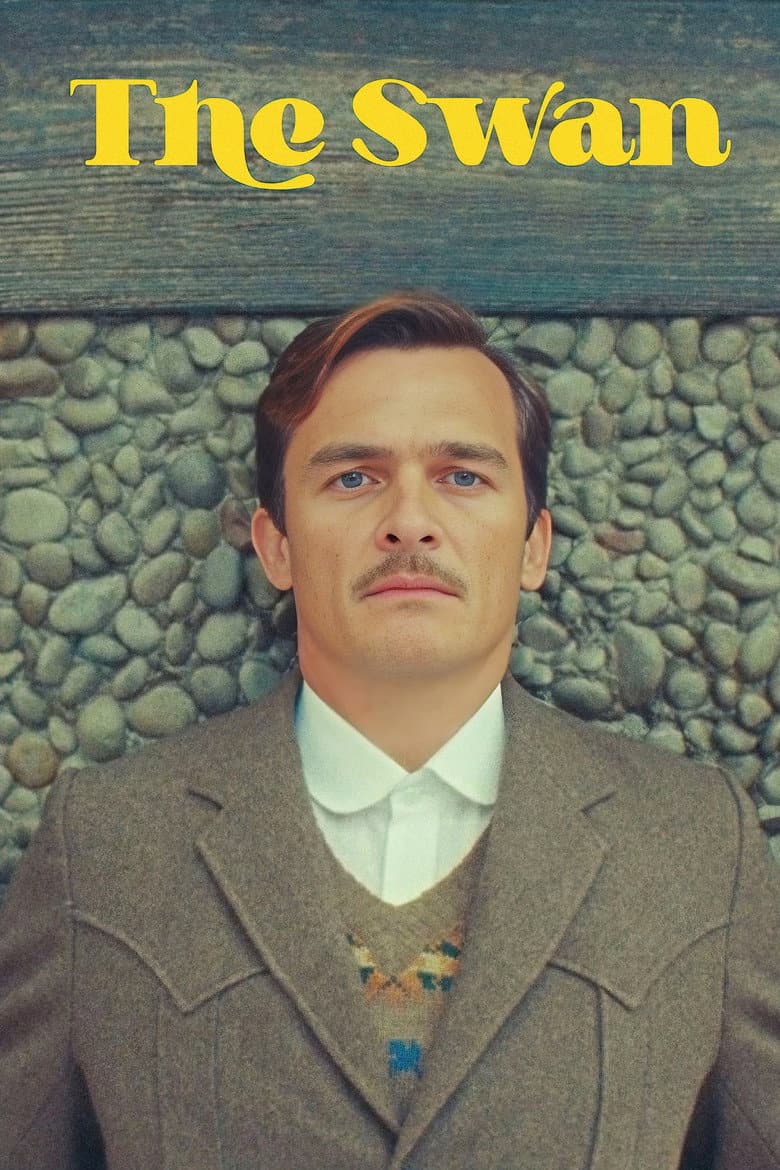
Two large, ignorant bullies ruthlessly pursue a small, brilliant boy in this young adult Roald Dahl short story.
Movie · 2026
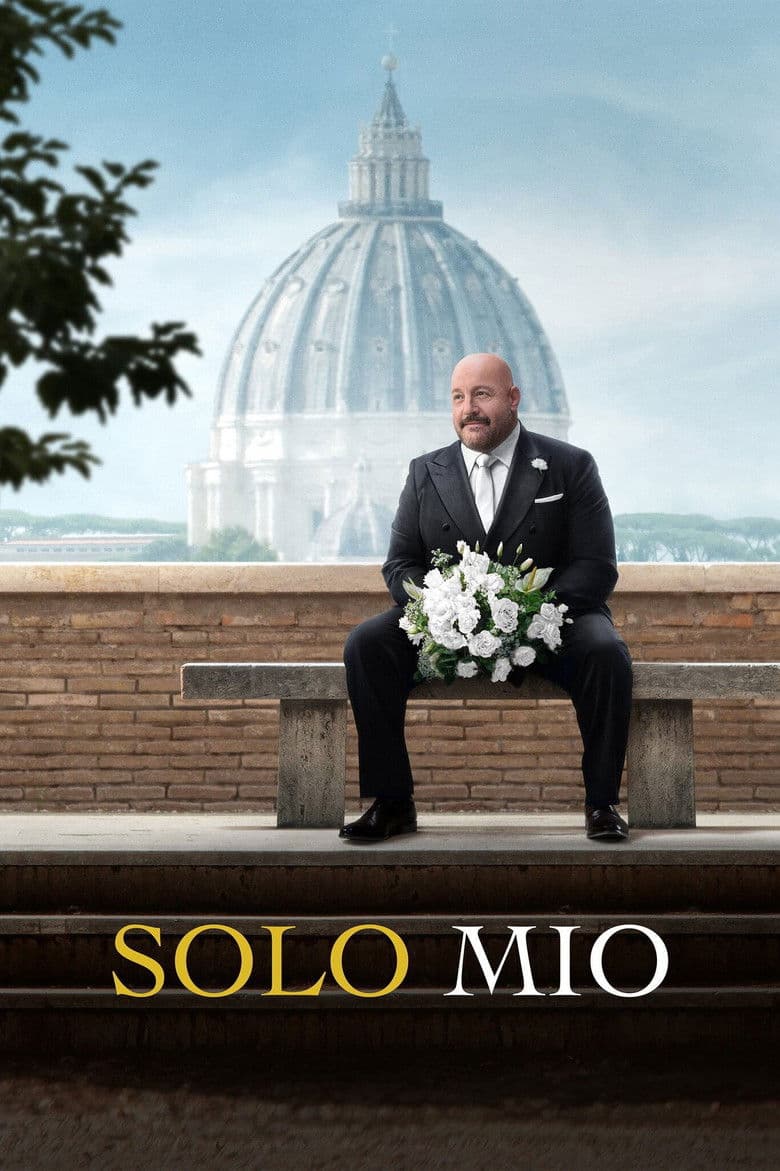
After Matt's dreams of a picturesque Italian wedding are shattered when his fiancée leaves him at the altar, he embarks on his planned honeymoon across Italy alone, immersing…
Movie · 2018
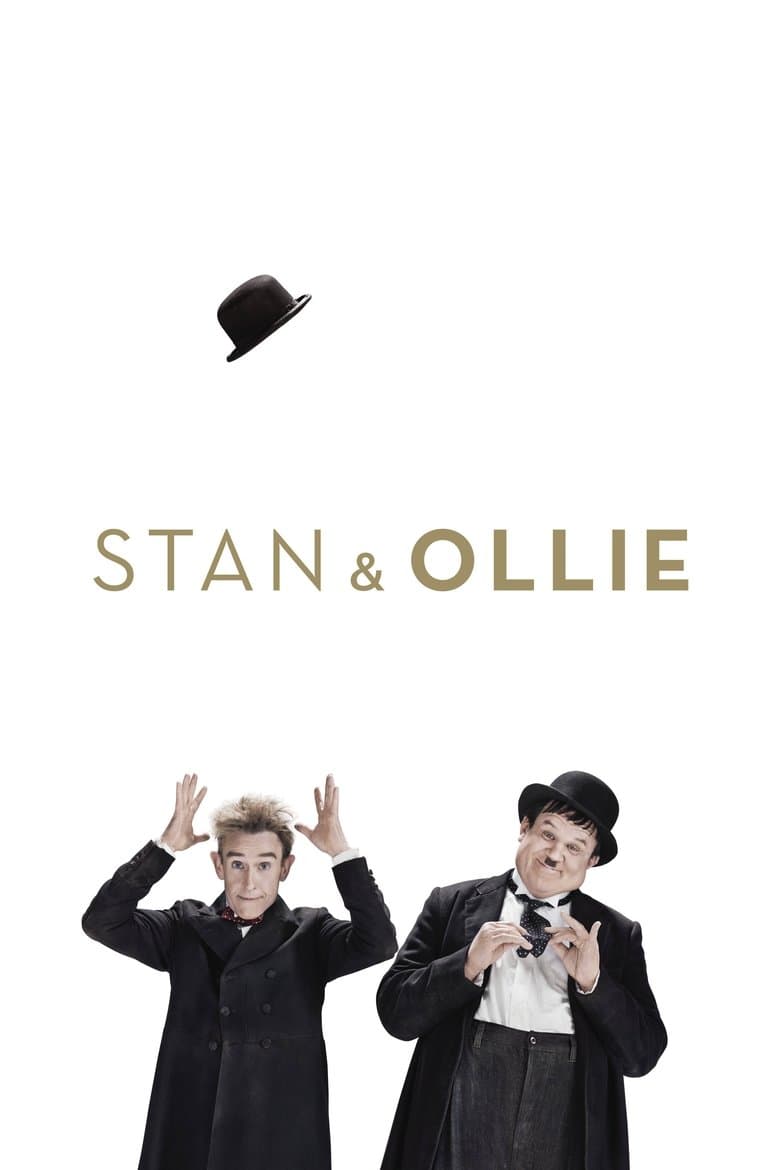
With their golden era long behind them, comedy duo Stan Laurel and Oliver Hardy embark on a variety hall tour of Britain and Ireland.
Movie · 2020
After Santa Barbara Police Chief Carlton Lassiter is ambushed and left for dead, Shawn and Gus return to help him and find themselves embroiled in a case involving the personal…
Movie · 2019
A headstrong Chinese-American woman returns to China when her beloved grandmother is given a terminal diagnosis.
Movie · 2016
Discover what Thor was up to during the events of Captain America: Civil War.
Movie · 2016
The Minions need to raise $20 to purchase an as seen on TV banana blender. So they take up lawn mowing at an old folks home, with hilarious antics!
Movie · 2021
Buster and his new cast now have their sights set on debuting a new show at the Crystal Tower Theater in glamorous Redshore City.
