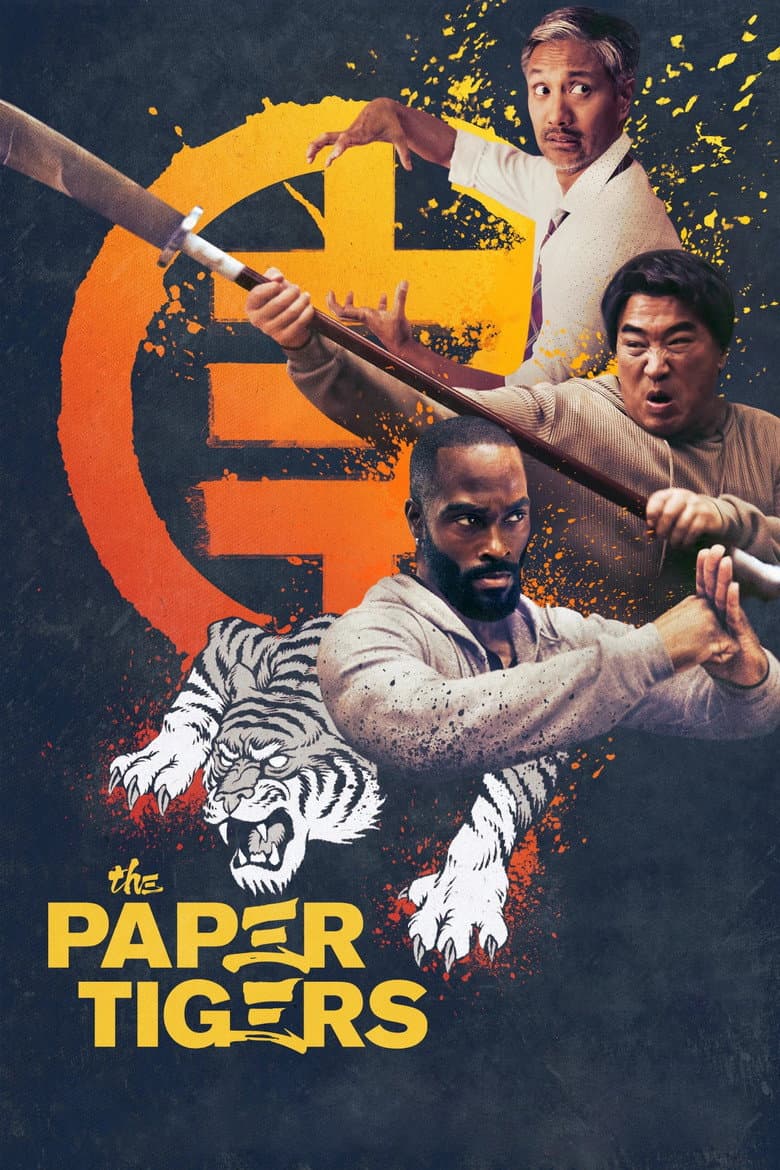
Danny, Hing, and Jim were once the best young kung fu students in Seattle. Twenty-five years later, they are tired, out of shape, and busy with jobs, children, and old regrets. When their teacher dies in a strange attack, the three friends reunite to learn who killed him and to protect his name. The movie uses rough fights, silly jokes, and warm friendship to tell a story about men trying to grow up.
The three leads are two Asian American men and one black American man, so race is easy for viewers to notice in the main group. The film also makes Carter, a white rival who copies Chinese words and martial arts, into a joke about copying another culture. These choices make race and representation part of the movie, but they stay tied to the martial arts world. The larger story is about aging, fatherhood, loyalty, honor, and the repair of broken friendships.
Community feedback
Was our 52% Woke rating accurate?
Breakdown
These are the editorial factors and ratings behind our score for The Paper Tigers.
Woke representation / casting
The three main heroes are two Asian American men and one black American man. The film gives all three major heroic roles, while the white rival is mainly a comic target. The film’s campaign publicly framed this cast as a choice against whitewashing and for representation. The Asian casting fits the kung fu setting, so the identity message does not control every part of the movie.
60%
Woke political dialogue
Not present. The dialogue focuses on kung fu honor, aging, family, and friendship. The film uses racial jokes and insults, but it does not push modern identity, DEI, or activist ideas.
0%
Identity-driven story themes
The film makes cultural copying visible through Carter, a white rival who copies Chinese words and martial arts as a costume. The three heroes put Asian American and black men at the center of a kung fu story. The main conflict follows aging, fatherhood, friendship, and honor rather than a political campaign. These identity themes are clear but stay secondary to the action comedy.
30%
Western institutional / cultural critique
The film mocks Carter, a white martial artist who treats Chinese culture as a personal brand. The joke points to cultural copying, but it stays tied to one rival fighter. The story does not attack Western institutions, religion, family life, or men as a group.
12%
Woke character or canon changes
Not relevant. The movie is an original story rather than an adaptation of a known character or real event. No identity-related change to established canon appears in the plot.
0%
Anti-woke backlash and complaints
One IMDb user review called the movie woke and complained that its white characters were shown in a negative way. That complaint is specific but isolated. The supplied X research found no anti-woke posts, boycott talk, or review bombing, and wider coverage mostly discusses the martial arts and comedy.
15%
Creator track record context
Quoc Bao Tran has publicly linked this project to Asian American leads and resistance to whitewashing. Yuji Okumoto and several other producers also show a recurring focus on Asian representation around this project. Ken Quitugua and most of the other listed creators have little public activist record, so the context is meaningful but mixed.
48%
Production
Movie · 2016
Calvin Joyner, a mild-mannered accountant whose high school glory days are long behind him, reconnects with an awkward pal from high school through Facebook.
Movie · 2019
A boy is given the ability to become an adult superhero in times of need with a single magic word.

Movie · 2024
When the plots of reclusive author Elly Conway's fictional espionage novels begin to mirror the covert actions of a real-life spy organization, quiet evenings at home become a…

Movie · 2022
When a team of mercenaries breaks into a wealthy family compound on Christmas Eve, taking everyone inside hostage, the team isn’t prepared for a surprise combatant: Santa Claus is…
Movie · 2018
A classically-trained martial artist goes to work as a debt collector for the mob. The job seems easy enough, until one “client” pulls him into a situation deeper than could ever…
Movie · 2024
Stuck at a dead end but vying for the love of spunky club manager Anata, aging contract killer Danny Dolinski is thrilled when The Company pulls him back in the field, but only to…
Movie · 2016
The origin story of former Special Forces operative turned mercenary Wade Wilson, who, after being subjected to a rogue experiment that leaves him with accelerated healing powers…

Movie · 2025
Fifteen years after vanishing from the CIA to start a family, elite spies Matt and Emily jump back into the world of espionage when their cover is blown.
