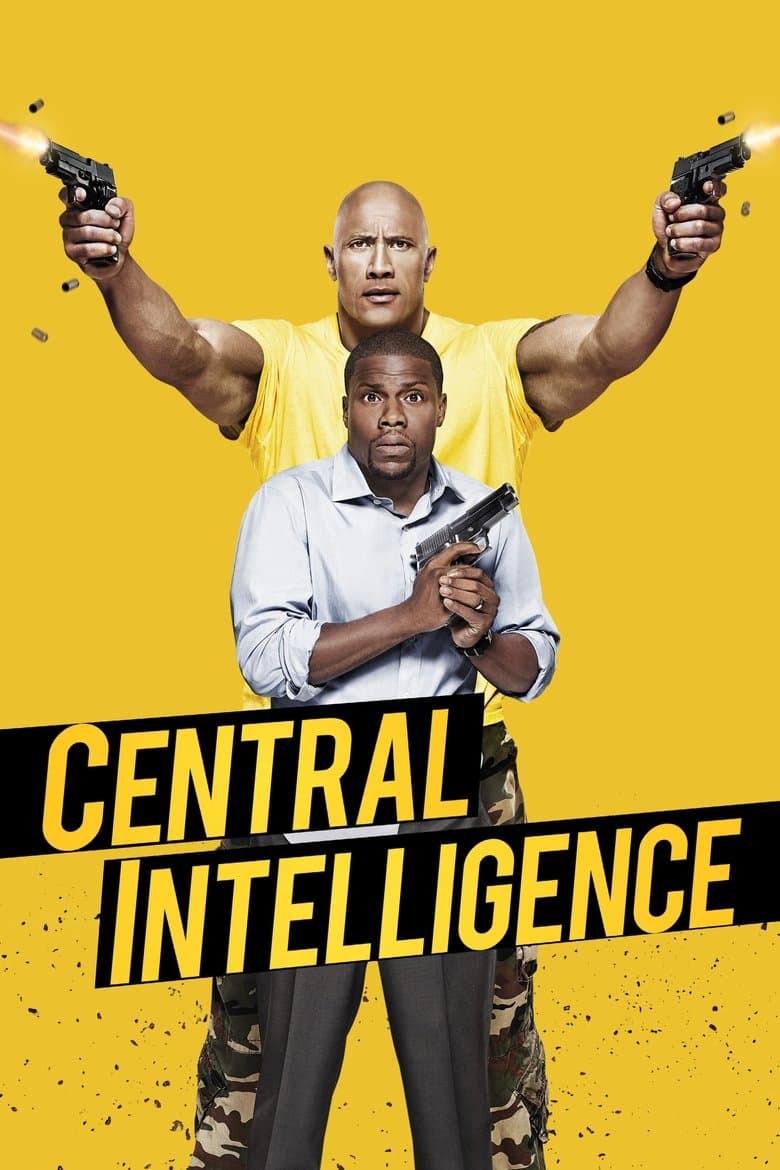
Calvin Joyner was a star athlete in high school. Twenty years later he works as an accountant and feels stuck in a plain life. His old classmate Bob Stone was once a bullied outsider and is now a strong CIA agent. Bob pulls Calvin into a spy case about stolen satellite codes and a hunt for a traitor. The movie is a loud buddy action comedy built on friendship, chases, and jokes.
The story stays on personal growth and thrills. Calvin works on his marriage and learns that a quiet life can still matter. Bob faces the bully who once shamed him and tries to clear his name. Their bond grows through fights, double crosses, and a race to stop a dangerous sale. Courage and loyalty drive the ending more than any group identity lesson.
Community feedback
Was our 4% Woke rating accurate?
Breakdown
These are the editorial factors and ratings behind our score for Central Intelligence.
Woke representation / casting
Not present. Casting of leads and supporting roles aligns naturally with a contemporary American high school and CIA setting; no audience-visible forced diversity, identity signaling, or story mismatches.
0%
Woke political dialogue
Not present. No explicit political, activist, or ideological dialogue occurs in the film.
0%
Identity-driven story themes
Not present. Narrative focuses on personal friendship, bullying recovery, and generic espionage adventure with zero identity politics or representation arcs.
0%
Western institutional / cultural critique
Not present. No modern activist reframing of institutions, gender roles, masculinity, or cultural systems; any institutional elements remain standard action-comedy tropes.
0%
Woke character or canon changes
Not relevant. (original story with no adaptations or reinterpretations).
0%
Anti-woke backlash and complaints
Not present. Zero documented backlash claiming woke, activist, identity-political, or left-wing messaging in reviews, news, or social media.
0%
Creator track record context
Most key creatives on this film have low activist profiles. Director Rawson Marshall Thurber scores very low and focuses on broad entertainment. Writers and producers sit mostly low to mild, with Ike Barinholtz higher for political satire and Scott Stuber higher for later inclusion advocacy. That mix is mild overall and does not show up as identity messaging in this movie.
18%
Production

Movie · 2021
An Interpol-issued Red Notice is a global alert to hunt and capture the world's most wanted. But when a daring heist brings together the FBI's top profiler and two rival…

Movie · 2018
Mermer family, who has been managing a restaurant called “Anatolian flavors” in Haydarpasa train station for generations, consist of 8 members.
Movie · 2016
A night guard at an armored car company in the Southern U.S. organizes one of the biggest bank heists in American history.

Movie · 2022
A case of mistaken identity forces a bumbling entrepreneur to team up with a notorious assassin known as The Man from Toronto in hopes of staying alive.

Movie · 2024
When the plots of reclusive author Elly Conway's fictional espionage novels begin to mirror the covert actions of a real-life spy organization, quiet evenings at home become a…

Movie · 2024
When 93-year-old Thelma Post gets duped by a phone scammer pretending to be her grandson, she sets out on a treacherous quest across the city to reclaim what was taken from her.

Movie · 2025
Fifteen years after vanishing from the CIA to start a family, elite spies Matt and Emily jump back into the world of espionage when their cover is blown.
Movie · 2016
A private eye investigates the apparent suicide of a fading porn star in 1970s Los Angeles and uncovers a conspiracy.
