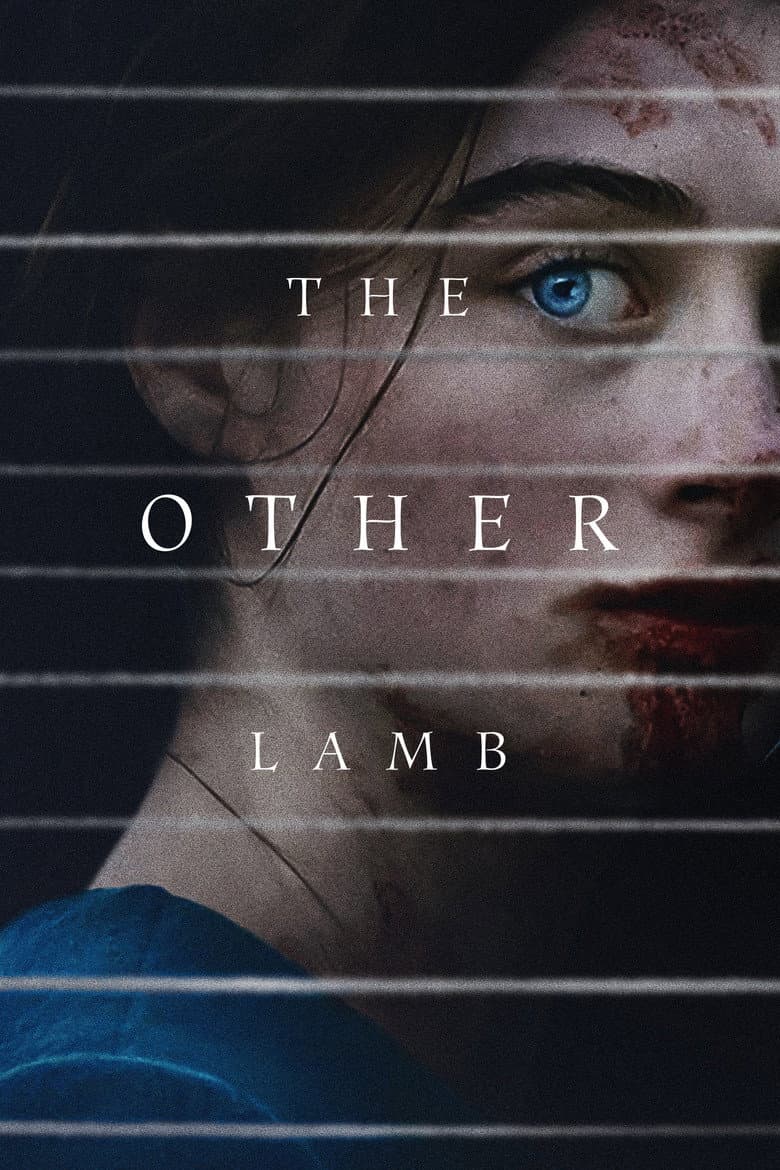
Selah is a teenage girl who has lived all her life in a remote forest cult. The group has only one man, Shepherd, who presents himself as a holy guide and treats the women as his wives and daughters. The group moves through the countryside after police order them to leave, and Selah starts to doubt the rules that shaped her life. Her visions, fear, and first period make the group’s hidden cruelty harder to ignore. The film has a slow, cold, and dreamlike horror tone.
The story centers on a man who controls women through faith, shame, sex, and fear. The women learn that menstruation makes them impure, while older wives are pushed aside when the leader wants younger women. Selah’s growing anger leads her to reject his claim over her body and future. The film presents her break from the group as a search for freedom and a challenge to male power. It also uses Christian images, female suffering, and female resistance to build its message about patriarchy and religious control.
Community feedback
Was our 63% Woke rating accurate?
Breakdown
These are the editorial factors and ratings behind our score for The Other Lamb.
Woke representation / casting
Not present. The cult has a mostly female group because the story is about that group. The film does not present the casting as a diversity campaign or an identity statement. The central male leader is also required by the story’s power structure.
0%
Woke political dialogue
The Shepherd repeatedly says that menstruating women are impure and calls older wives broken things. He uses religious rules to defend his control over the women. Sarah warns Selah that his attention feels good at first but later causes pain. Selah finally rejects his grace and says he is not their shepherd. The dialogue makes gender power and abuse clear, but it stays inside the cult story.
43%
Identity-driven story themes
The main story follows Selah as she breaks from a man who controls women’s bodies, sex, and future. The cult turns periods, age, marriage, and motherhood into tools of status and shame. The film gives the women’s fear, anger, and growing support for one another most of the emotional weight. Selah’s final refusal is the central payoff. The movie presents female freedom as the answer to male domination.
68%
Western institutional / cultural critique
The Shepherd copies Christian images and calls his control grace, purity, and salvation. The cult treats fatherhood, marriage, motherhood, and female obedience as tools of male power. The story links religious rules to sexual abuse, shame about periods, and violence against women. Selah rejects the family and faith system built by Shepherd. The film targets this abusive cult more than every church or Western institution.
57%
Woke character or canon changes
Not relevant. The movie is an original story about a fictional cult. It was adapted from the writer’s short story, but no identity-related change to its characters or central roles is reported.
0%
Anti-woke backlash and complaints
Not present. X searches found no anti-woke reaction. Other audience discussions focused on the slow pace, unclear ending, religious imagery, and abuse themes. No reliable anti-woke backlash or boycott campaign was found.
0%
Creator track record context
The director has a public feminist record and has supported women’s rights, gender equality, and transgender rights. Her interviews about this film name religion, patriarchy, hierarchy, menstruation, and female sexuality as key concerns. The writer has no clear activist record. The producers have mixed and mostly low or moderate cached scores.
38%
Production
Movie · 2025
A couple and their children move into a seemingly normal suburban home. When strange events occur, they begin to believe there is something else in the house with them.

Movie · 2016
While surfing on a secluded beach, Nancy finds herself in the feeding grounds of a great white shark. Though stranded only 200 yards from shore, survival proves to be the ultimate…
Movie · 2021
While exploring the neighboring woods, 13-year-old John discovers an unfinished bunker — a deep hole in the ground.
Movie · 2016
Paralyzed by his fear of dying, Miles Grissom takes out an advert offering $30,000 in reward money to the first person who can show him evidence of an angel, a demon, or prove…

Movie · 2019
Newlywed Jennifer is brutally attacked at a dark rest stop. While healing from her injuries, she can’t recall anything from her past, including the ordeal.
Movie · 2018
A disgraced children's puppeteer returns to his childhood home and is forced to confront his wicked stepfather and the secrets that have tortured him his entire life.
Movie · 2018
Failed architect, engineer and vicious murderer Jack narrates the details of some of his most elaborately orchestrated crimes, each of them a towering piece of art that defines…
Movie · 2021
In the late 19th century, a brutal land baron slaughters a Roma clan, unleashing a curse on his family and village.
