Movie review
August 11, 2017 · 91 min · PG · Kids · Animation · Comedy · Adventure · Family
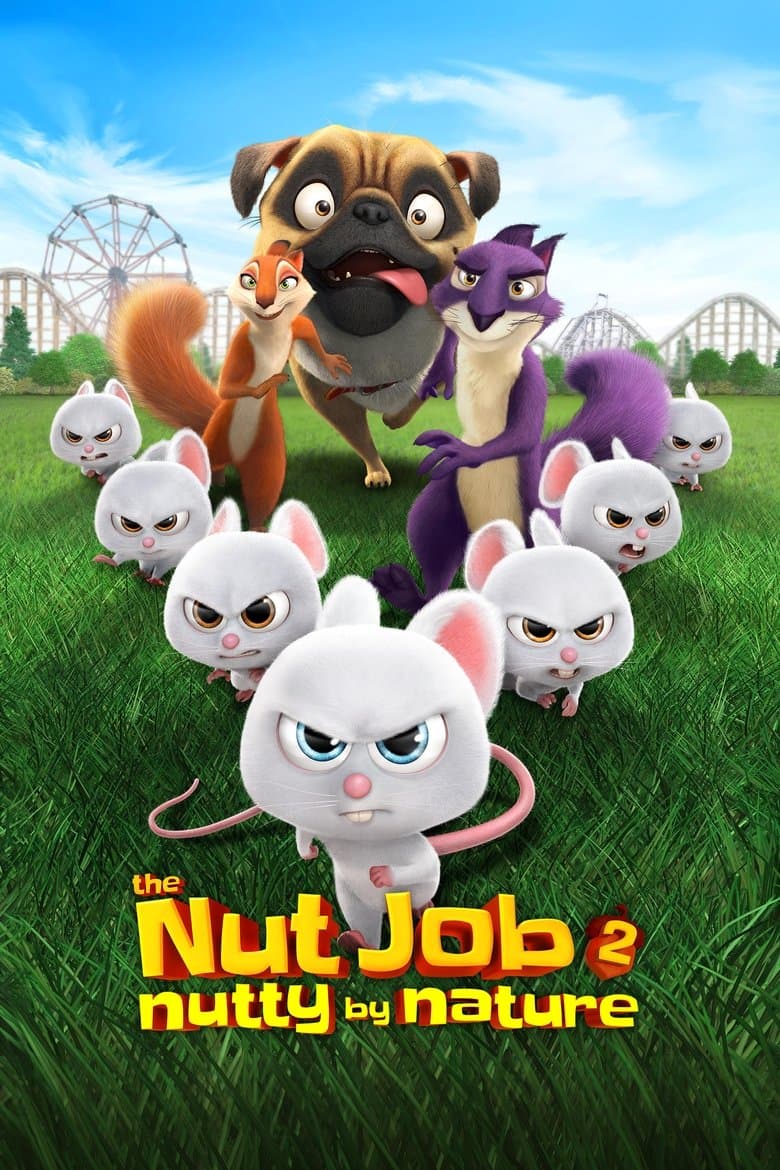
Surly Squirrel lives comfortably with his animal friends in the basement of a closed nut shop. After the shop explodes, the animals return to Liberty Park and discover that Mayor Muldoon wants to replace their home with a dangerous amusement park. Surly begins with reckless ideas, but he learns to lead the animals as a team. The movie uses fast action, slapstick humor, cartoon danger, and a simple family adventure story.
The mayor cares more about profit than homes, nature, or safety. The animals fight developers, animal control workers, and a wealthy town leader who wants their land. Mr. Feng and his kung fu mice join them after humans force the mice from their home. The story supports green space, teamwork, community care, and concern for the planet. These ideas drive the main conflict, but the movie presents them through animal comedy instead of a human identity debate.
Community feedback
Was our 36% Woke rating accurate?
Breakdown
These are the editorial factors and ratings behind our score for The Nut Job 2: Nutty by Nature.
Woke representation / casting
Not present. The movie uses talking animals. The voice cast is not presented as a diversity or identity statement. Andie and Precious are capable characters, but the story does not make their sex, race, or another identity part of its message.
0%
Woke political dialogue
The mayor presents Libertyland as a way to make more profit. The film shows campaign donors, unsafe construction, environmental damage, and animal control workers clearing the park. The animals answer with speeches about standing together against powerful leaders. The politics appear throughout the park conflict, but the dialogue stays simple and cartoon-like.
27%
Identity-driven story themes
The film treats the park animals as a displaced community with a shared home and a shared cause. Mr. Feng says people called his mice vermin, forced them out, and left no one to stand up for them. The animals then join across different groups. The animals say that they are in this together, which creates a mild group-solidarity message rather than a story about modern human identity groups.
18%
Western institutional / cultural critique
The mayor is a public official who uses his office to turn a shared park into a money-making project. The film links his profit plan to unsafe rides, environmental damage, campaign favors, and violent animal control. The animals fight back as a small community against business power and a corrupt leader. This criticism forms a major part of the central conflict, even though the story uses silly animal comedy.
45%
Woke character or canon changes
Not relevant. The sequel keeps Surly, Andie, Precious, Buddy, and the other established animal characters. Mr. Feng adds a new character to the story. The park conflict adds new events without changing an established character through an identity-driven alteration.
0%
Anti-woke backlash and complaints
Some conservative-leaning and family reviewers objected to the film’s environmentalist and political message. One family review called the political messages hard to miss. Another review called the movie an environmentalist film with slight New Age content. The complaints were scattered and did not become a large news or social-media fight.
14%
Creator track record context
The available records for the writers, casting director, and producers show mainstream family entertainment work. Those records do not show a notable activist, DEI, or identity-politics pattern. Brunker’s title interviews support the film’s environmental message. Those interviews do not show a wider activist track record.
7%
Production
Movie · 2023
A magical meteor crash lands in Adventure City and gives the PAW Patrol pups superpowers, transforming them into The Mighty Pups.
Movie · 2022
Decades since their successful television series was canceled, Chip has succumbed to a life of suburban domesticity as an insurance salesman.
Movie · 2021
Ryder and the pups are called to Adventure City to stop Mayor Humdinger from turning the bustling metropolis into a state of chaos.
Movie · 2019
A group of misfits encounter a young Yeti named Everest, and they set off to reunite the magical creature with his family on the mountain of his namesake.
Movie · 2024
Teenager Riley's mind headquarters is undergoing a sudden demolition to make room for something entirely unexpected: new Emotions!
Movie · 2023
After a migrating duck family alights on their pond with thrilling tales of far-flung places, the Mallard family embarks on a family road trip, from New England, to New York City…
Movie · 2017
Ferdinand, a little bull, prefers sitting quietly under a cork tree just smelling the flowers versus jumping around, snorting, and butting heads with other bulls.
Movie · 2016
While Po and his father are visiting a secret panda village, an evil spirit threatens all of China, forcing Po to form a ragtag army to fight back.
