Movie review
January 23, 2016 · 95 min · PG · Kids · Animation · Comedy · Action · Adventure · Family
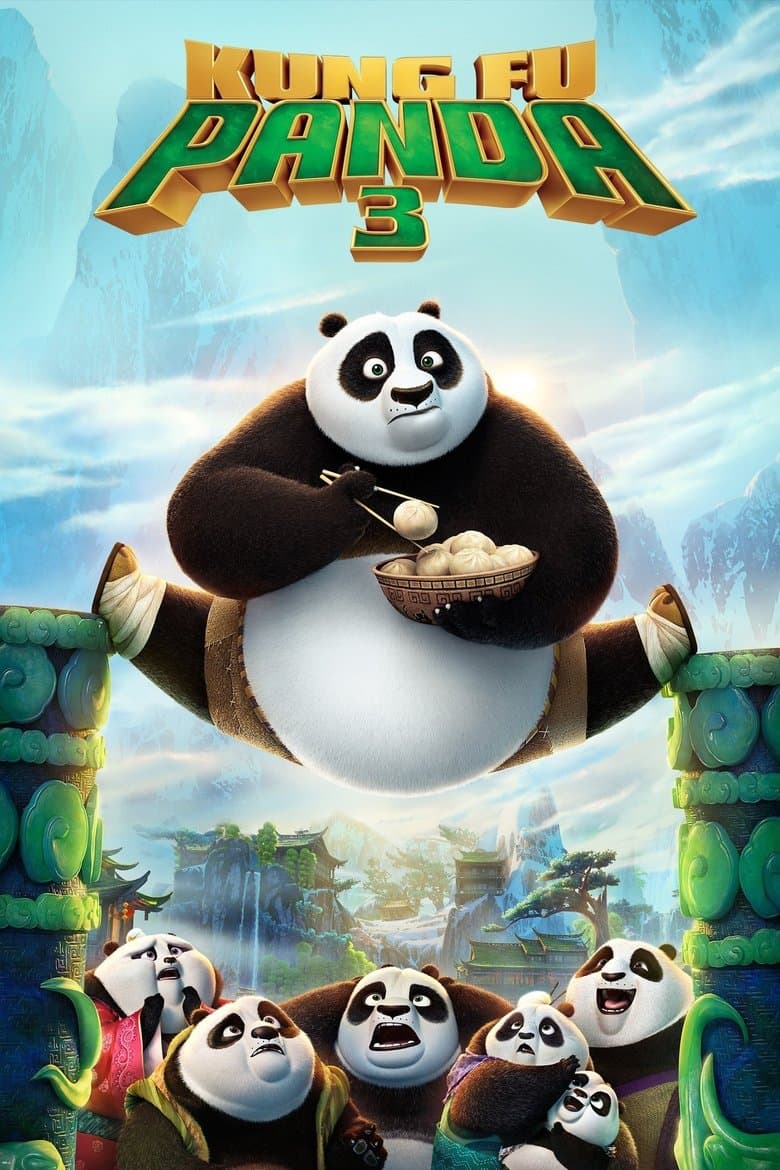
Po is a panda who lives in the Valley of Peace and serves as the Dragon Warrior. His teacher Shifu tells him to become a teacher, but Po doubts that he can lead the Furious Five. Po then meets Li Shan, his birth father, and visits a hidden panda village while the spirit warrior Kai steals chi, the life energy of kung fu masters, across China. The film uses bright animation, broad jokes, martial arts, and a warm family story as Po learns to fight in a new way.
The film gives Po two fathers, one biological and one adoptive, and treats both bonds as important. Po also learns from the panda village, while Tigress remains a top fighter and Mei Mei is shown as a confident female character who does not need Po's approval. The story says that family can come from birth, adoption, and a wider community. These ideas create a mild identity-driven message about family and self-acceptance, but the film does not turn them into a wider political argument.
Community feedback
Was our 20% Woke rating accurate?
Breakdown
These are the editorial factors and ratings behind our score for Kung Fu Panda 3.
Woke representation / casting
The film gives prominent roles to Tigress and Mei Mei, who are both presented as confident female characters. The directors said they wanted more strong female characters and a girl role model in Mei Mei. The film does not make race or ethnic identity a casting message, and its animal cast matches the fantasy world. The casting signal remains small and mostly limited to female empowerment framing.
12%
Woke political dialogue
Not present. All dialogue centers on family, courage, self-belief, and chi mastery with zero activist language or modern political references.
0%
Identity-driven story themes
Po is raised by an adoptive father and later reunites with his biological father. The story treats both bonds as real and says that family can come from birth, adoption, and a wider community. Po also learns to accept his different family ties and his own strengths. The message is clear, but it stays personal and does not become a broad identity-politics argument.
17%
Western institutional / cultural critique
The film gives a positive place to a family made from a biological father, an adoptive father, and a son. The two fathers learn to work together instead of competing for control of Po. This family model mildly challenges the idea that a child must have only one proper father. The story does not attack marriage, mothers, religion, or Western institutions.
10%
Woke character or canon changes
Not present in this title.
0%
Anti-woke backlash and complaints
Some Italian parents and commentators called the film a “gender” message because Po has two fathers. Three parents refused to let their children attend a school screening, and the planned trip was canceled. Other Italian coverage said the men are not a couple and are instead Po's biological and adoptive fathers. The backlash was real but local and fringe, so it supports only a small score.
16%
Creator track record context
Guillermo del Toro's cached context connects him with support for outsiders and minority representation. Melissa Cobb's cached context connects her with increasing women's roles in animation and promoting inclusive storytelling. Jennifer Yuh Nelson has a smaller cached link to diversity discussions, while most other listed creators have low or zero cached scores. The title interviews focus on family, personal growth, and female characters, so the track record adds only a small context signal.
20%
Production
Movie · 2016
After the monstrous Bergens invade Troll Village, Princess Poppy, the happiest Troll ever born, and overly-cautious, curmudgeonly outcast Branch set off on a journey to rescue her…
Movie · 2017
Gru and his wife Lucy must stop former '80s child star Balthazar Bratt from achieving world domination.
Movie · 2016
When the galaxy comes under the threat of a nefarious space captain, a mechanic and his newfound robot ally join an elite squad of combatants to save the universe.
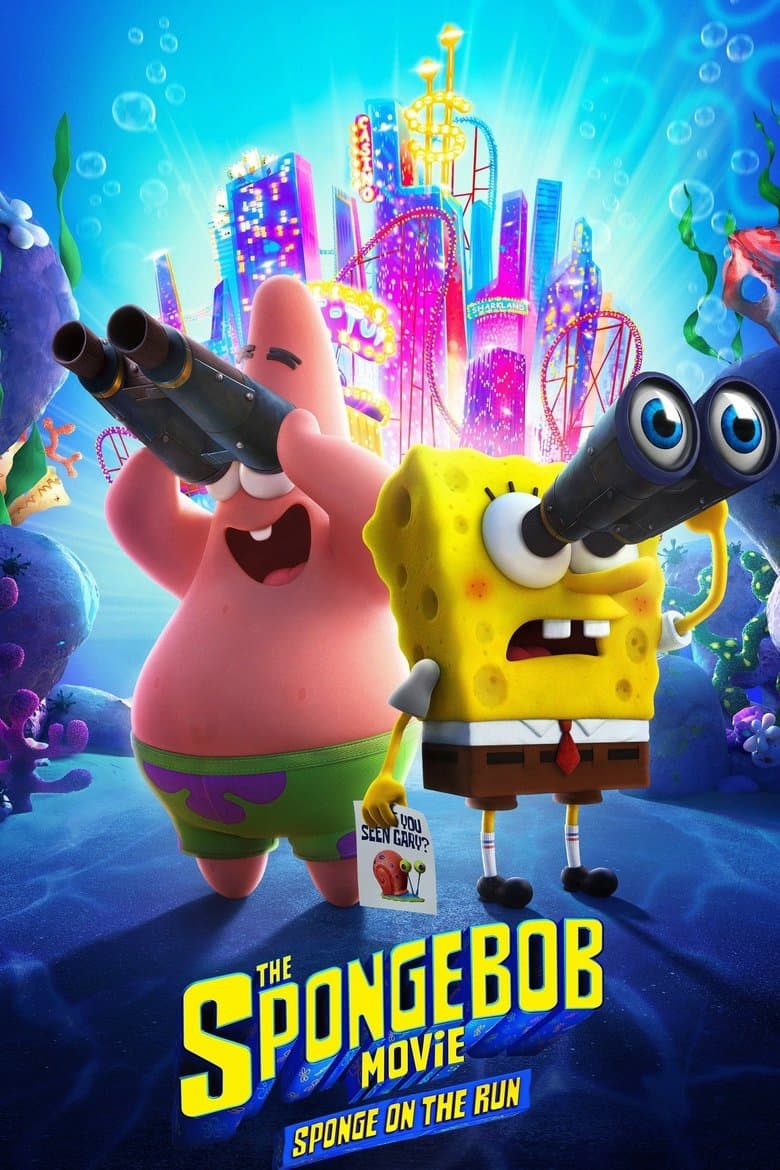
Movie · 2020
When his best friend Gary is suddenly snatched away, SpongeBob takes Patrick on a madcap mission far beyond Bikini Bottom to save their pink-shelled pal.
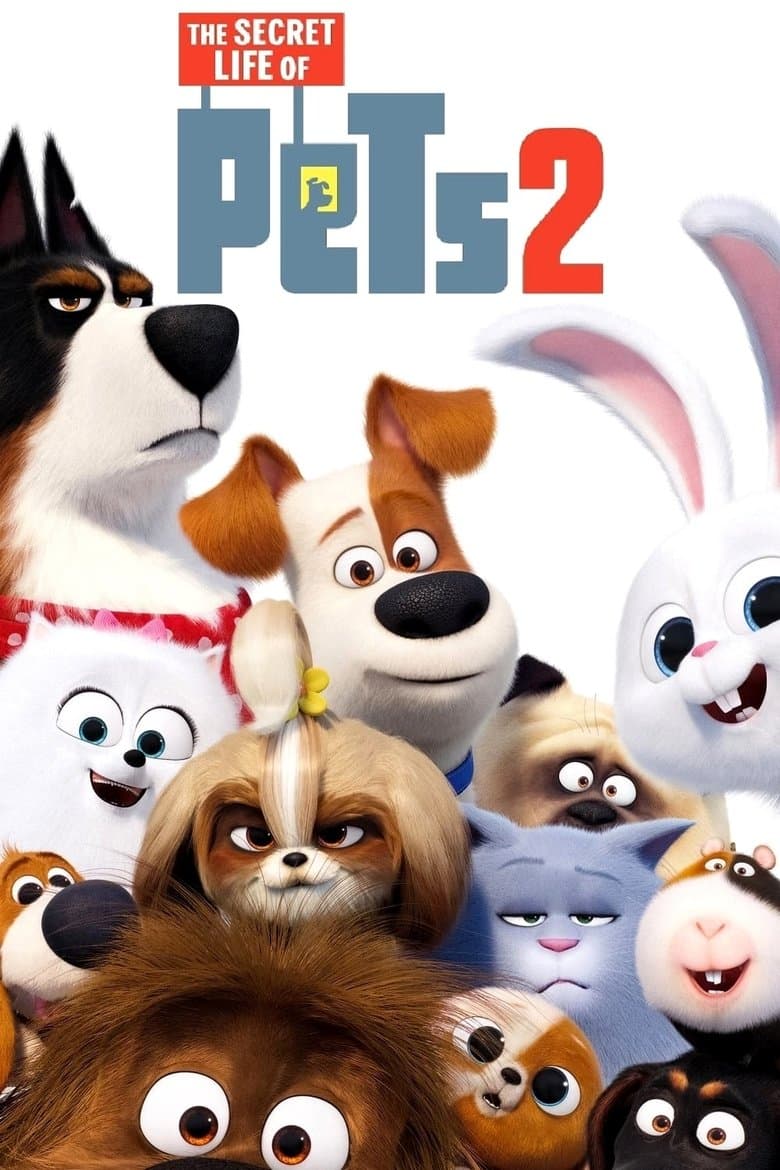
Movie · 2019
Max the terrier must cope with some major life changes when his owner gets married and has a baby. When the family takes a trip to the countryside, nervous Max has numerous…
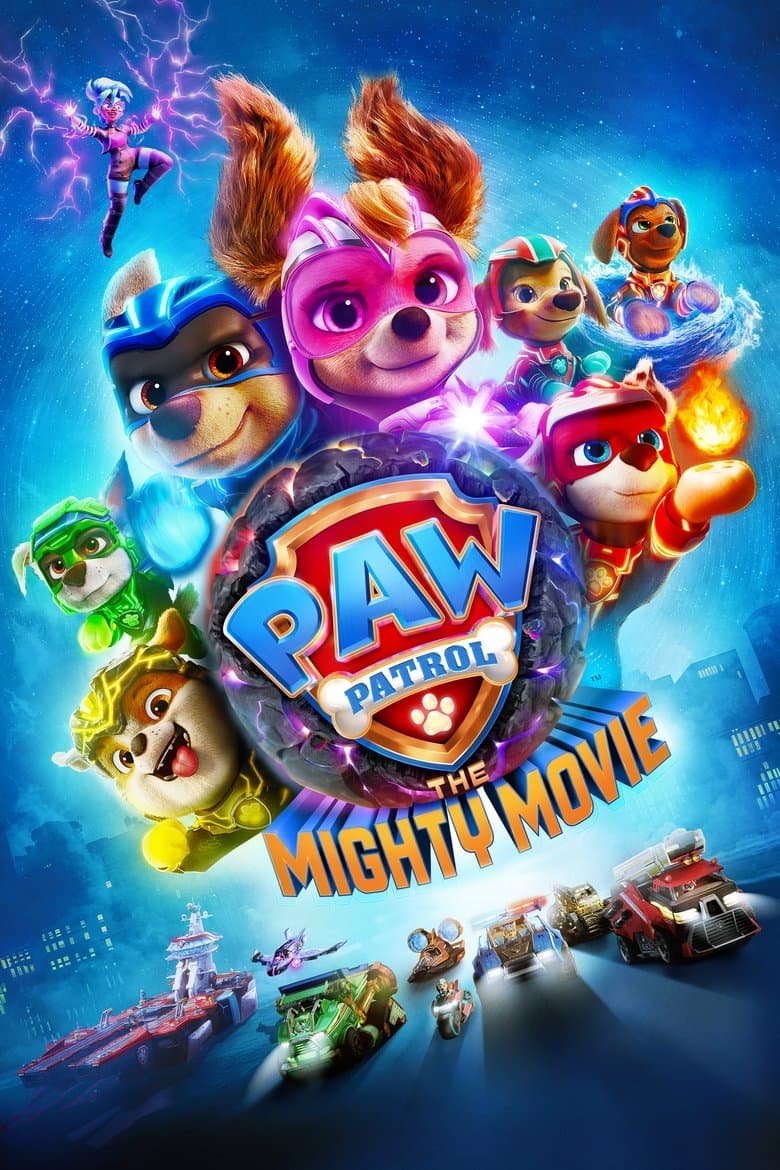
Movie · 2023
A magical meteor crash lands in Adventure City and gives the PAW Patrol pups superpowers, transforming them into The Mighty Pups.
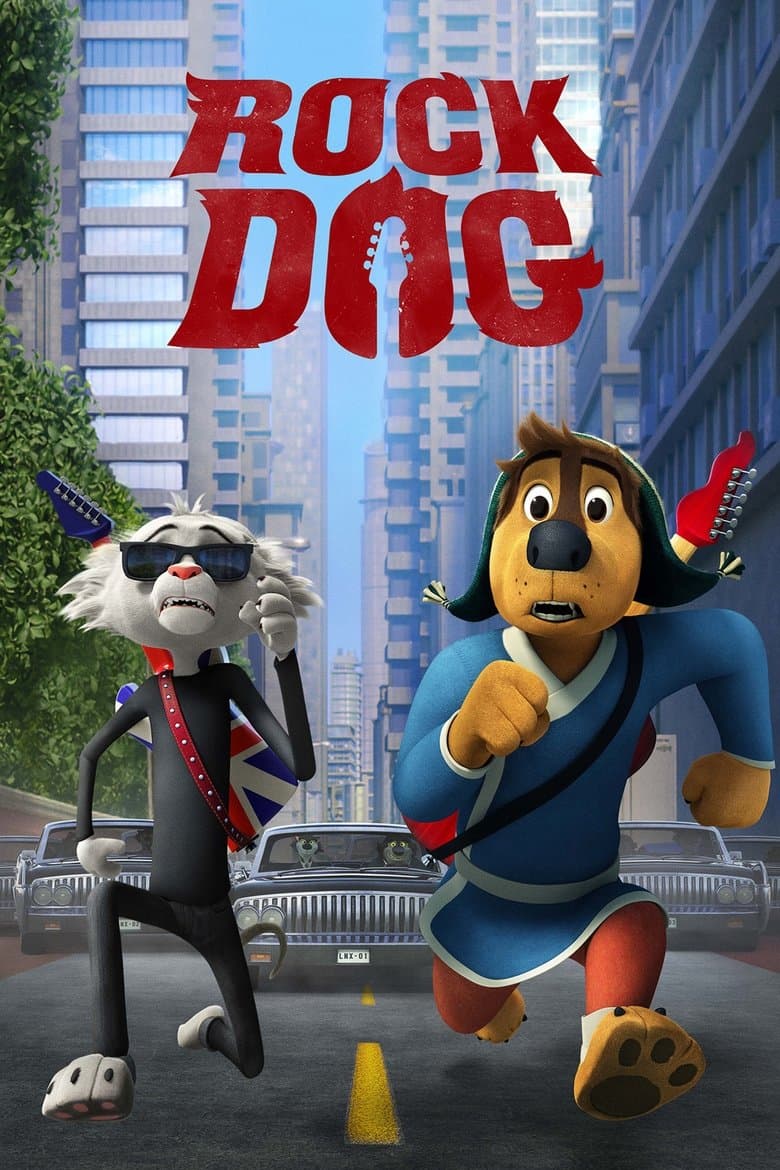
Movie · 2016
When a radio falls from the sky into the hands of a wide-eyed Tibetan Mastiff, he leaves home to fulfill his dream of becoming a musician, setting into motion a series of…
Movie · 2024
Teenager Riley's mind headquarters is undergoing a sudden demolition to make room for something entirely unexpected: new Emotions!
