Movie review
December 9, 2017 · 108 min · PG · Kids · Animation · Comedy · Adventure · Family
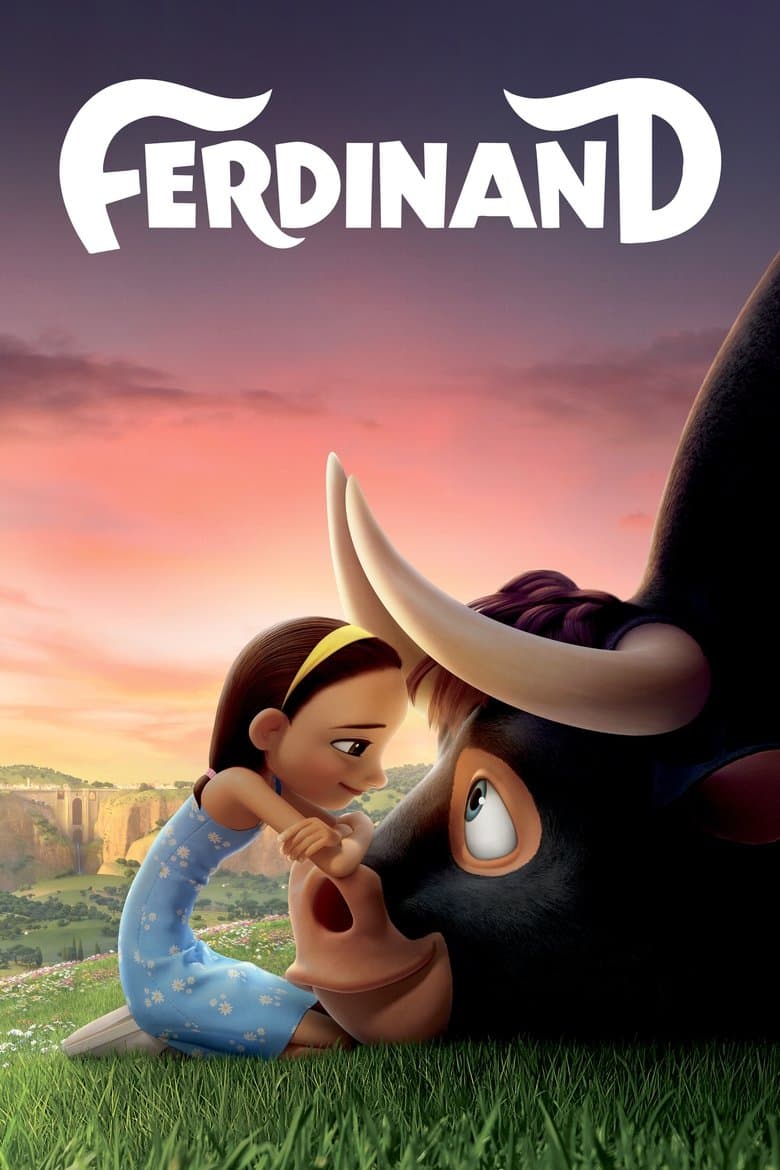
Ferdinand is a huge Spanish bull who would rather smell flowers than fight. After his father is chosen for a bullfight and does not return, Ferdinand runs from the bull ranch and grows up on a flower farm with Nina. A mistake sends him back to the ranch, where he must face a deadly ring, a proud matador, and the bulls who once mocked him. The colorful comedy follows his escape with a goat and three hedgehogs and ends with a gentle answer to a cruel tradition.
The film gives its clearest social message to Ferdinand’s refusal to act like a tough bull. The other bulls treat strength, anger, and fighting as proof of worth, while Ferdinand shows kindness, fear, and sadness without losing his courage. The story supports staying true to yourself, accepting outsiders, and solving danger without violence. Those ideas are easy to notice, but they come from the old children’s book and stay broad rather than becoming a modern race, gender, or sexuality campaign.
Community feedback
Was our 19% Woke rating accurate?
Breakdown
These are the editorial factors and ratings behind our score for Ferdinand.
Woke representation / casting
Not present in this title.
0%
Woke political dialogue
Not present in this title.
0%
Identity-driven story themes
The film makes Ferdinand a male bull who rejects the tough, fighting role expected of him. The other bulls treat anger and combat as proof of worth, while Ferdinand treats kindness and self-control as strengths. The story links this choice to being true to yourself and accepting those who are different. The message is clear, but it is broad, child-friendly, and rooted in the 1936 book rather than a modern identity campaign.
24%
Western institutional / cultural critique
The film presents the bull ranch and bullfighting ring as cruel systems that force animals into violence. The bulls are pressured to prove themselves through strength and aggression, which gives the story a mild critique of macho social rules. The story favors compassion and escape over this Spanish tradition. The critique stays tied to animal welfare and the old source story, with no wider attack on Western society or institutions.
15%
Woke character or canon changes
Not relevant. The film expands the short book with new adventure beats and characters for feature length but makes no identity-driven or DEI-style alterations to the source story or any real figures.
0%
Anti-woke backlash and complaints
Not present. No notable right-leaning or anti-woke complaints exist that treat the film as pushing woke, DEI, or identity politics; reception stayed focused on family entertainment value.
0%
Creator track record context
The director, Carlos Saldanha, says the film is about being true to yourself, accepting difference, and choosing kindness over violence. He also describes Ferdinand as living in a macho world where bulls are expected to be strong fighters. Writer Tim Federle has a separate record of LGBTQ youth books and is openly gay. The other cached key creators are mainly mainstream family-film workers.
16%
Production
Movie · 2024
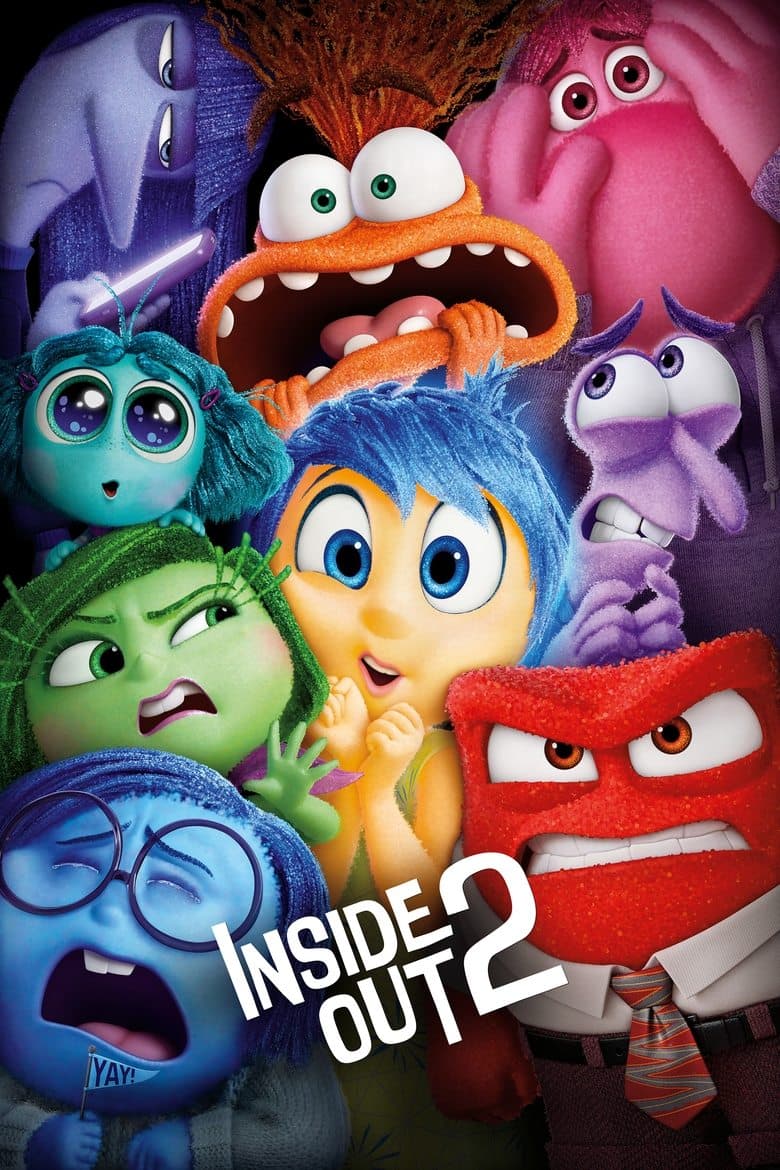
Teenager Riley's mind headquarters is undergoing a sudden demolition to make room for something entirely unexpected: new Emotions!

Movie · 2024
Garfield, the world-famous, Monday-hating, lasagna-loving indoor cat, is about to have a wild outdoor adventure!

Movie · 2017
Six young ninjas are tasked with defending their island home of Ninjago. By night, they’re gifted warriors using their skill and awesome fleet of vehicles to fight villains and…
Movie · 2022
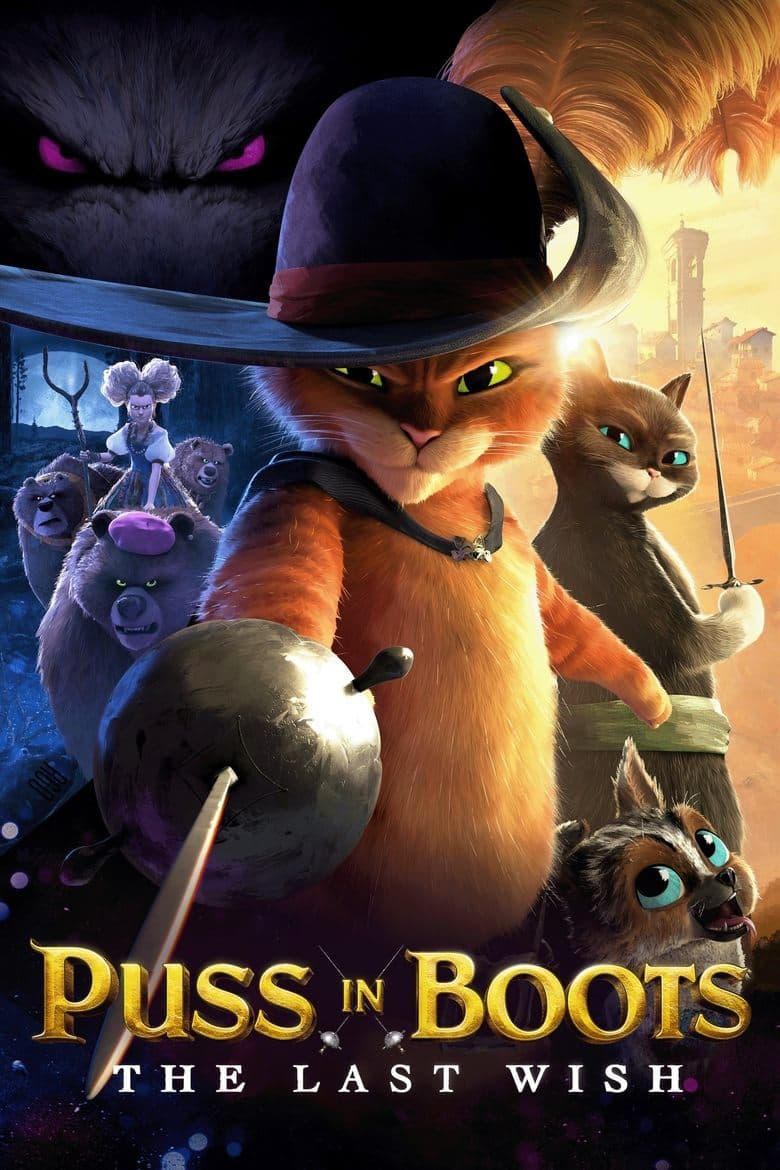
Puss in Boots discovers that his passion for adventure has taken its toll: He has burned through eight of his nine lives, leaving him with only one life left.
Movie · 2024
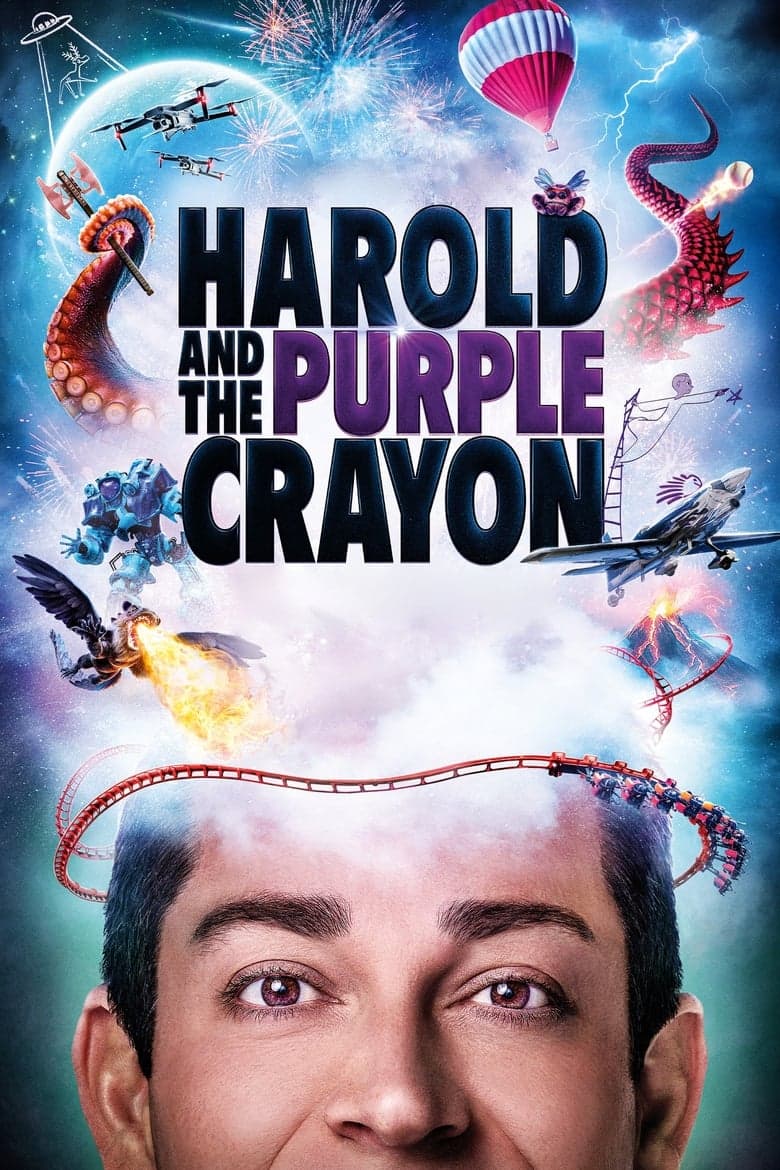
Inside of his book, adventurous Harold can make anything come to life simply by drawing it. After he grows up and draws himself off the book's pages and into the physical world…
Movie · 2018
Peter Rabbit's feud with Mr. McGregor escalates to greater heights than ever before as they rival for the affections of the warm-hearted animal lover who lives next door.
Movie · 2024
Porky and Daffy, the classic animated odd couple, turn into unlikely heroes when their antics at the local bubble gum factory uncover a secret alien mind control plot.

Movie · 2016
When a radio falls from the sky into the hands of a wide-eyed Tibetan Mastiff, he leaves home to fulfill his dream of becoming a musician, setting into motion a series of…
