Movie review
May 20, 2022 · 99 min · PG · Kids · Animation · Comedy · Mystery · Adventure · Family
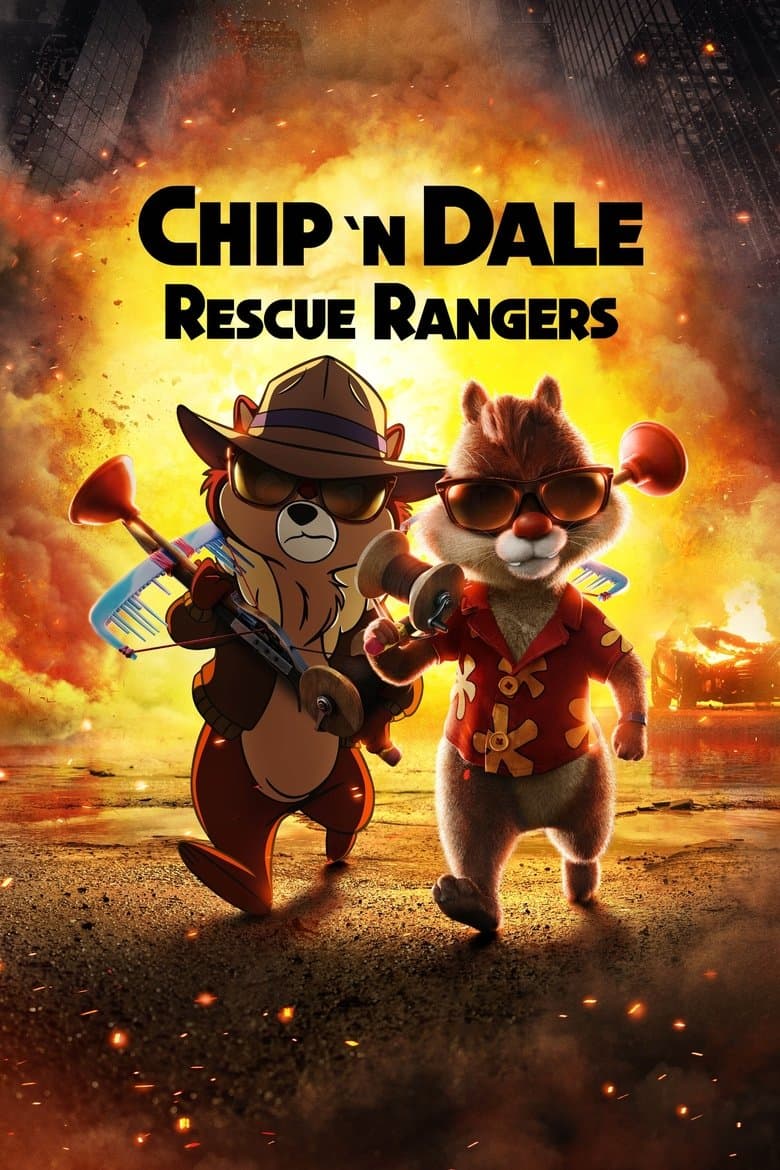
Chip and Dale are two chipmunk stars whose old kids show ended years ago. Chip sells insurance and stays 2D. Dale gets flashy CGI surgery and works fan cons. When their friend Monterey Jack vanishes, they team up again in a world where cartoons live next to real people. The tone is silly, meta comedy mixed with a buddy-cop mystery.
The story is about broken friendship, fame, and saving Monty from a crime ring that steals and “bootlegs” cartoon stars. Viewers mainly see Hollywood jokes, cartoon cameos, and a light adventure. The main human helper is Ellie, a young black woman police officer who is a huge Rescue Rangers fan; she helps the case and has a small “prove herself at work” arc. That is the clearest identity-adjacent note most people would notice. There is no strong activist plot, race or gender swap of Chip and Dale, or queer storyline. Dale’s CGI look is played as a plastic-surgery-style fame joke, not as identity politics. Normal viewers would read this as a fun nostalgia buddy film, not a message movie.
Community feedback
Was our 13% Woke rating accurate?
Breakdown
These are the editorial factors and ratings behind our score for Chip 'n Dale: Rescue Rangers.
Woke representation / casting
Ellie Steckler is a clear, on-screen black woman rookie cop in a big supporting human role next to mostly male cartoon leads. That fits light modern “diverse supporting lead” casting, but she is a new character, not a race swap, and her job fits a present-day LA cop story. Other diversity is light and not the film’s marketing center. Noticeable to some, not a hard-to-miss quota showcase.
17%
Woke political dialogue
Dialogue is buddy banter, meta Hollywood jokes, and kid-friendly slapstick. No sustained activist speeches about race, gender, privilege, or social justice. Ellie’s “prove myself as a young officer” beat is mild workplace story, not political lecturing.
0%
Identity-driven story themes
The engine of the plot is friendship, guilt, fame, and rescuing Monty from bootleggers. Dale’s CGI look and Ugly Sonic are jokes about animation and redesigns, not identity politics. Ordinary “be a good friend / accept each other” themes do not read as modern identity activism.
5%
Western institutional / cultural critique
Soft satire of Hollywood, reboots, fan culture, and illegal knockoffs. It mocks fame and industry messiness more than it attacks Western faith, family, or “toxic masculinity” as a political target. Not a strong activist institutional critique.
5%
Woke character or canon changes
Not relevant. Chip and Dale stay male chipmunk leads. Gadget and Zipper are married with kids as a hetero comedy beat. Dale’s CGI look is a meta/plastic-surgery joke, not an identity rewrite of the original show.
0%
Anti-woke backlash and complaints
No large, documented anti-woke campaign against the film. Fringe or early “is CGI surgery a trans metaphor?” worry existed and was largely dismissed by content reviews. Major public fights were about Sweet Pete / Bobby Driscoll and IP satire, which are not anti-woke DEI complaints.
4%
Creator track record context
Key creatives score low on the cached list (mostly silly comedy and studio craft). Director and writers are known for spoof and buddy humor, not identity-driven activism. That matches a low-agenda title.
8%
Production
Movie · 2024
Garfield, the world-famous, Monday-hating, lasagna-loving indoor cat, is about to have a wild outdoor adventure!
Movie · 2019
Max the terrier must cope with some major life changes when his owner gets married and has a baby. When the family takes a trip to the countryside, nervous Max has numerous…
Movie · 2020
When his best friend Gary is suddenly snatched away, SpongeBob takes Patrick on a madcap mission far beyond Bikini Bottom to save their pink-shelled pal.
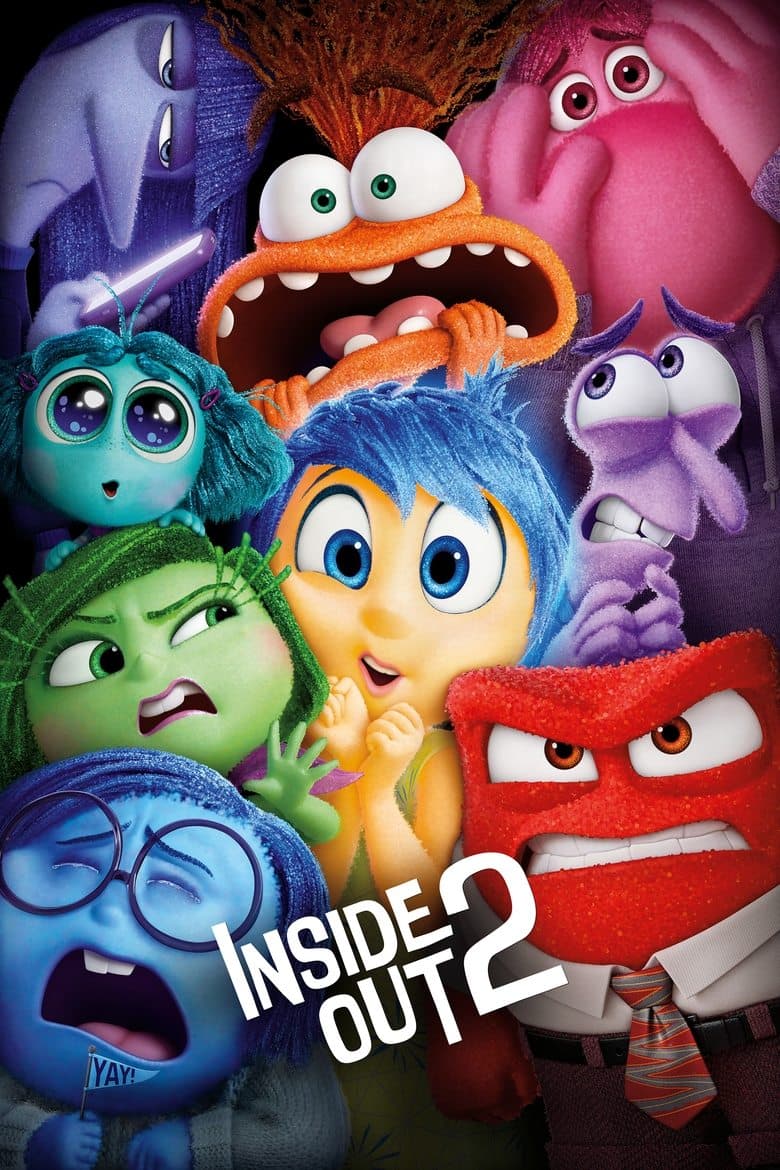
Movie · 2024
Teenager Riley's mind headquarters is undergoing a sudden demolition to make room for something entirely unexpected: new Emotions!
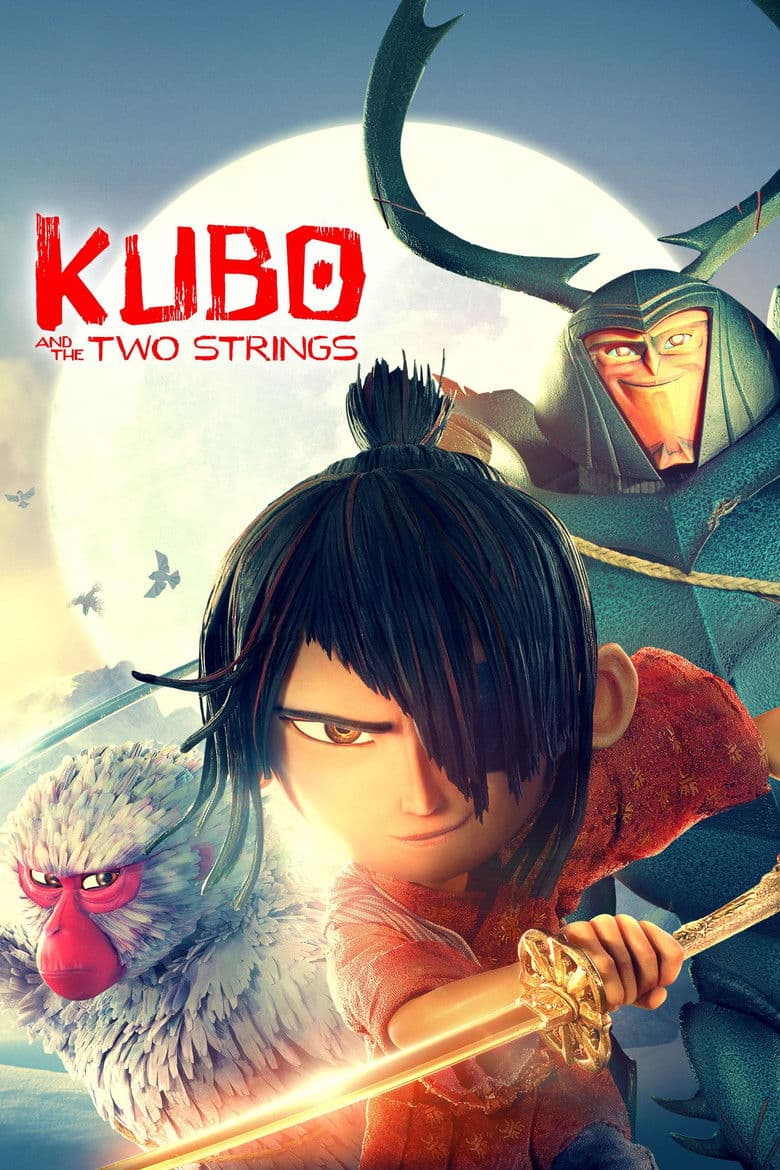
Movie · 2016
Kubo mesmerizes the people in his village with his magical gift for spinning wild tales with origami. When he accidentally summons an evil spirit seeking vengeance, Kubo is forced…
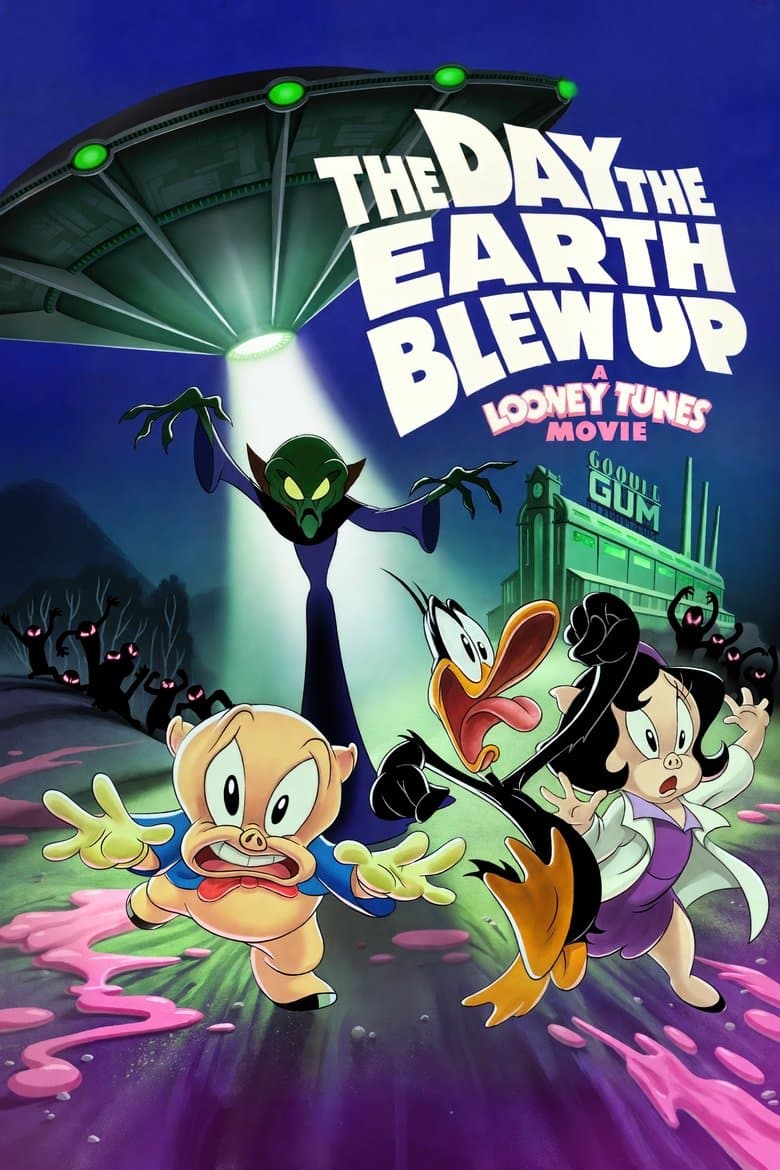
Movie · 2024
Porky and Daffy, the classic animated odd couple, turn into unlikely heroes when their antics at the local bubble gum factory uncover a secret alien mind control plot.
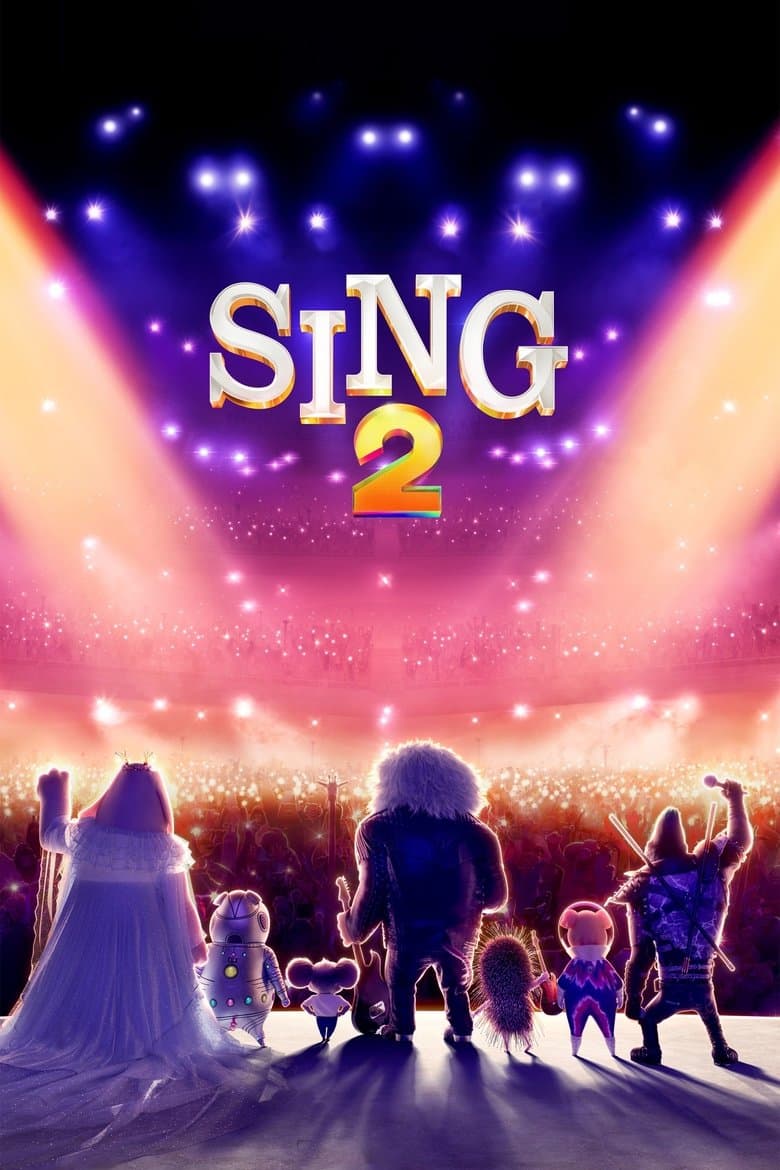
Movie · 2021
Buster and his new cast now have their sights set on debuting a new show at the Crystal Tower Theater in glamorous Redshore City.
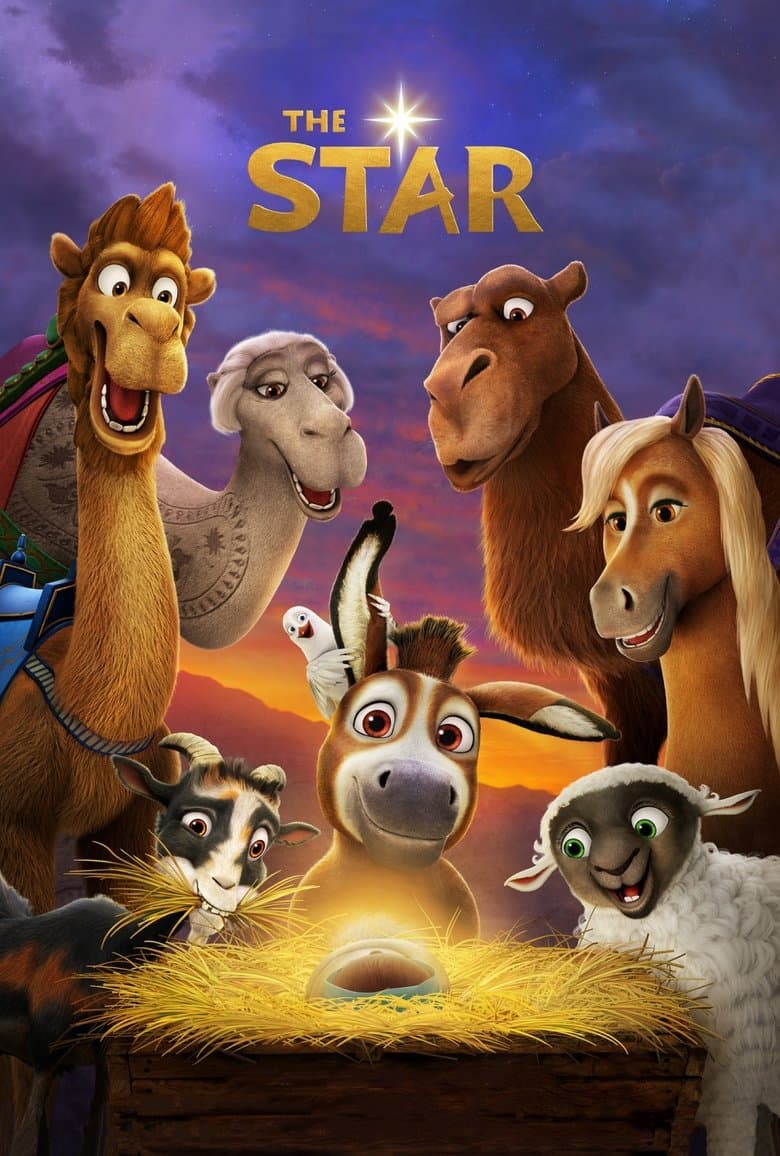
Movie · 2017
A small but brave donkey and his animal friends become the unsung heroes of the greatest story ever told: the first Christmas.
