
The Munsters is a bright, silly comedy about how Herman and Lily meet before the old television show begins. Herman is a huge green creature made in a lab, while Lily is a 150-year-old vampire who wants true love. Lily's father, the Count, dislikes Herman and tries to stop their romance. A trick by Lily's werewolf brother costs the couple their castle and sends them from Transylvania to California.
The film follows Herman and Lily as they date, marry, and search for a home where their strange family can fit in. Lily chooses Herman because she likes his kind heart and silly humor, even when her father calls him a fool. Herman tries to support the home and become a star, while Lily helps deal with the family's money and travel problems. The tone stays colorful, gentle, and full of monster jokes, old songs, family arguments, and playful romance.
Community feedback
Was our 23% Woke rating accurate?
Breakdown
These are the editorial factors and ratings behind our score for The Munsters.
Woke representation / casting
Tomas Boykin plays Lester, Lily's brother, while the old show used a white actor for the role. Jorge Garcia also plays Floop, a major supporting friend. The choices make the fantasy cast more visibly diverse, but the movie does not present them as a diversity message.
27%
Woke political dialogue
Not present. The dialogue uses monster jokes, dating jokes, family arguments, and old-fashioned romance talk. It does not push modern identity, gender-role, DEI, or activist ideas.
0%
Identity-driven story themes
Not present. The story centers on romance, family arguments, a bad business deal, and a move to a new home. The monsters' odd looks support the comedy and do not become a modern identity campaign.
0%
Western institutional / cultural critique
Not present. The film pokes fun at fame, rich schemes, suburban neighbors, and family pride. It does not turn those jokes into a modern attack on Western institutions, Christianity, capitalism, or traditional family life.
0%
Woke character or canon changes
The film gives the established character Lester to black actor Tomas Boykin, while the old show used a white actor. Lester remains Lily's brother and a dishonest werewolf, so the change does not alter his story role. The race change is visible and affects a meaningful side plot, but it is not the movie's main theme.
25%
Anti-woke backlash and complaints
Not present. Public complaints focused on weak jokes, slow pacing, bright colors, and poor faithfulness to the old sitcom. One review and one small X account said the film avoided woke material, but neither said the movie was pushing it.
0%
Creator track record context
Rob Zombie's record centers on horror, music, anti-authority themes, animal rights, and opposition to cancel culture, not identity activism. Allan Burns helped create Mary Richards, an independent working woman, and supported women's safety work. Burns adds some gender-progressive context, but he was the older source creator rather than the active writer or director of this film. The casting directors have no known activist record.
18%
Production
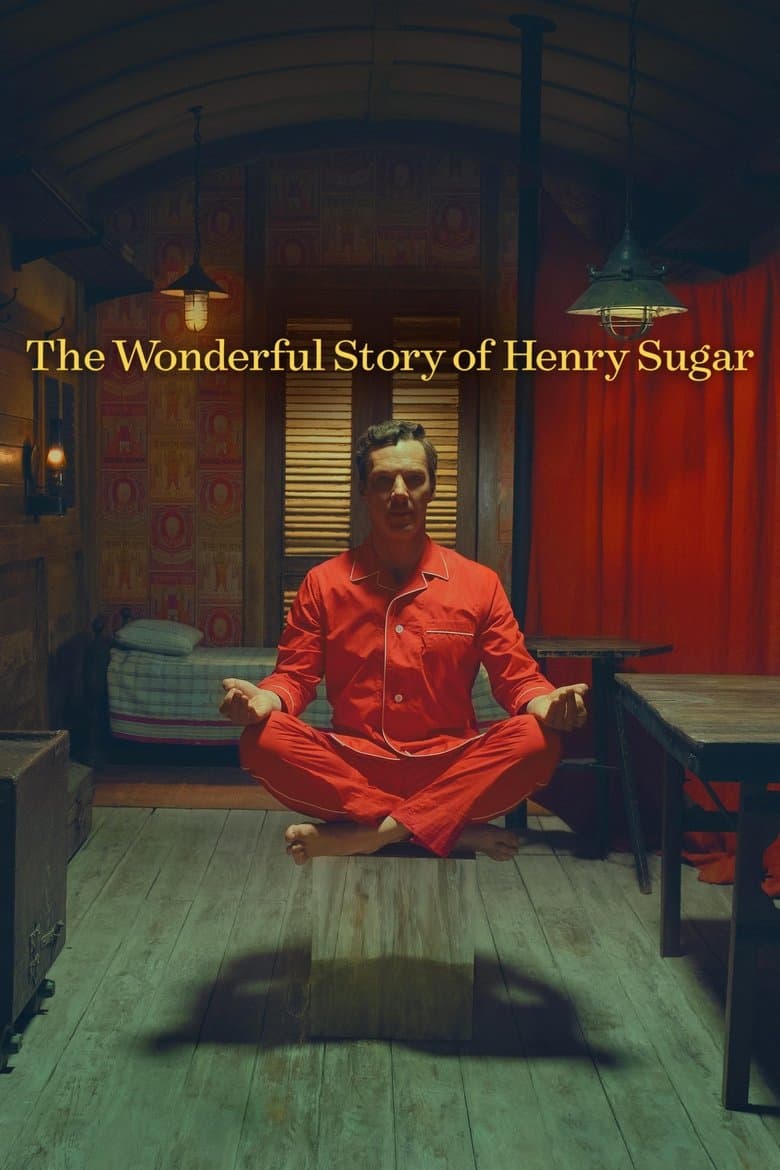
Movie · 2023
A rich man learns about a guru who can see without using his eyes. He sets out to master the skill in order to cheat at gambling.
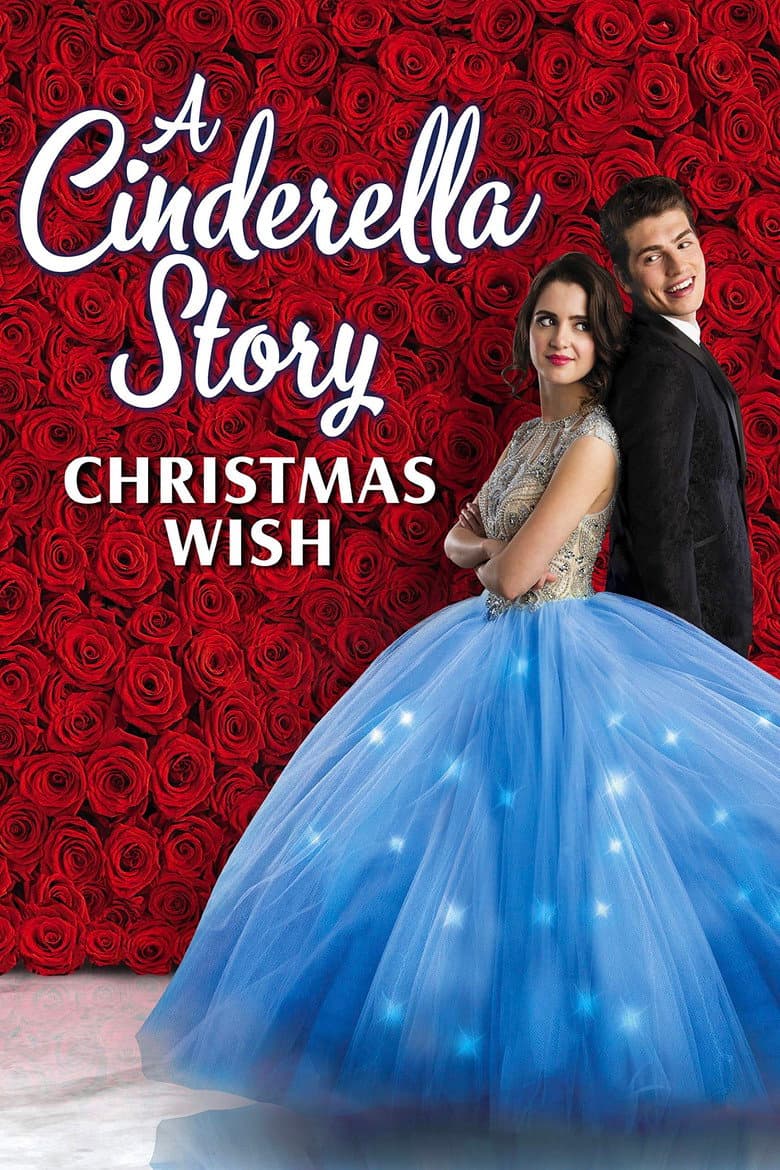
Movie · 2019
Kat is an aspiring singer-songwriter who dreams of making it big. However, her dreams are stalled by her reality: a conniving and cruel stepfamily and a demoralizing job working…
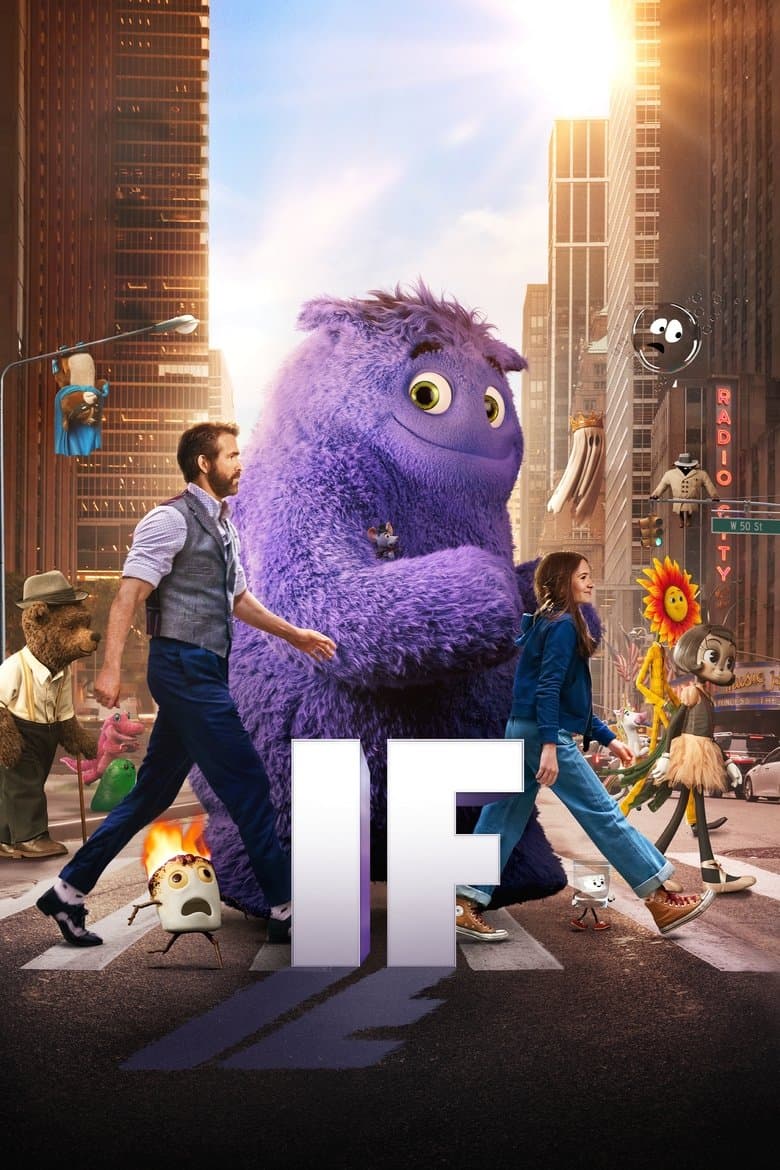
Movie · 2024
After discovering she can see everyone's imaginary friends, a girl embarks on a magical adventure to reconnect forgotten imaginary friends with their kids.
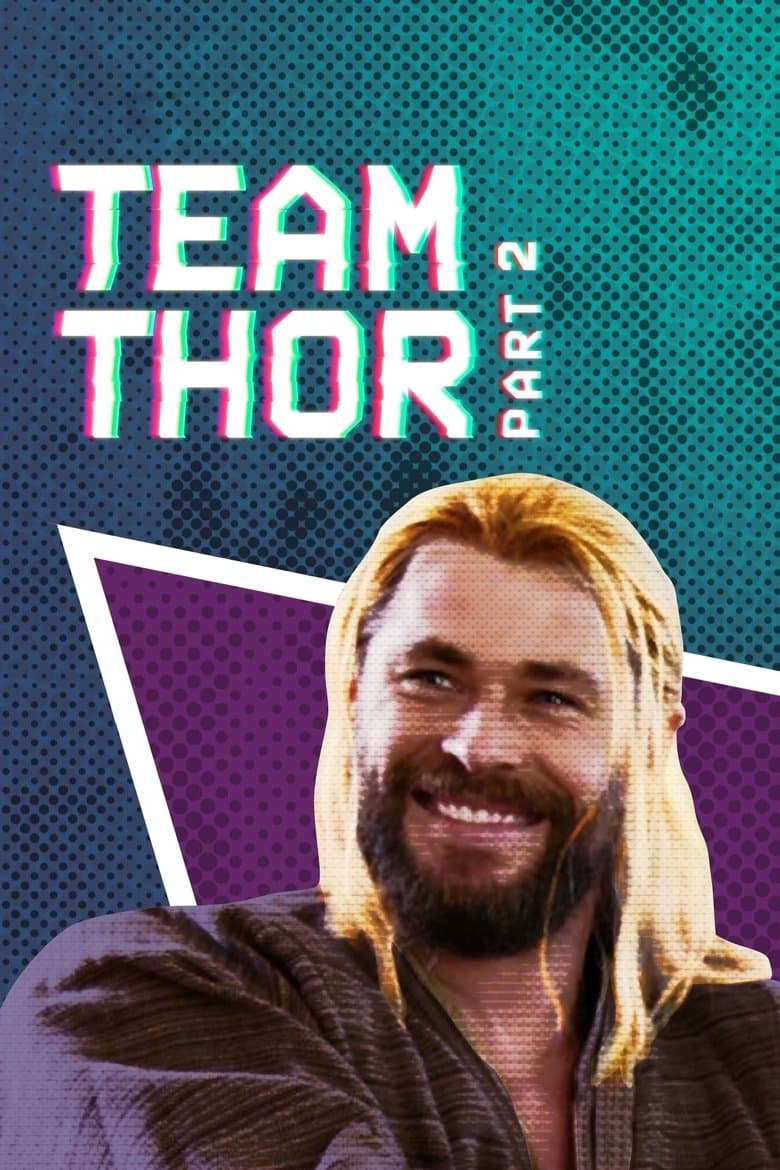
Movie · 2017
A continuation of the documentary spoof of what Thor and his roommate Darryl were up to during the events of "Captain America: Civil War".
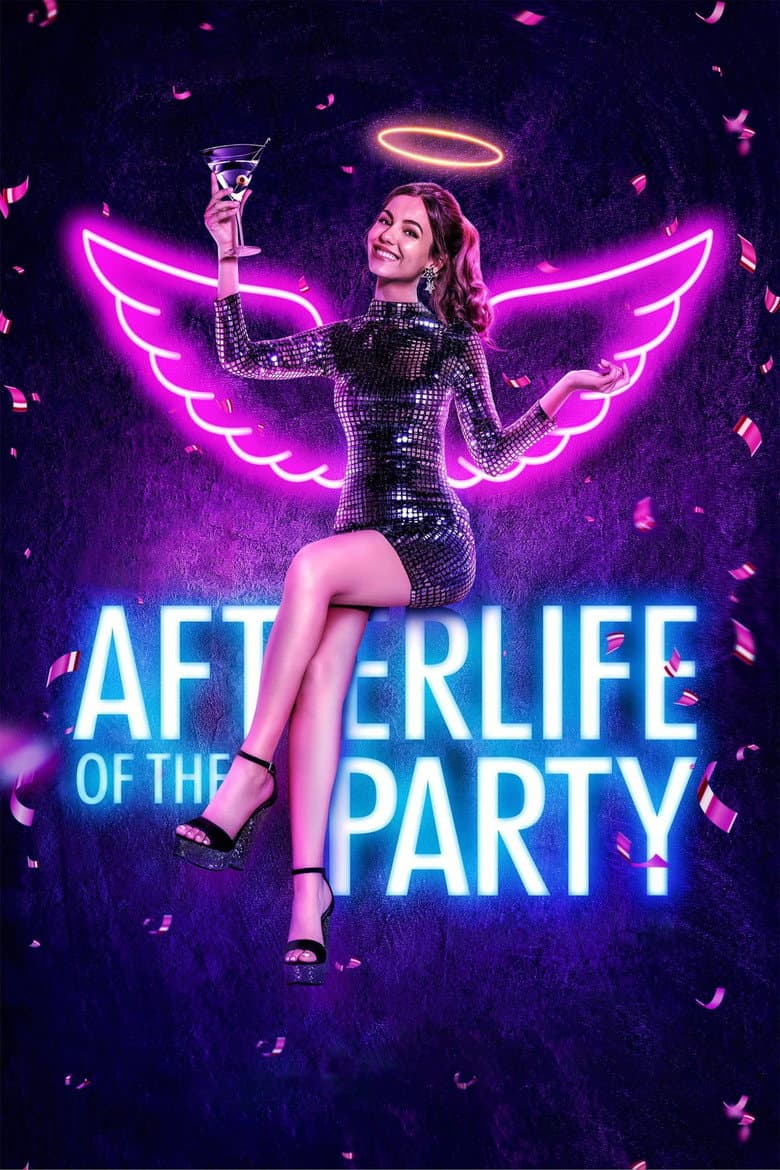
Movie · 2021
A social butterfly who dies during her birthday week is given a second chance to right her wrongs on Earth.
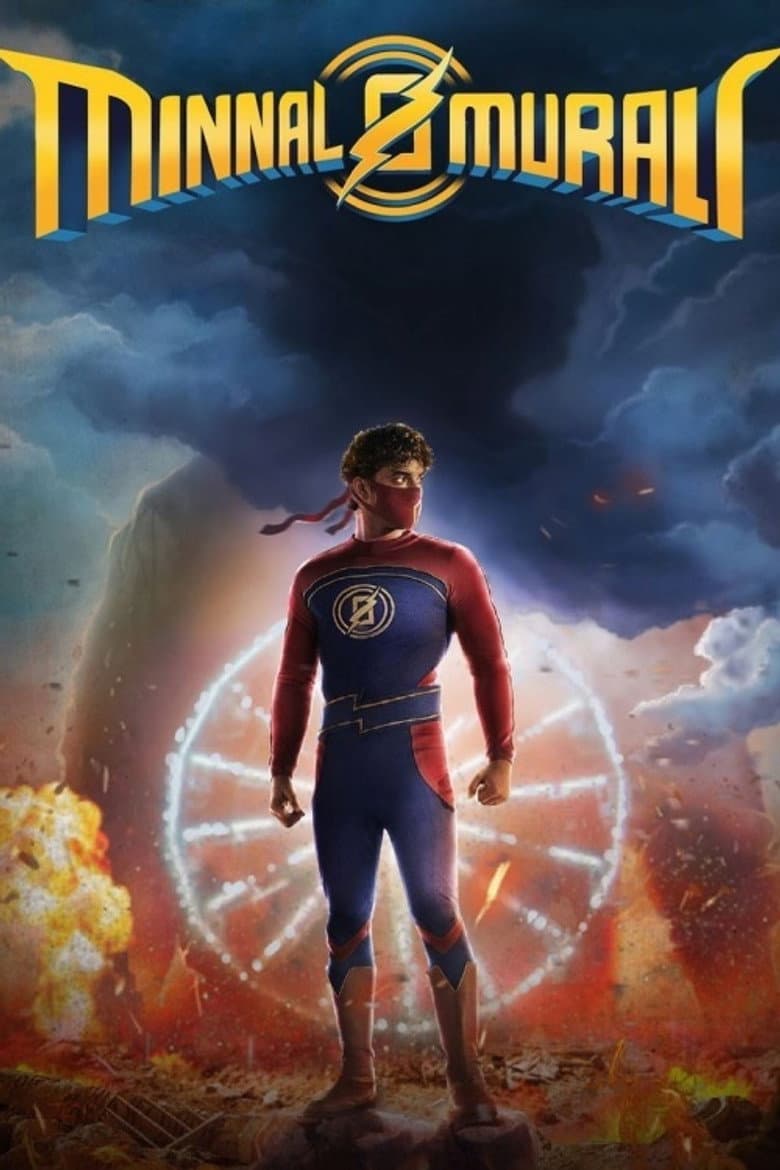
Movie · 2021
A tailor gains special powers after being struck by lightning but must take down an unexpected foe if he is to become the superhero his hometown in Kerala needs.
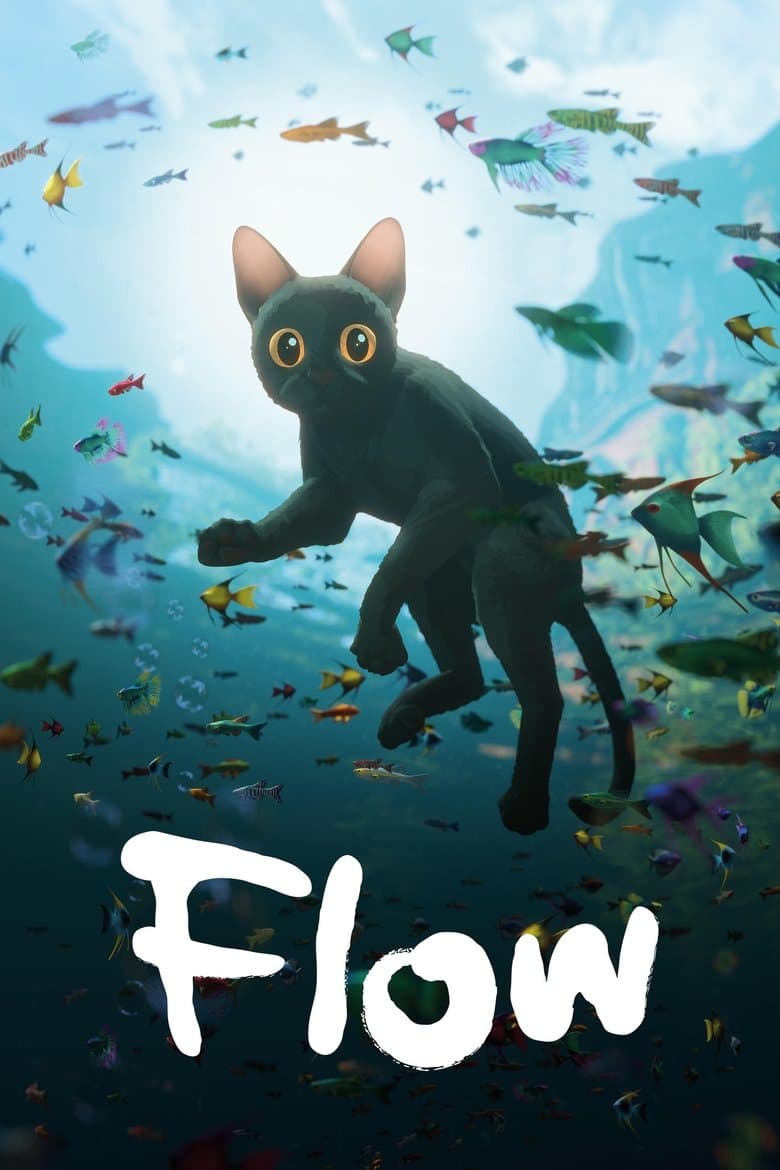
Movie · 2024
A solitary cat, displaced by a great flood, finds refuge on a boat with various species and must navigate the challenges of adapting to a transformed world together.
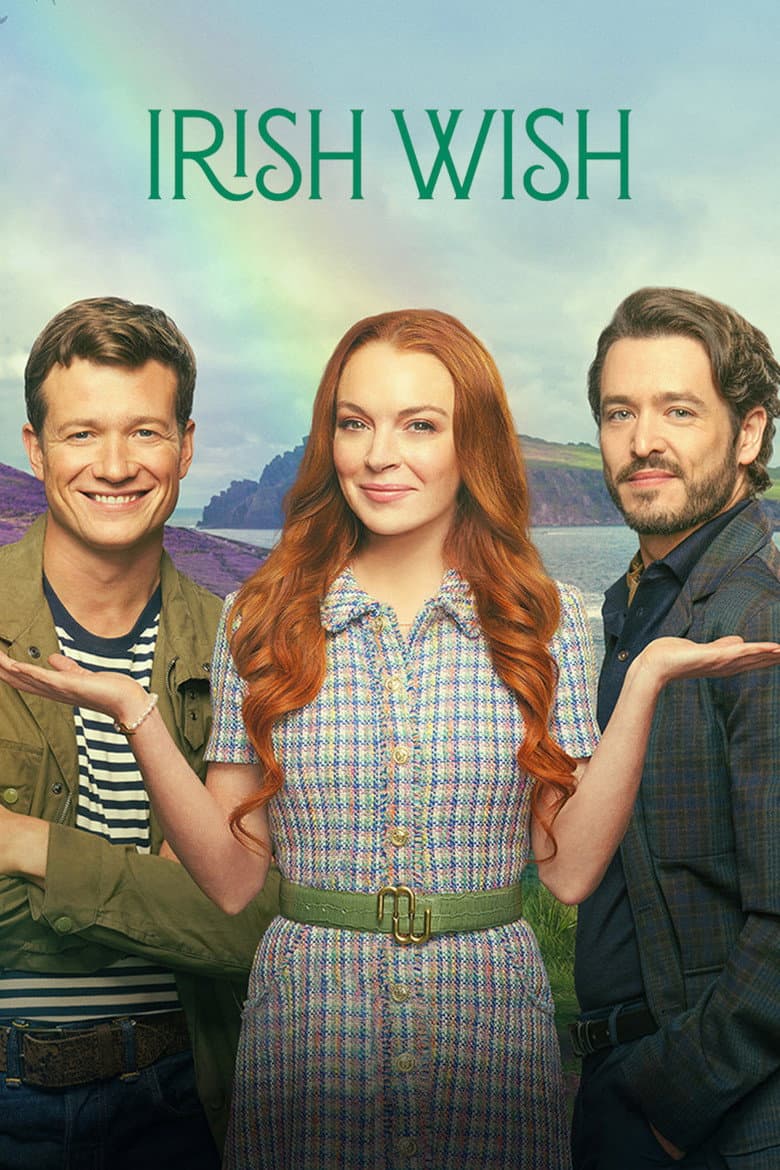
Movie · 2024
Maddie's dream guy is days away from marrying her best friend when a wish for true love made on an ancient stone in Ireland magically alters her fate.
