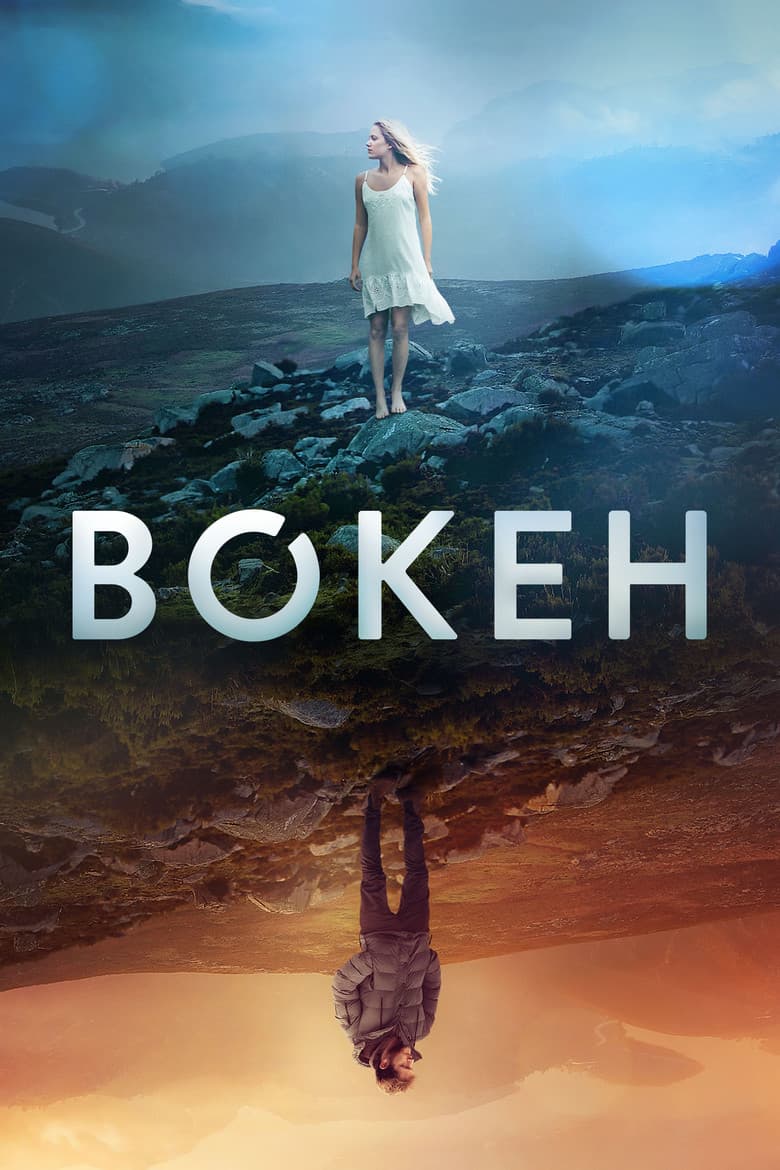
Jenai and Riley are a young American couple on a romantic trip through Iceland. A flash in the sky is followed by the disappearance of every other person on Earth. The pair uses empty shops, cars, homes, and working power while food, water, and hope slowly become harder to manage. The quiet science fiction drama stays sad and dreamlike as the couple argues about whether to enjoy the new world or search for meaning and other survivors.
The film builds its ideas around the couple’s different ways of facing loss, faith, freedom, and daily survival. Riley tries to turn the empty world into an adventure, while Jenai keeps thinking about her family, the dead, and the life they lost. Their arguments grow as Riley treats the disaster as a chance to start over and Jenai refuses to pretend that beauty can replace human connection. An old Icelandic man adds a short debate about God, chance, and whether people should accept the world as it is. The story ends after grief breaks the couple apart, leaving Riley alone with the same unanswered mystery.
Community feedback
Was our 4% Woke rating accurate?
Breakdown
These are the editorial factors and ratings behind our score for Bokeh.
Woke representation / casting
Not present. Jenai and Riley are a young American couple, and the few supporting roles include Icelandic people. The film does not frame casting as a diversity or identity statement.
0%
Woke political dialogue
Not present. The dialogue covers survival, faith, love, and the unknown cause of the event. It does not use identity, DEI, gender-role, or activist lines to make a political point.
0%
Identity-driven story themes
Not present. The story follows grief, isolation, faith, and the strain placed on a couple. Race, sexuality, and group identity do not shape the main conflict or character arcs.
0%
Western institutional / cultural critique
Not present. The film questions whether modern comforts and social ties matter after the world empties. It does not attack Western institutions, traditional family life, or Christianity through modern activist messaging.
0%
Woke character or canon changes
Not relevant. Bokeh is an original story with no established characters, source material, or real historical event being changed.
0%
Anti-woke backlash and complaints
Not present. The X research pass found no anti-woke reaction or specific complaints. Web and audience discussions focused on the slow pace, ending, visuals, and lack of answers, not woke or identity politics.
0%
Creator track record context
The cached score for Geoffrey Orthwein is 0, and the cached score for Andrew Sullivan is 0. Their interview describes Bokeh as a small science-fiction fable about two people, survival, and Iceland, with no identity or activist framing. Casting director Emily Schweber has a cached score of 19 because of work on Monica and support for stories about marginalized people, but that record is not tied to Bokeh’s story.
19%
Production
Movie · 2020
2038: George Almore is working on a true human-equivalent AI, and his latest prototype is almost ready. This sensitive phase is also the riskiest as he has a goal that must be…
Movie · 2017
Thirty years after the events of the first film, a new blade runner, LAPD Officer K, unearths a long-buried secret that has the potential to plunge what's left of society into…
Movie · 2020
A couple on a road trip through America encounter a terrifying dark force older than the country itself. An evil that transforms loved ones into someone terrifying, the entity has…
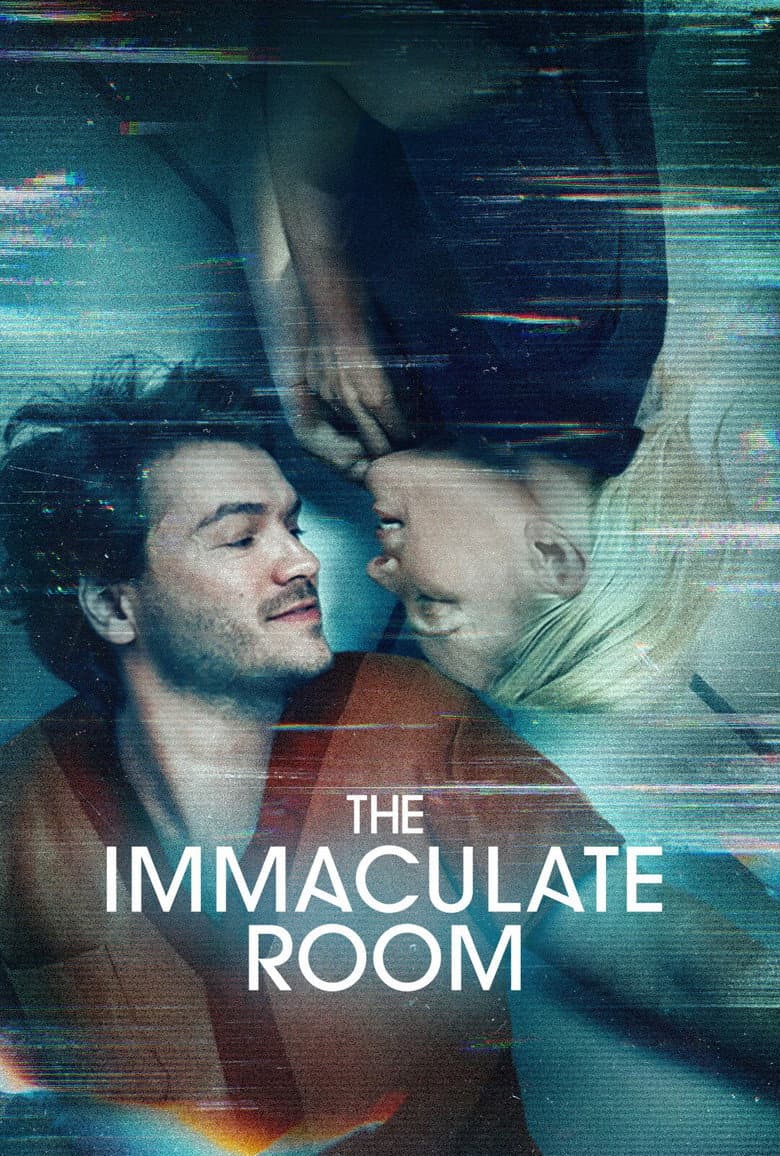
Movie · 2022
Mike and Kate, a young couple, get the once-in-a lifetime chance to win a cool five million dollars. The challenge: Live for 50 days in a blank space.
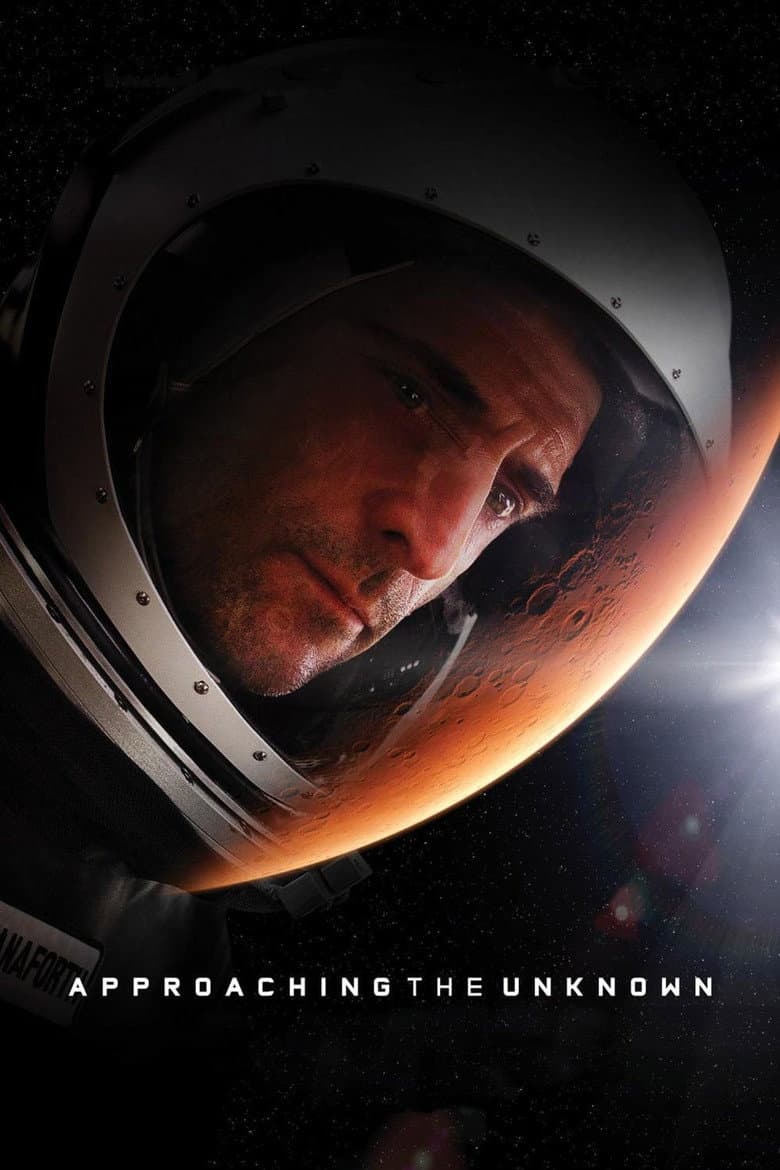
Movie · 2016
Captain William Stanaforth is on a one-way solo mission to take the first steps in colonising Mars. Like all pioneers throughout history, Stanaforth will face insurmountable odds…
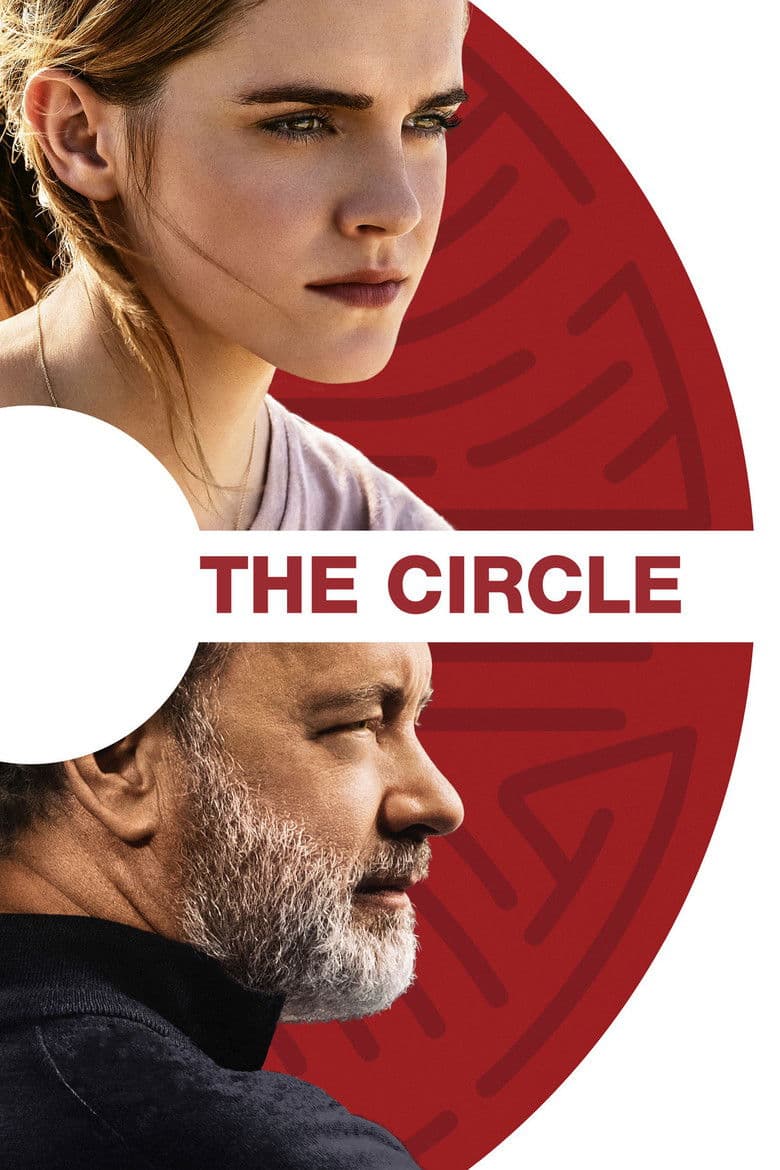
Movie · 2017
A young tech worker takes a job at a powerful Internet corporation, quickly rises up the company's ranks, and soon finds herself in a perilous situation concerning privacy…
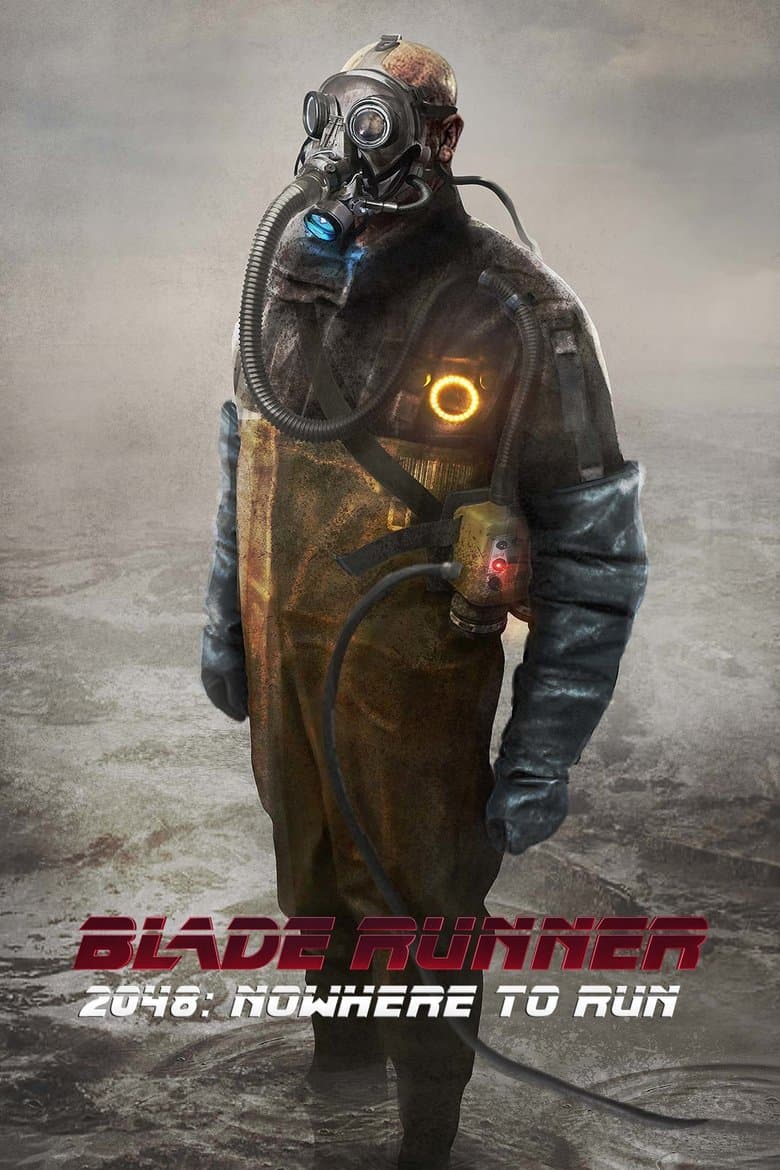
Movie · 2017
“2048: Nowhere to Run” takes place one year before the events of Blade Runner 2049. The short film focuses on Sapper, a man who is trying to make it through life day-by-day…
Movie · 2018
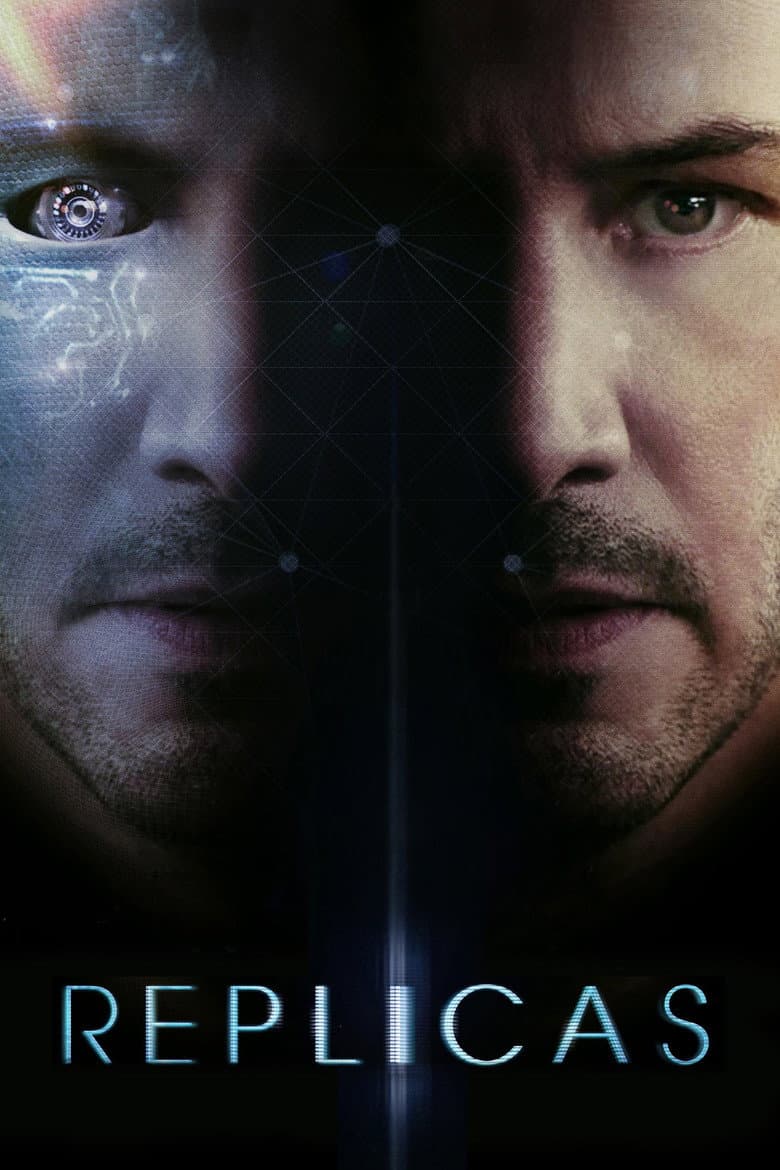
A scientist becomes obsessed with returning his family to normalcy after a terrible accident.
