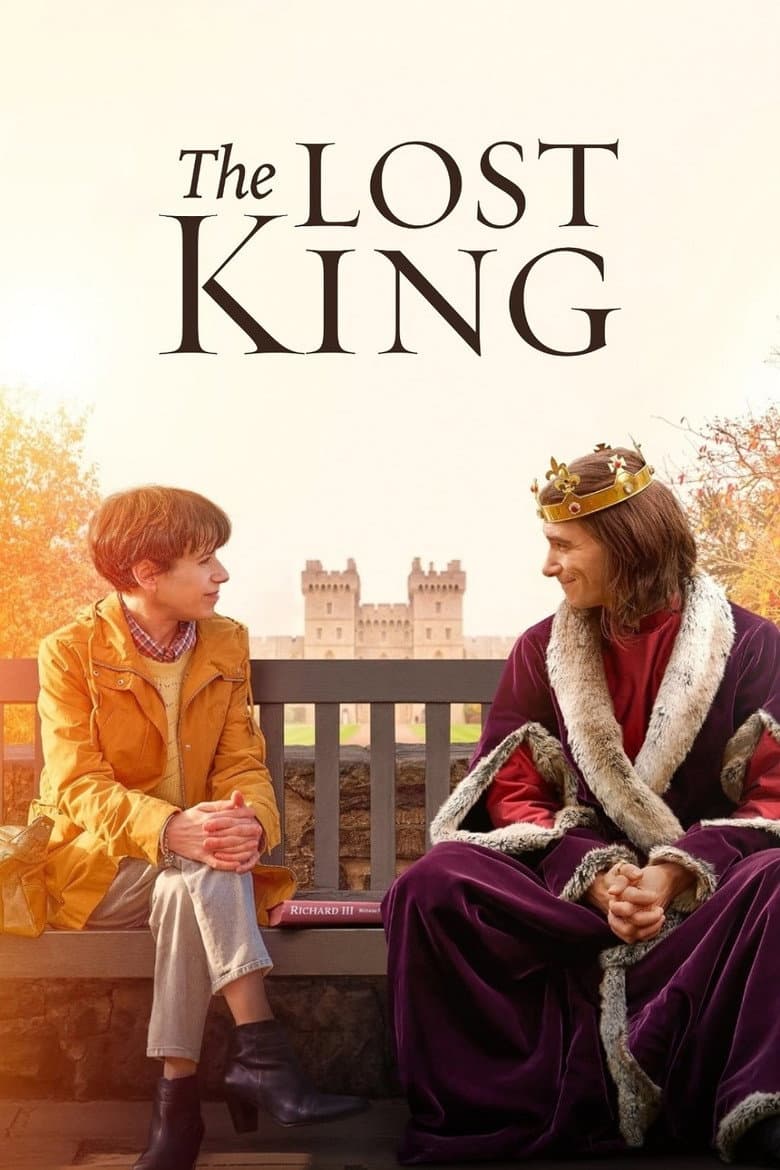
Philippa Langley is a middle-aged woman in Edinburgh who feels stuck at work and lives with long-term fatigue. She becomes obsessed with King Richard III after a play and believes history treated him unfairly. She sets out to find his lost grave under a car park in Leicester. The film is a warm, quirky true-story drama about stubborn research, family support, and fighting for credit.
The story puts a clear woman-vs-establishment frame in front of viewers. Philippa is passed over at work, pushed aside by male bosses and university staff, and kept off the big press stage after the dig works. The film also shows her illness and links her feeling of being judged to Richard’s damaged reputation. Marketing and the writers stress “her story” and a woman who would not be ignored. A normal viewer would notice the gender and credit fight more than any race or queer agenda. The big public fight was about whether the movie was fair to real university staff, not about the film being “too woke.”
Community feedback
Was our 55% Woke rating accurate?
Breakdown
These are the editorial factors and ratings behind our score for The Lost King.
Woke representation / casting
Lead is Sally Hawkins as the real Philippa Langley. Main cast is mostly white British and tracks the real people. Disability is shown because the real woman has chronic fatigue. Background diversity is light and not sold as the point. No race or gender swaps of famous figures.
5%
Woke political dialogue
Viewers hear workplace put-downs, male bosses who favor men, and academics who brush her off as emotional or amateur. The script leans on underdog woman vs dismissive men. It is clear in key scenes but not wall-to-wall slogan speeches.
40%
Identity-driven story themes
The plot is built around an overlooked middle-aged woman, her illness, and her fight to be believed and credited. Marketing stresses “her story.” Kinship with Richard is about being judged and rewritten. Gender and disability sit at the center; race and queer themes do not.
48%
Western institutional / cultural critique
The university and academic world are shown as snobbish, credit-hungry, and hard on an outsider woman. That is a strong anti-establishment thread with a gender edge. It is not a broad attack on faith, the West, or the monarchy as such; the film even wants Richard restored as rightful king.
46%
Woke character or canon changes
Living academics are flattened into smug male blockers, and real female experts are largely cut, which helped a cleaner woman-vs-men story. A court later called Taylor’s portrait defamatory. Richard’s defense is classic Ricardian history, not a modern identity rewrite of the king.
38%
Anti-woke backlash and complaints
Public row was about libel, fairness to the dig team, and history accuracy. Left-side complaints that women experts were erased do not count here. No solid anti-woke campaign treats the film as DEI or identity propaganda.
0%
Creator track record context
Key makers are mostly moderate British drama people: Frears and Pope lower, Coogan more progressive, one Pathé producer higher for social-history titles, casting directors higher on diversity work. Overall mild progressive context, not a hard activist brand for this title.
28%
Production
Movie · 2022
Maurice Flitcroft, a dreamer and unrelenting optimist, managed to gain entry to The British Open Golf Championship qualifying in 1976 and subsequently shot the worst round in Open…
Movie · 2016
The story of Florence Foster Jenkins, a New York heiress, who dreamed of becoming an opera singer, despite having a terrible singing voice.

Movie · 2023
The true story of how Dave Fishwick, a working class man and self-made millionaire, fought to set up a community bank so that he could help the local businesses of Burnley not…

Movie · 2018
An American hypochondriac who is working as a baggage handler is forced to confront his fears when a British teenager with a terminal illness enlists him to help her carry out her…

Movie · 2022
The remarkable true story of how retiree Jerry Selbee discovers a mathematical loophole in the Massachusetts lottery and, with the help of his wife, Marge, wins $27 million…

Movie · 2021
Veteran comedy writer Charlie Berns, who is slowly but surely losing his grip on reality, befriends a talented young New York street singer Emma Payge.
Movie · 2024
Fran likes to think about dying. It brings sensation to her quiet life. When she makes the new guy at work laugh, it leads to more: a date, a slice of pie, a conversation, a…
Movie · 2025
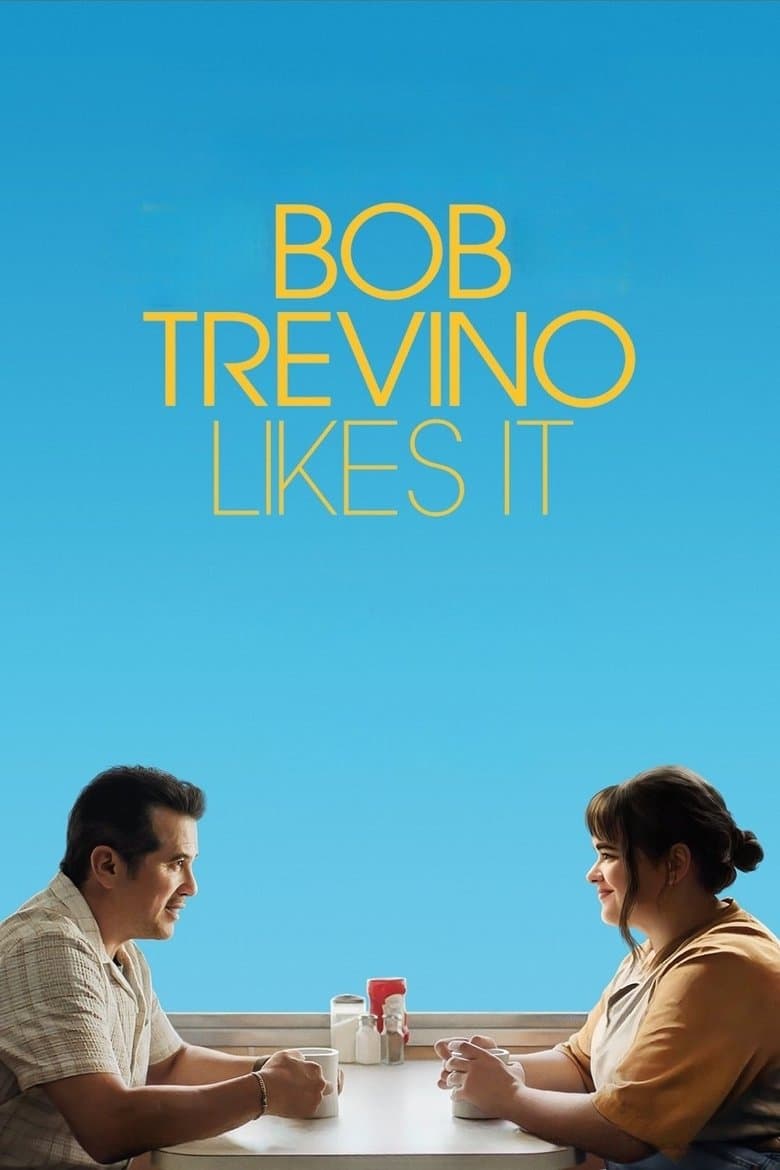
Lily Trevino unexpectedly befriends an online stranger who shares her self-centered father’s name. This new Bob Trevino’s support could transform her life.
