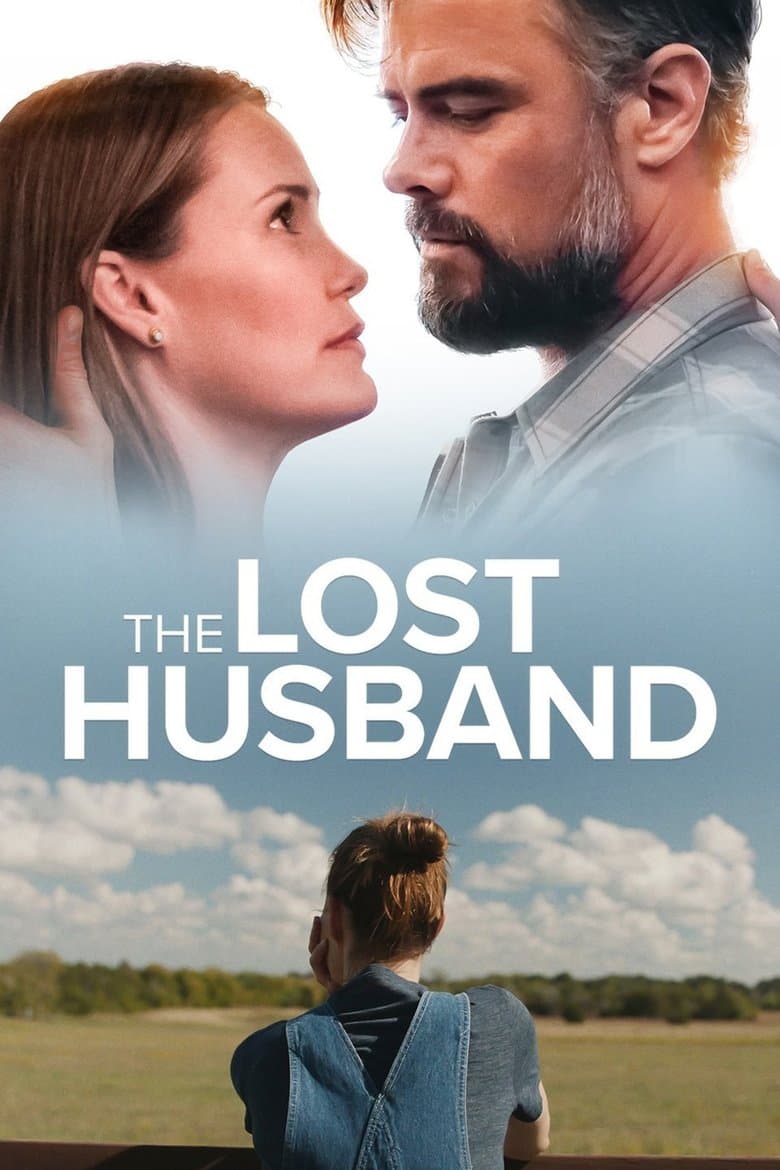
Libby Moran is a grieving widow who has lost her husband, her house, and her old sense of safety. She takes her two children from Houston to her distant aunt Jean’s goat farm in the Texas Hill Country. Libby must learn farm work while facing money problems, a painful childhood secret, and her daughter’s trouble at school. She slowly grows close to the farm manager, James, who is also trying to recover from a broken marriage. The film has a soft, hopeful tone, but it mixes romance with family drama, grief, and a small touch of ghost talk.
The clearest woke element is the film’s focus on a woman rebuilding her life through work, family ties, and her own choice to make a home. Libby’s recovery matters more than the romance, and several key scenes center on her bond with her aunt, mother, and children. The story treats female strength as emotional courage and steady work, not as a political campaign or a call to reject men or marriage. James remains a useful love interest and father figure, while the ending supports family, forgiveness, commitment, and a new home.
Community feedback
Was our 23% Woke rating accurate?
Breakdown
These are the editorial factors and ratings behind our score for The Lost Husband.
Woke representation / casting
Not present. The film includes Abby’s limp and people of different races in supporting roles, but it does not frame either as a representation message. The modern Texas setting and the lead choices do not show a clear identity-driven casting pattern.
0%
Woke political dialogue
Not present. The film has a short joke about a hippie liberal and a conservative lawyer, but it does not use the exchange to push activist, DEI, or identity ideas. The rest of the dialogue focuses on grief, family, work, and relationships.
0%
Identity-driven story themes
The film centers Libby’s recovery after she loses her husband and her old life. Libby builds a new home through farm work, family ties, and her own choices, and the story gives that process more weight than the romance. The story repeatedly places women’s bonds with mothers, aunts, and children at the center. The message supports female strength and self-discovery, but it does not turn them into a wider activist claim.
24%
Western institutional / cultural critique
Not present. The film questions a school’s zero-tolerance response to bullying and jokes about college costs, but it does not build a modern activist critique around those points. The film does not attack men, marriage, religion, or other Western institutions.
0%
Woke character or canon changes
Not relevant. The movie adapts a modern romance novel rather than a known franchise or historical story. It does not show an identity-based change to an established character or real person.
0%
Anti-woke backlash and complaints
Not present. The separate X research found no anti-woke posts or named complaints, and wider coverage found no meaningful DEI or identity-politics backlash. One vegan post called the farm message propaganda, but that complaint was about animal use, not woke content.
0%
Creator track record context
Vicky Wight and Bridget Stokes have public records that stress women’s stories and more diverse casts and crews. Katherine Center often writes women rebuilding their lives, but her public profile shows little sustained partisan or DEI activism. Leslie Bibb, Rori Bergman, Coerte Voorhees, and Matt Ballesteros do not add a strong identity-politics signal in the supplied context. This gives the movie a moderate creator track record context even though its own story is a gentle romance.
53%
Production
Movie · 2019
A family dog – with a near-human soul and a philosopher's mind – evaluates his life through the lessons learned by his human owner, a race-car driver.
Movie · 2022
The summer before college, Auden meets the mysterious Eli, a fellow insomniac. While the seaside town of Colby sleeps, the two embark on nightly quests to help Auden experience…

Movie · 2020
A widow with three children hires a handyman to fix her house during a major storm. When not doing home repairs, he shares his philosophy of believing in the power of the universe…

Movie · 2018
Years after leaving his fiancée at the altar to pursue fame and fortune, country music star Liam Page returns home hoping to win her back.
Movie · 2020
The true-life story of Christian music star Jeremy Camp and his journey of love and loss that looks to prove there is always hope.
Movie · 2016
Pop superstar Jordan Jaye has a big dream he just wants to live like a regular teenager. When he's chased down by some excited female fans, he finds a perfect hideout and a…
Movie · 2021
Finley, a talented aspiring violinist, meets Beckett, a famous young movie star, on the way to her college semester abroad program in a small coastal village in Ireland.

Movie · 2016
Set against the backdrop of a beautiful garden in the heart of London, this contemporary fairy tale revolves around the unlikely friendship between a reclusive young woman and a…
