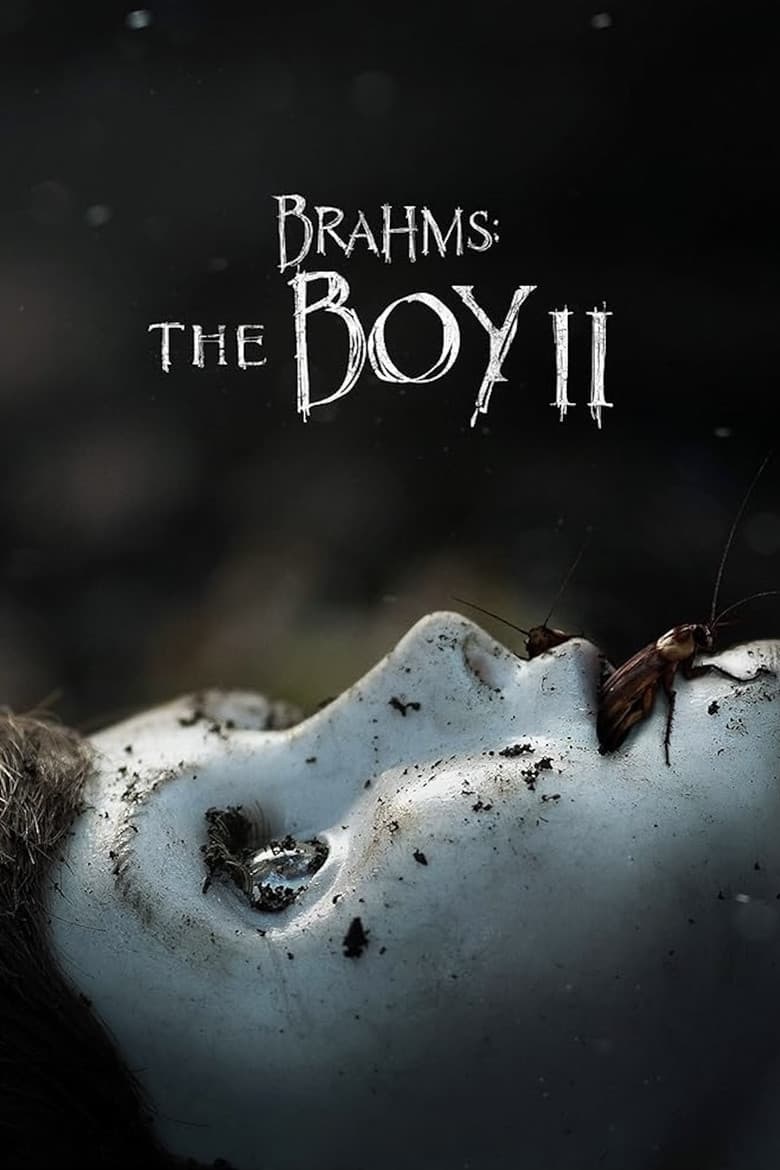
After a violent home invasion, Liza and her young son Jude leave their home with Sean, Jude’s father, and move to a guest house on the Heelshire estate. Jude has stopped speaking, while Liza suffers nightmares and tries to help him heal. Jude finds a lifelike porcelain doll in the woods and names it Brahms. The quiet country house soon becomes a cold and threatening place as the doll seems to move and Jude follows its rules.
The film centers on a family trying to live with fear after a sudden attack. Jude uses Brahms as a friend and begins speaking again, but the doll also changes his behavior and fills his notebook with violent drawings. Liza sees danger while Sean and a therapist treat the doll as a way for Jude to cope, so the parents argue over what their son needs. The story ends as a supernatural horror tale about trauma, trust, family protection, and the danger of letting fear control a child.
Community feedback
Was our 1% Woke rating accurate?
Breakdown
These are the editorial factors and ratings behind our score for Brahms: The Boy II.
Woke representation / casting
Not present. The film centers on a white mother, father, and son in a modern rural setting. A South Asian therapist appears in a small supporting role, but the film does not frame her identity or the cast as a diversity message.
0%
Woke political dialogue
Not present. The dialogue concerns the doll, fear, family trauma, and the mansion’s history. The movie has no political speeches or activist messages.
0%
Identity-driven story themes
Not present. The story follows a child coping with trauma and a mother trying to protect him from a dangerous doll. It does not make race, sex, sexuality, or group identity a central theme.
0%
Western institutional / cultural critique
Not present. The parents disagree about Jude’s treatment, but the conflict stays within a family horror story. The movie does not attack men, family life, religion, capitalism, or a Western institution through activist messaging.
0%
Woke character or canon changes
Not relevant. The sequel changes Brahms from a human killer linked to a doll into a supernatural force. That is a horror story change, not an identity-driven or political change to an established character.
0%
Anti-woke backlash and complaints
Not present. Audience complaints focus on dull scares, weak writing, and the sequel’s break with the first movie. The supplied X research found no anti-woke reaction or specific culture-war complaint.
0%
Creator track record context
William Brent Bell’s public work is mainly commercial horror, and his interview about this film focuses on the doll and its story. Stacey Menear is also known for genre horror, with no clear identity-activist record. The wider creative team has no strong public pattern of DEI or political messaging.
5%
Production
Movie · 2016
A young American woman takes a job as a nanny in a remote English village, soon discovering that the family's eight-year-old son is a life-sized doll that comes with a list of…

Movie · 2019
Six strangers find themselves in circumstances beyond their control, and must use their wits to survive.
Movie · 2021
Paranormal investigators Ed and Lorraine Warren encounter what would become one of the most sensational cases from their files.
Movie · 2018
Following the death of the Leigh family matriarch, Annie and her children uncover disturbing secrets about their heritage.
Movie · 2021
A female serial killer who killed four young girls is sent away to prison, but a fifth victim escaped with her life.

Movie · 2019
A lone fisherman on his daily run finds himself lost in a thick fog which proves impossible to navigate. The worst is yet to come when his encounter with a seemingly abandoned…

Movie · 2016
A stranger arrives in a little village and soon after a mysterious sickness starts spreading. A policeman is drawn into the incident and is forced to solve the mystery in order to…
Movie · 2022
West Point, New York, 1830. When a cadet at the burgeoning military academy is found hanged with his heart cut out, the top brass summons former New York City constable Augustus…
