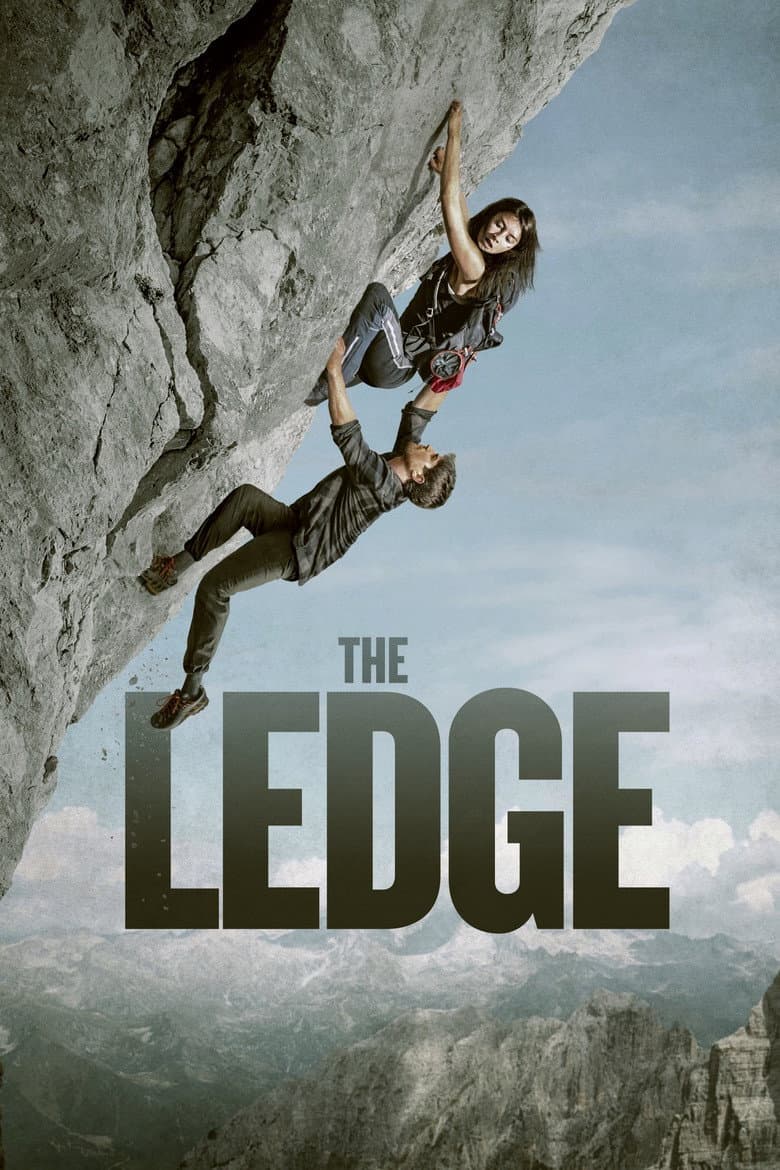
Kelly is a skilled climber who travels to the Italian Alps with her friend Sophie. The trip turns into a nightmare when Kelly sees Sophie killed by four men and records the crime. The men chase Kelly up a cold mountain because they want to destroy the camera and silence her. The film is a tense survival thriller with violent attacks, harsh weather, and long stretches of cliff climbing.
The story makes Kelly the main heroic survivor and shows her using skill, patience, and planning against a group of violent men. The men use sexual violence, threats, homophobic insults, and group pressure while they try to hide the killing. Kelly fights back for Sophie, so the movie has a clear female survival and revenge angle. The main message is that courage and careful thinking can beat cruelty, while the story stays focused on one personal fight.
Community feedback
Was our 30% Woke rating accurate?
Breakdown
These are the editorial factors and ratings behind our score for The Ledge.
Woke representation / casting
Kelly is the central heroic climber, and Sophie is her female climbing partner. The cast does not show a wider race, religion, disability, or sexuality message. Ford says he wanted female-driven thrillers and female strength against a male villain. Ashworth calls the film empowering for women and praises the women for traveling without male protection. That gender-focused framing gives the casting a modest score.
29%
Woke political dialogue
Not present. The characters use threats, profanity, and homophobic insults, but they do not discuss current politics, DEI, or activist ideas. The dialogue serves the murder and survival plot.
0%
Identity-driven story themes
Kelly’s central arc follows a woman who survives and defeats a group of violent men. The film makes sexual violence, male entitlement, homophobic abuse, and group cowardice key parts of the threat. Kelly uses her climbing skill and careful planning instead of waiting for a male rescuer. The story gives this female survival and revenge message a major role, but it remains a personal thriller rather than a wider identity campaign.
34%
Western institutional / cultural critique
Joshua and his friends turn male pride, sexual aggression, homophobic abuse, and cowardly teamwork into the main human danger. The story lets Kelly overcome that group through skill and planning. Ford and Ashworth frame the film as female-driven and empowering. The plot does not attack churches, courts, capitalism, or other Western institutions, so its Western institutional / cultural critique remains narrow.
24%
Woke character or canon changes
Not relevant. The film is an original climbing thriller with no established character, book, franchise, or historical figure being changed. The invented backstory and setting are part of this film’s own plot.
0%
Anti-woke backlash and complaints
Not present. The supplied X research found no anti-woke reaction. Other public posts and reviews discuss bad dialogue, acting, and climbing realism, not woke, DEI, or identity politics.
0%
Creator track record context
Brandt Andersen has made aid-related short films and joined humanitarian efforts, which is a mild social-action signal. Cached summaries give Ford, Boyle, Hellier, and most producers no high-confidence activist or DEI profile. The other producers are mainly film workers and financiers, so the overall creator track record context signal is weak.
8%
Production
Movie · 2021
As a collection of history's worst tyrants and criminal masterminds gather to plot a war to wipe out millions, one man must race against time to stop them.
Movie · 2017
In 1981, an enthusiastic young adventurer follows his dreams into the Bolivian Amazon jungle with two friends and a guide with a mysterious past.
Movie · 2023
Two sisters go diving at a beautiful, remote location. One of the sisters is struck by a rock, leaving her trapped 28 meters below.
Movie · 2020
A hotel room shootout between two assassins kicks off a long night where bodies fall like dominoes, as we follow a chain of crooked cops, gangsters, hitmen, a femme Fatale and an…
Movie · 2023
Ethan Hunt and his IMF team embark on their most dangerous mission yet: To track down a terrifying new weapon that threatens all of humanity before it falls into the wrong hands.
Movie · 2018
Framed and on the run, a former FBI agent must save his family from a blazing fire in the world's tallest building.
Movie · 2020
A couple flying on a small plane to attend a tropical island wedding must fight for their lives after their pilot suffers a heart attack.
Movie · 2023
After a heroic job of successfully landing his storm-damaged aircraft in a war zone, a fearless pilot finds himself between the agendas of multiple militias planning to take the…
