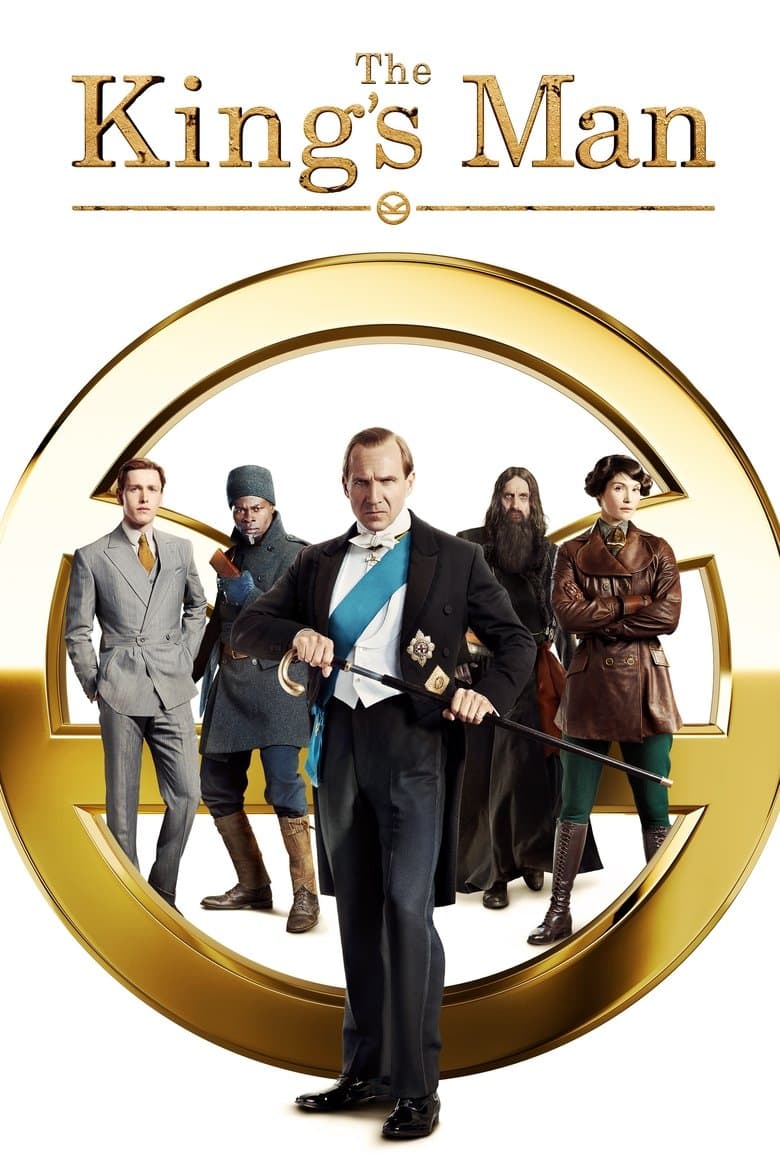
The Duke of Oxford is a British noble who swears off war after his wife dies during the Boer War. Years later he runs a secret spy network with his butler and housekeeper while World War I erupts across Europe. He tries to keep his son Conrad out of the army, but Conrad wants to serve. The film mixes loud action, family drama, and comic-book twists with real and invented villains.
The story is mainly about protecting family, stopping a secret cabal from fueling the war, and founding the Kingsman spy club. Anti-war feelings and regret about empire appear as the Duke’s personal history, not as a modern identity campaign. A short plot beat uses Rasputin’s interest in young men as a trap. Race and gender are not the main moral point of the movie.
Community feedback
Was our 23% Woke rating accurate?
Breakdown
These are the editorial factors and ratings behind our score for The King's Man.
Woke representation / casting
Shola is a skilled black butler-agent and Polly is a deadly female housekeeper who both help found Kingsman. They plan and fight as strong partners to the Duke. Lead nobles and royal roles stay with white European actors that match the early 1900s setting. The film does not sell itself as a diversity project.
12%
Woke political dialogue
Oxford is a clear pacifist who fights to keep his son out of the army. The film uses anti-war poetry that mocks dying for country as sweet and noble. Characters blame old elite fights for sending young men to die. This plays as character motive and war history, not modern identity lectures.
20%
Identity-driven story themes
The core story is family duty, spy action, and stopping tyrants during World War I. Race and gender are not the main moral engine. Rasputin is said to like “sweeter boys,” and the heroes try to use Conrad as bait. That is a brief queer-linked villain beat, not a pride or identity campaign.
14%
Western institutional / cultural critique
The opening shows a British camp in the Boer War and Oxford’s regret about empire and bloodshed. The plot treats World War I as pointless slaughter by rival empires. The film still cheers British heroes and ends by founding a proud gentleman spy club, so the critique stays mild and mixed.
22%
Woke character or canon changes
Not present in this title.
0%
Anti-woke backlash and complaints
A small set of comments and reviews treat the anti-war and empire-regret notes as lefty or “woke” history framing. There was no large public push calling the film DEI casting propaganda or identity politics. Most talk was about quality, tone, and box office.
12%
Creator track record context
Key writers, the director, and producers have low stored woke scores and little public identity activism. Vaughn is known as a Conservative-leaning filmmaker. Millar has publicly said audiences turn away from woke entertainment.
10%
Production
Movie · 2016
A suicidal artist goes into the desert, where he finds his doppelgänger, a homicidal drifter.
Movie · 2018
Captain Glass of the USS Arkansas discovers that a coup d'état is taking place in Russia, so he and his crew join an elite group working on the ground to prevent a war.
Movie · 2022
The blood-soaked land of Kolar Gold Fields (KGF) has a new overlord now - Rocky, whose name strikes fear in the heart of his foes.
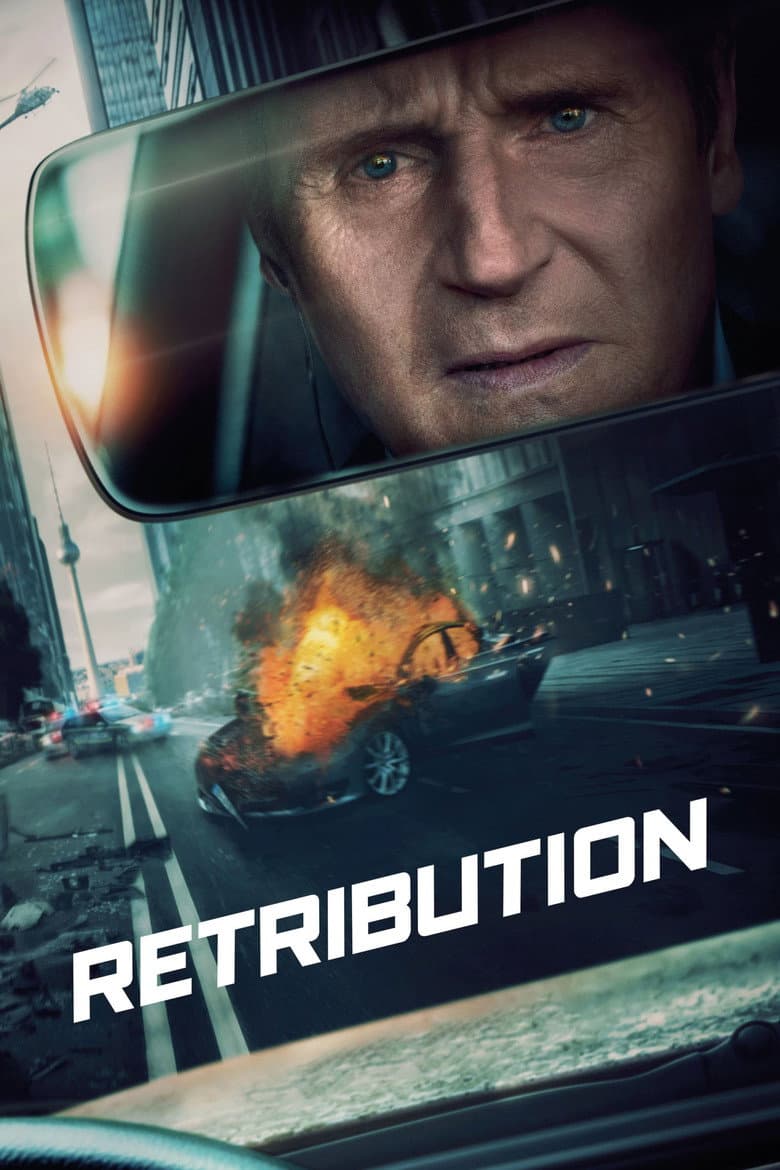
Movie · 2023
When a mysterious caller plants a bomb under his car seat, a bank executive begins a high-speed chase across the city to complete a specific series of tasks — all with his kids…
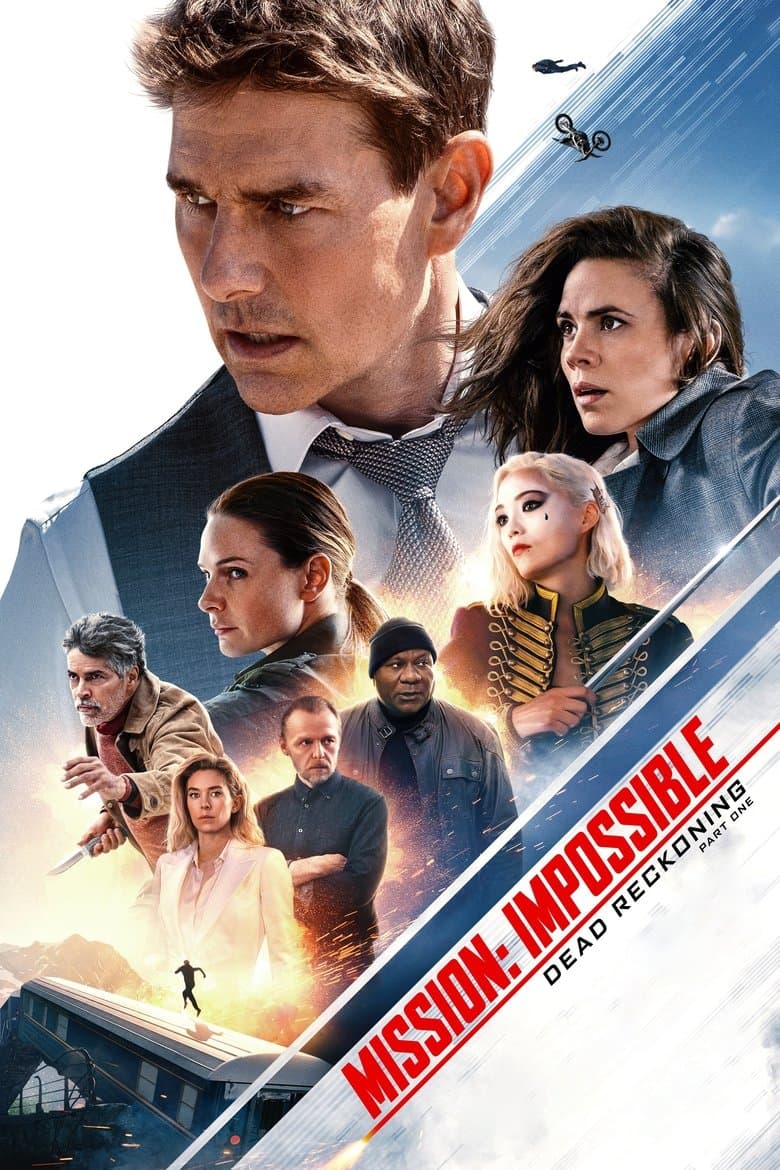
Movie · 2023
Ethan Hunt and his IMF team embark on their most dangerous mission yet: To track down a terrifying new weapon that threatens all of humanity before it falls into the wrong hands.
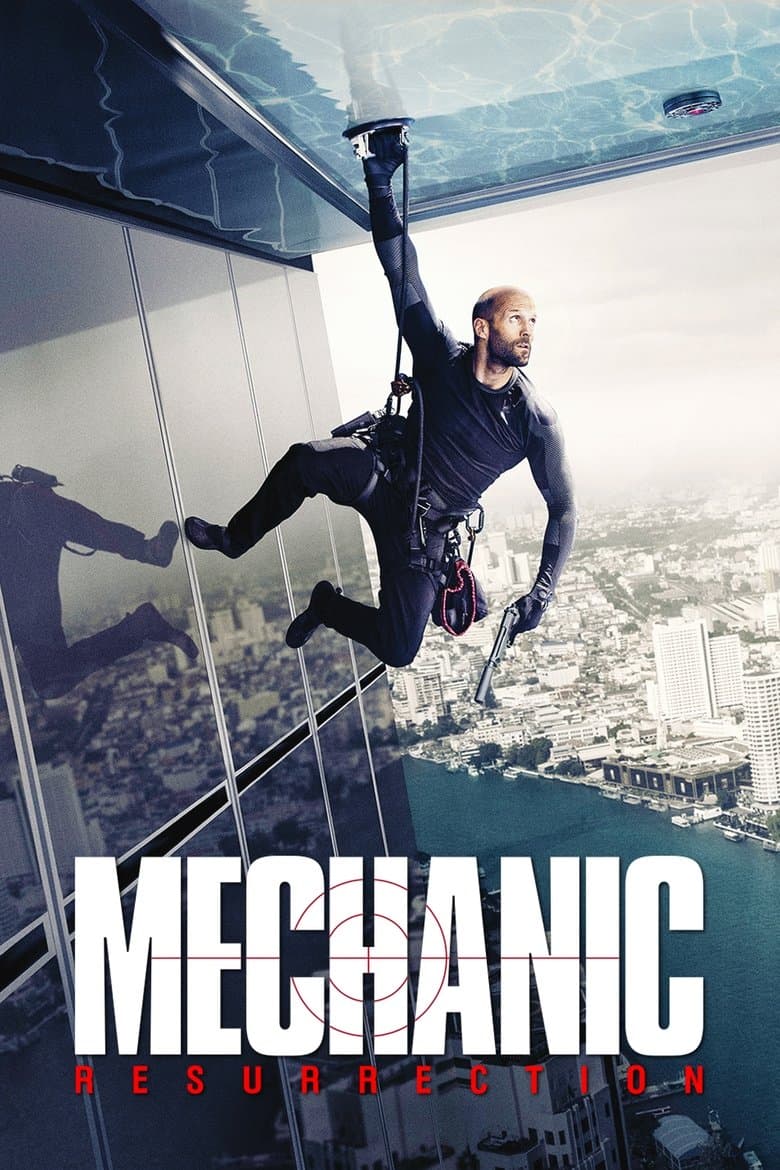
Movie · 2016
Arthur Bishop thought he had put his murderous past behind him when his most formidable foe kidnaps the love of his life.
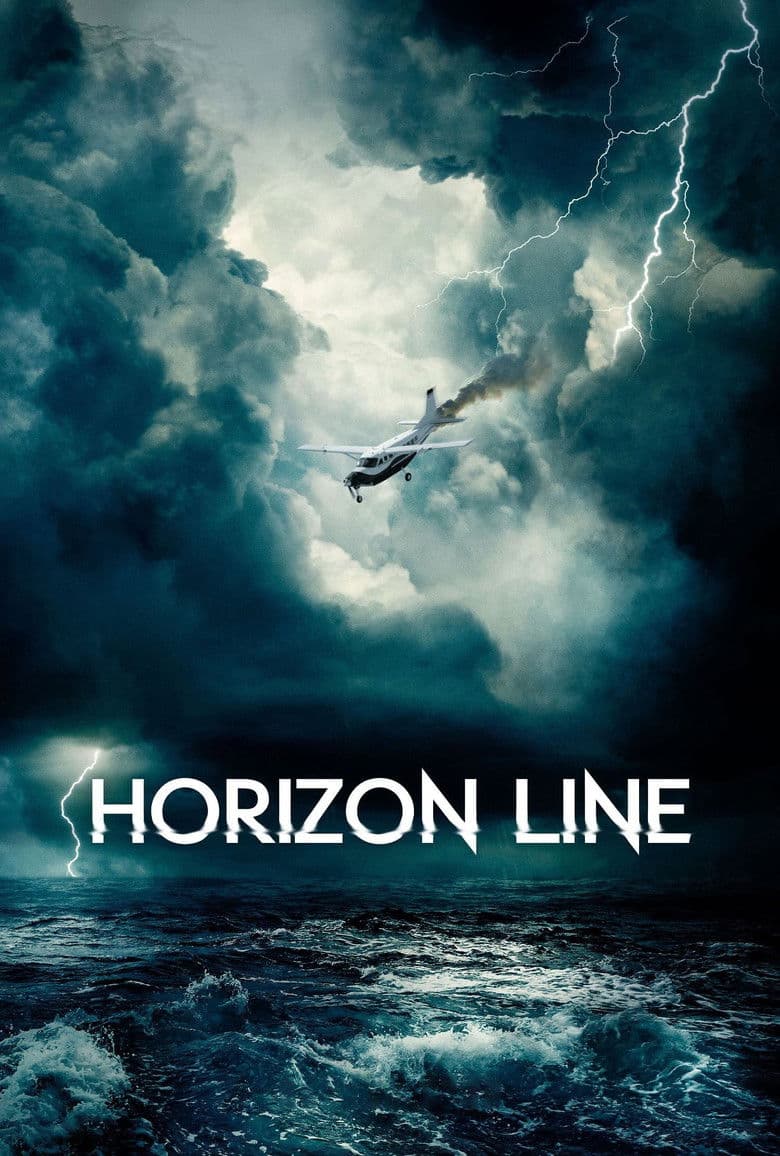
Movie · 2020
A couple flying on a small plane to attend a tropical island wedding must fight for their lives after their pilot suffers a heart attack.
Movie · 2018
When a stadium is seized by a group of heavily armed criminals during a major sporting event, an ex-soldier must use all his military skills to save both the daughter of a fallen…
