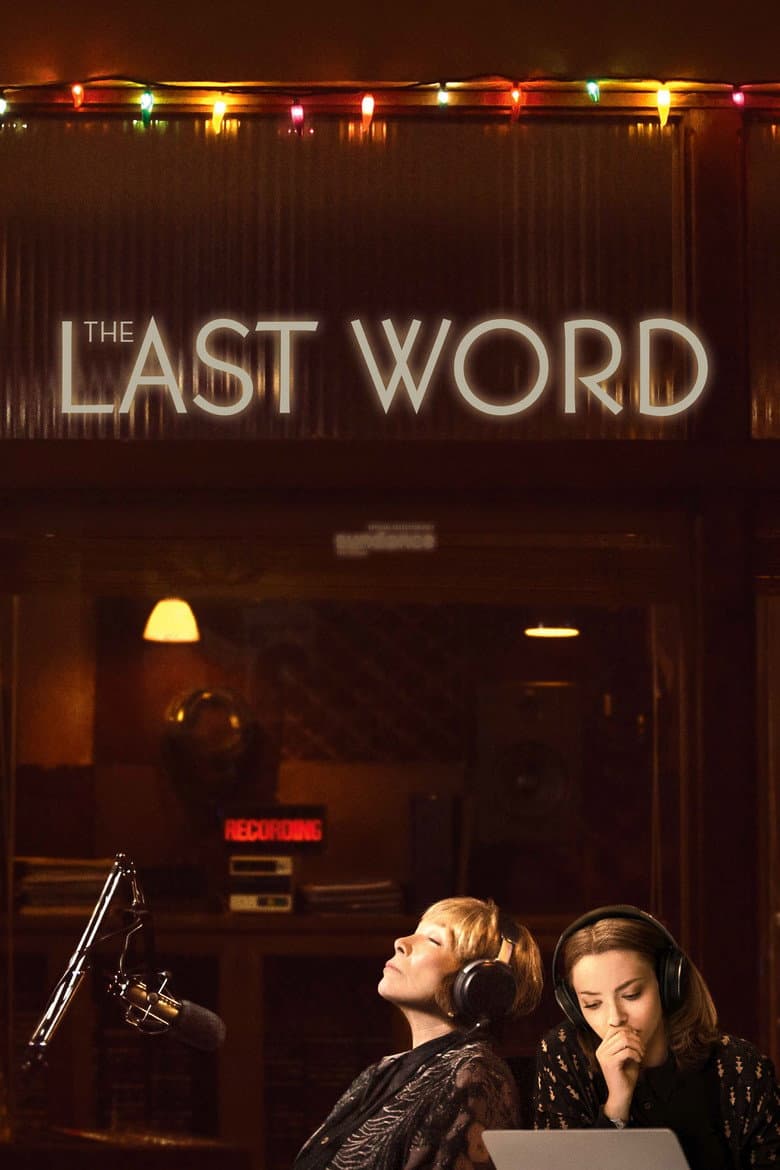
Harriet Lauler is an elderly, wealthy businesswoman who has spent her life controlling people and results. After learning that no one has a kind word for her, she hires Anne Sherman, a young newspaper writer, to prepare her obituary while she is still alive. Harriet tries to repair her broken bond with her daughter, start a new life as a radio disc jockey, and find someone whose life she has helped. She also brings Brenda, a poor black girl, into her plans, and the three form an unlikely friendship as Harriet faces illness and death.
The story puts three women and one girl of different ages at its center and treats women standing on their own, work, and self-reliance as good things. Harriet says men once did not want educated or working women, and she tells Anne that failure can make her stronger. The movie also makes a minority child part of Harriet’s plan for a better legacy, because Harriet says a minority or disabled person can make an obituary more special. These points are visible, but the film stays focused on friendship, family, personal change, music, and death instead of a larger political campaign.
Community feedback
Was our 45% Woke rating accurate?
Breakdown
These are the editorial factors and ratings behind our score for The Last Word.
Woke representation / casting
The film gives Brenda, a black girl from South Bristol, a major place beside two white women. Harriet deliberately looks for a disadvantaged young person and treats a minority child as a useful part of her legacy. The choice makes race visible in the casting and story, even though a black child in a modern American town is not unusual. The film does not use a broad “one of each” cast or a repeated identity pattern.
34%
Woke political dialogue
Harriet tells a group of girls that men once did not want wives who were educated, working, or in business. Harriet then urges the girls to risk failure and become stronger and self-reliant. Harriet also says a minority or disabled person can make a good obituary better, which turns identity into a joke about social value. These lines appear in a few scenes, but the movie has no long political debate or repeated activist speech.
36%
Identity-driven story themes
The film centers three women and a girl and gives their personal growth more space than the male characters. Harriet treats independence and success at work as important parts of a good life. Anne’s ending presents self-reliance and taking risks as positive changes. Brenda’s place in Harriet’s plan adds a race and poverty angle. The story remains mostly about friendship, family, and death, so the identity theme is meaningful but not dominant.
44%
Western institutional / cultural critique
Harriet says that men in her youth did not want educated women, working women, or women who ran a business. The movie presents her career as a challenge to those older expectations. The story does not attack present-day Western institutions, capitalism, religion, or family life as systems. Its criticism stays personal and tied to Harriet’s past.
12%
Woke character or canon changes
Not relevant. The film is an original screenplay with no established character, canon, or real historical figure that it changes.
0%
Anti-woke backlash and complaints
One audience review called the writing preachy and overly feminist. That comment treats the movie’s women-centered message as a problem, but it is a single user reaction. X searches found no anti-woke complaints, and major coverage did not report a campaign. The evidence is thin and fringe.
5%
Creator track record context
Amanda Seyfried has the strongest supporting context because of her public liberal and LGBTQ ally work. The director and writer have little sustained identity-focused work, while Shirley MacLaine and most producers have low or mixed context. The casting director and one producer add some diversity-related background. This background raises the score, but it does not show that the film itself was made as an activist project.
35%
Production

Movie · 2022
Two lifelong friends find themselves at an impasse when one abruptly ends their relationship, with alarming consequences for both of them.
Movie · 2018
In 1990s Los Angeles, a 13-year-old spends his summer navigating between a troubled home life and a crew of new friends he meets at a skate shop.

Movie · 2016
Two high school girls are best friends until one dates the other's older brother, who is totally his sister's nemesis.

Movie · 2023
Two mismatched entrepreneurs – egghead innovator Mike Lazaridis and cut-throat businessman Jim Balsillie – joined forces in an endeavour that was to become a worldwide hit in…
Movie · 2018
Thirteen-year-old Kayla endures the tidal wave of contemporary suburban adolescence as she makes her way through the last week of middle school — the end of her thus far…
Movie · 2017
Brigsby Bear Adventures is a children's TV show produced for an audience of one: James. When the show abruptly ends, James's life changes forever, and he sets out to finish the…
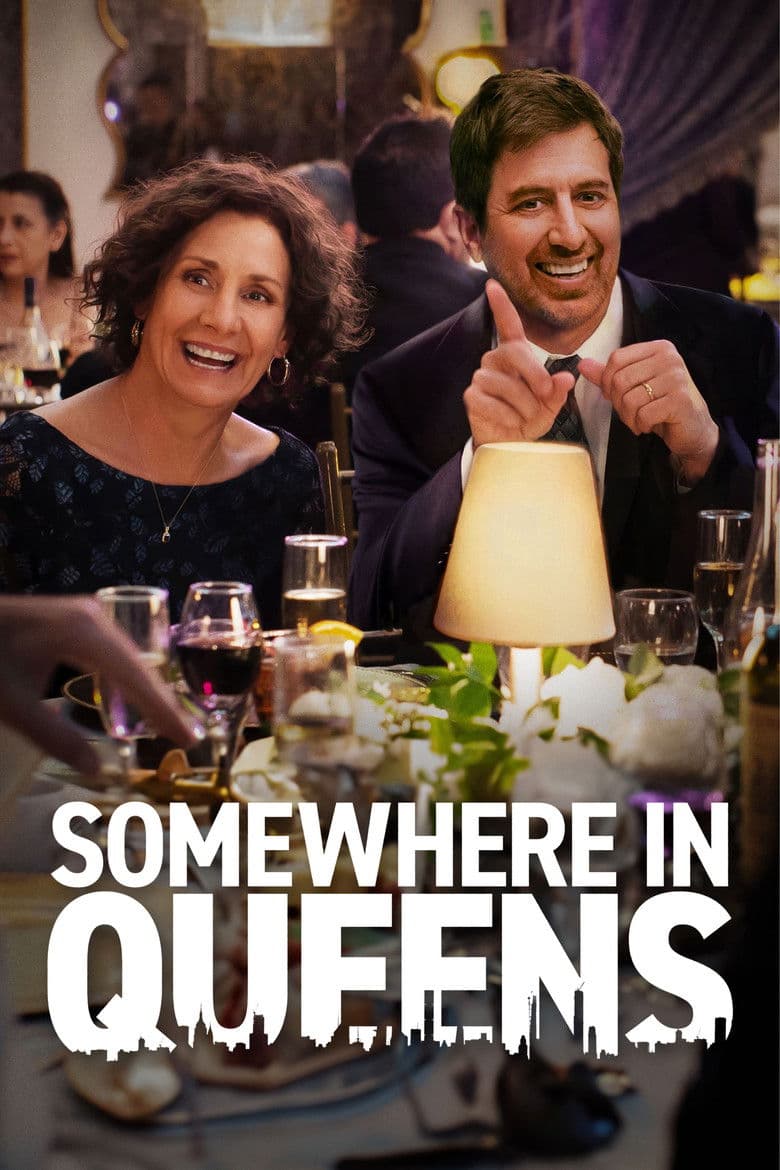
Movie · 2023
Leo and Angela Russo live a simple life in Queens, surrounded by their overbearing Italian-American family. When their son finds success on his high school basketball team, Leo…
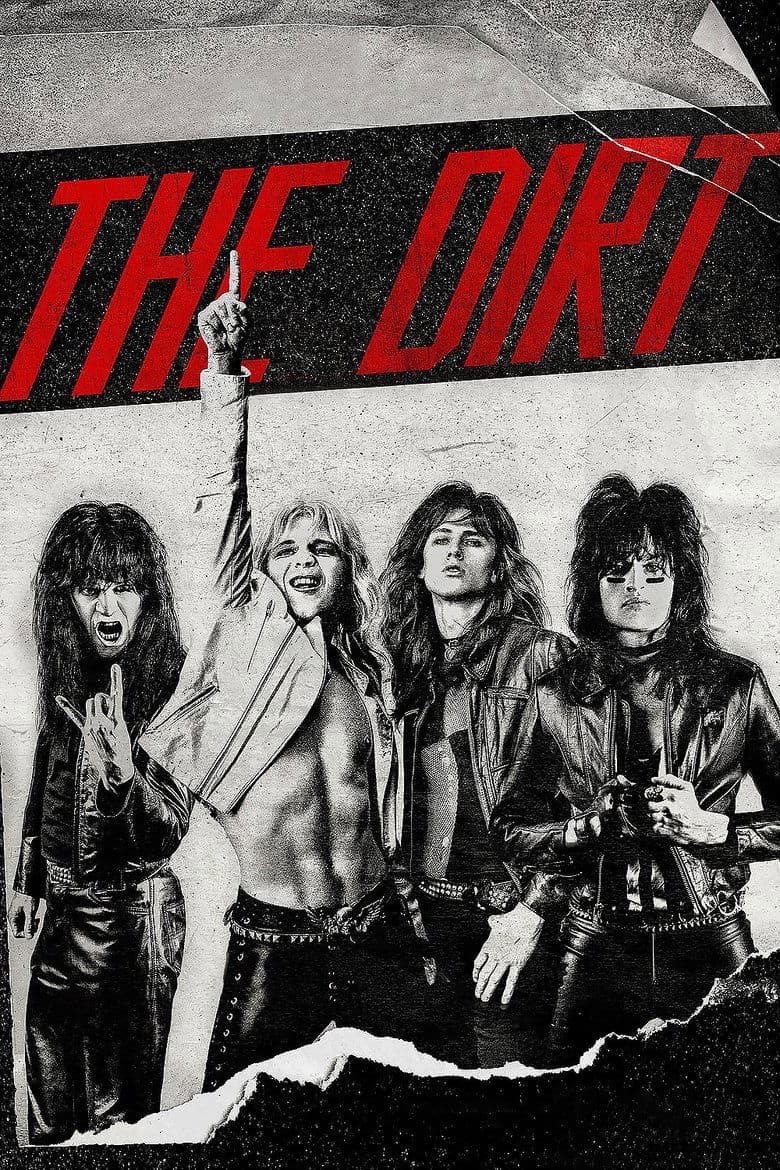
Movie · 2019
The story of Mötley Crüe and their rise from the Sunset Strip club scene of the early 1980s to superstardom.
