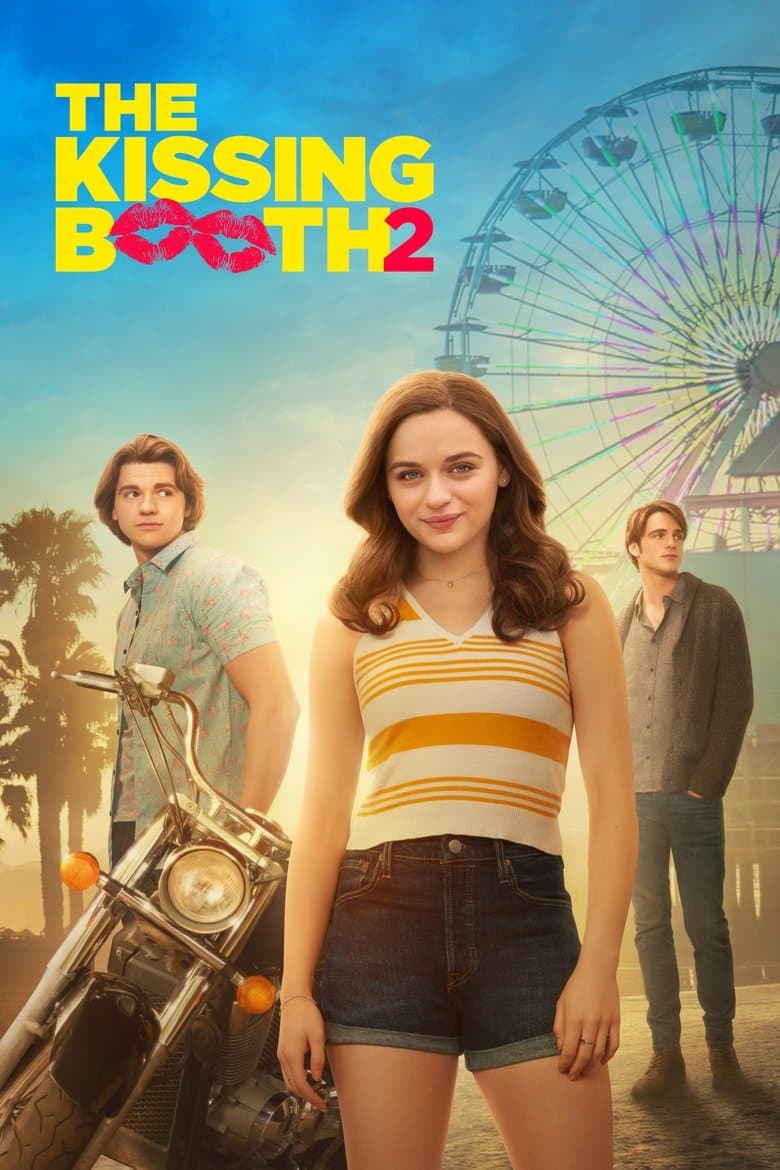
Elle Evans is a high school senior in Los Angeles who is trying to keep her long-distance romance with Noah Flynn alive. Noah is starting at Harvard while Elle stays home with her best friend, Lee, and plans for college. Elle also trains with Marco, a charming new classmate, in a dance game contest that could help pay for school. The bright teen romance uses jokes, music, jealousy, and big public scenes to show young people facing change.
The film adds a clear but limited identity focus through Marco, a Latino student, and Chloe, a Black Harvard student, who become important parts of the new love triangle. It also gives Ollie a small gay romance with Miles, ending in a public kiss that the crowd accepts. Elle is told to be open about feelings, while the story treats same-sex romance as a happy part of school life. These elements are presented as normal and positive, but the main story stays focused on Elle's straight relationship, friendship, money, and college choice.
Community feedback
Was our 39% Woke rating accurate?
Breakdown
These are the editorial factors and ratings behind our score for The Kissing Booth 2.
Woke representation / casting
The sequel gives prominent new roles to Marco, a Latino transfer student, and Chloe, a Black Harvard student. Both are tied to the main love conflict, and Ollie and Miles add another visible same-sex pairing. Maisie Richardson-Sellers said the genre needed more diversity and that storytellers should move public attitudes forward. The roles are noticeable, but the main plot does not explore their racial identities.
34%
Woke political dialogue
A short Harvard party scene discusses Citizens United as an example of judicial activism. Another speaker jokes about conservatives complaining about liberal Supreme Court justices. The film does not return to politics, so this anti-conservative moment is brief and peripheral.
8%
Identity-driven story themes
Ollie tells Elle that he likes Miles, a male classmate, and worries about what other boys will think. Elle tells him to follow his feelings instead of hiding them. The story gives the pair a public kiss at the kissing booth and treats the crowd’s happy response as normal. The subplot is clear and recurring, but Elle’s straight romance remains the main story.
34%
Western institutional / cultural critique
Not present. The movie does not attack Western institutions or traditional family life. Its conflicts center on trust, friendship, romance, money, and college choices.
0%
Woke character or canon changes
The movie changes the book’s possible love interests Levi and Amanda into Marco and Chloe. A book-to-film comparison describes the recasting as an opportunity to add diversity, which makes race part of the visible change. The characters still serve the same romance plot, so the change is noticeable but limited.
25%
Anti-woke backlash and complaints
Not present. Public posts and reviews focus on the love triangle, the ending, the long runtime, and the Ollie and Miles subplot. Reported diversity criticism asked for deeper characters instead of opposing woke or DEI content.
0%
Creator track record context
Jay Arnold is a gay filmmaker with queer-centered work. Joey King has publicly supported LGBTQ youth, Black Lives Matter, and gun-control causes. Vince Marcello and Beth Reekles have no known activist record in the cached context. This gives the film a moderate creator track record signal, with the strongest link coming from Arnold and King.
35%
Production
Movie · 2018
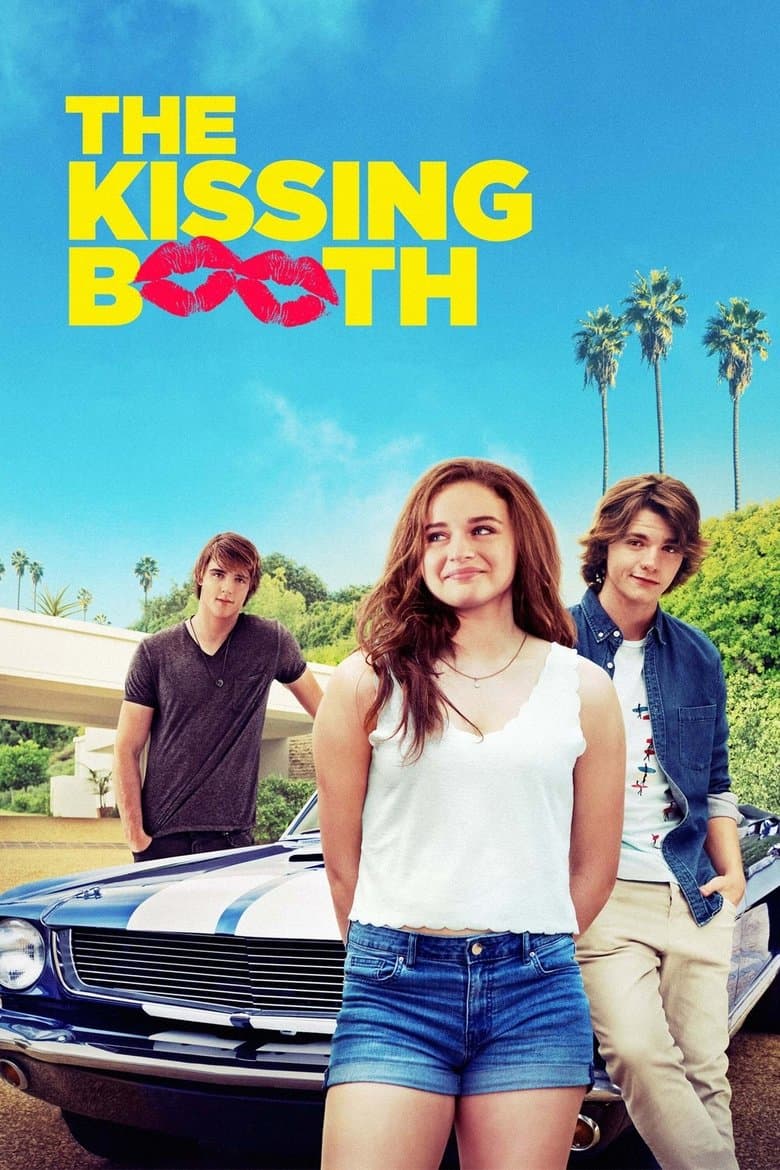
When teenager Elle's first kiss leads to a forbidden romance with the hottest boy in high school, she risks her relationship with her best friend.
Movie · 2019
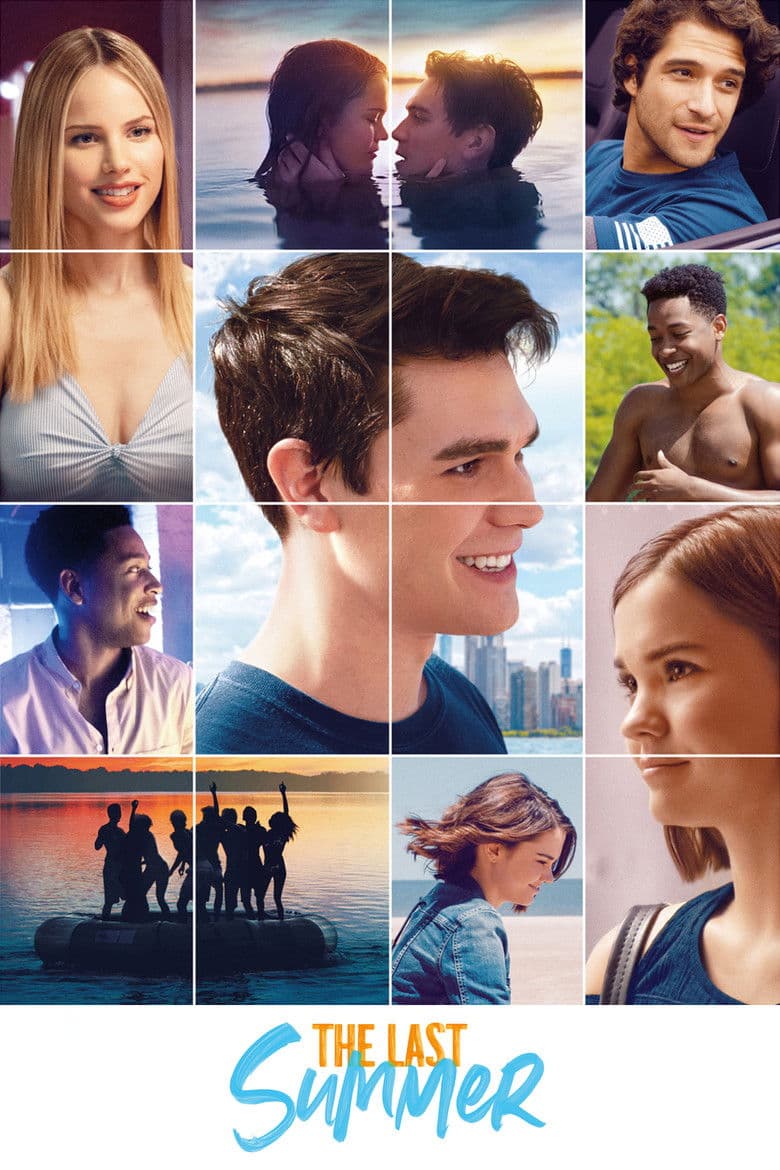
Standing on the precipice of adulthood, a group of friends navigate new relationships, while reexamining others, during their final summer before college.
Movie · 2022
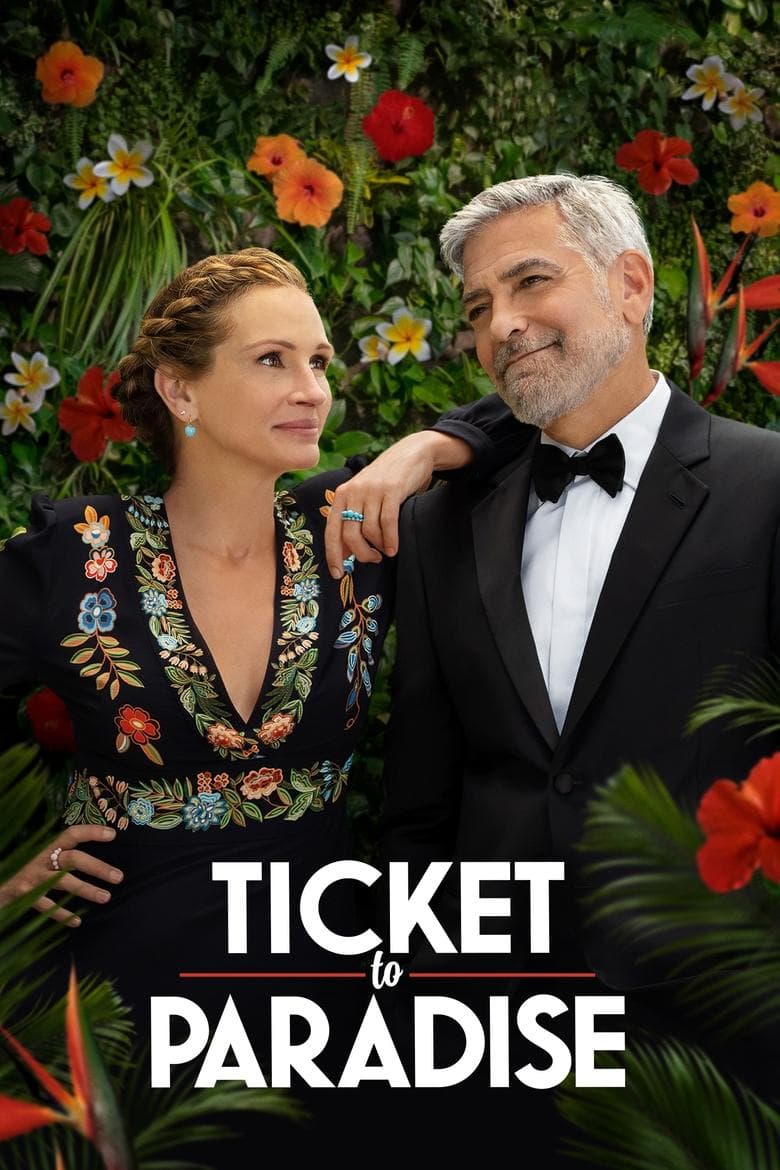
Divorced couple Georgia and David find themselves on a shared mission: they team up and travel to Bali to stop their daughter Lily from making the same mistake they once made 25…
Movie · 2026
Poppy's a free spirit. Alex loves a plan. After years of summer vacations, these polar-opposite pals wonder if they could be a perfect romantic match.
Movie · 2018
A quirky couple spends their three-year dating anniversary looking back at their relationship and contemplating whether they should break up.
Movie · 2025
Dawn thinks she's joining a dating show in Paris, France, only to land in Paris, Texas. She has an exit plan — until sparks fly with the cowboy bachelor.
Movie · 2024
Fresh off an almost career-ending accident, stuntman Colt Seavers has to track down a missing movie star, solve a conspiracy and try to win back the love of his life while still…
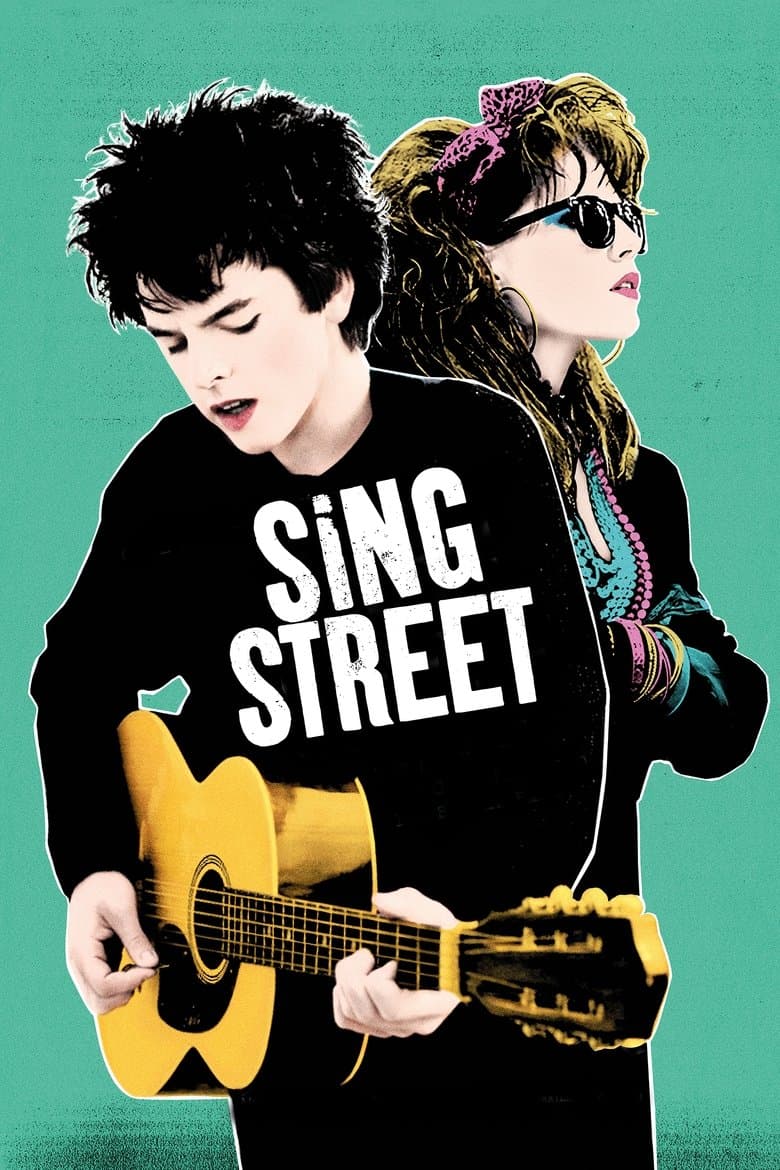
Movie · 2016
A boy growing up in Dublin during the 1980s escapes his strained family life by starting a band to impress the mysterious girl he likes.
