Movie review
March 3, 2017 · 129 min · R · Spanish · Crime · Mystery · Thriller
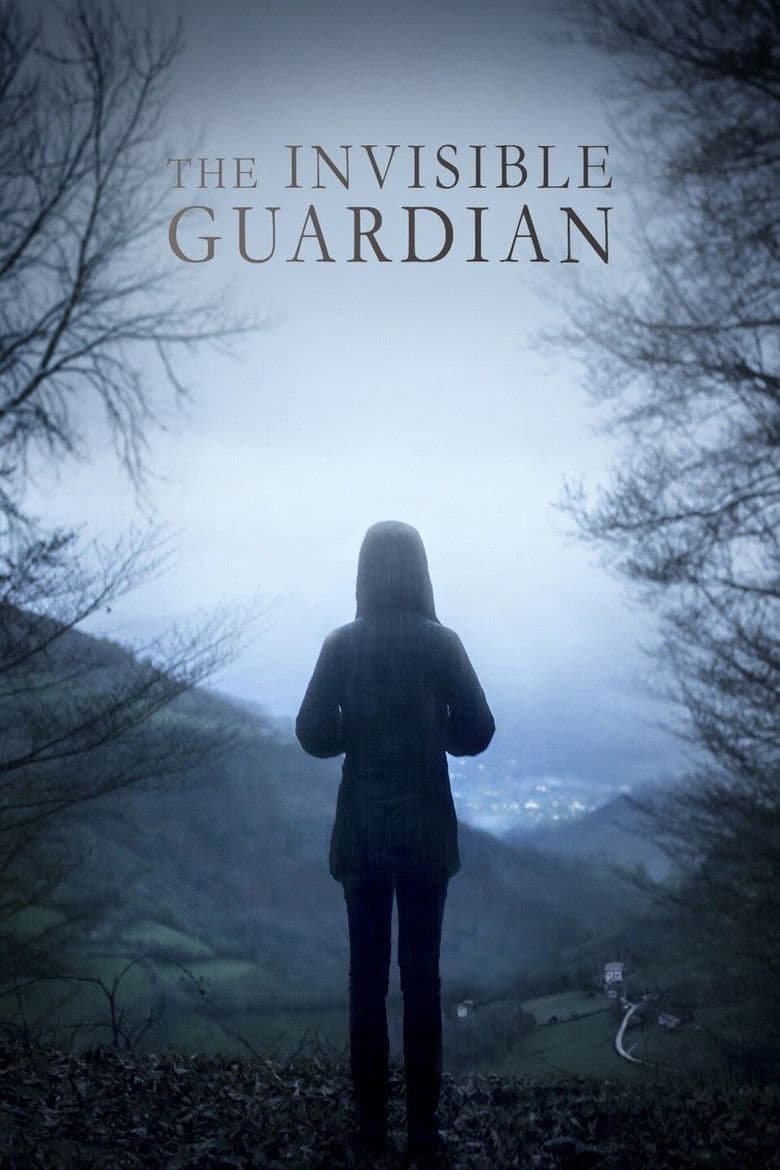
Inspector Amaia Salazar returns to Elizondo in the rainy Baztán Valley after a teenage girl is found dead near the river. A second murder links the case to a killer who may be targeting young girls and arranging their bodies in a strange ritual. Amaia works with local officers while old family wounds pull her into fights with her sisters and memories of an abusive mother. The case also raises the question of whether a killer or the Basajaun, a forest being from Basque legend, is behind the deaths. The film keeps a dark, rainy, and tense tone.
The story gives most of its attention to Amaia and the women in her family. Amaia is a skilled police inspector, while her sisters and aunt carry much of the family history and conflict. The film links the murder case with female suffering, family abuse, motherhood, and pressure on women at work and at home. The women often lead the action, while the men mainly support the case, create trouble, or stay at the edge of the story. Basque folklore and the family’s painful past make the female point of view central to the thriller.
Community feedback
Was our 51% Woke rating accurate?
Breakdown
These are the editorial factors and ratings behind our score for The Invisible Guardian.
Woke representation / casting
Amaia is a woman leading a police murder case, and the main Salazar family is made up of several strong women. The director and Marta Etura publicly framed the film as a female-centered thriller told through a female point of view. Most men stay in supporting or threatening roles. The pattern is clear and audience-visible, but the story has no broad diversity-first cast or major identity mismatch.
48%
Woke political dialogue
Not present. The film’s spoken lines focus on the murders, police work, family trauma, marriage, and local myths. No clear modern identity, DEI, or activist message is carried by recurring dialogue.
0%
Identity-driven story themes
The story repeatedly places women at the center of the police case and the family drama. Amaia is a highly skilled inspector, and her sisters and aunt shape the main personal conflict. The film presents a family led by women and follows female survivors of abuse, while men often help, threaten, or remain in the background. These themes are central to the story, but the film remains a crime and folklore thriller rather than a direct activist project.
55%
Western institutional / cultural critique
Not present. The film does not make a sustained modern attack on Western institutions, Christianity, family life, or men as a group. The killer’s belief that girls must be “purified” is shown as criminal thinking, not promoted as the film’s social message.
0%
Woke character or canon changes
Not relevant. The film adapts Dolores Redondo’s first Baztán novel and keeps Amaia Salazar as the female inspector at the center. No reported race, gender, sexuality, or real-history change drives the adaptation.
0%
Anti-woke backlash and complaints
Not present. No sustained anti-woke complaint was found on X or in the wider coverage reviewed. The widely reported 2017 boycott concerned a supporting actress’s remarks about Spaniards, not DEI, identity politics, or activist content.
0%
Creator track record context
Fernando González Molina has a wider record of LGBT and intersex visibility work. Dolores Redondo often centers strong women, motherhood, abuse, and women working inside male-led systems. Luiso Berdejo’s record is mainly genre storytelling, with no clear activist pattern. This mixed record supports a moderate score because the director and novelist’s known themes match the film’s strong female focus.
54%
Production
Movie · 2017
Jin-seok, 21-year-old, moves into a new house with his family. He suffers from a slight schizophrenia but he carries an ordinary life under the warm care of the family.
Movie · 2018
Lake Tahoe, 1969. Seven strangers, each one with a secret to bury, meet at El Royale, a decadent motel with a dark past.
Movie · 2021
An agoraphobic woman living alone in New York begins spying on her new neighbors only to witness a disturbing act of violence.
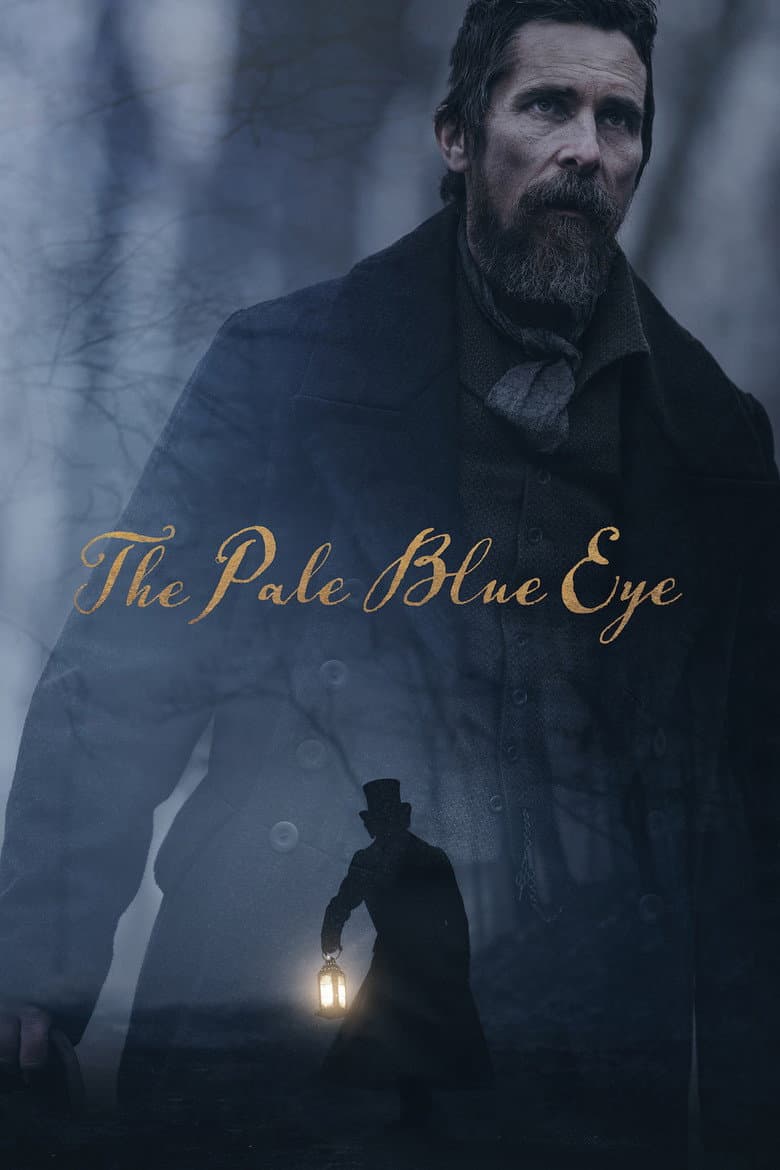
Movie · 2022
West Point, New York, 1830. When a cadet at the burgeoning military academy is found hanged with his heart cut out, the top brass summons former New York City constable Augustus…
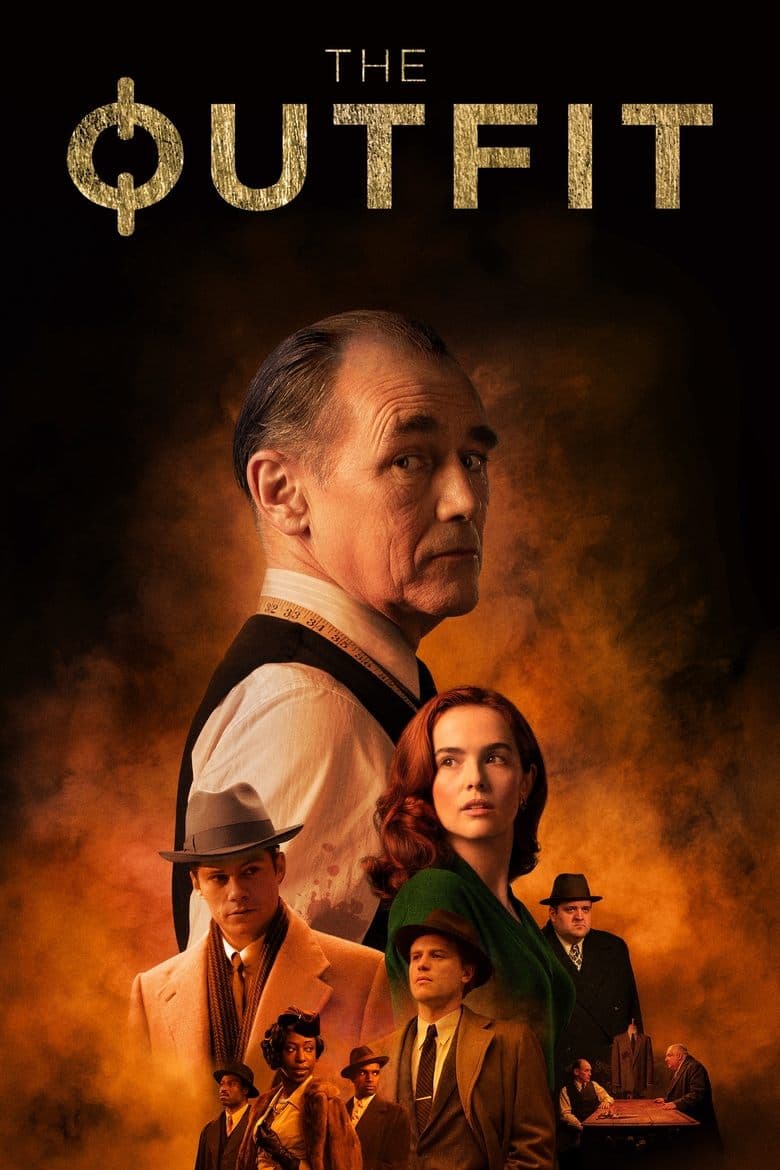
Movie · 2022
Leonard is an English tailor who used to craft suits on London’s world-famous Savile Row. After a personal tragedy, he’s ended up in Chicago, operating a small tailor shop in a…
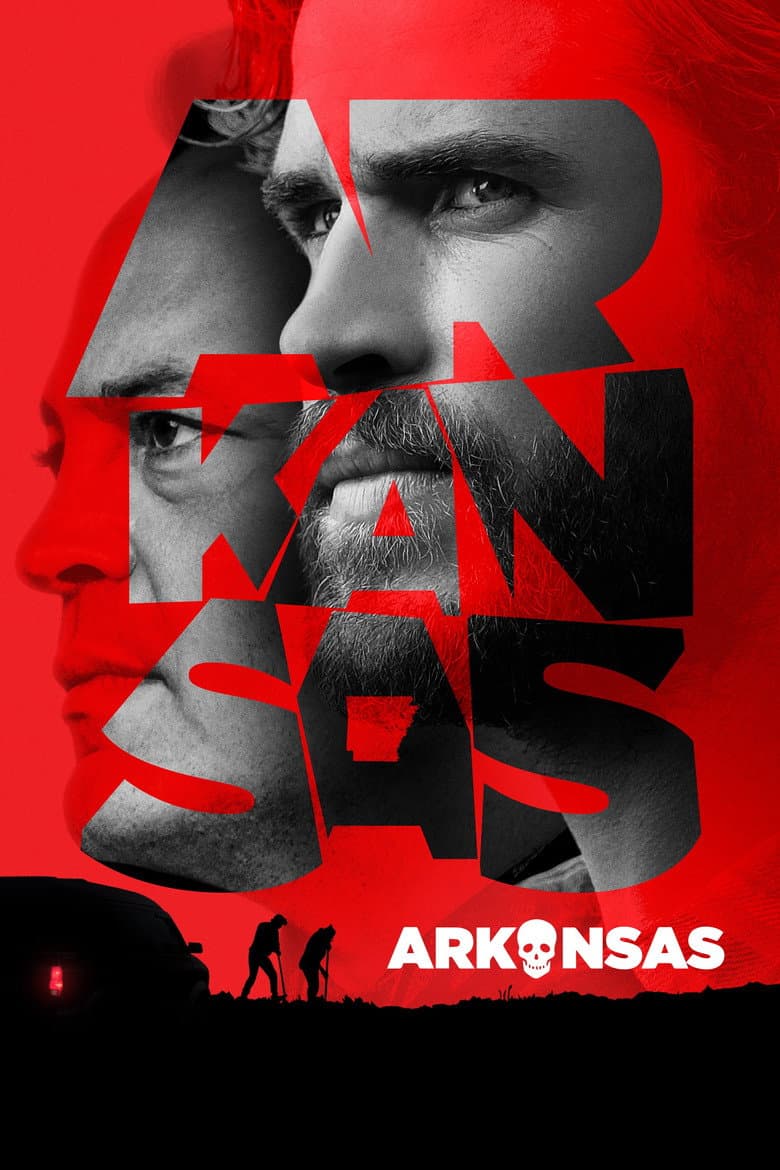
Movie · 2020
Kyle and Swin live by the orders of an Arkansas-based drug kingpin named Frog, whom they've never met. But when a deal goes horribly wrong, the consequences are deadly.
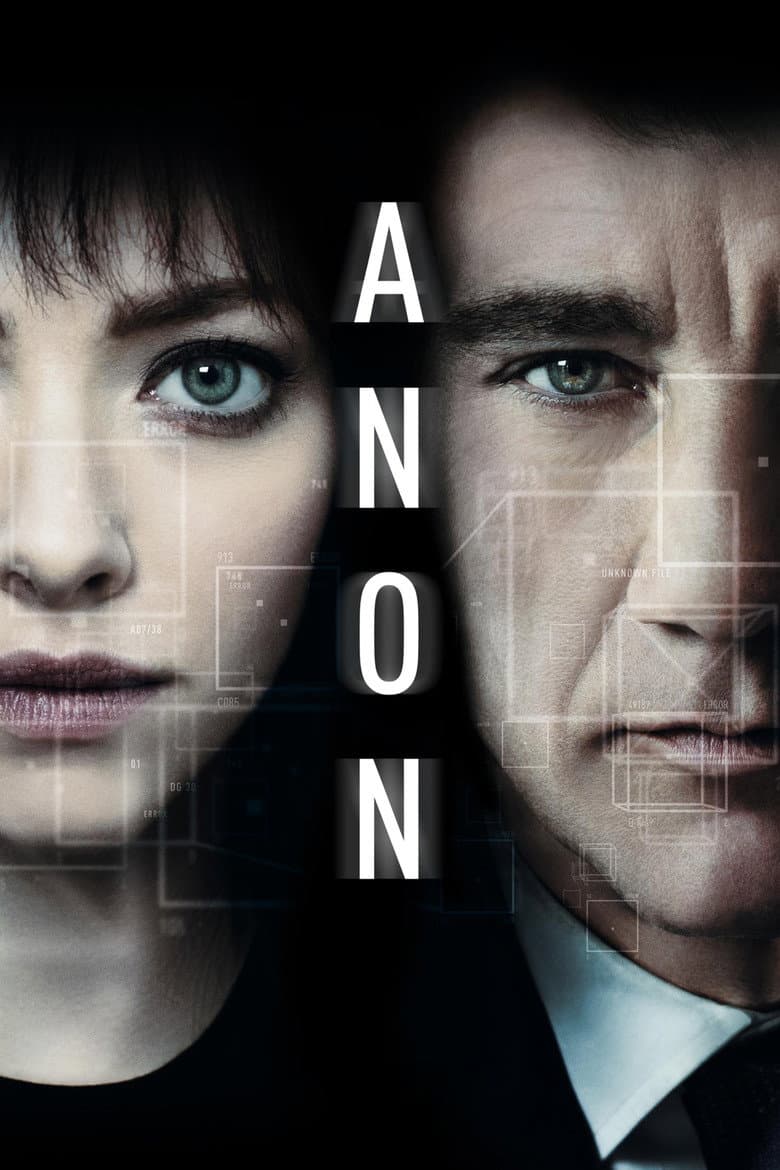
Movie · 2018
Set in a near-future world where there is no privacy, ignorance or anonymity, our private memories are recorded and crime almost ceases to exist.

Movie · 2017
A private investigator helps a former flame solve the murder of her wealthy grandfather, who lived in a sprawling estate surrounded by his idiosyncratic family.
