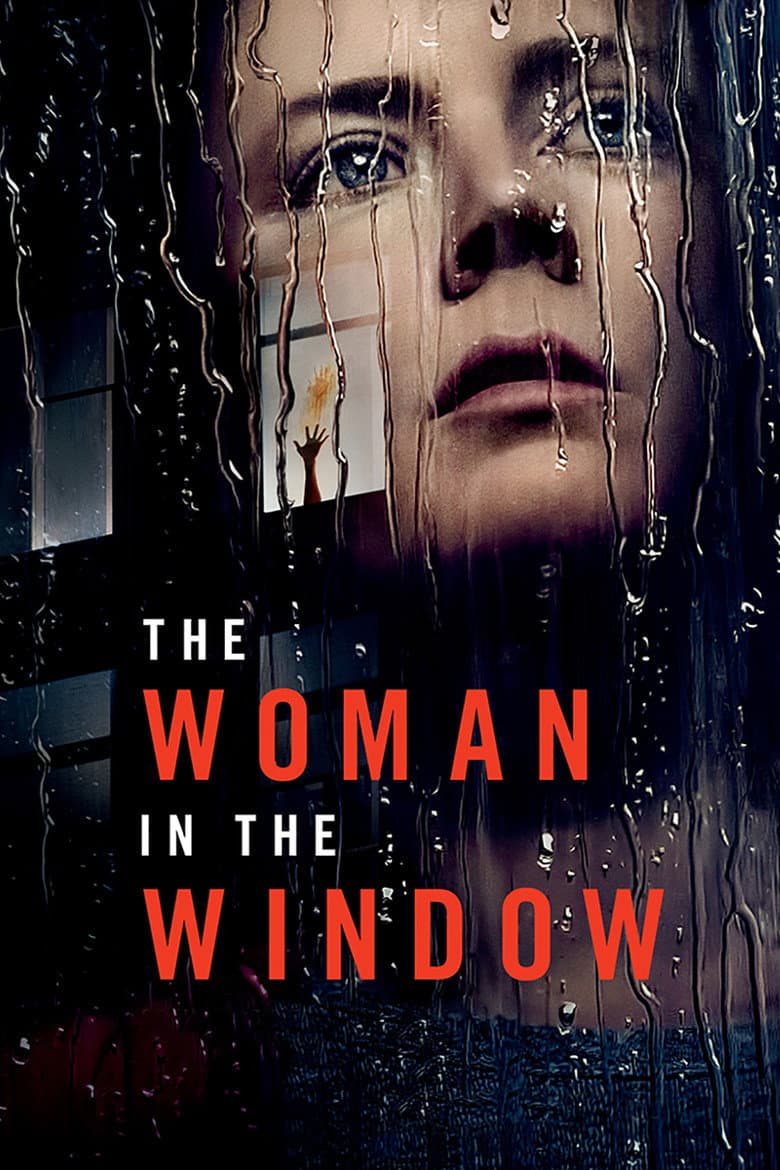
Anna Fox is a child psychologist who has not left her Manhattan home for ten months because of a strong fear of going outside. She spends her days drinking wine, taking medicine, watching old movies, and studying the family that moves in across the street. Anna thinks she sees a woman stabbed, but her fear, grief, and damaged memory make it hard to know what really happened. The film uses dark rooms, bright flashes of color, and sudden violence to create a tense, uneasy mood.
The film includes a black husband for Anna and a black detective who becomes one of her few helpers. Anna jokes that the Russell family is very white, and Edward answers with a joke about the neighborhood. These moments make race visible, but they stay outside the main mystery and do not drive the plot. The story mainly follows Anna's grief, alcohol and medicine problems, and fight to face the world again.
Community feedback
Was our 11% Woke rating accurate?
Breakdown
These are the editorial factors and ratings behind our score for The Woman in the Window.
Woke representation / casting
Not present in this title.
0%
Woke political dialogue
Anna calls the Russell family “very white.” Edward answers with a joke about the neighborhood. The exchange makes race briefly visible, but it does not argue for a political cause. The rest of the dialogue stays with grief, mental health, marriage, violence, and suspicion.
7%
Identity-driven story themes
Not present. Narrative stays on personal trauma, grief, agoraphobia, and psychological unreliability; no race, gender, sexuality, or identity-politics framing.
0%
Western institutional / cultural critique
Not present. Story offers no modern activist critique of patriarchy, institutions, toxic masculinity, or Western norms; abusive husband and cover-up remain personal thriller elements.
0%
Woke character or canon changes
Not relevant. (original story with no established canon or source-material alterations tied to ideology).
0%
Anti-woke backlash and complaints
One small X account called the film “anti-white hatred.” The account pointed to the joke about the Russell family being white and claimed that white men are mostly bad while black men are good. The wider search found no large right-leaning campaign, boycott, or review-bomb wave. The available backlash is fringe and cannot show that the complaint is fair.
12%
Creator track record context
Joe Wright has a mild progressive record, including views about gender and anti-fascist ideas tied to toxic masculinity. Tracy Letts often writes about family power and social problems. A.J. Finn, Eli Bush, Scott Rudin, and Ellen Chenoweth have little public record of identity-focused activism. This adds mild background context, but it does not make the film strongly activist.
21%
Production
Movie · 2017
Jin-seok, 21-year-old, moves into a new house with his family. He suffers from a slight schizophrenia but he carries an ordinary life under the warm care of the family.
Movie · 2018
A series of mysterious events changes the life of a blind pianist who now must report a crime that was actually never witnessed by him.
Movie · 2017
A homicide detective teams up with a criminal profiler to catch a serial killer whose crimes are inspired by the children's game, Hangman.
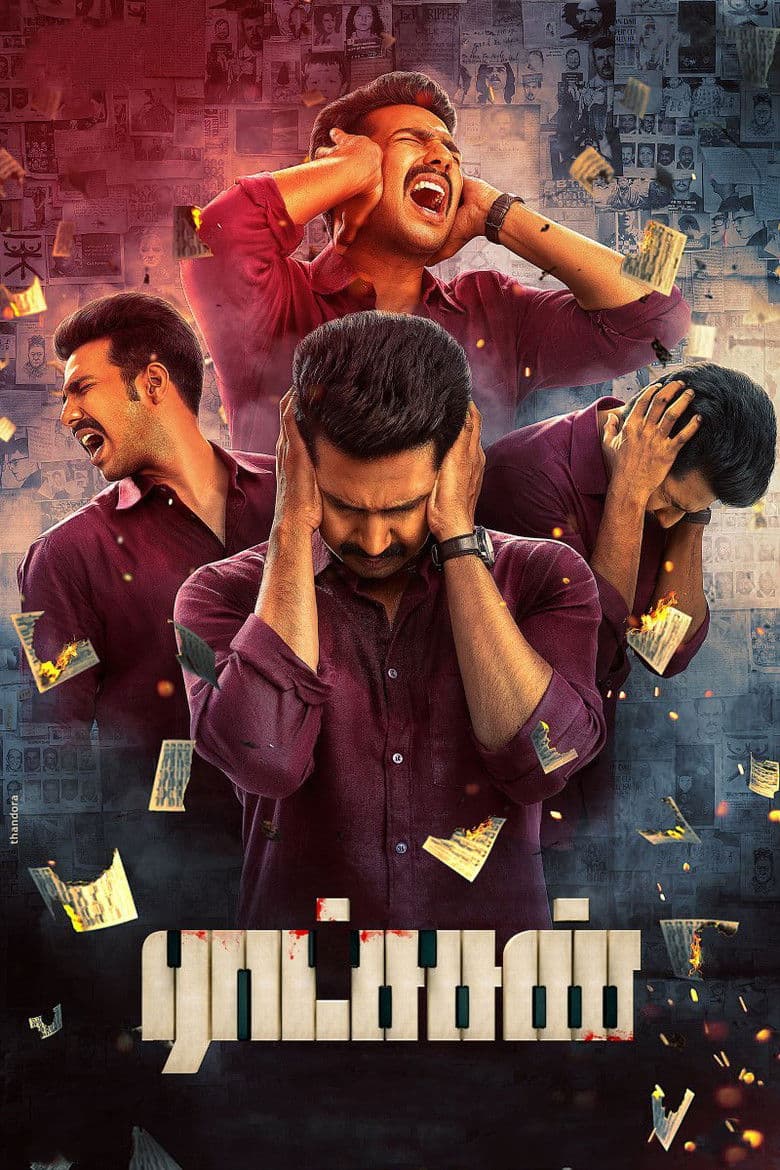
Movie · 2018
A serial killer is murdering school girls, and a newbie cop has to track him down before the victim count increases.
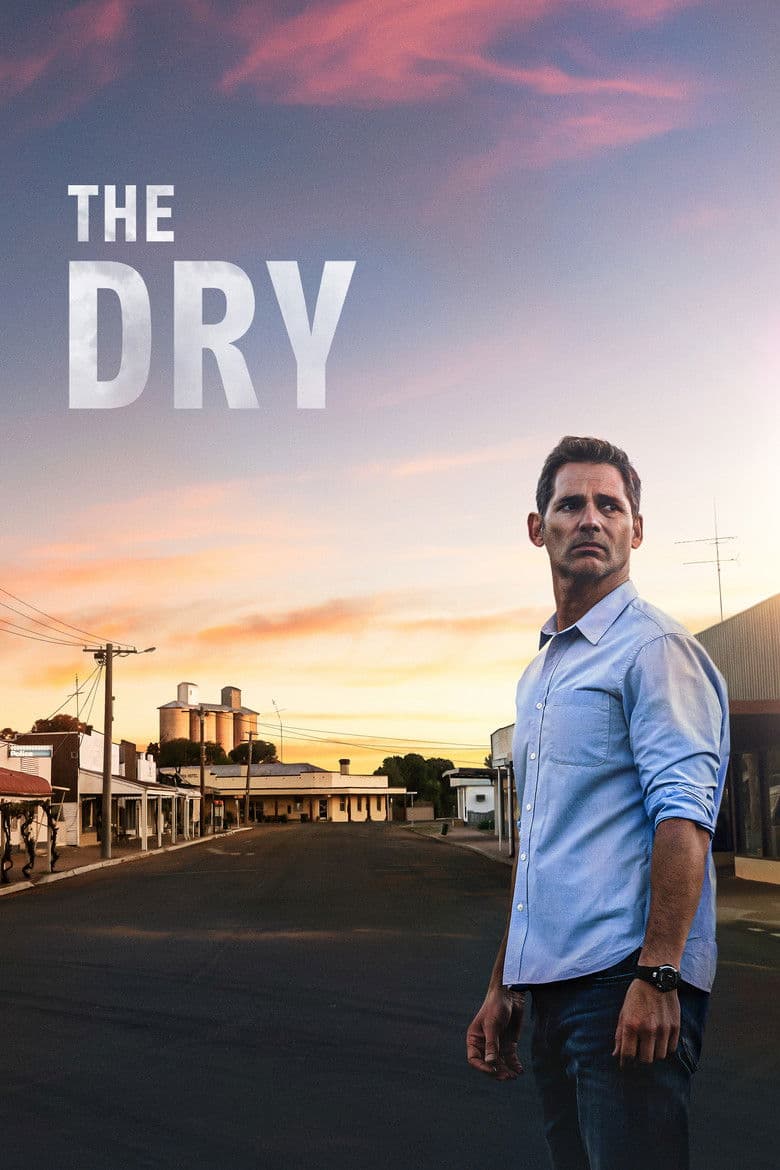
Movie · 2021
Aaron Falk returns to his drought-stricken hometown to attend a tragic funeral. But his return opens a decades-old wound - the unsolved death of a teenage girl.
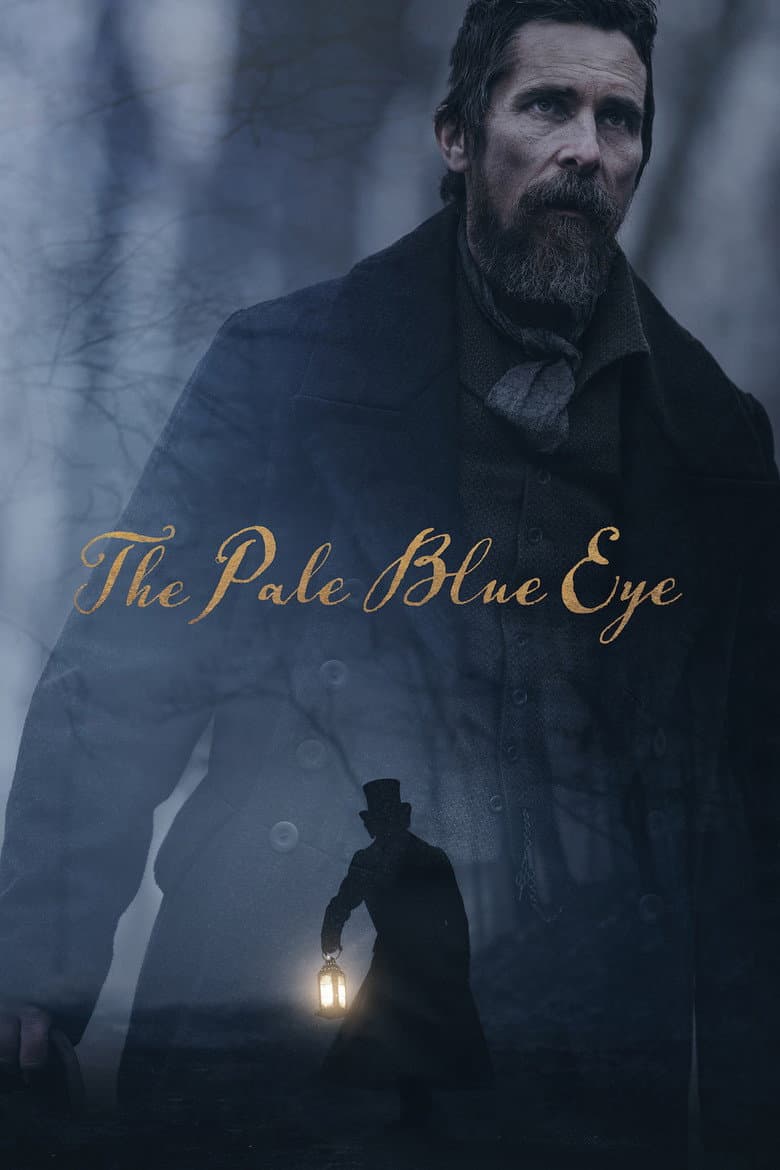
Movie · 2022
West Point, New York, 1830. When a cadet at the burgeoning military academy is found hanged with his heart cut out, the top brass summons former New York City constable Augustus…

Movie · 2023
Helena, a woman living a seemingly ordinary life, hides a dark secret—her father is the infamous 'Marsh King', the man who kept her and her mother captive in the wilderness for…
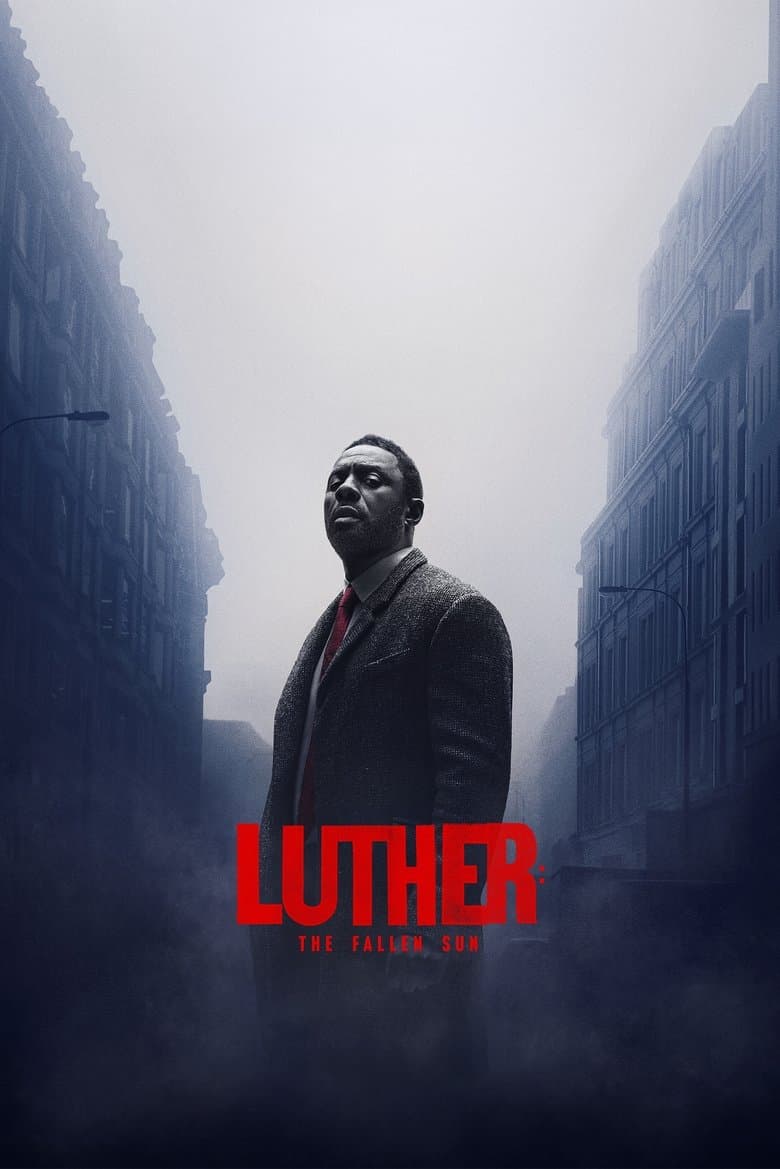
Movie · 2023
A gruesome serial killer is terrorizing London while brilliant but disgraced detective John Luther sits behind bars.
