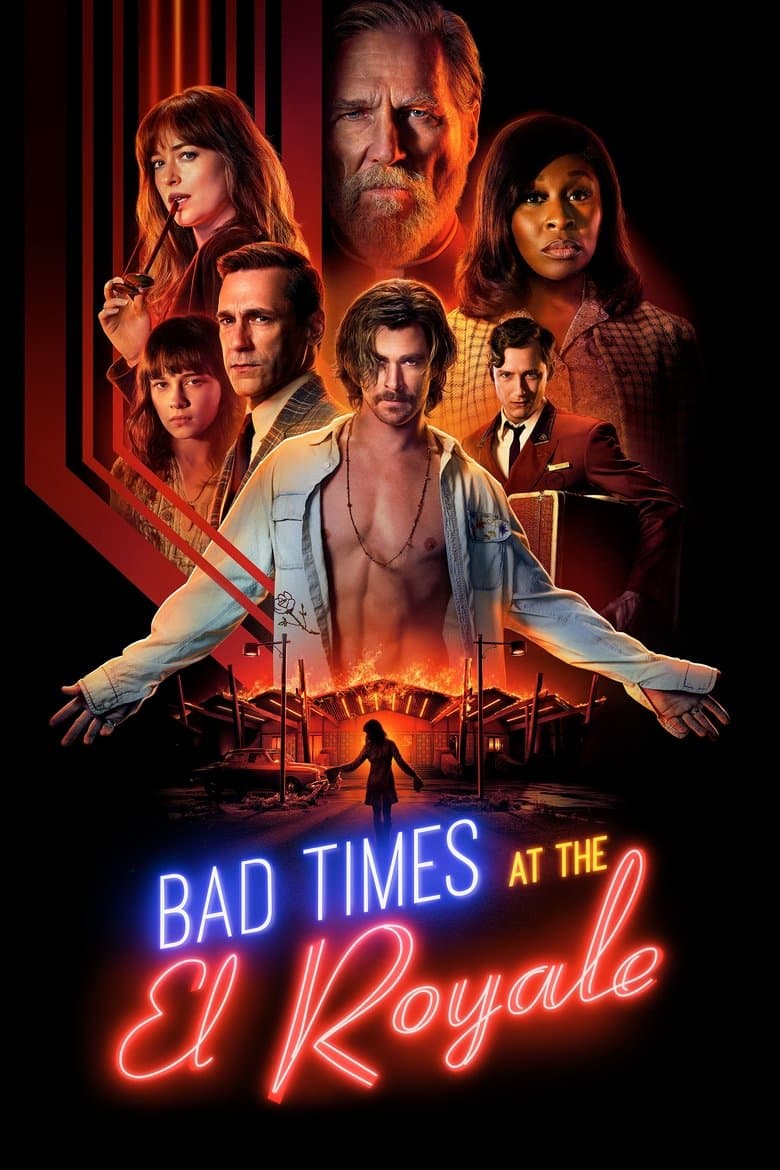
The 2018 neo-noir thriller follows seven strangers with dark secrets who gather at a rundown hotel straddling the California-Nevada border in 1969. Their stories of crime, cult violence, FBI surveillance, and personal guilt collide during one chaotic night, with strong emphasis on faith, morality, and the chance for redemption. The film features a prominent black singer character played by Cynthia Erivo who receives a key monologue and survives to perform at the end, but this sits within an ensemble story about universal human failings rather than identity-driven messaging.
Community feedback
Was our 18% Woke rating accurate?
Breakdown
These are the editorial factors and ratings behind our score for Bad Times at the El Royale.
Woke representation / casting
Prominent role for black British actress Cynthia Erivo as a 1969 soul singer that fits the Reno setting naturally; casting director's diversity focus noted, plus minor creative input to highlight her monologue, but no quotas, swaps, or mismatches with the story world.
20%
Woke political dialogue
Period dialogue includes 1960s references to racism, sexism, Nixon, Hoover, and Vietnam service presented as historical flavor; no modern activist speeches or lectures.
10%
Identity-driven story themes
Core narrative centers on personal secrets, faith crises, cult violence, and individual redemption with no foregrounding of race, gender, sexuality, or group identity grievances.
0%
Western institutional / cultural critique
Shows historical FBI wiretapping and an abusive cult leader's control over women and followers as plot drivers in a 1960s crime story; framed as moral failures and personal trauma rather than modern systemic or identity-based attacks on institutions.
10%
Woke character or canon changes
Not present in this title.
0%
Anti-woke backlash and complaints
Sparse online comments labeling it woke or cliché with no organized right-leaning backlash, major news coverage, or widespread audience complaints about identity politics.
5%
Creator track record context
Drew Goddard builds humanist, character-focused genre films without activist patterns; Jeremy Latcham has produced entertainment and faith-oriented projects; overall low identity-driven history among key creatives aside from the casting director's general approach.
15%
Production
Movie · 2018
A serial killer is murdering school girls, and a newbie cop has to track him down before the victim count increases.
Movie · 2017
A homicide detective teams up with a criminal profiler to catch a serial killer whose crimes are inspired by the children's game, Hangman.
Movie · 2023
Following the brutal murder of a young real estate agent, a hardened detective attempts to uncover the truth in a case where nothing is as it seems, and by doing so dismantles the…
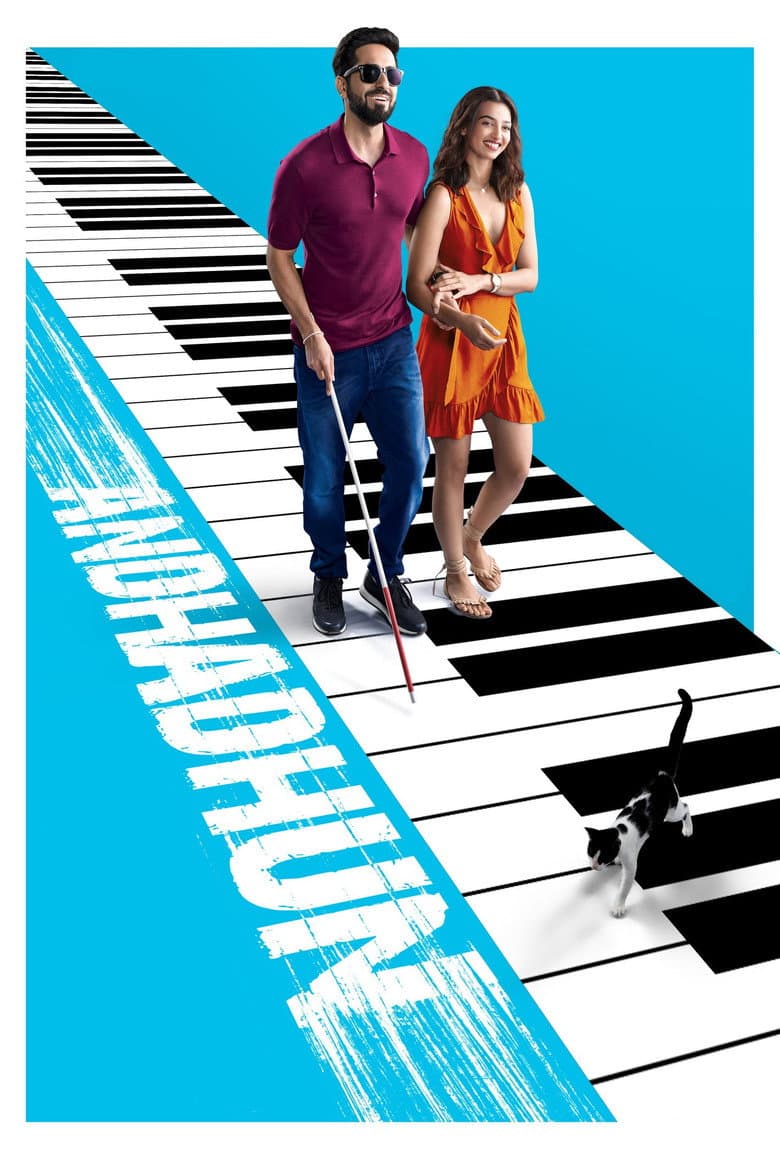
Movie · 2018
A series of mysterious events changes the life of a blind pianist who now must report a crime that was actually never witnessed by him.

Movie · 2020
Hired to steal a rare painting from one of the most enigmatic painters of all time, an ambitious art dealer becomes consumed by his own greed and insecurity as the operation spins…
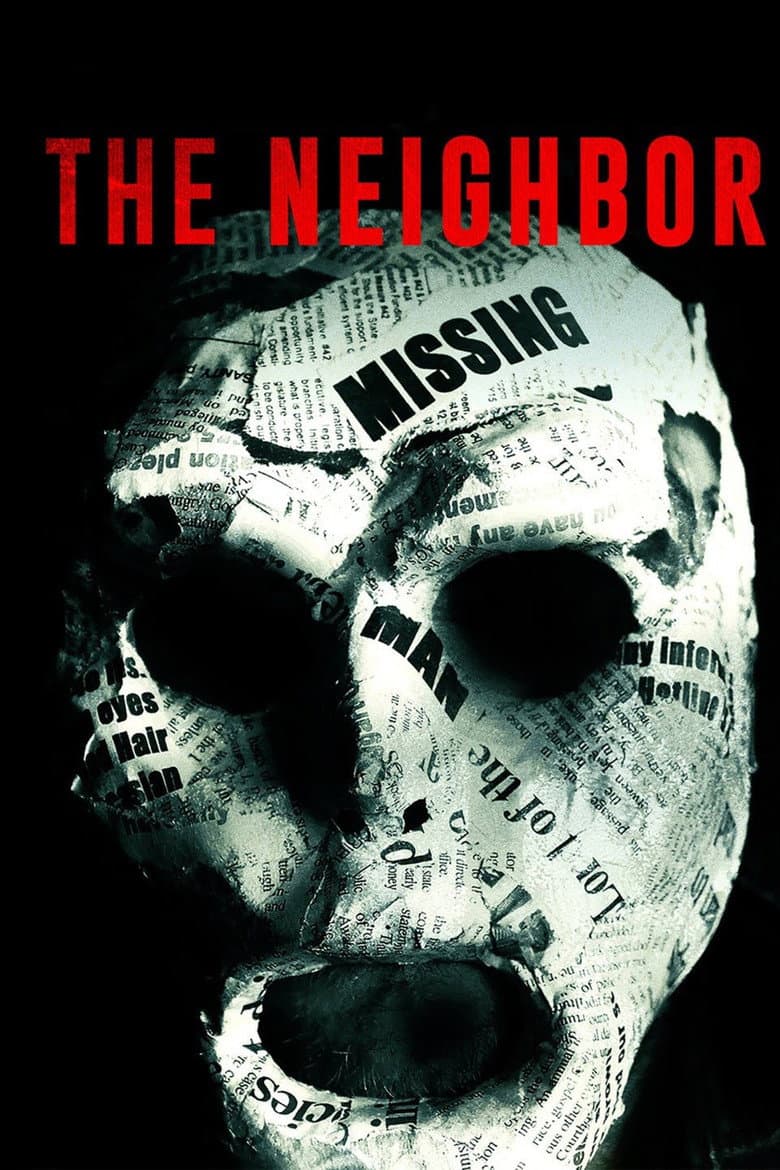
Movie · 2016
In the town of Cutter, most people keep to themselves. But when John comes home to find his girlfriend missing, he sneaks into his neighbor's house, finding his girlfriend and…
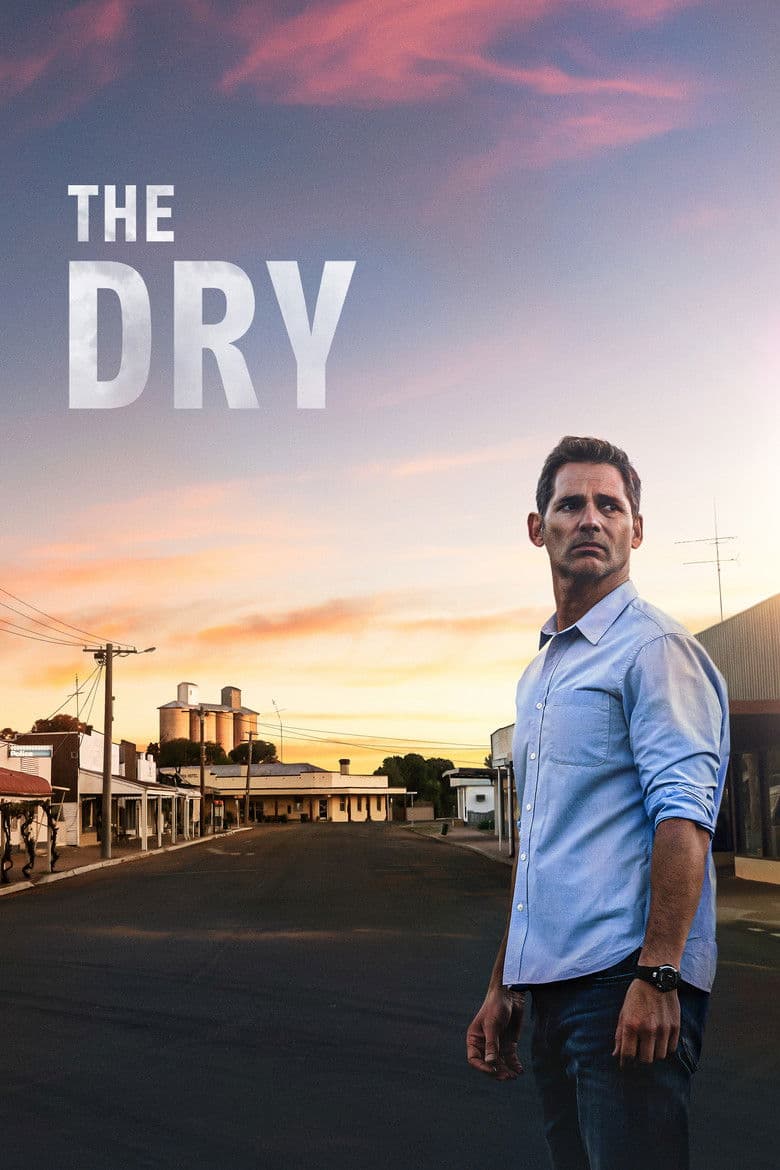
Movie · 2021
Aaron Falk returns to his drought-stricken hometown to attend a tragic funeral. But his return opens a decades-old wound - the unsolved death of a teenage girl.

Movie · 2022
Detectives Jake Doyle and Mary Kelly seek the help of an incarcerated serial killer named The Artist when a copycat killer strikes.
