Movie review
January 24, 2019 · 119 min · PG-13 · Documentary
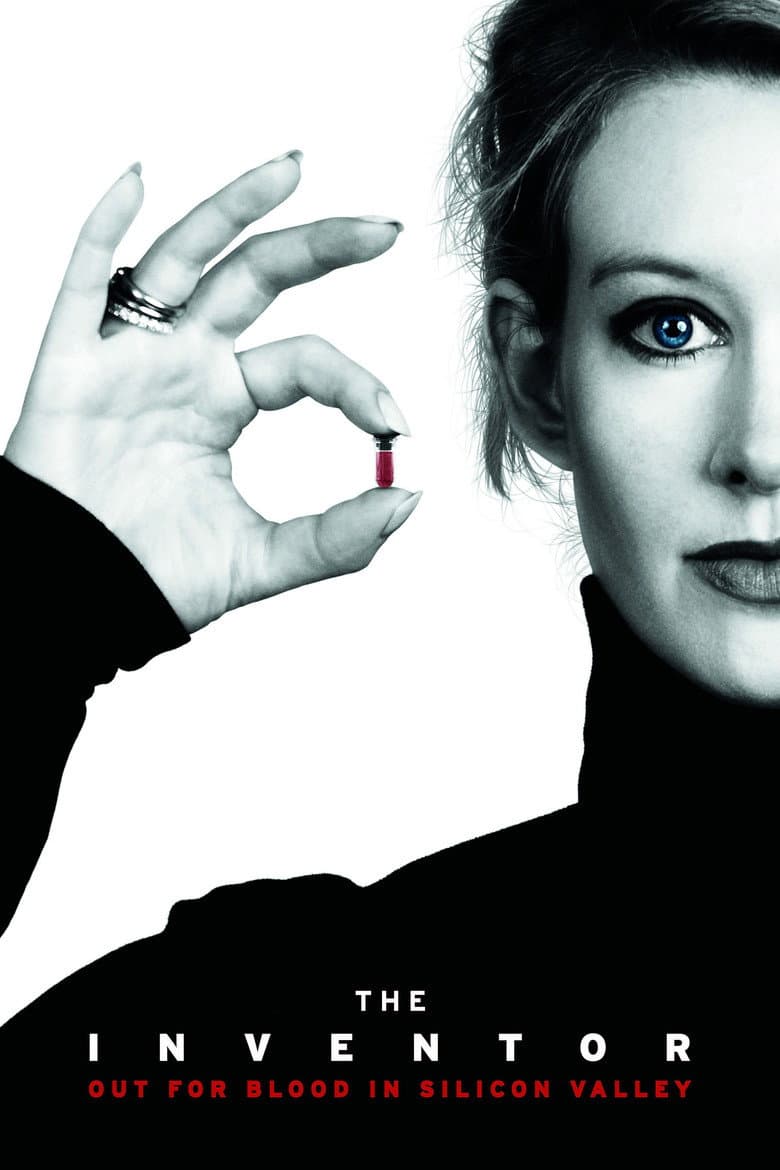
Elizabeth Holmes leaves Stanford and builds Theranos around a promise that a few drops of blood can replace many normal tests. She wins praise, money, and powerful friends while the company grows inside the secretive world of Silicon Valley. The film follows workers, reporters, investors, and officials as they learn that the machines do not work as promised. Its tone is tense, doubtful, and sometimes darkly funny.
The main woke element is the repeated focus on Holmes as a young woman who becomes a leader in a male-dominated tech world. The film shows that image helping her win trust, especially from investors and workers who see her as a symbol of female success. It also presents cheap health testing as a basic human need and questions a business system that rewards big promises before proof. These ideas support the story about fraud, but the film mainly warns about lies, weak checks, and the worship of famous founders.
Community feedback
Was our 34% Woke rating accurate?
Breakdown
These are the editorial factors and ratings behind our score for The Inventor: Out for Blood in Silicon Valley.
Woke representation / casting
Not present. The documentary uses real people and old footage instead of fictional casting. Its women and men appear because they were part of the real Theranos story, not as a diversity pattern.
0%
Woke political dialogue
The film repeats Holmes’s promise that everyone should have access to health information. Holmes calls health protection a basic human right and presents cheap tests as a way to change health care. The film also shows Arizona letting people order lab tests without a doctor. These lines are tied to her sales pitch and are not a wider identity or DEI program.
14%
Identity-driven story themes
The film repeatedly presents Holmes as a young woman leading in a male-dominated tech world. Erika Cheung says Holmes inspired her as a woman in science and technology who founded a company. The documentary shows investors and workers treating Holmes as a symbol of female success. The film uses that gender image to explain her appeal, but its main message is about fraud and self-deception.
34%
Western institutional / cultural critique
The film shows major blood labs as expensive and hard to understand. It questions Silicon Valley’s habit of trusting a lone genius and rewarding big promises before proof. It shows Holmes using wealthy board members, political ties, lawyers, and secrecy to delay checks on the company. The film gives a recurring critique of corporate and regulatory failure, but it does not call for socialism or a broad attack on Western society.
34%
Woke character or canon changes
Not relevant. The documentary deals with real people and events. It does not change anyone’s race, sex, sexuality, or role to fit an identity message.
0%
Anti-woke backlash and complaints
Not present. The supplied X pass found no anti-woke reaction. Other public discussion focused on the fraud, Holmes’s behavior, the medical danger, and the film’s quality rather than woke or DEI messaging.
0%
Creator track record context
Alex Gibney has a repeated record of investigating corporate power, government abuse, and social inequality. Nancy Abraham has worked on documentaries about social-justice and representation issues. The other cached producers are mostly tied to investigative, business, or cultural work with little documented identity-politics activity. The team gives the title a moderate activist context, but the film itself is mainly a fraud investigation.
31%
Production
Movie · 2018
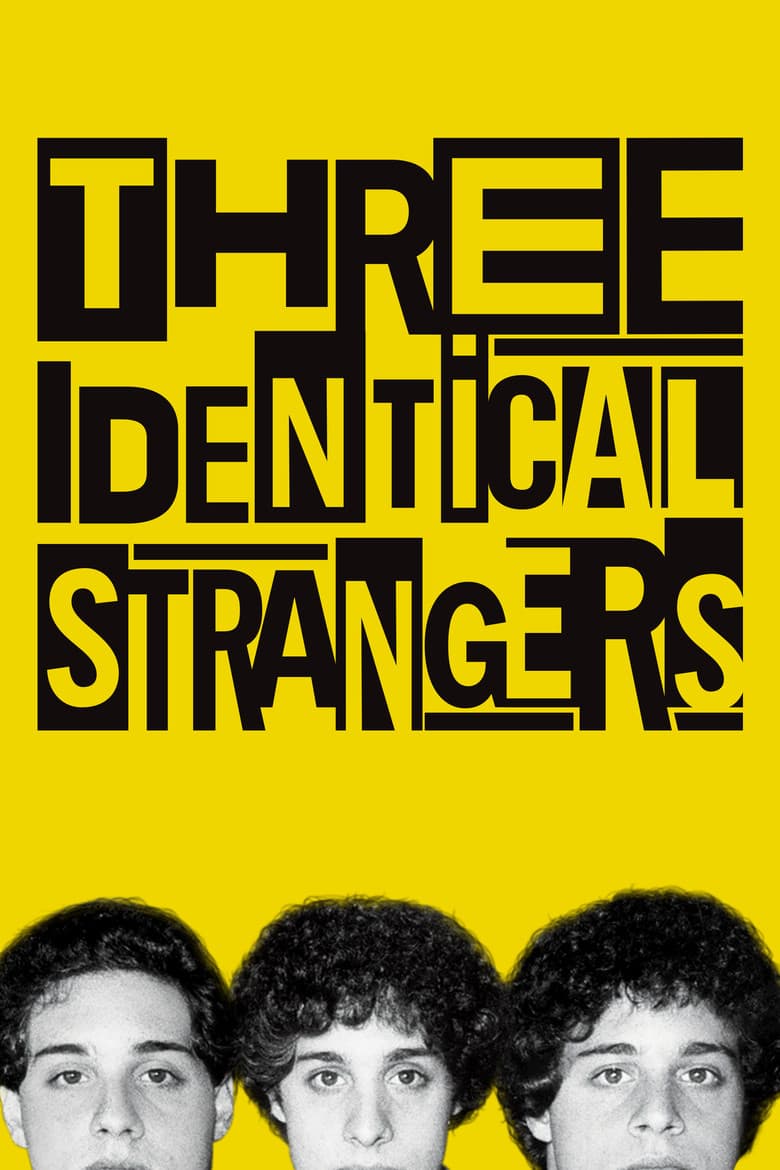
New York, 1980. Three complete strangers accidentally discover that they're identical triplets, separated at birth.
Movie · 2025
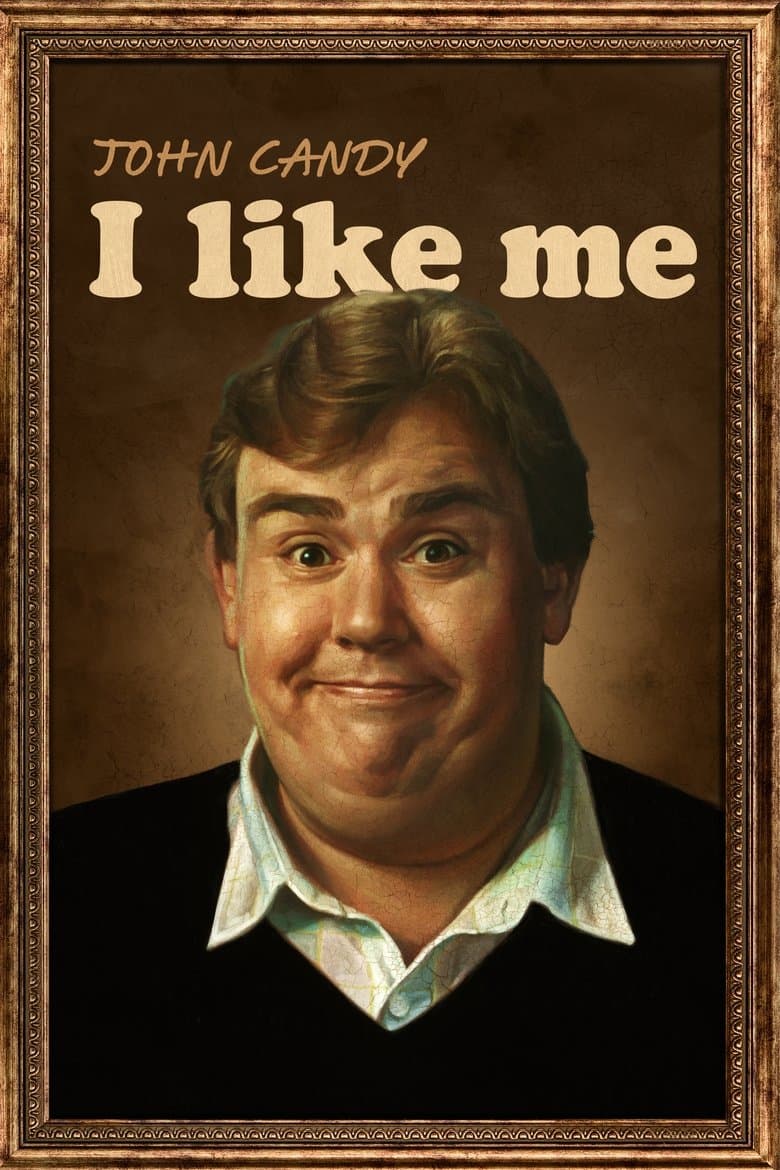
Those who knew iconic funnyman John Candy best share his story, in their own words, through never-before-seen archival footage, imagery, and interviews.
Movie · 2017
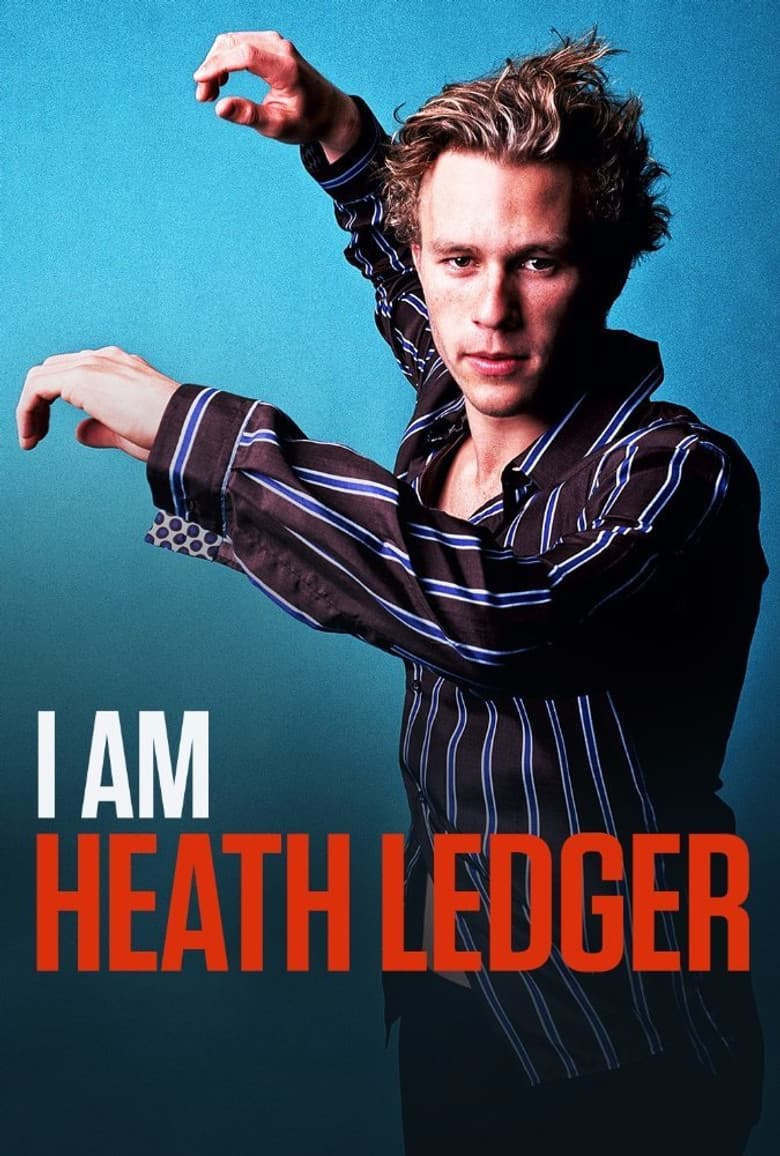
The life and career of an actor, artist, and icon. His own journey through his own camera.
Movie · 2025
The individual journeys of the four members of the band, as they move through the music scene of the 1960s, playing small clubs throughout Britain and performing some of the…
Movie · 2020
With this inventive portrait, director Kirsten Johnson seeks a way to keep her 86-year-old father alive forever.
Movie · 2019
Constructed from over 500 hours of never-before-seen footage, this documentary centers on the personal life and career of the controversial football player Diego Maradona who…
Movie · 2016
With never-before seen home video, this film recounts the paranoid downward spiral of John E. du Pont and the murder of Olympic wrestler Dave Schultz.
Movie · 2019
An Iraqi journalist joins an army of uneasy allies and unforgettable characters in the epic battle to liberate the city of Mosul from the Islamic State.
