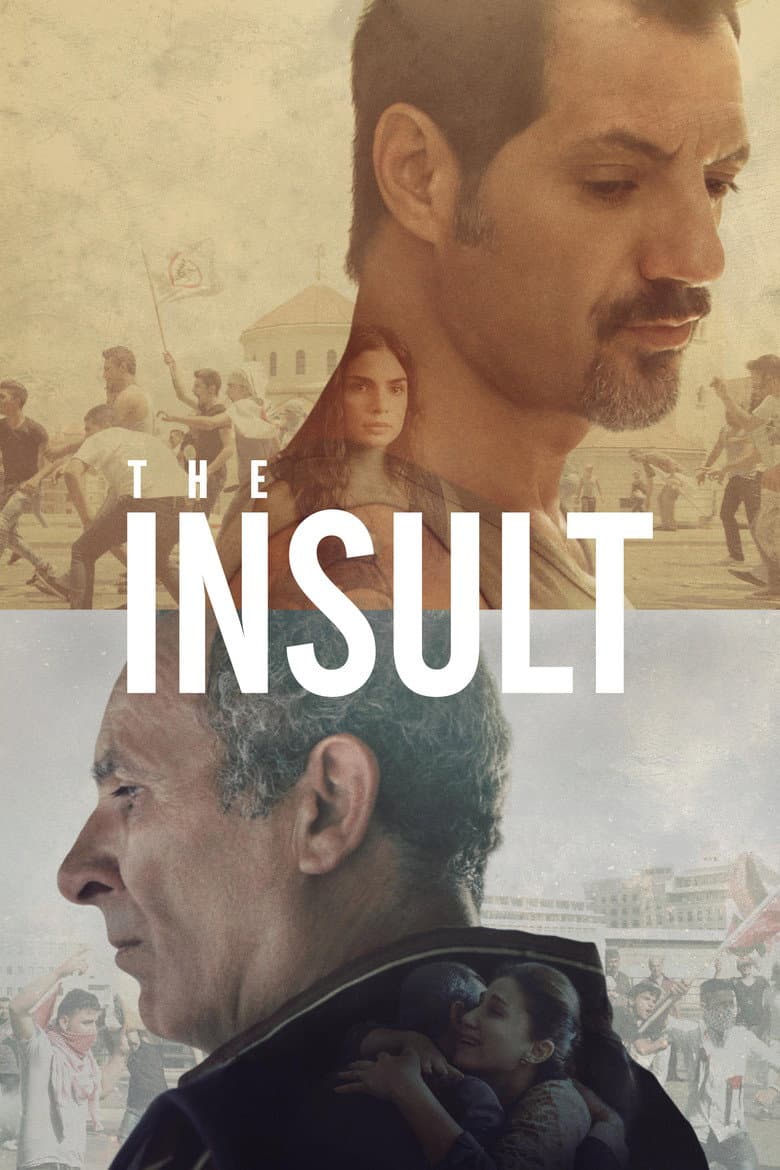
The Insult follows Tony Hanna, a Lebanese Christian mechanic in present-day Beirut. A leaking drainpipe brings him into conflict with Yasser Salameh, a Palestinian refugee who works as a building foreman. Tony demands an apology after Yasser insults him, but Tony then says something far more hateful, and Yasser hits him. Their fight reaches court, where lawyers, reporters, politicians, and crowds turn a small dispute into a national crisis. The film is tense, angry, and serious, with a few tender moments.
The movie makes Lebanese Christian and Palestinian identity the center of its story. Court testimony and old video clips connect the men's anger to the Lebanese Civil War, the Damour massacre, refugee life, and the loss of homes. It shows Yasser facing unfair treatment because he is Palestinian, while it also gives Tony's Christian family a painful history of its own. A young female lawyer and a female judge are shown as skilled voices for calm, adding a smaller gender message. The main message favors empathy and shared suffering, while the story keeps both men flawed and sometimes shifts sympathy between them.
Community feedback
Was our 59% Woke rating accurate?
Breakdown
These are the editorial factors and ratings behind our score for The Insult.
Woke representation / casting
The cast places a Lebanese Christian mechanic and a Palestinian refugee at the center, which fits the story’s Beirut setting. The movie also gives major speaking roles to a young female lawyer and a female judge. The film’s press-kit interview says women take control and bring balance to the conflict. The roles are not presented as a broad diversity campaign, so the casting signal stays mild.
15%
Woke political dialogue
Courtroom arguments repeatedly name Palestinian identity, refugee status, discrimination, hate crime, free speech, and the history of the civil war. Lawyers debate whether words aimed at a people’s identity can be worse than a physical attack. Television speeches and public arguments spread anti-Palestinian and Christian nationalist ideas. The film presents claims from both sides, so the politics are central but not a one-sided activist speech.
44%
Identity-driven story themes
The full plot turns on a clash between Lebanese Christian and Palestinian identities. The court case exposes refugee work limits, old massacres, lost homes, and the way political groups pass anger to younger people. The film asks viewers to widen sympathy to both a displaced Palestinian and a Lebanese Christian survivor. A young female lawyer, a female judge, and Tony’s wife also push the men toward peace, adding a smaller gender message. These identity themes shape the story from the first scene to the ending.
65%
Western institutional / cultural critique
The film shows courts, politicians, television news, and old party leaders making a private fight worse. The two male leads let pride and aggression control them, while the women in their lives and the courtroom call for calm. This gives the movie a mild criticism of male behavior and political institutions. It does not launch a broad attack on Western culture, Christianity, family life, or capitalism.
12%
Woke character or canon changes
Not relevant. The film is an original Lebanese courtroom drama, and it does not change an established character, source story, or historical figure.
0%
Anti-woke backlash and complaints
Movieguide called the film slightly politically correct because it felt the story blamed society and went too far in excusing Muslim Palestinian refugees. That was a single review, not a broad campaign or review-bombing effort. The supplied X search found no anti-woke complaints, and wider audience ratings and critic reviews were mostly positive.
8%
Creator track record context
Doueiri and Touma have repeatedly made stories about war, migration, identity, and political violence. Bouchareb and Bréhat also have long records of films about colonial history and Arab and African communities. Gayet and Turincev have backed feminist, diverse, and international projects, while Sehnaoui has little clear activist record. This gives the team a moderate socially focused pattern, but the film remains rooted in its Lebanese story.
53%
Production
Movie · 2017
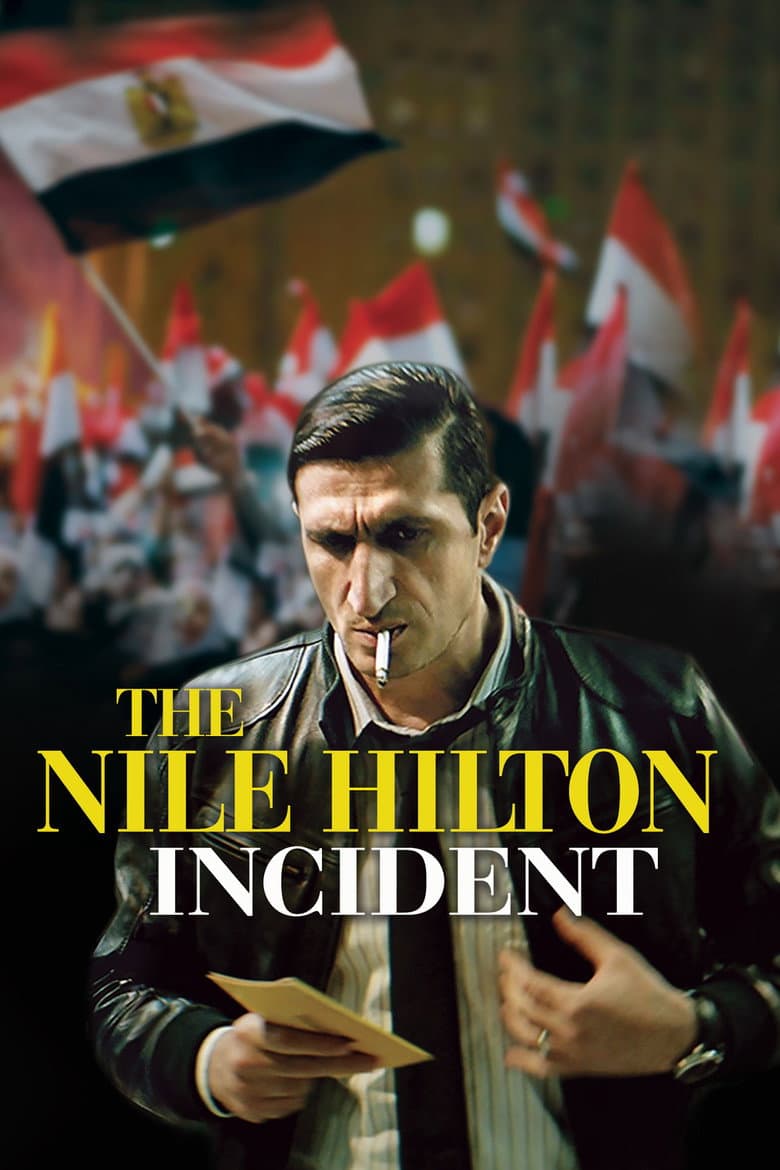
Cairo, 2011. A police officer investigates the murder of a woman in a luxurious hotel in the days leading up to the Egyptian revolution.
Movie · 2016
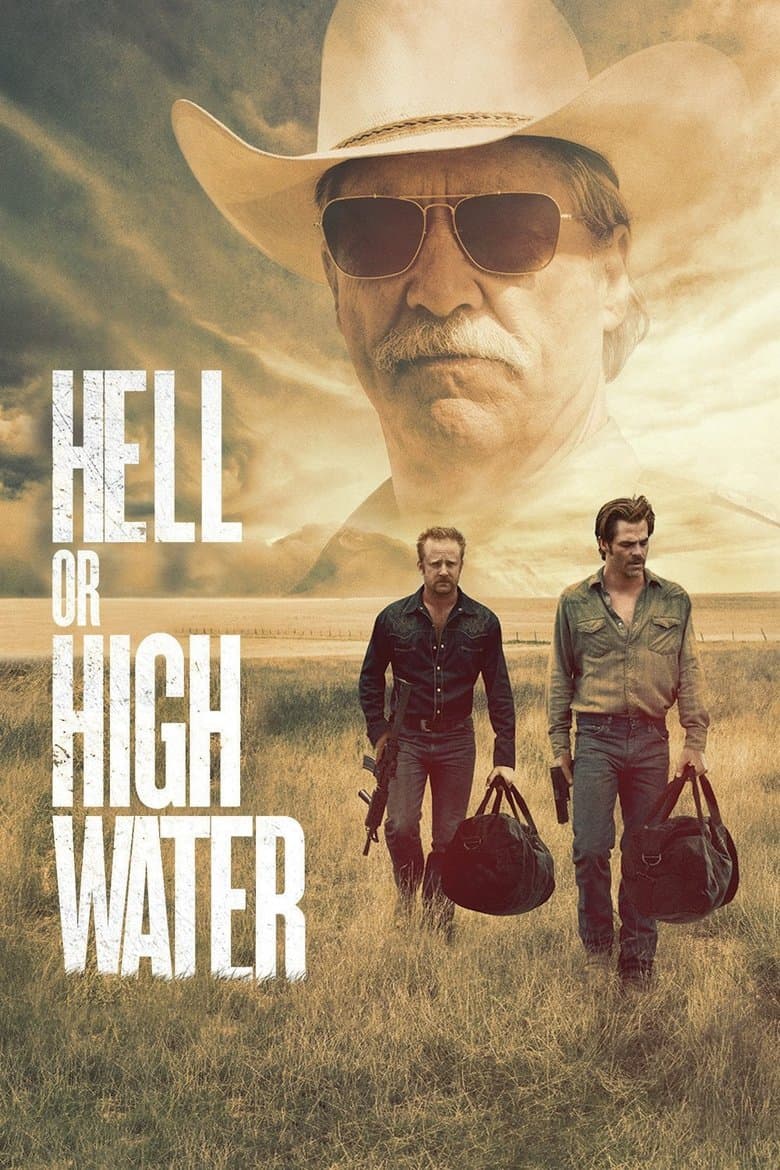
A divorced dad and his ex-con brother resort to a desperate scheme in order to save their family's farm in West Texas.
Movie · 2018
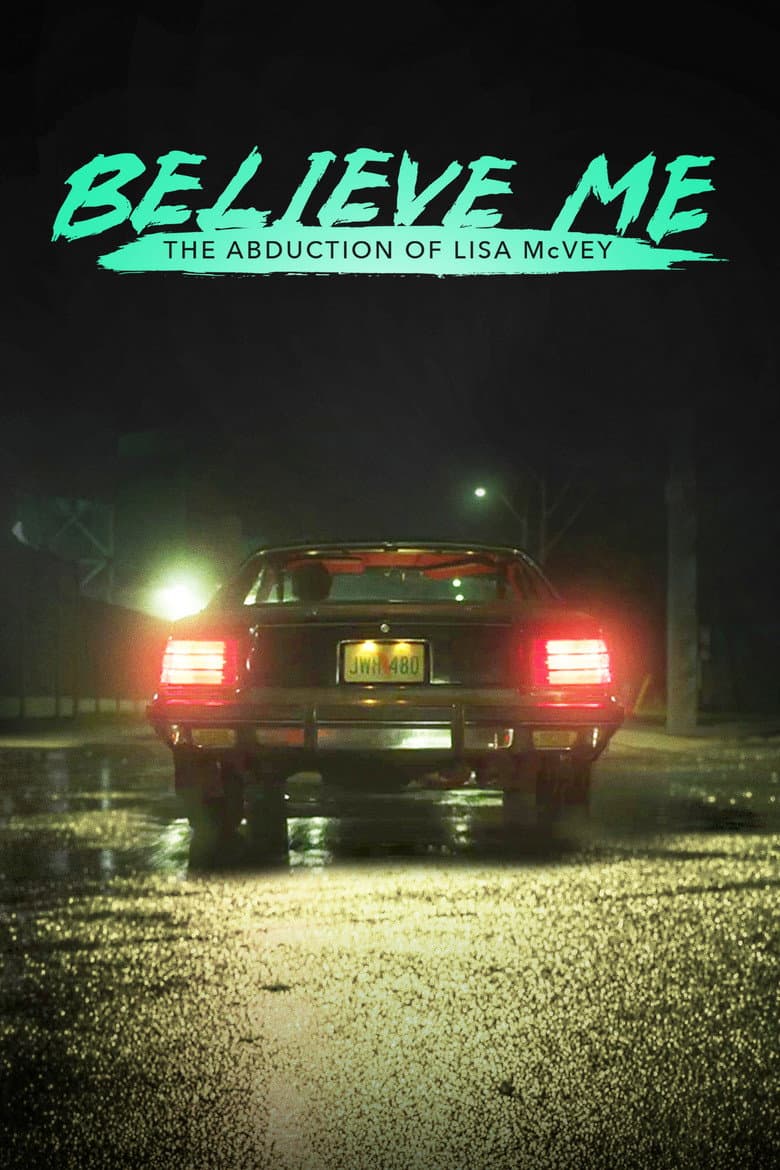
On the night she plans on taking her own life, 17-year-old 'Lisa McVey' is kidnapped and finds herself fighting to stay alive and is raped.
Movie · 2016
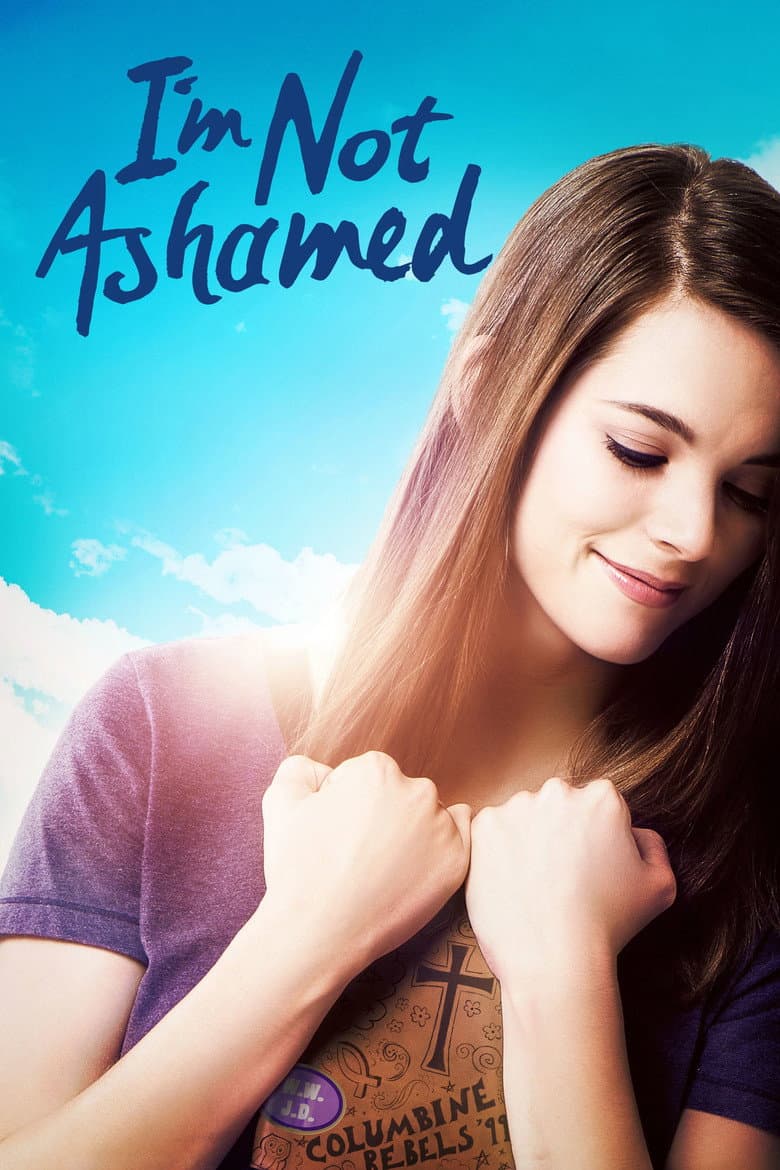
Based on the journal entries of Rachel Joy Scott, the first student killed in the Columbine High School shooting in 1999.
Movie · 2018
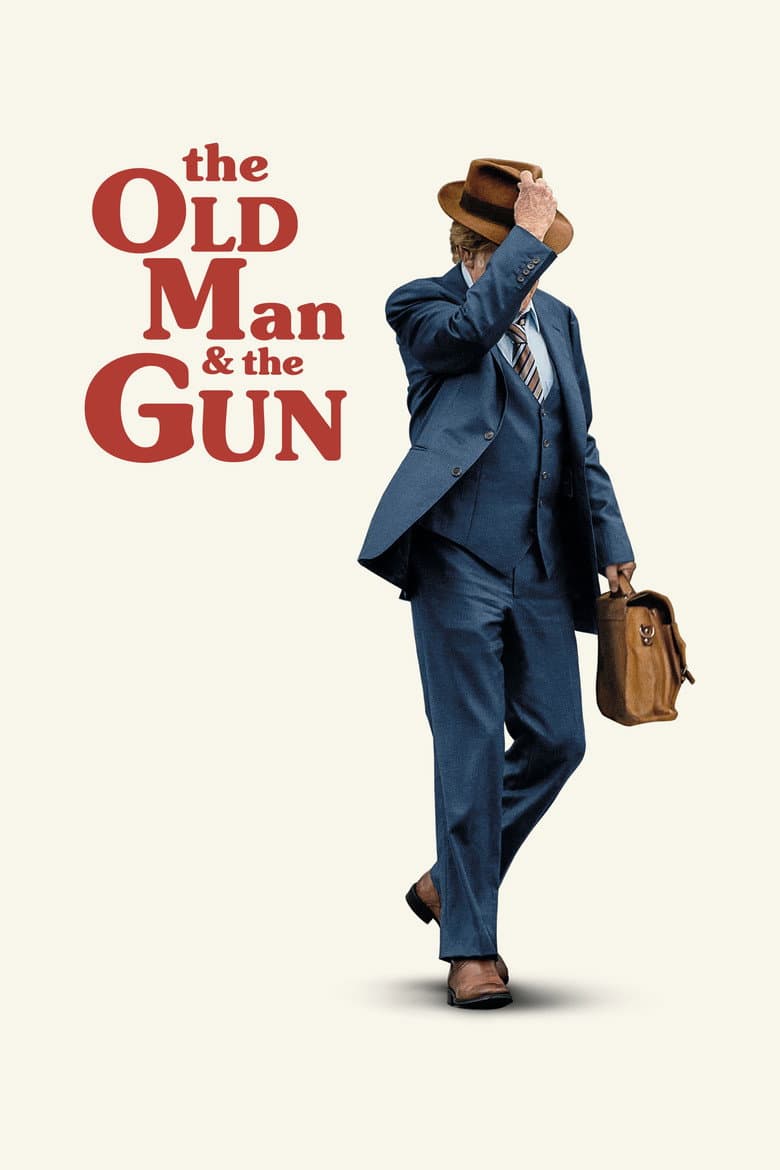
The true story of Forrest Tucker, from his audacious escape from San Quentin at the age of 70 to an unprecedented string of heists that confounded authorities and enchanted the…

Movie · 2018
In 1991, a sheltered teenager comes of age during a wild summer on Cape Cod, getting rich from selling pot to gangsters, falling in love for the first time, partying, and…
Movie · 2024
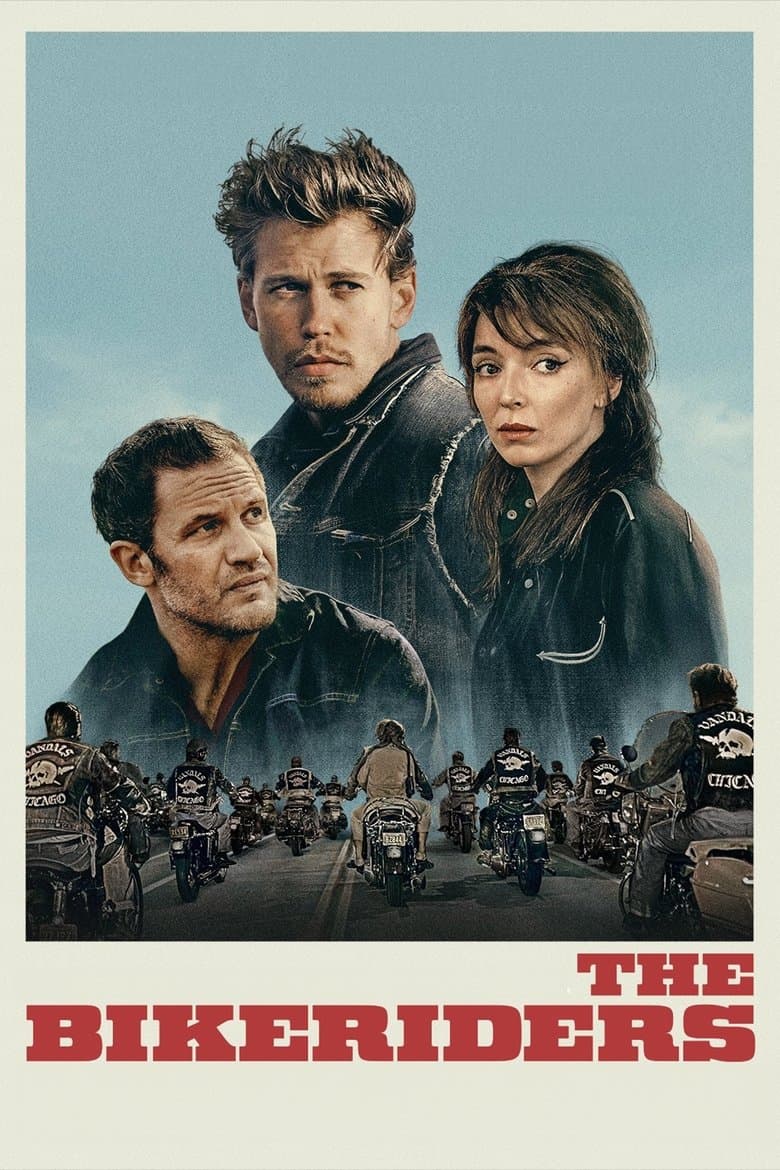
After a chance encounter, headstrong Kathy is drawn to Benny, member of Midwestern motorcycle club the Vandals.

Movie · 2019
During the 1980s, a failed stand-up comedian is driven insane and turns to a life of crime and chaos in Gotham City while becoming an infamous psychopathic crime figure.
