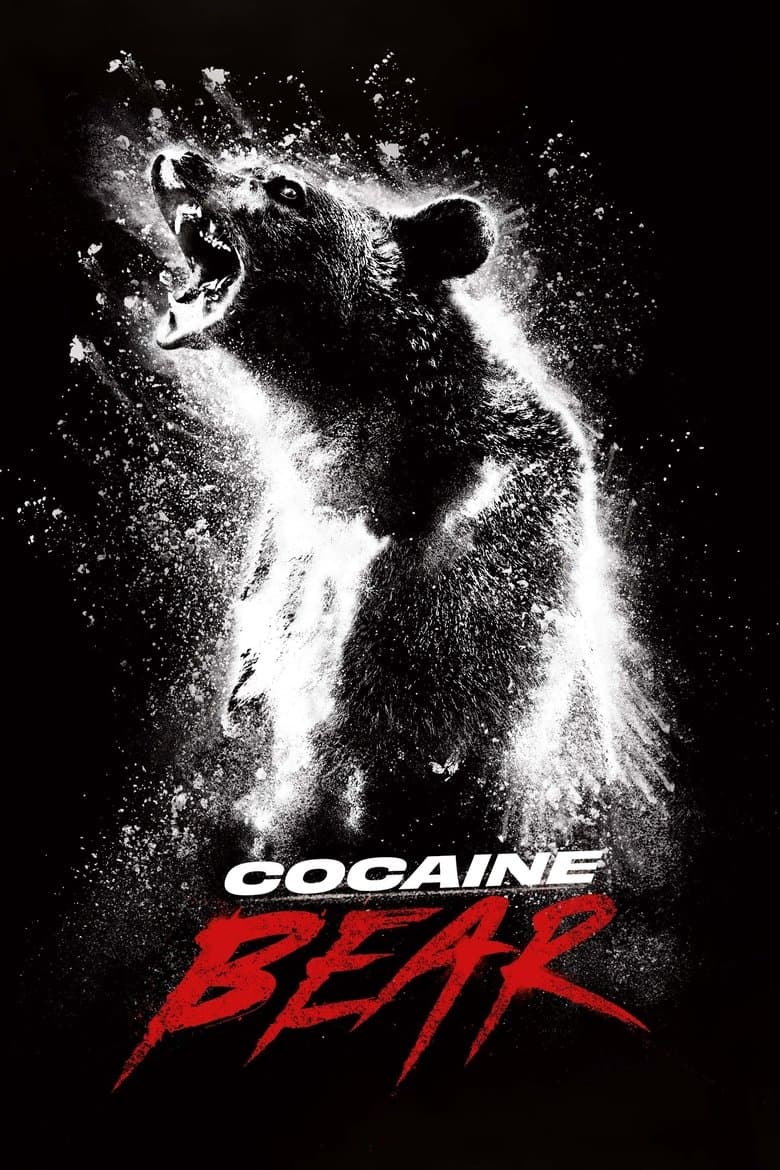
Cocaine Bear is a bloody comedy horror movie about a bear that eats cocaine and goes on a rampage in the woods. The story is loosely based on a real 1985 case from Georgia, but the film invents a wild multi-plot murder spree. A single mother who works as a nurse hunts for her daughter and a friend. Drug dealers try to recover lost product while a detective and a park ranger join the chaos. Side stories focus on family duty, greed, and survival rather than politics.
There is little on-screen woke content for viewers to notice. The cast is a mixed 1980s Georgia group with a white mother as the lead and several black and Asian characters in crime, police, and medical roles. That mix reads as normal modern ensemble casting rather than a diversity message. There is no confirmed queer character or identity plot. Dialogue stays with crime banter, parenting, and light nature-activist jokes instead of social justice preaching.
Community feedback
Was our 17% Woke rating accurate?
Breakdown
These are the editorial factors and ratings behind our score for Cocaine Bear.
Woke representation / casting
The film uses a mixed 1985 Georgia ensemble with a female mother lead and several non-white crime, cop, and medical roles. The diversity feels light and modern rather than hard quota casting. Marketing did not sell the cast as an identity statement.
12%
Woke political dialogue
There is no sustained identity or activist speech on screen. Characters trade crime banter and parenting talk instead. Peter nature-activist lines stay inside genre comedy rather than social-justice preaching.
8%
Identity-driven story themes
The core story is cocaine-bear carnage, greed, survival, and family reconnection. Mild man-versus-nature hubris appears as a side note. Race, gender, and queer identity politics do not drive the plot.
10%
Western institutional / cultural critique
Corrupt cops and drug bosses act as standard crime-comedy villains. On-screen critique of institutions stays thin. Stronger war-on-drugs and hubris talk lives more in interviews than in the finished film.
12%
Woke character or canon changes
Not relevant. Fictionalized rampage liberties from a true overdose anecdote are ordinary comedy invention, not identity-driven rewrites of established characters or history.
0%
Anti-woke backlash and complaints
Not present. No notable anti-woke or anti-DEI complaint cycle. Reception was about gore, premise, and craft, not forced diversity or agenda claims.
0%
Creator track record context
Director Banks supplies moderate liberal and activist context and women-in-masculine filmmaking framing. The writer and most producers score low. The finished film stays entertainment-first.
30%
Production
Movie · 2024
Broke and depressed, Ray is mistaken for a dangerous hitman and given an envelope of cash. Along with his P.I.
Movie · 2017
When a depressed woman is burglarized, she finds a new sense of purpose by tracking down the thieves alongside her obnoxious neighbor.
Movie · 2018
A series of mysterious events changes the life of a blind pianist who now must report a crime that was actually never witnessed by him.
Movie · 2017
The world’s top bodyguard gets a new client, a hitman who must testify at the International Court of Justice.

Movie · 2020
An ordinary guy suddenly finds himself forced to fight a gladiator-like battle for a dark website that streams the violence for viewers.
Movie · 2017
A disgraced former cop, fresh off a six-year prison sentence for attempted murder, returns home looking for redemption but winds up trapped in the mess he left behind.
Movie · 2017
Lynn, a brilliant student, after helping her friends to get the grades they need, develops the idea of starting a much bigger exam-cheating business.

Movie · 2023
Muthuvel Pandian, a retired, stern yet compassionate jailer lives a peaceful life with his family, but trouble knocks his door when his cop son’s tryst with an antique mafia gang…
