
The Game Changers follows James Wilks, a former fighter and military trainer who studies food after serious knee injuries slow his work. He travels from gyms and sports fields to laboratories, farms, and a wildlife reserve while he tests ideas about strength and recovery. He meets athletes, soldiers, doctors, and scientists who eat mostly or fully plant-based food. The tone is fast, confident, and persuasive, with sports footage, science graphics, jokes, and personal family scenes.
The film strongly promotes plant-based eating as a way to improve athletic performance, heart health, recovery, sexual function, animal welfare, and the planet. It treats the belief that meat makes men stronger as a learned idea spread by food marketing, then presents plant-eating men as powerful, healthy, and sexually confident. The story also attacks meat, dairy, and egg industries for harming the climate and hiding or confusing health evidence. These messages shape nearly every interview, experiment, and conclusion, so the activist diet message is central rather than a side topic.
Community feedback
Was our 61% Woke rating accurate?
Breakdown
These are the editorial factors and ratings behind our score for The Game Changers.
Woke representation / casting
Not present. The documentary shows athletes and experts of different sexes and backgrounds, but their sports records or research make them relevant subjects. The film does not frame the group as a diversity statement or make identity the reason for their selection.
0%
Woke political dialogue
The film repeatedly says that meat marketing taught men to link meat with strength, toughness, and sexual power. Wilks calls that belief a lie and compares food-industry doubt tactics with old tobacco tactics. Doctors and athletes also urge viewers to cut animal foods for health, animal welfare, and environmental reasons. These activist and gender-role claims appear across the film rather than in one short speech.
45%
Identity-driven story themes
The film’s central story turns plant-based eating into a new model of strength and manhood. Male fighters, strongmen, soldiers, and football players are shown as powerful while meat is treated as an old and harmful idea. The erection test and discussion of testosterone make the message about male identity and sexual confidence. The film also presents animal welfare, climate protection, and personal health as reasons to adopt the same lifestyle.
57%
Western institutional / cultural critique
The film attacks the meat, dairy, and egg industries as major causes of disease, climate harm, land loss, and wildlife damage. It says these industries copy tobacco’s method of using paid experts and doubt to confuse the public. The film also treats Western ideas about meat, strength, and male toughness as learned marketing rather than natural truth. This criticism returns through the industry section, the environmental section, and the final call to change how people eat.
50%
Woke character or canon changes
Not relevant. The film uses real athletes, doctors, soldiers, and family members. It does not change a known fictional character, a source story, or a historical figure.
0%
Anti-woke backlash and complaints
Some Reddit viewers called the film vegan propaganda or an agenda piece. Others objected to its claim that meat is tied to masculinity and to its attack on the meat industry. Mainstream reviews also challenged the film’s one-sided science, but they did not present a broad DEI or identity backlash. The separate X check found no anti-woke reaction.
26%
Creator track record context
The director’s record centers on environmental and animal protection. Writer Joseph Pace and producer James Wilks have made plant-based advocacy a major part of their public work. Several producers also have climate, animal-welfare, or equality causes in their public records. This context supports the film’s activist diet message more than a broad identity-politics agenda.
38%
Production
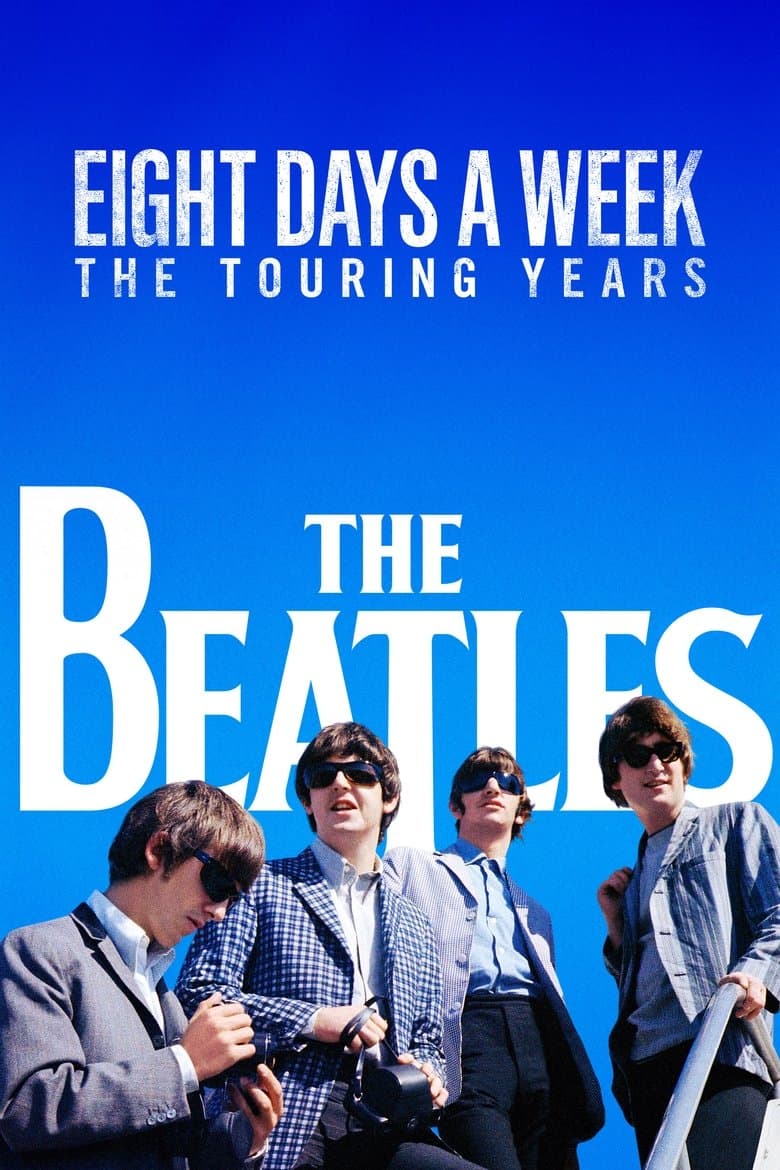
Movie · 2016
The Beatles stormed through Europe's music scene in 1963, and, in 1964, they conquered America. Their groundbreaking world tours changed global youth culture forever and…

Movie · 2017
While investigating the furtive world of illegal doping in sports, director Bryan Fogel connects with renegade Russian scientist Dr.
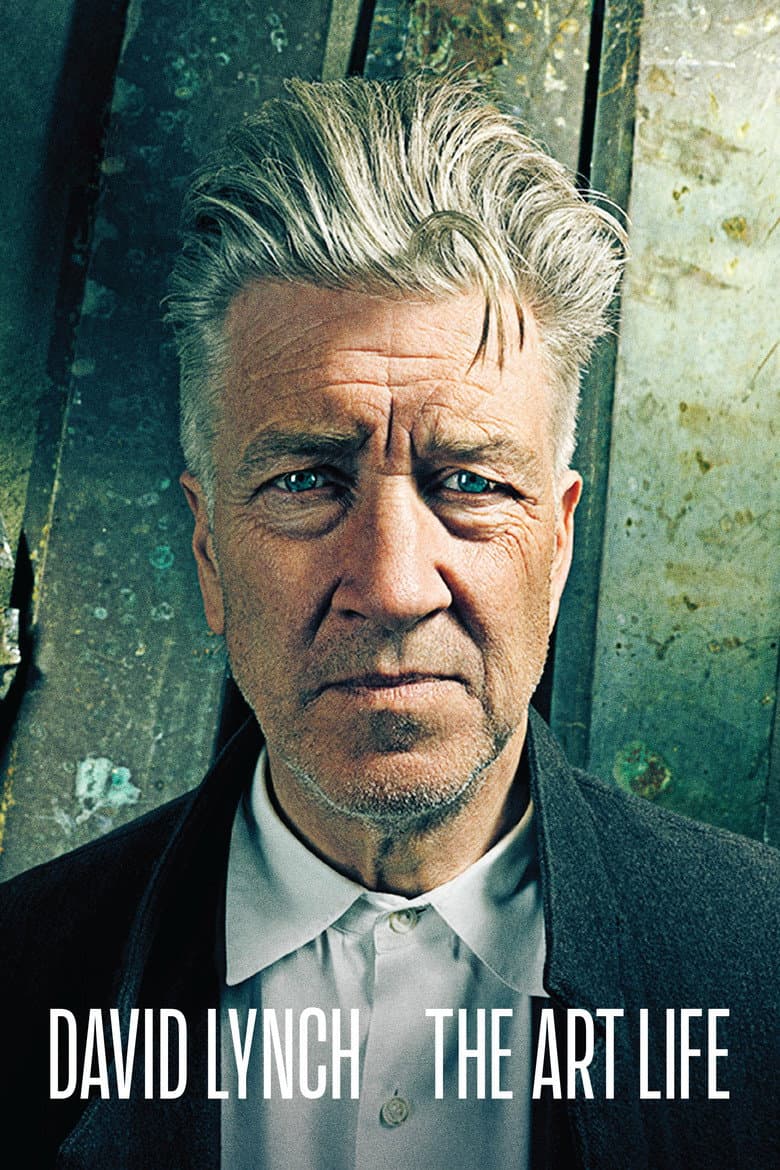
Movie · 2017
An intimate journey through the formative years of David Lynch's life. From his idyllic upbringing in small town America to the dark streets of Philadelphia, we follow Lynch as he…
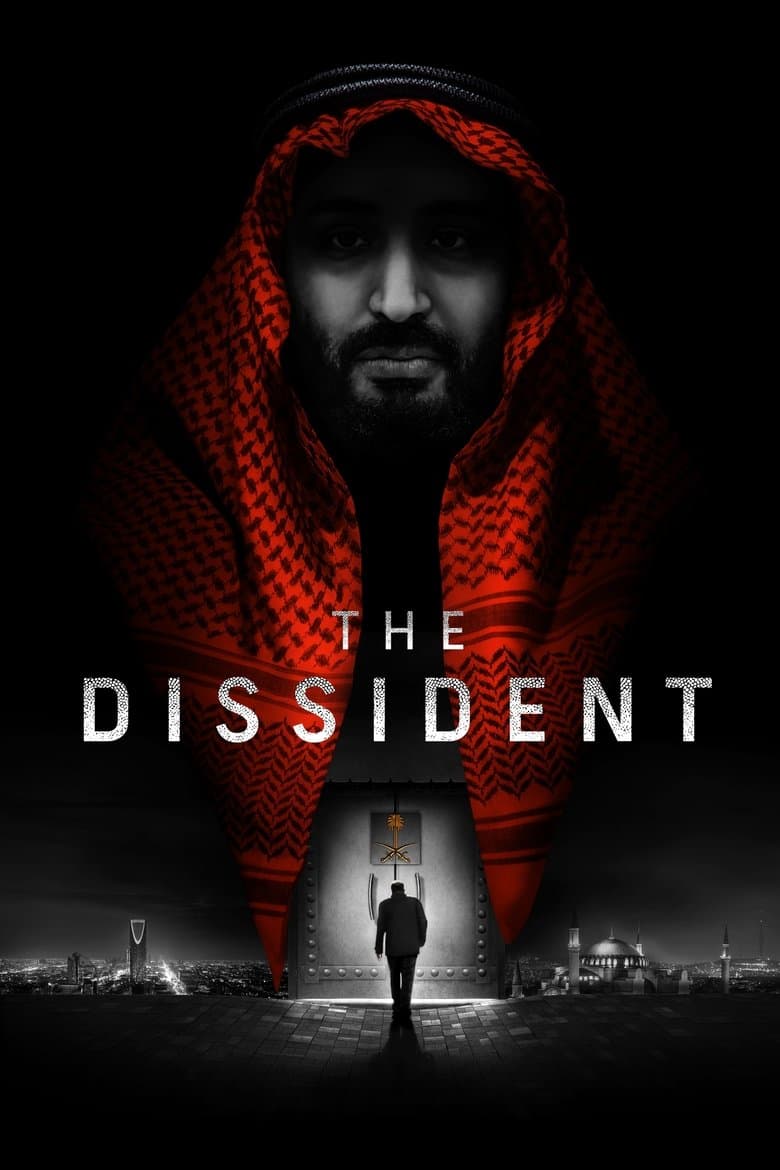
Movie · 2020
When Washington Post journalist Jamal Khashoggi disappears after entering Saudi Arabia’s consulate in Istanbul, his fiancée and dissidents around the world are left to piece…
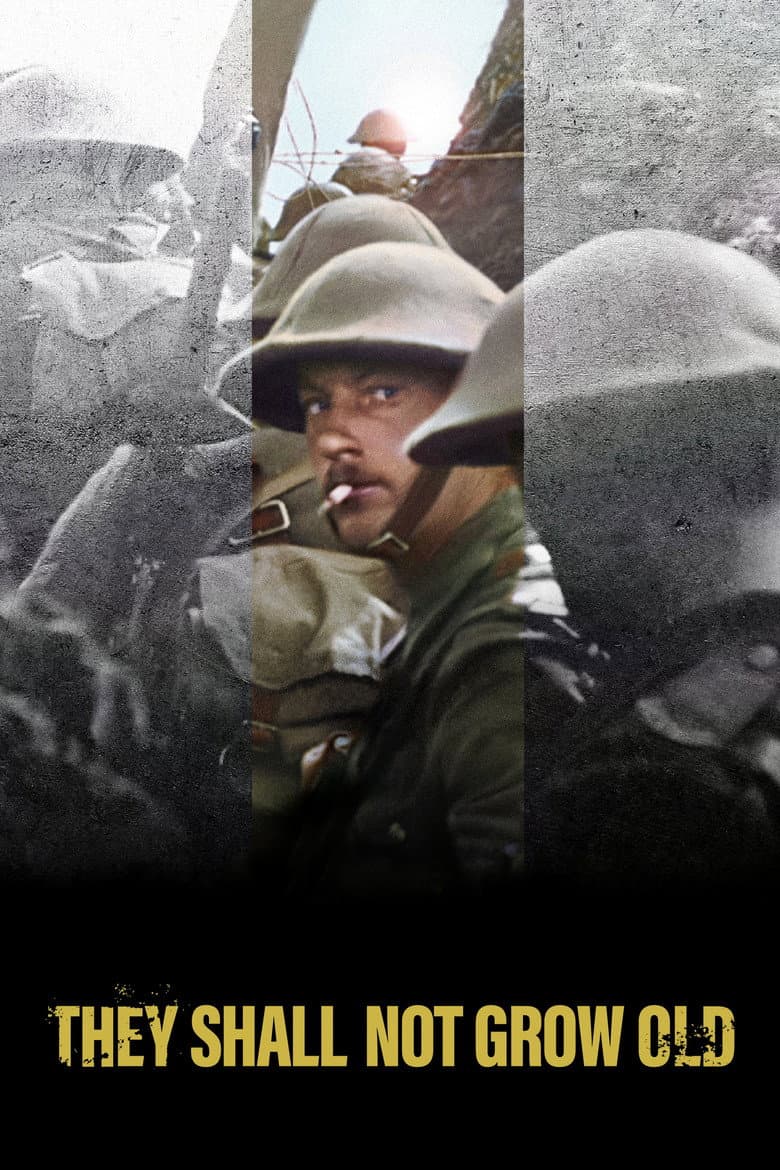
Movie · 2018
A documentary about World War I with never-before-seen footage to commemorate the centennial of Armistice Day, and the end of the war.

Movie · 2023
His love of film began as an escape from a rocky childhood. From underdog to Hollywood legend, Sylvester Stallone tells his story in this documentary.
Movie · 2021
For over 40 years Val Kilmer, one of Hollywood’s most mercurial and/or misunderstood actors has been documenting his own life and craft through film and video.
Movie · 2016
With stunning views of eruptions and lava flows, Werner Herzog captures the raw power of volcanoes and their ties to indigenous spiritual practices.
