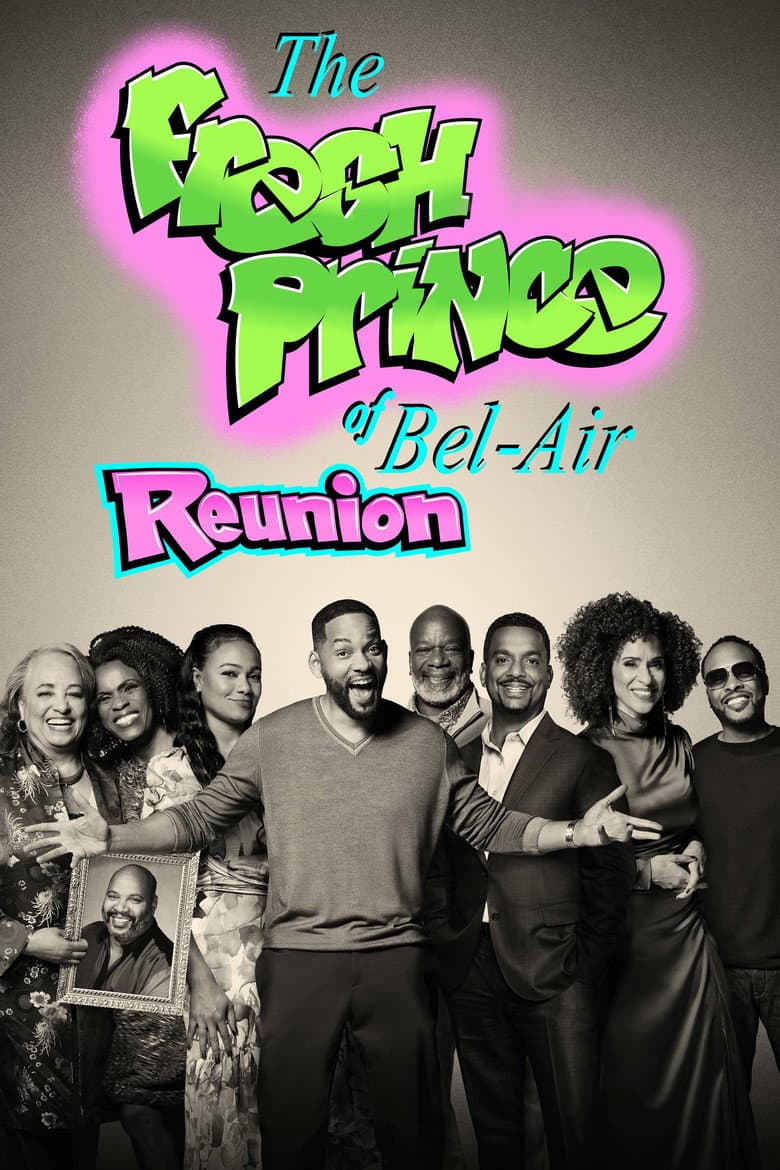
Will Smith leads the original cast of The Fresh Prince of Bel-Air in a 30th anniversary reunion. The group meets on a rebuilt version of the Banks family's Bel-Air living room and looks back at six seasons of work. The special follows their stories about auditions, filming, friendship, and the death of James Avery, who played Uncle Phil. Its mood moves between jokes, music, tears, and quiet talks about old hurt. The main conflict comes when Smith meets Janet Hubert, the first Aunt Viv, after they have not spoken for 27 years.
The special gives clear space to the show's black identity and its place on television. The cast says the sitcom showed a wealthy black family with love, humor, and different kinds of Black life, and Tatyana Ali links it to Black excellence. Hubert says that being called a difficult dark-skinned black woman hurt her work, and the program treats her account as part of its story about fairness and respect. The reunion presents listening, apology, family, and healing as the answer to old conflict. These ideas matter to the program, but the larger focus remains the cast's memories, grief, and bond.
Community feedback
Was our 44% Woke rating accurate?
Breakdown
These are the editorial factors and ratings behind our score for The Fresh Prince of Bel-Air Reunion.
Woke representation / casting
Not present. The special uses the original cast of the 1990s show. It does not add new identity-based casting or present the cast as a present-day diversity plan.
0%
Woke political dialogue
Several conversations connect the sitcom to black representation on television. Tatyana Ali says the show represented Black excellence, and the cast recalls that it was one of only a few black shows on TV. Janet Hubert says that being called a difficult dark-skinned black woman could damage her career. These points recur during the legacy and reunion talks, but the special stays focused on personal memories instead of a wider political program.
40%
Identity-driven story themes
The special makes the show's black identity and cultural place a major part of its meaning. The cast says the sitcom showed a wealthy black family with love, humor, and many kinds of black life. Hubert's account adds a focused story about skin-color bias, gender, and the cost of a damaging label in Hollywood. The reunion also treats family, grief, apology, and healing as its main answers to conflict.
48%
Western institutional / cultural critique
Janet Hubert says Hollywood treated her as a difficult black woman and that the label harmed her career. She links the problem to her skin color, her pregnancy, and a bad contract during the show's run. The special gives this workplace story real weight, but it does not attack religion, family life, or Western institutions across the program.
25%
Woke character or canon changes
Not relevant. The special revisits the established sitcom and brings back its original roles. It does not rewrite a character or change a race, gender, sexuality, or hero role.
0%
Anti-woke backlash and complaints
Not present. No substantial anti-woke complaints about the reunion appear in the reviewed news, Reddit, YouTube, Letterboxd, or supplied X evidence. A later right-leaning complaint targeted a BBC warning around the special, not the reunion's identity content.
0%
Creator track record context
Marcus Raboy has no strong activist record, and his stored score is 0. James Lassiter, Brad Haugen, and Lukas Kaiser have lower stored scores from 8 to 24. Rikki Hughes and Miguel Melendez have higher scores of 50 and 52 because their careers include black-focused and representation-first projects. This gives the title mild creator track record context, while the reunion itself is not built as an activist project.
28%
Production
Movie · 2020
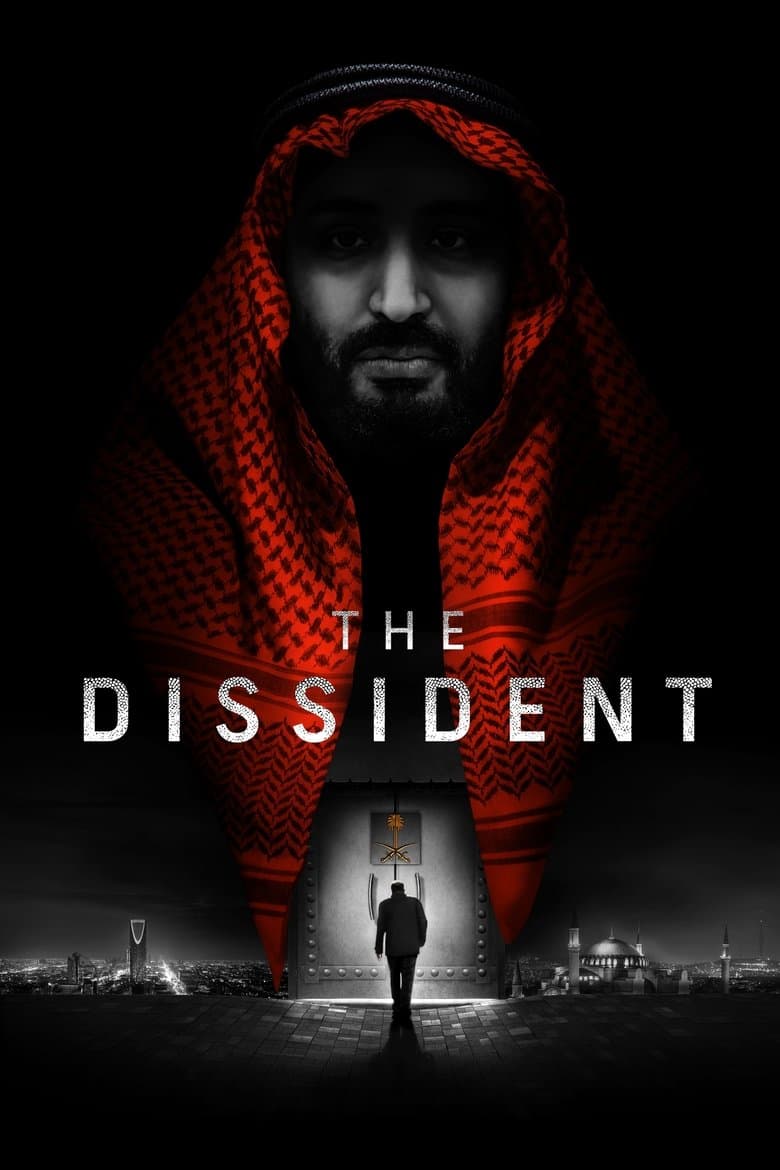
When Washington Post journalist Jamal Khashoggi disappears after entering Saudi Arabia’s consulate in Istanbul, his fiancée and dissidents around the world are left to piece…
Movie · 2017
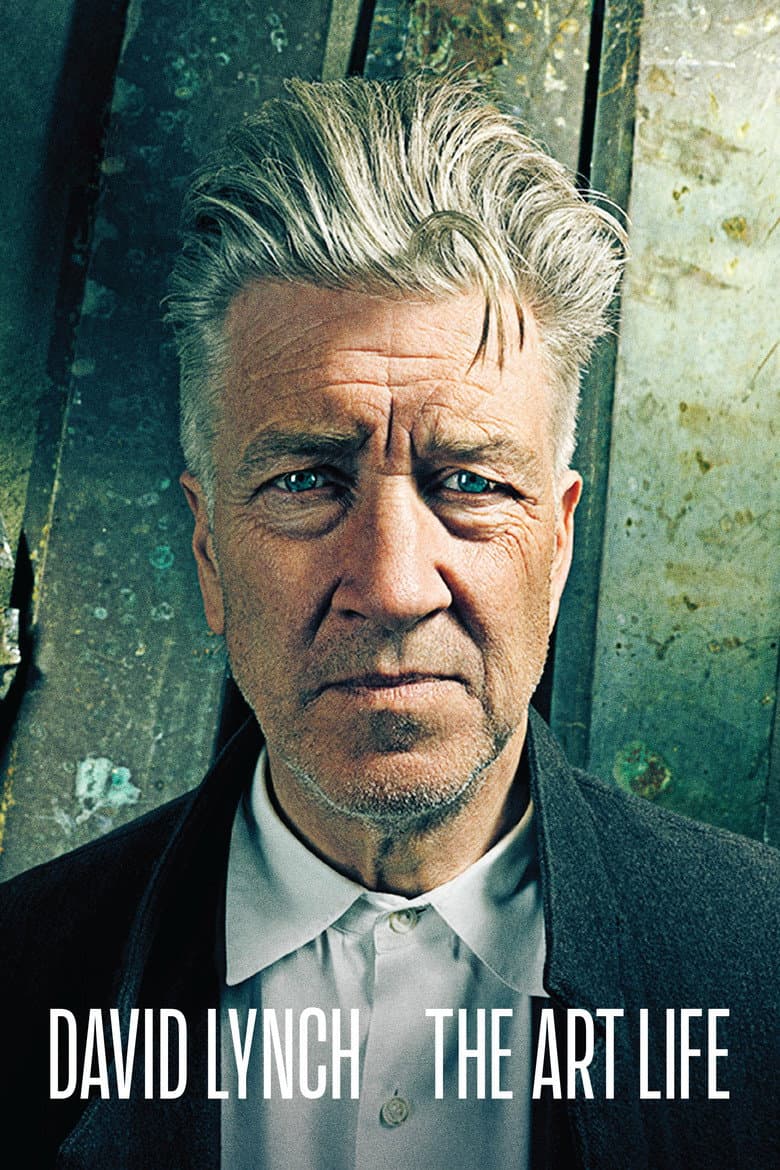
An intimate journey through the formative years of David Lynch's life. From his idyllic upbringing in small town America to the dark streets of Philadelphia, we follow Lynch as he…
Movie · 2016
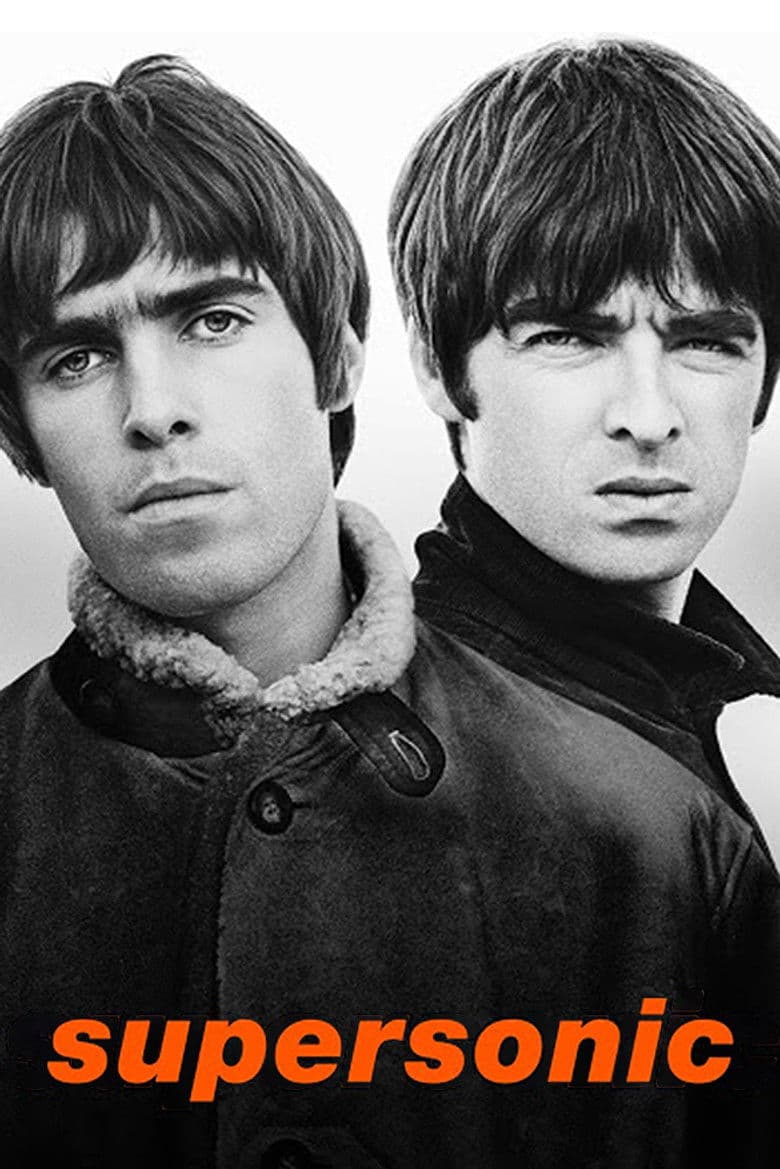
Supersonic charts the meteoric rise of Oasis from the council estates of Manchester to some of the biggest concerts of all time in just three short years.
Movie · 2016
An intimate conversation between filmmakers, chronicling De Palma’s 55-year career, his life, and his filmmaking process, with revealing anecdotes and, of course, a wealth of film…

Movie · 2023
The remarkable coming-of-age story of Stephen Curry—one of the most influential, dynamic, and unexpected players in basketball history—and his rise from an undersized college…
Movie · 2017
Documentary about the arena-packing Swedish DJ, chronicling his explosive rise to fame and surprising decision to retire from live performances in 2016.
Movie · 2022
In the aftermath of George Floyd’s death, the media concocted a narrative that justified a summer of worldwide riots and helped contribute to the rise of Black Lives Matter who…
Movie · 2016
After being denied access to the Church of Scientology's headquarters, documentarian Louis Theroux teams up with ex-Scientology official Marty Rathbun to stage re-enactments of…
