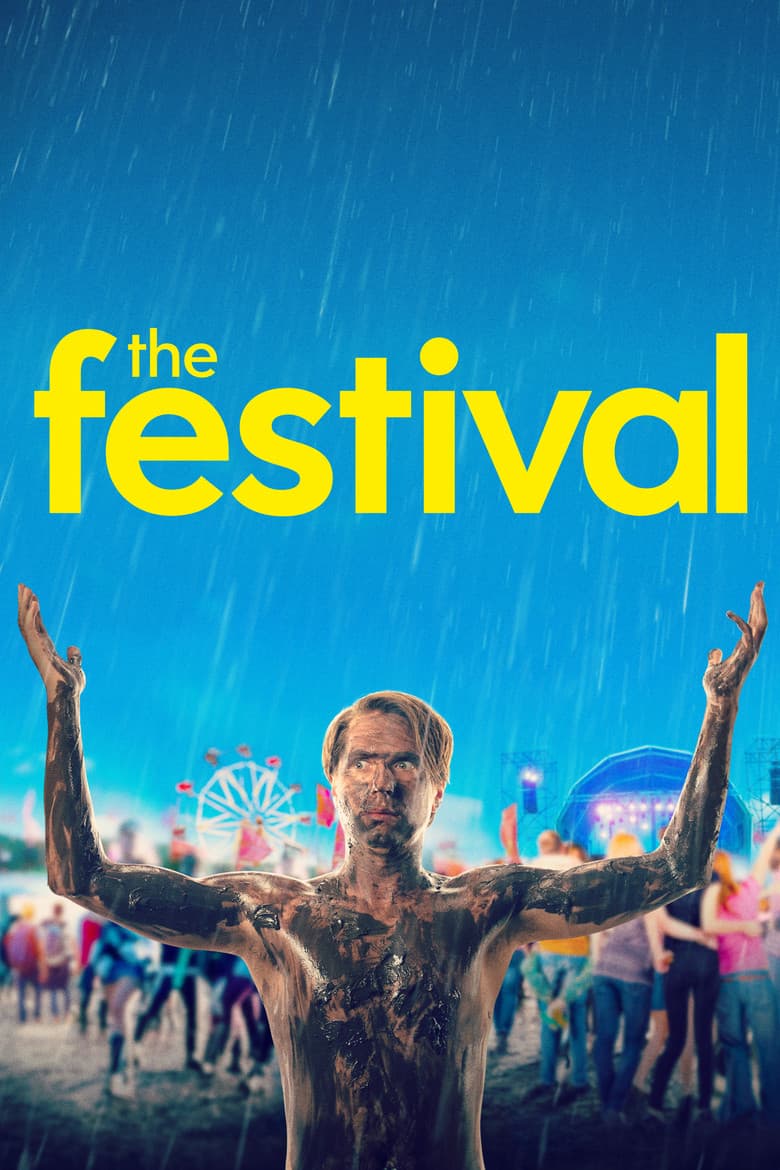
The Festival follows Nick, a young university graduate who cannot accept that his girlfriend Caitlin has left him. His friend Shane takes him to a huge British music festival so he can forget the breakup and hear his favorite DJ. Nick, Shane, and the cheerful festival regular Amy are pulled through mud, drugs, bad choices, and strange people while Nick keeps making his own problems worse. The tone is crude, loud, awkward, and silly, with sex jokes, gross accidents, and comic chaos.
The film gives its main attention to friendship, growing up, and learning to stop acting like a selfish child. Nick is not a hero because he is skilled or wise, and the story keeps making him the joke as he loses control of the weekend. Shane and Amy become a couple after Shane gets a chance to perform, while Nick learns that Caitlin has moved on. The main group includes a black friend, and a disabled man competes with Nick for Caitlin. The main themes are heartbreak, friendship, bad festival behavior, music, sex, drugs, and personal embarrassment.
Community feedback
Was our 4% Woke rating accurate?
Breakdown
These are the editorial factors and ratings behind our score for The Festival.
Woke representation / casting
Not present. The film has a black male co-lead and a disabled supporting character in a present-day British festival setting. Their identities remain part of the comedy and are not used to deliver a broader message about representation.
0%
Woke political dialogue
Not present. The characters talk about sex, drugs, music, friendship, and bad choices. A joke about Lance Armstrong being a “problematic fave” is a celebrity joke, not a repeated identity or activist message.
0%
Identity-driven story themes
Not present. The story centers heartbreak, friendship, music, and growing up. Nick’s selfishness and the men’s foolish behavior are comic flaws, not a modern argument about gender roles, identity, or social power.
0%
Western institutional / cultural critique
Not present. The film mocks rich festival guests, rude men, and New Age festival behavior. It does not turn those jokes into a sustained attack on capitalism, patriarchy, Christianity, family life, or Western institutions.
0%
Woke character or canon changes
Not relevant. The movie is an original comedy with new characters. It does not change established characters, source material, or historical figures.
0%
Anti-woke backlash and complaints
Not present. The separate X research pass found no anti-woke reaction or specific complaints. Web reviews and audience comments focus on crude humor, pacing, and the festival setting rather than woke, DEI, or identity politics.
0%
Creator track record context
Keith Akushie has written for Dreaming Whilst Black, a comedy about black life and identity. Rachel Springett has a career record of supporting women and other underrepresented creators. Iain Morris, Joe Parham, Damon Beesley, Caroline Leddy, Claire Jones, and Nadira Seecoomar are mainly linked to mainstream comedy in the supplied context. This gives the title a mild creator track record signal, but the film itself does not carry that kind of message.
20%
Production
Movie · 2024
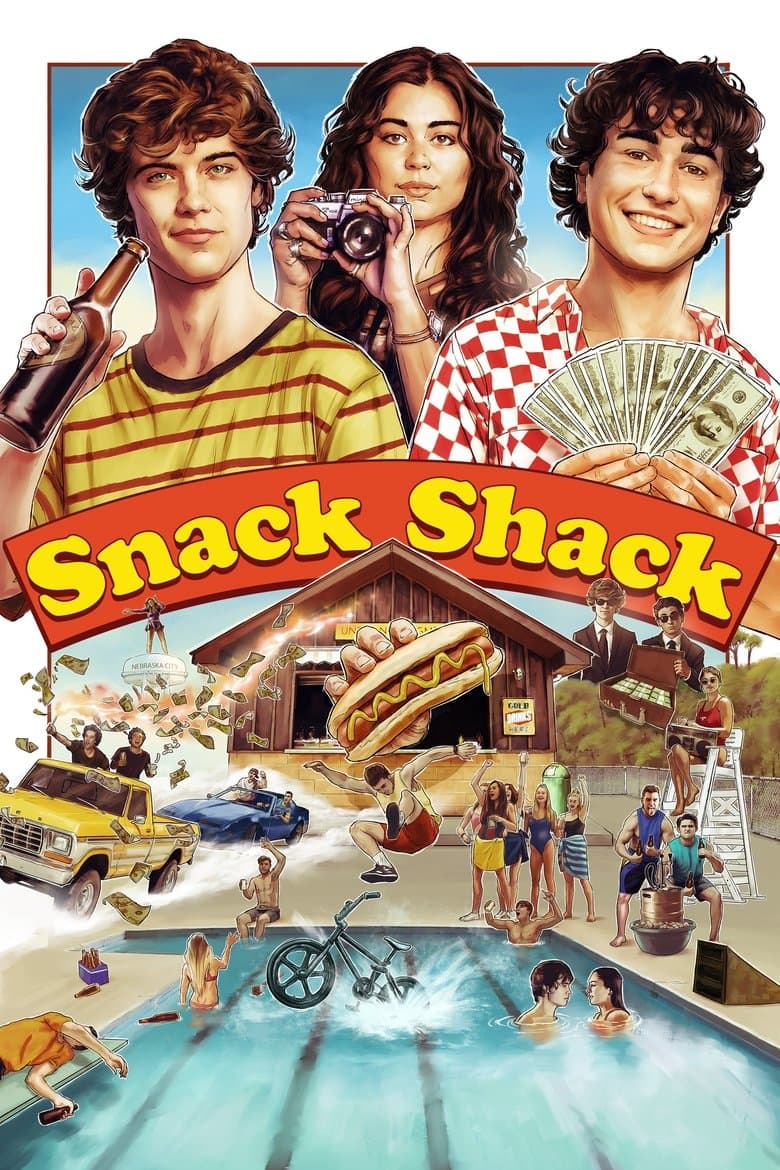
Inseparable best friends AJ and Moose decide to run the local pool's snack shack after their plan to sell home-brewed beer goes down the drain.
Movie · 2018
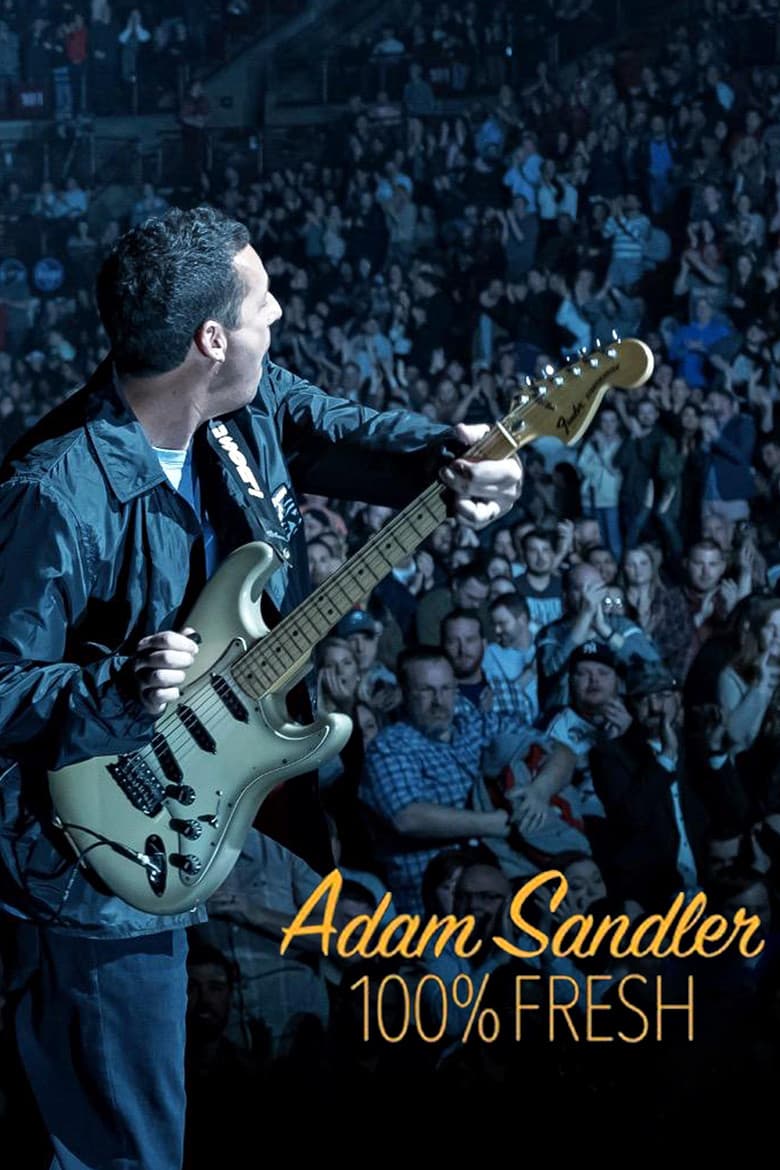
Adam Sandler takes his comical musical musings back out on the road, from comedy clubs to concert halls to one very unsuspecting subway station.
Movie · 2023
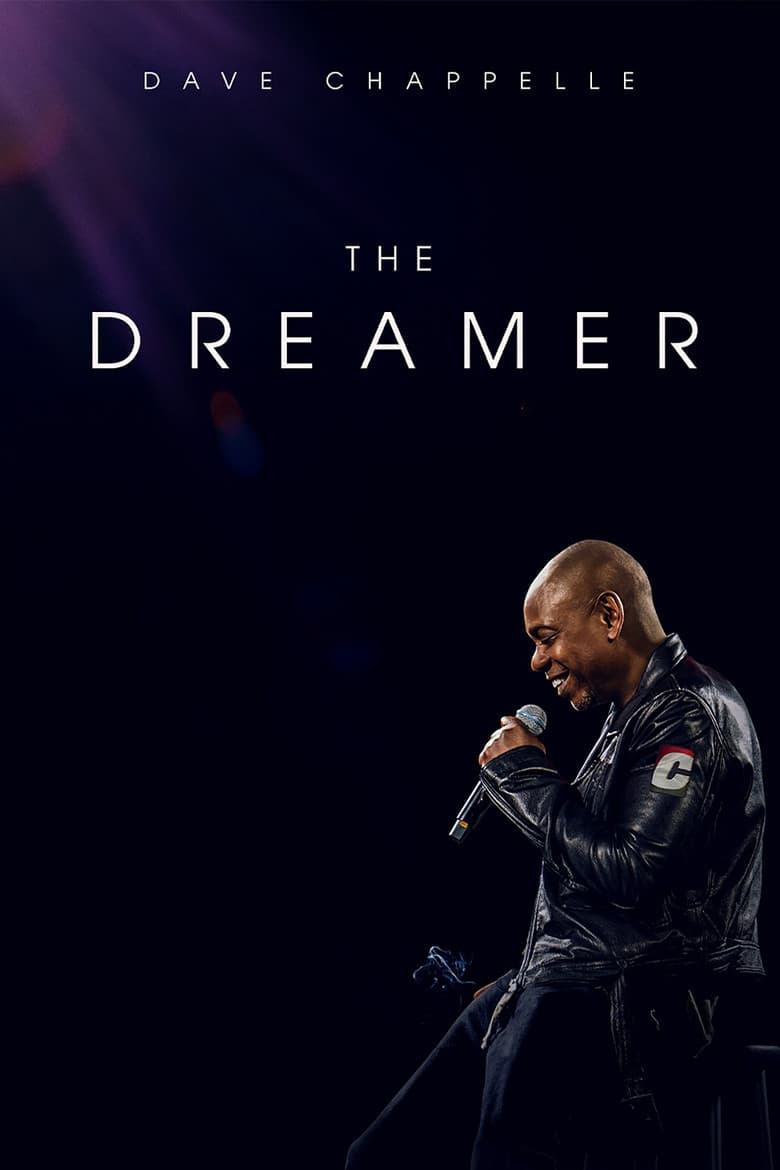
From his onstage tackle to the slap heard round the world, Dave Chappelle lets loose in this freewheeling and unfiltered stand-up comedy special.
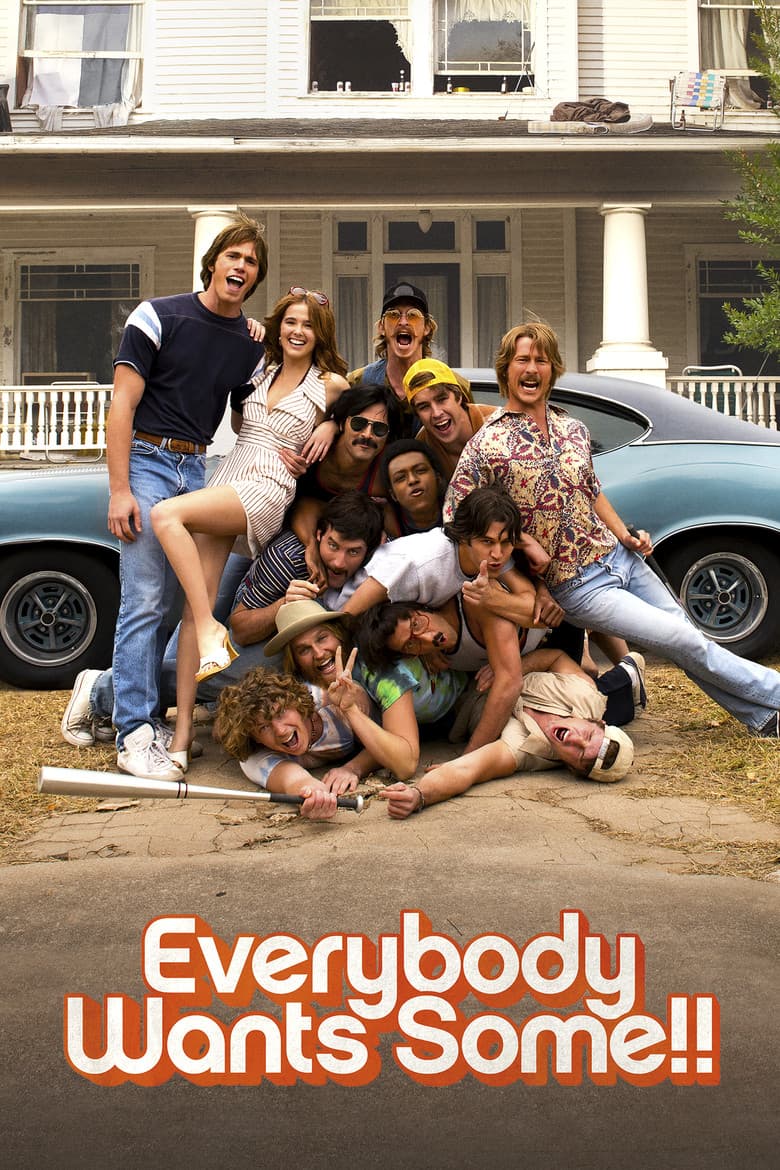
Movie · 2016
A comedy that follows a group of friends as they navigate their way through the freedoms and responsibilities of unsupervised adulthood.
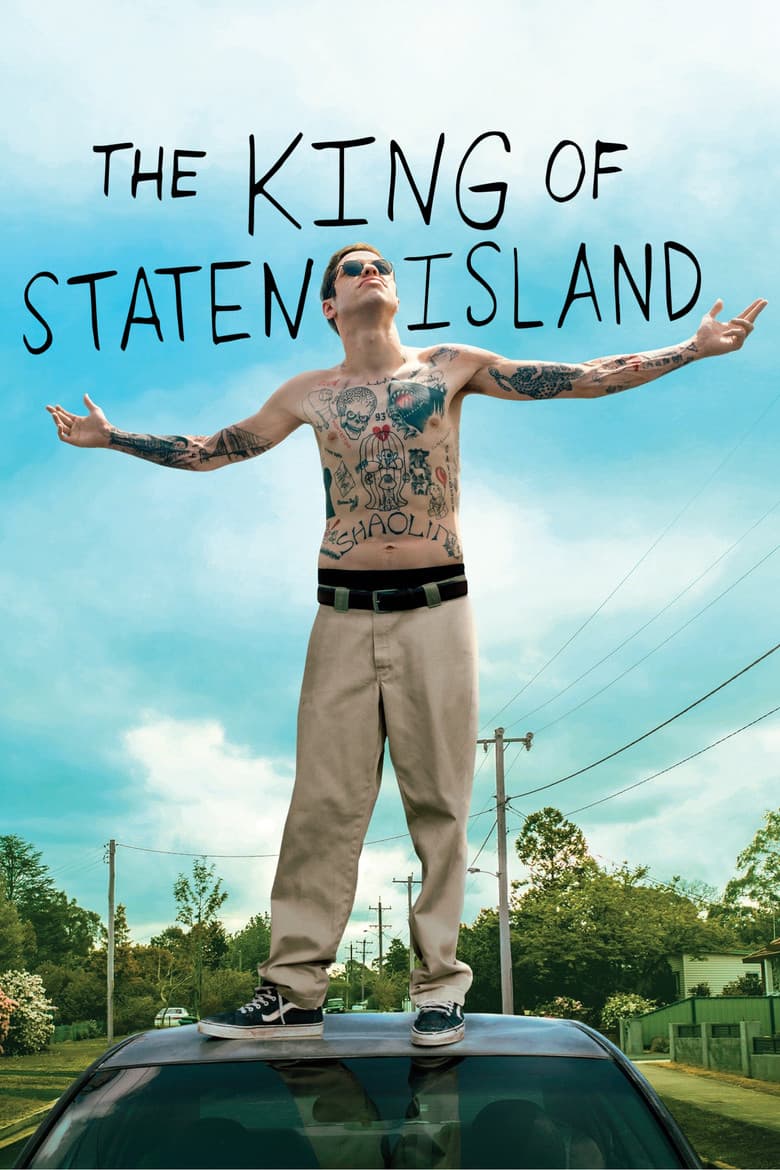
Movie · 2020
Scott has been a case of arrested development ever since his firefighter father died when he was seven. He's now reached his mid-20s having achieved little, chasing a dream of…
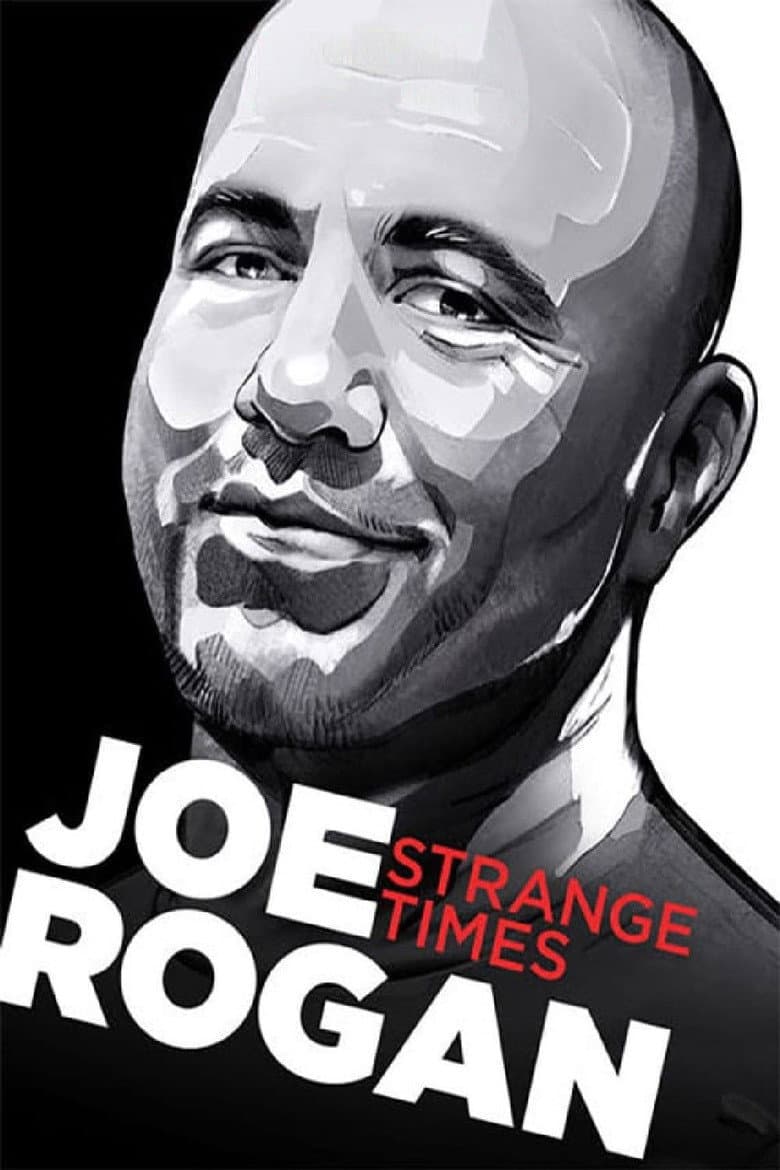
Movie · 2018
Outspoken as ever, comedian Joe Rogan takes on politics, pro wrestling, pot laws, cats, vegans and much more in a stand-up special shot in Boston.
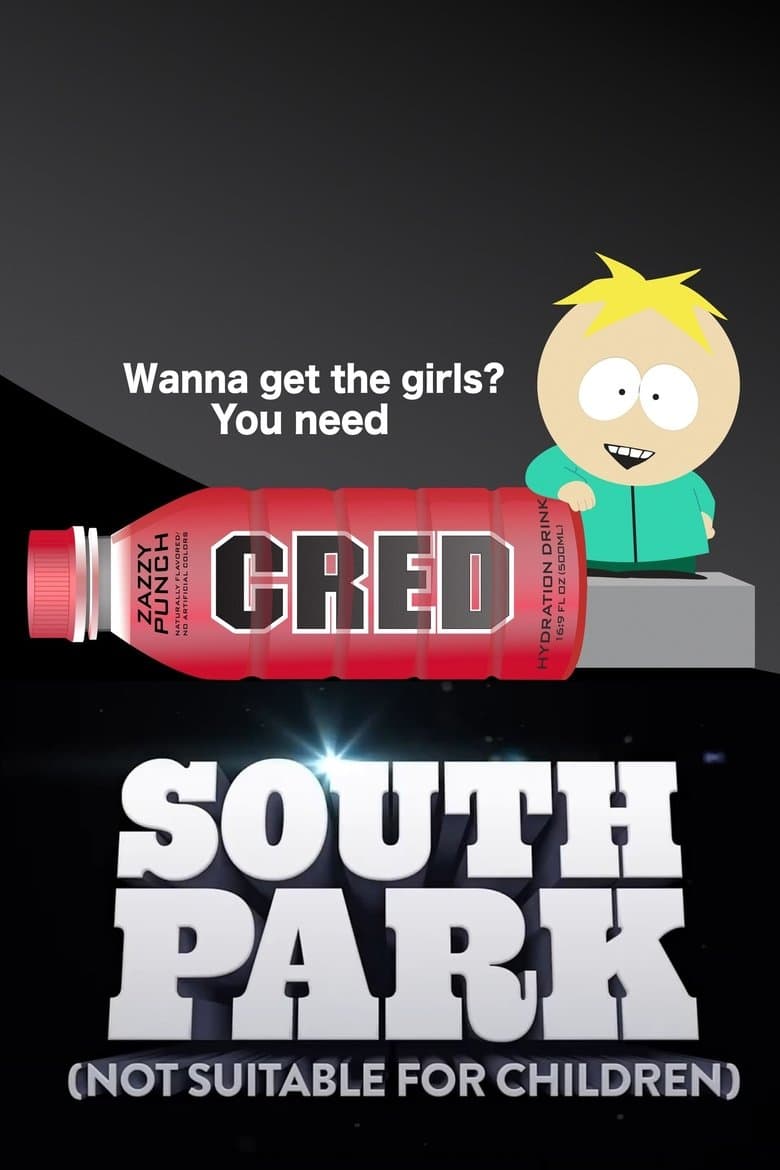
Movie · 2023
After it's discovered that a teacher at South Park Elementary has an OnlyFans page, Randy is compelled to take a closer look at the seedy underbelly of the world of online…
Movie · 2022
Exploring every facet of ‘Weird Al’ Yankovic’s life, from his meteoric rise to fame with early hits like ‘Eat It’ and ‘Like a Surgeon’ to his torrid celebrity love affairs and…
