
Brett Blackmore is a high school senior in California who has spent his life chasing perfect grades and a place at Harvard. A prank at school goes wrong, and Brett loses his college offers and his chance to graduate with his class. He posts a list of things he wishes he had done, and the list spreads across the internet. The comedy follows Brett and Kayla as they break rules, face family trouble, and try to choose a new life.
The film repeatedly attacks the school and college system as a machine that rewards rule-followers instead of happy people. Brett says grades and test scores cannot measure a person's future, and he rejects Harvard after the school praises his protest. A mass book burning and a viral youth movement turn his private anger into a public campaign. Kayla also pushes back against an abusive home and a modeling job controlled by rich clients, so the story mixes personal freedom with anger at social pressure.
Community feedback
Was our 32% Woke rating accurate?
Breakdown
These are the editorial factors and ratings behind our score for The F**k-It List.
Woke representation / casting
Not present. The movie uses a mixed modern high-school friend group, but it does not frame the casting as a diversity or identity statement.
0%
Woke political dialogue
Brett repeatedly attacks the school and college system. His final Harvard essay says grades and test scores do not measure a person's future. He says the system rewards rule-followers and keeps families repeating the same work and money cycle. The film treats his refusal of Harvard as an honest answer, so the message returns beyond one joke.
32%
Identity-driven story themes
The story makes rejecting a planned life its main personal lesson. Brett says living by his own truth matters more than grades, college status, and his parents' plan. His viral list turns that choice into a youth movement that the film mostly treats as brave and helpful. The theme challenges traditional success and family authority across the whole story.
28%
Western institutional / cultural critique
The film treats parents, schools, and elite colleges as parts of a system that pressures young people to fit one path. Brett says school measures and college status do not show whether a person is happy or successful. The story stages a mass book burning and a viral movement against school rules. Harvard later rewards Brett's attack, but that twist still keeps the institutional critique central.
36%
Woke character or canon changes
Not relevant. This is an original teen comedy with no established characters, source story, or historical figures to change.
0%
Anti-woke backlash and complaints
Not present. No anti-woke backlash was found on X or in the broader coverage reviewed. Reviewers and viewers mainly called the film unrealistic, privileged, or hostile to education, which is not a complaint that it pushes woke or identity politics.
0%
Creator track record context
Michael Duggan is mainly known for mainstream crime, science-fiction, and procedural work, with no documented activist pattern. Dan McDermott's main relevant credit is The Real O'Neals, a comedy about a gay teen coming out and family acceptance. The producers have little public political context, and no title-related creator statement frames this film around diversity or identity.
10%
Production
Movie · 2024
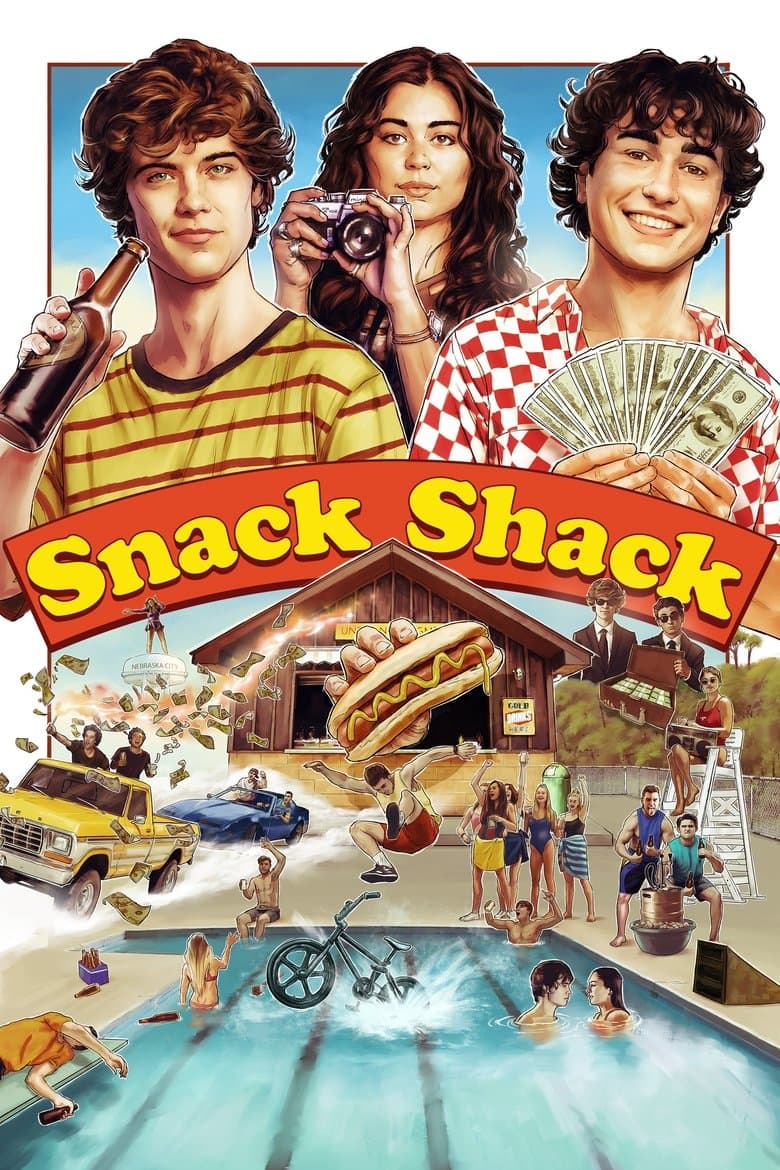
Inseparable best friends AJ and Moose decide to run the local pool's snack shack after their plan to sell home-brewed beer goes down the drain.

Movie · 2018
Adam Sandler takes his comical musical musings back out on the road, from comedy clubs to concert halls to one very unsuspecting subway station.
Movie · 2023
From his onstage tackle to the slap heard round the world, Dave Chappelle lets loose in this freewheeling and unfiltered stand-up comedy special.
Movie · 2016
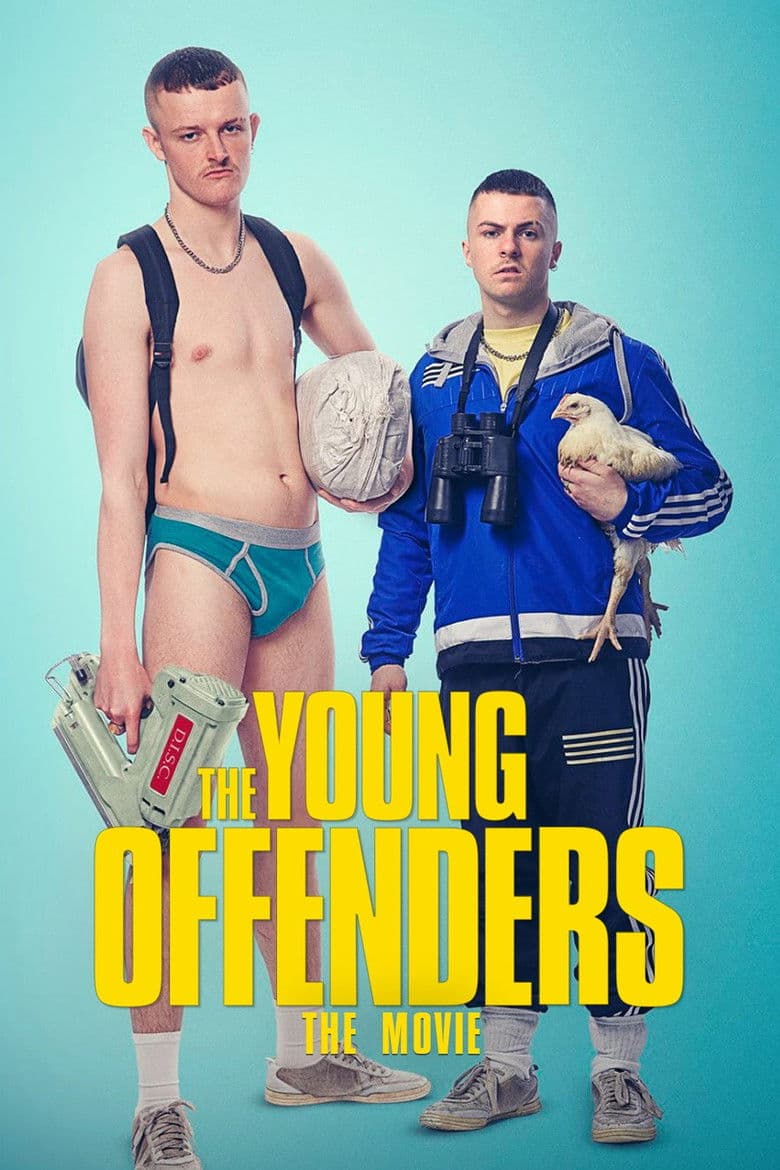
Two teenage boys from inner-city Cork steal bicycles and ride off on a 160km quest to find an unrecovered bale of cocaine worth 7,000,000 euros.

Movie · 2023
Single mom Flora is at a loss about what to do with her rebellious teenage son, Max. Her efforts to keep him out of trouble lead to a beat-up acoustic guitar, a washed-up LA…
Movie · 2023
A chaotic intervention. An action-packed stay in rehab. After a weird couple of years, John Mulaney comes out swinging in his return to the stage.
Movie · 2016
A comedy that follows a group of friends as they navigate their way through the freedoms and responsibilities of unsupervised adulthood.
Movie · 2017
When dictator Joseph Stalin dies, his parasitic cronies square off in a frantic power struggle to become the next Soviet leader.
