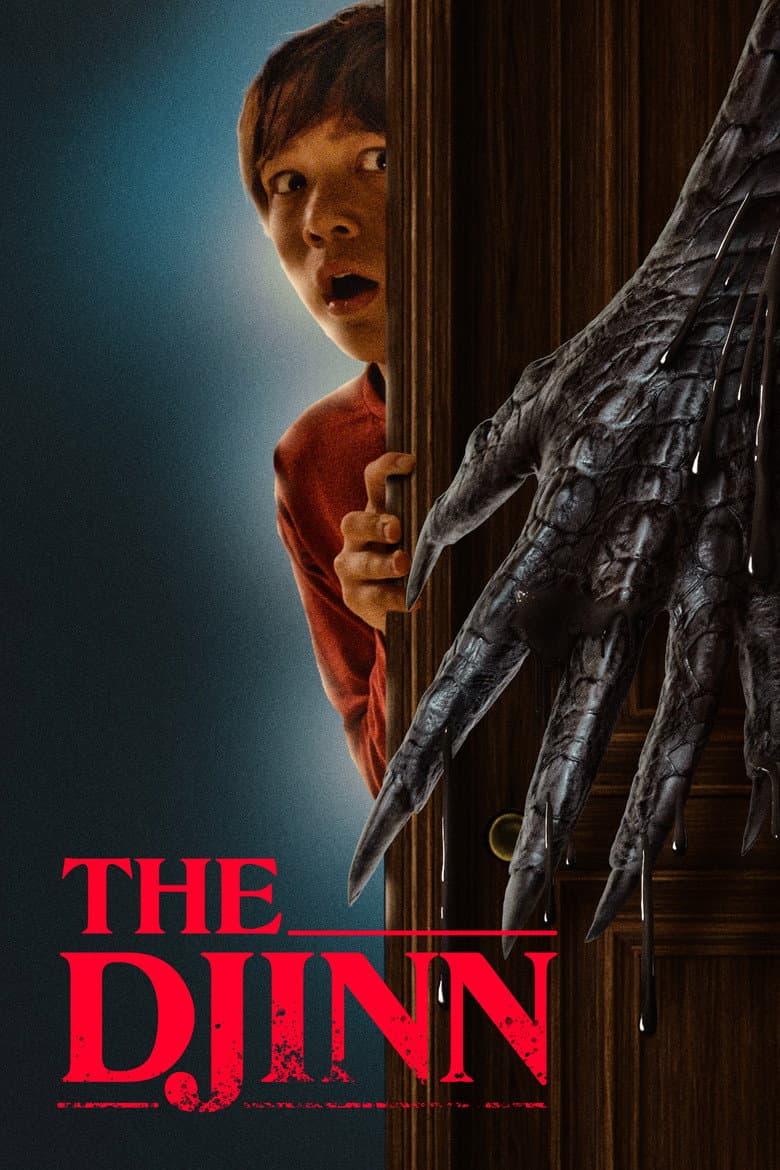
Dylan Jacobs is a mute twelve-year-old boy who has recently moved into an apartment with his father, Michael. The story takes place during one night in 1989, while Michael works a late radio shift. Dylan finds a book of spells and wishes for a voice because he blames his silence for his mother’s death. A shape-shifting djinn then hunts him through the small home, and Dylan must survive until midnight. The film has a dark, tense horror tone and uses silence, shadows, and a ticking clock to build fear.
The main identity-focused element is Dylan’s disability, which controls the plot from the first scene to the ending. His wish treats his lack of speech as the thing he must fix, while the story later says that his disability does not make him weak or less worthy. Dylan uses sign language and practical thinking to fight the monster, so the film presents him as capable while still centering his pain and wish for a voice. The film also uses grief, guilt, family love, and self-acceptance as its main themes.
Community feedback
Was our 40% Woke rating accurate?
Breakdown
These are the editorial factors and ratings behind our score for The Djinn.
Woke representation / casting
Dylan is a mute child in the main role, and he uses sign language throughout the film. The film makes his disability visible and central to the story. The directors said they wanted people with disabilities to feel represented in horror and called inclusion and diversity a core goal. The small cast does not show a wider identity-focused pattern.
38%
Woke political dialogue
Not present. The film uses very little spoken dialogue. Its few spoken lines discuss grief, family, and self-acceptance rather than modern identity or activist ideas.
0%
Identity-driven story themes
The story centers on Dylan’s muteness and his belief that it caused his mother’s death. Dylan wishes for a voice, and that wish drives the supernatural conflict. The story later moves toward self-acceptance and says Dylan is not weak or less worthy because he cannot speak. The theme is personal and emotional rather than a wider activist argument.
52%
Western institutional / cultural critique
Not present. The film shows a family dealing with grief and a supernatural attack. It does not blame Western institutions, men, religion, or traditional social rules.
0%
Woke character or canon changes
Not relevant. The film is an original story about a boy and a djinn. It does not change a known character, source story, or real person.
0%
Anti-woke backlash and complaints
Not present. No meaningful anti-woke backlash appears in the available reaction. One isolated audience joke called the sign-language element “progressive,” but it did not accuse the film of pushing DEI or identity politics.
0%
Creator track record context
Justin Powell and David Charbonier have low stored scores and no public activist profile. Ryan Scaringe and Carter Armstrong have no visible identity-politics record in the stored summaries. Meghan Weinstein has a moderate stored score because her work emphasizes diverse casting and women-led projects. The overall creator signal is limited.
18%
Production
Movie · 2022
Finney Blake, a shy but clever 13-year-old boy, is abducted by a sadistic killer and trapped in a soundproof basement where screaming is of little use.
Movie · 2024
Nothing is what it seems when a twisted one-night stand spirals into a serial killer’s vicious murder spree.
Movie · 2024
After raising an unnervingly talented spider in secret, 12-year-old Charlotte must face the truth about her pet and fight for her family's survival.
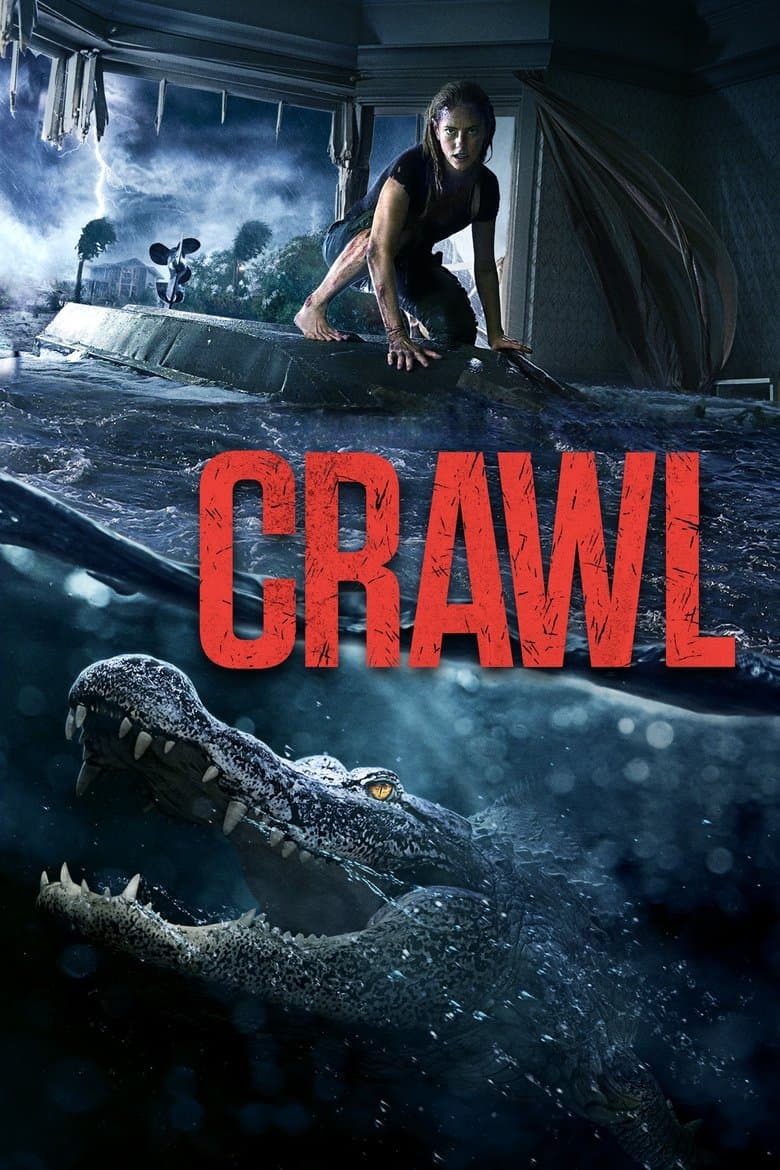
Movie · 2019
When a huge hurricane hits her hometown in Florida, Haley ignores evacuation orders to look for her father. After finding him badly wounded, both are trapped by the flood.
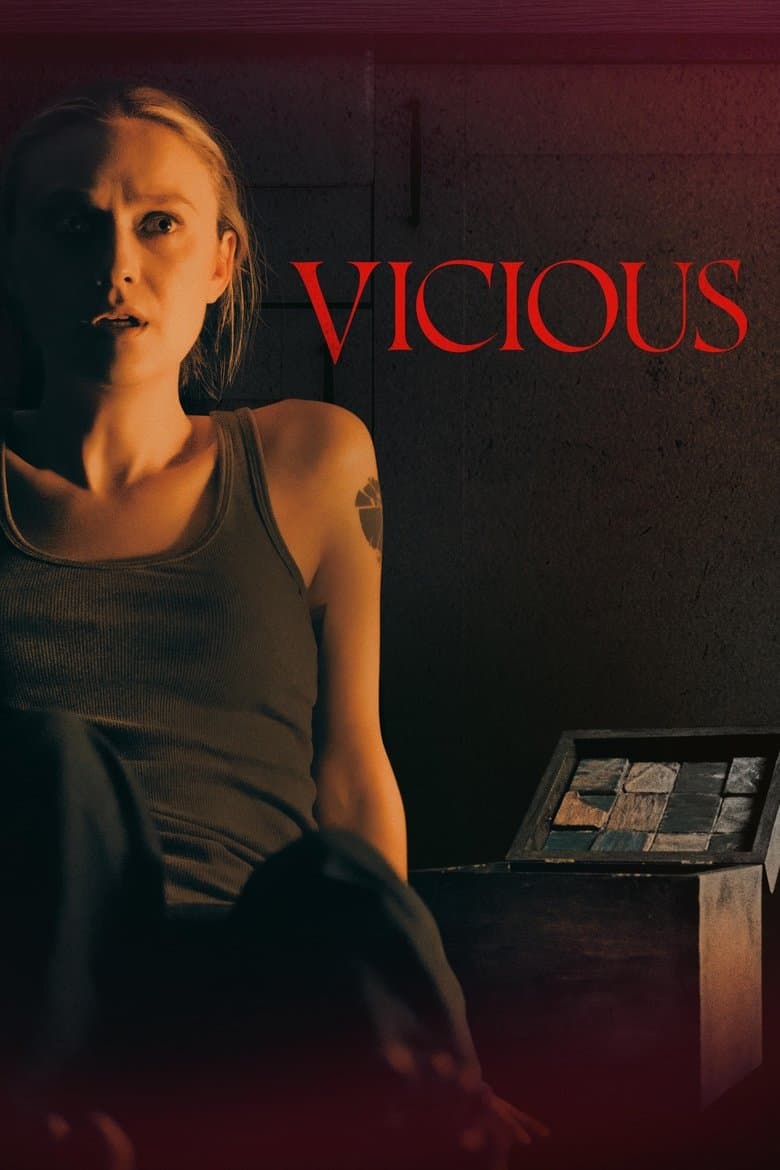
Movie · 2025
When Polly receives a mysterious box, it comes with one rule: place inside something she needs, something she hates, and something she loves.
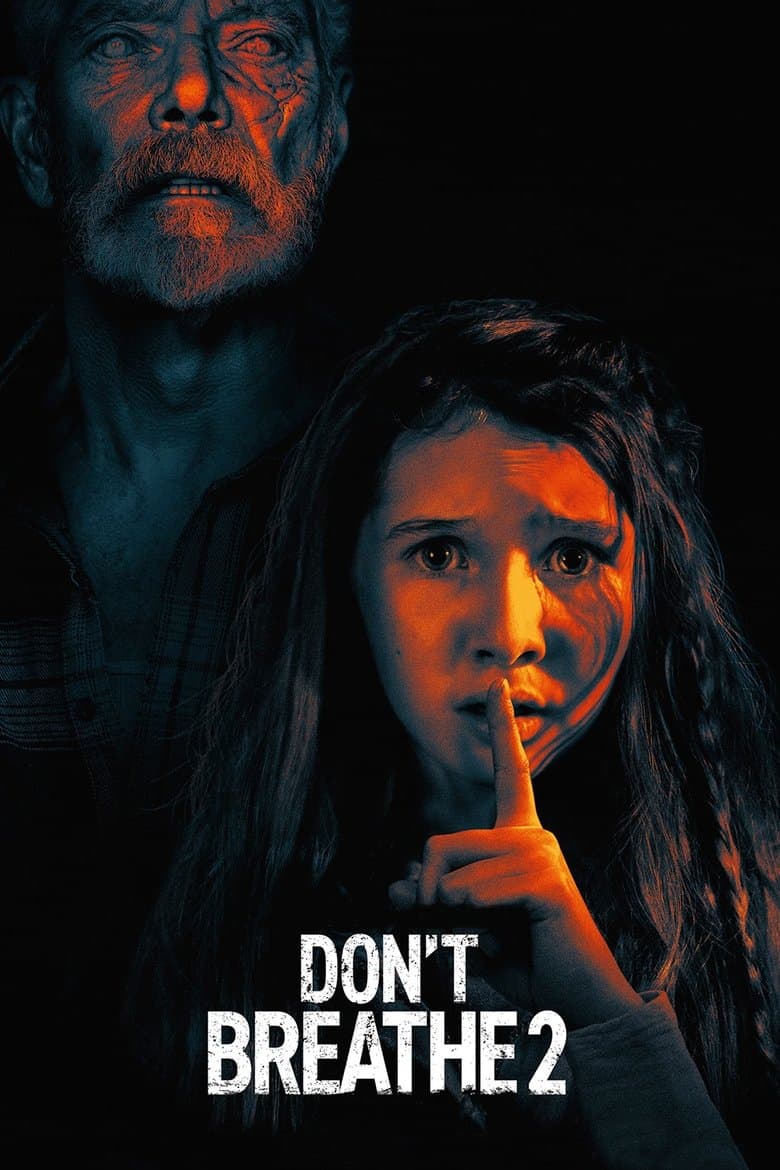
Movie · 2021
The Blind Man has been hiding out for several years in an isolated cabin and has taken in and raised a young girl orphaned from a devastating house fire.
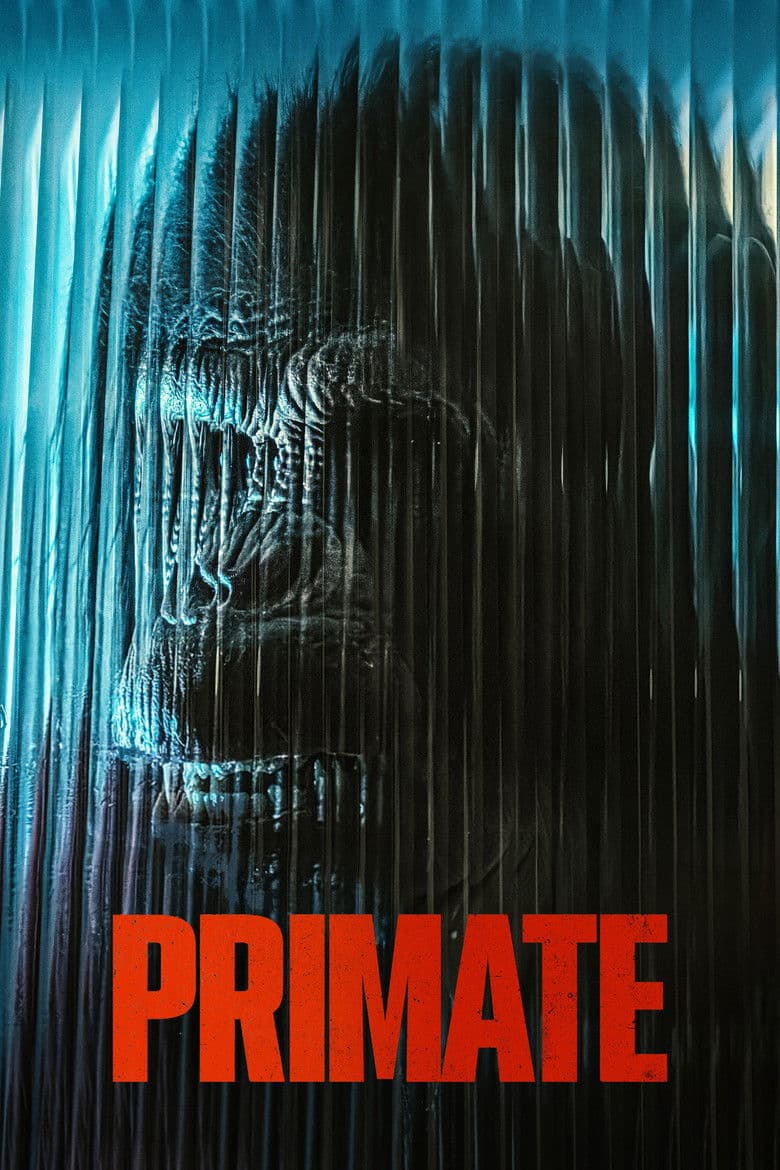
Movie · 2026
College student Lucy and her friends spend their vacation at her family's home in Hawaii, which includes her pet chimpanzee, Ben.
Movie · 2021
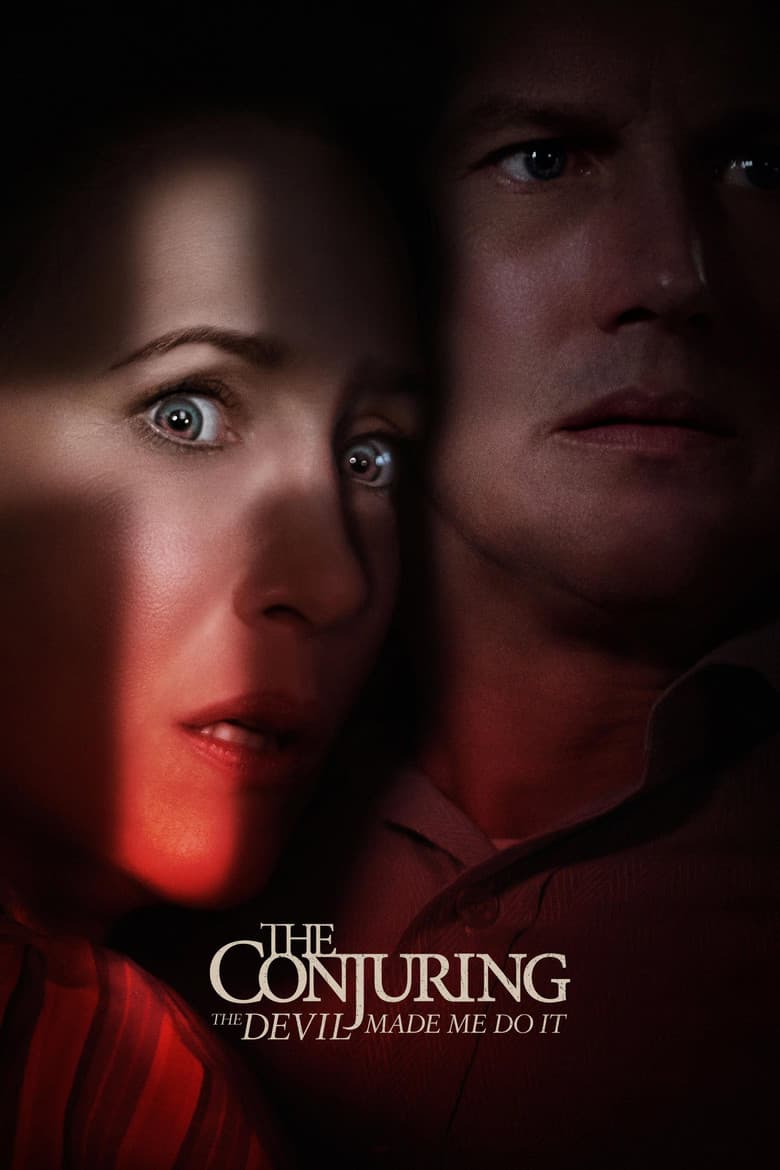
Paranormal investigators Ed and Lorraine Warren encounter what would become one of the most sensational cases from their files.
