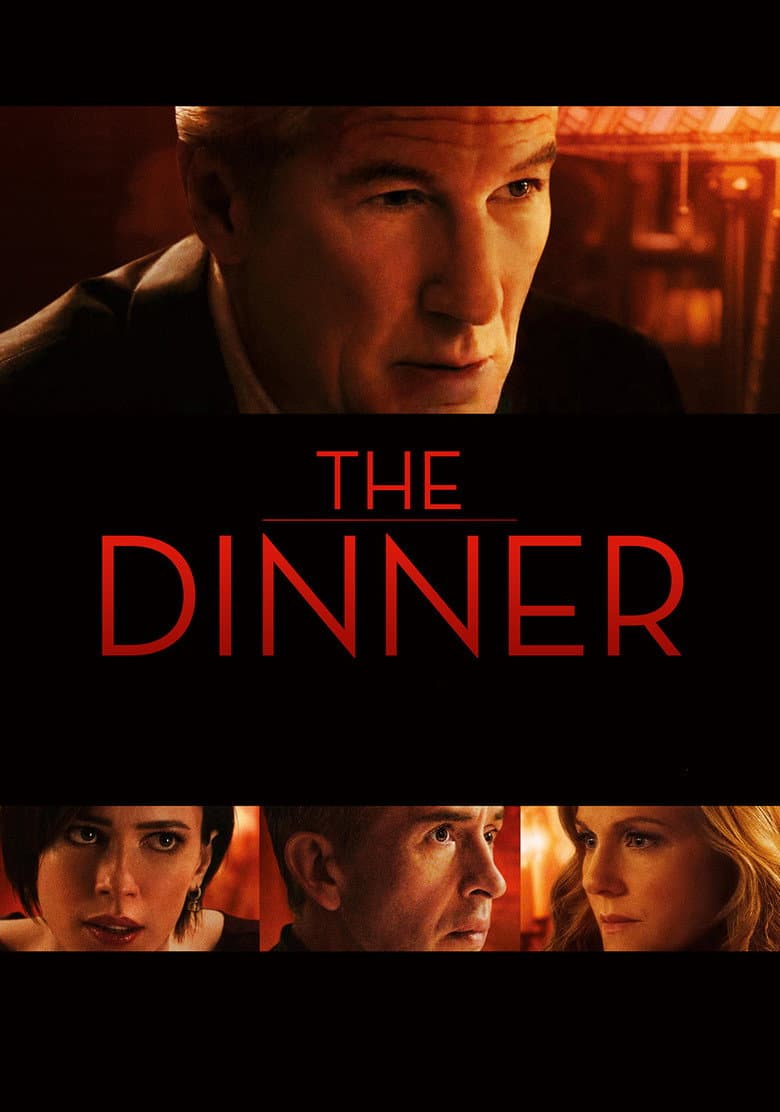
Paul Lohman is a bitter former history teacher who suffers from serious mental illness and resents his successful brother, Stan. On a snowy night in New York, Paul and his wife Claire meet Stan and Stan’s wife Katelyn at a very expensive restaurant. Their sons have taken part in a filmed attack that killed a homeless woman, and the parents must decide whether to tell the truth or protect the boys. The film uses dark humor, family memories, angry arguments, and a tense mystery to show how far parents may go for their children.
The film gives strong attention to race and class. The two white boys attack a black homeless woman, while Beau, Stan’s Black adopted son, becomes part of the fight over the video and the family’s secrets. Paul talks about racism, the underclass, American history, and the way rich people hide behind power. The story treats white privilege and public image as causes that help the family ignore suffering, but mental illness, family loyalty, guilt, and parental love remain just as important.
Community feedback
Was our 55% Woke rating accurate?
Breakdown
These are the editorial factors and ratings behind our score for The Dinner.
Woke representation / casting
Not present. The film has a mostly white family with a black adopted son, a black campaign aide, and a black homeless victim. These choices fit the modern American setting and the plot, and the film does not present its casting as a diversity message.
0%
Woke political dialogue
Paul repeatedly attacks American history and calls himself a “warrior for the underclass.” The family argues about racism, a child “playing the race card,” poor people, corporate sponsors, lobbyists, and political power. These talks return during the dinner and the flashbacks. The film presents them through angry and unstable characters rather than through a clear political speech.
42%
Identity-driven story themes
The crime targets a black homeless woman, and the parents debate whether their rich white family can escape the result. The film returns to white privilege, racism, class, and the way powerful people protect their own children. Beau’s place as a black adopted son makes race and family belonging part of the main conflict. The story also centers on mental illness, family loyalty, guilt, and parental love.
52%
Western institutional / cultural critique
The film repeatedly mocks the rich family’s luxury restaurant, political donors, lobbyists, and public image. The story links the boys’ cruelty to a protected upper-class world that rarely faces people outside it. Paul attacks American history and war, while Stan’s political career depends on fear and image. The film criticizes privilege and public institutions without making a broad attack on Christianity or openly supporting socialism.
38%
Woke character or canon changes
Not relevant. The film is an adaptation, but the Black adopted son was already in the novel. The American setting and added political details do not change a character’s race, gender, sexuality, or hero role.
0%
Anti-woke backlash and complaints
Movieguide called the film leftist, politically correct, and anti-American. The review objected to its negative view of white middle-class families and its treatment of American history. Reddit viewers mostly complained about the pacing, acting, and ending instead of identity politics. The supplied X check found no anti-woke posts, boycotts, or review-bombing.
18%
Creator track record context
Oren Moverman has a progressive social-drama record and openly links this film to white privilege, racism, hate crimes, and mental health. Herman Koch is mainly a satirical writer and has little activist or DEI history. Several producers and the script supervisor have stronger records in race, representation, or LGBTQ projects. This gives the creative team a moderate woke context that supports the film’s social themes.
45%
Production

Movie · 2016
Tom’s birthday dinner party is turned upside down by the unexpected arrival of Alice, an old flame who changed her identity and vanished without a trace 15 years prior.

Movie · 2016
When his girlfriend goes missing, David must track down her whereabouts after he realizes she's not who she was pretending to be.
Movie · 2016
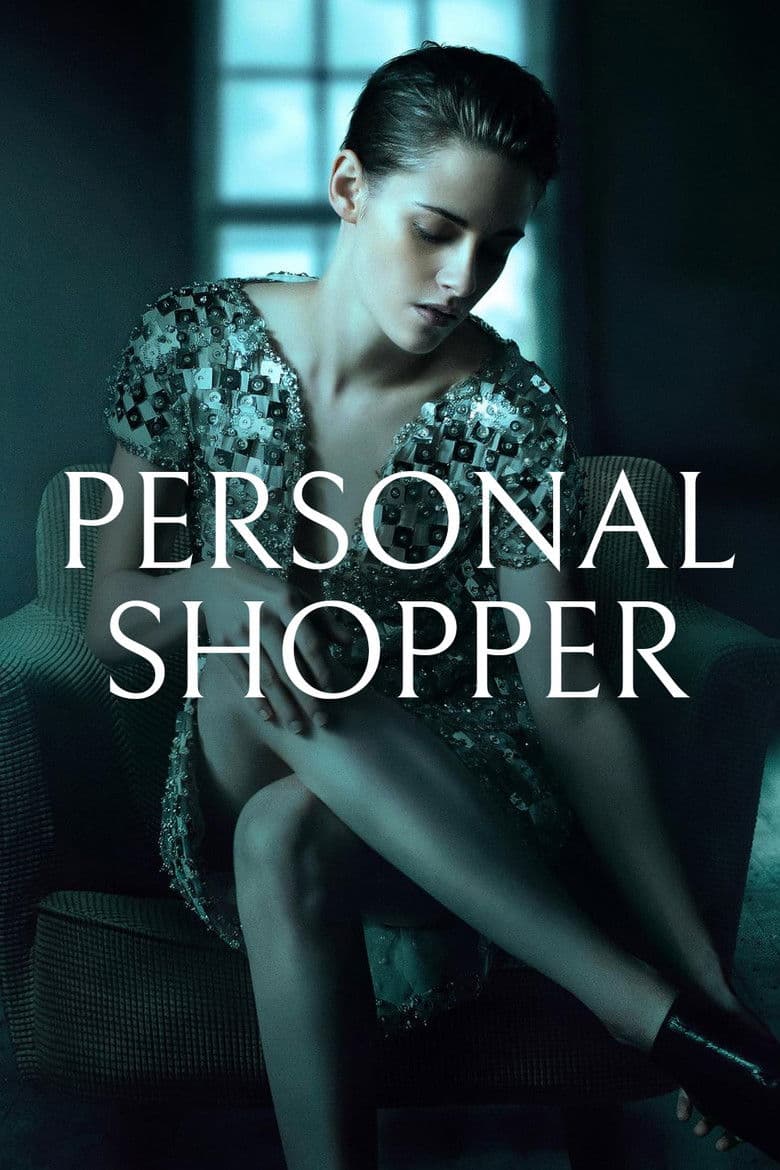
Maureen, mid-20s, is a personal shopper for a media celebrity. The job pays for her stay in Paris, a city she refuses to leave until she makes contact with her twin brother who…
Movie · 2022
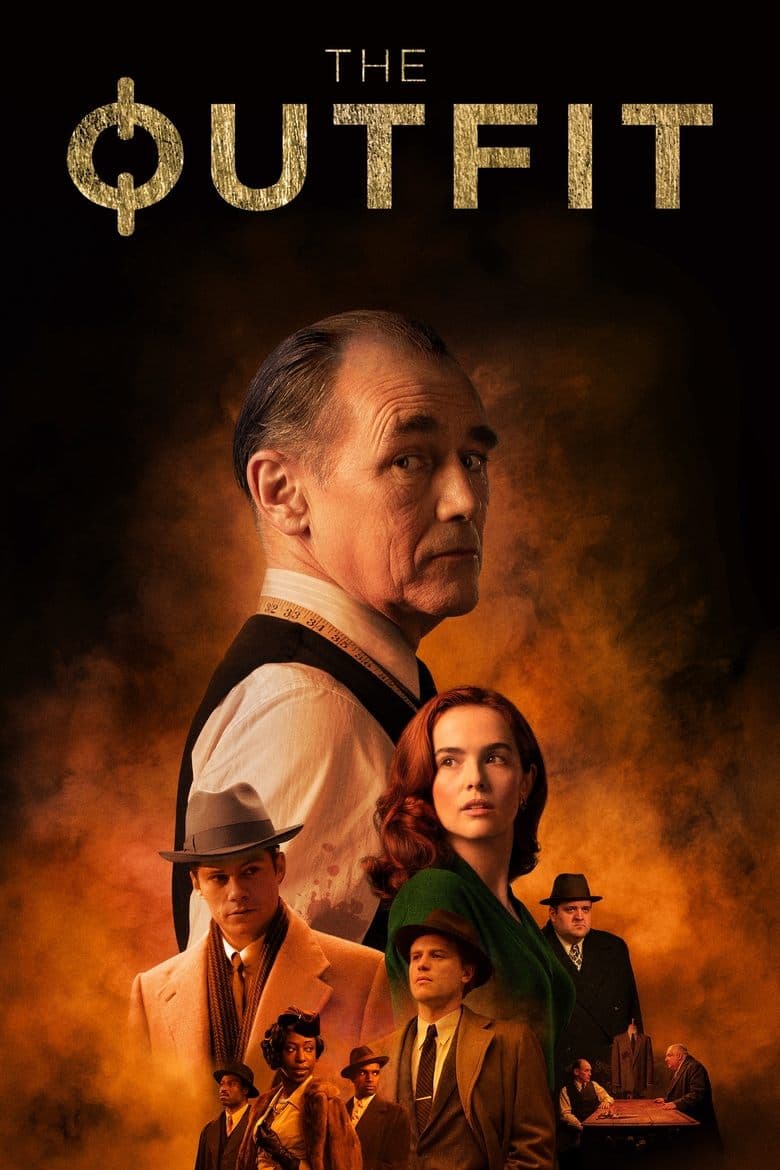
Leonard is an English tailor who used to craft suits on London’s world-famous Savile Row. After a personal tragedy, he’s ended up in Chicago, operating a small tailor shop in a…

Movie · 2016
In 1967, four undercover CIA agents were sent to NASA posing as a documentary film crew. What they discovered led to one of the biggest conspiracies in American history.
Movie · 2019
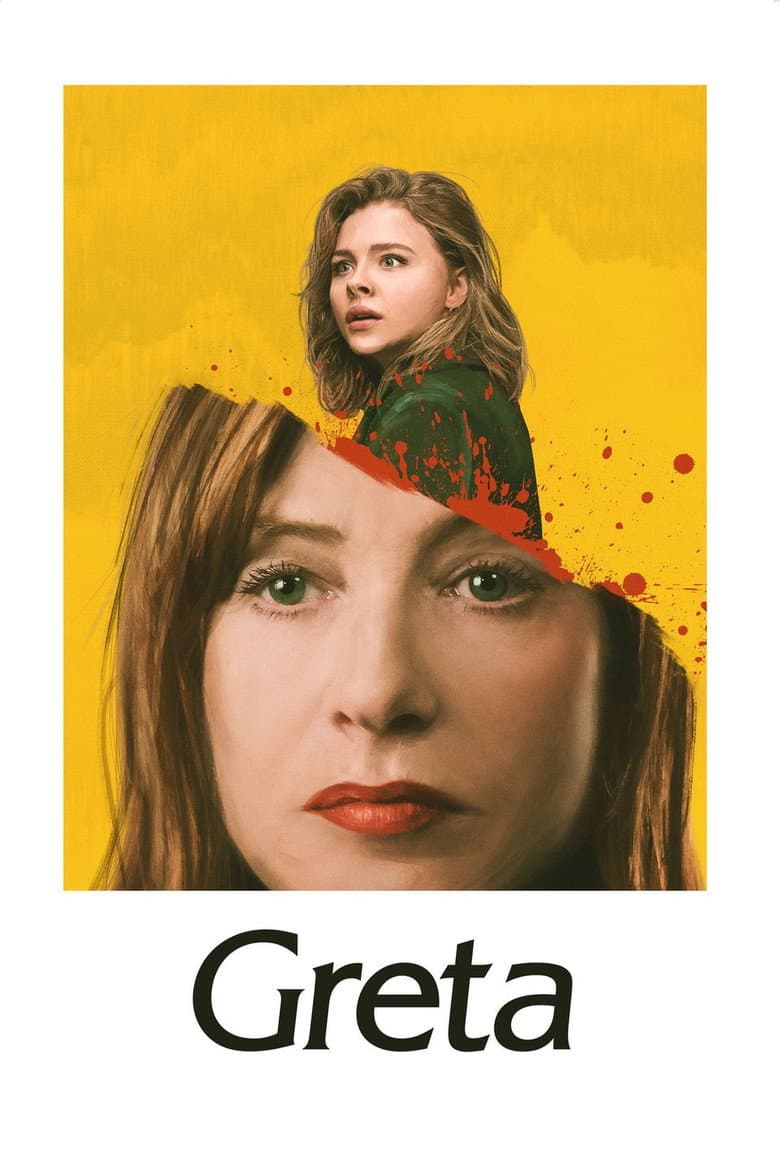
A young woman returns a lonely widow’s lost purse, leading to an unlikely relationship between the two — until the young woman discovers the widow might not be all that she seems.

Movie · 2018
During a mysterious thunderstorm, Vera, a young mother, manages to save a life in danger, but her good deed causes a disturbing chain of unexpected consequences.
Movie · 2017
Dr. Steven Murphy is a renowned cardiovascular surgeon who presides over a spotless household with his wife and two children.
