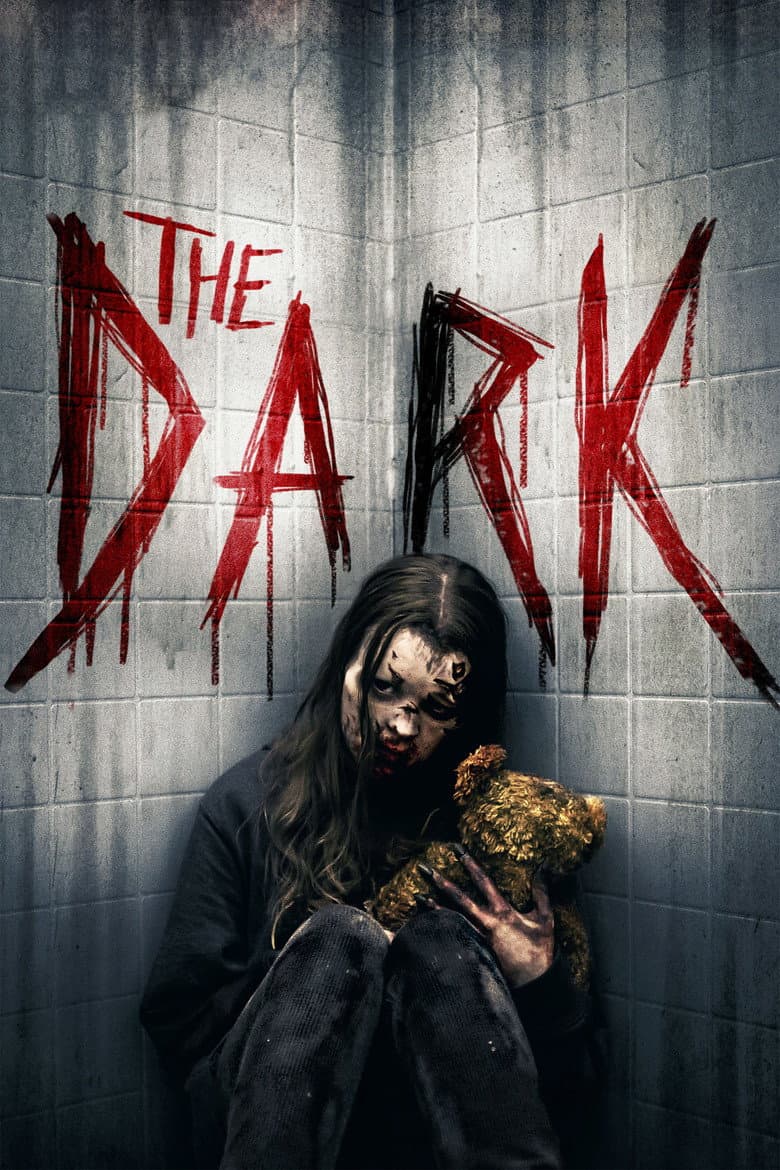
Mina is a teenage girl who died after years of abuse and now lives as a flesh-eating monster in a remote forest. She attacks people who enter the woods, but she spares Alex, a blind boy who was kidnapped and hurt by an older man. Mina and Alex slowly build trust while police and other people search the forest for the missing boy. The film uses a quiet, bleak horror style and mixes gore with a sad story about fear, damage, and healing.
The clearest woke element is the choice to make a young girl the main monster, the strongest person in the story, and the protector of a helpless boy. The film gives Mina anger, violence, and control instead of asking her to be gentle or sweet. This gender-role message is visible through the main story, but the film does not turn it into a political speech. The main message stays focused on how abuse can twist a child and how trust can bring back some humanity.
Community feedback
Was our 28% Woke rating accurate?
Breakdown
These are the editorial factors and ratings behind our score for The Dark.
Woke representation / casting
The main roles center on one teenage girl and one teenage boy in a small horror story. The director says the team searched for a girl who could make Mina feel like a real monster. The film gives Mina the lead and the power to protect Alex. Alexander described the role as empowering because young women are often offered soft parts. The cast does not show a wider diversity-first pattern, so the score stays low.
15%
Woke political dialogue
Not present. The film has very little dialogue. Its lines focus on abuse, fear, rules, survival, and the woods rather than modern identity or political ideas.
0%
Identity-driven story themes
The main story follows Mina as an abused girl who is dangerous, angry, and in control. Mina decides whether Alex lives and becomes his protector, while the adult men around them are mostly threats or fail to help. The film rejects the idea that its girl hero must be gentle or harmless. Abuse and trust remain the main subjects, so the gender message is important but the film does not become a full political program.
38%
Western institutional / cultural critique
Not present. The film shows adults and police failing to protect abused children, but this failure belongs to the horror plot. The film does not connect that failure to modern patriarchy, conservative politics, or a wider attack on Western culture.
0%
Woke character or canon changes
Not relevant. The film is an original story that grew from Lange’s student short. It does not change an established character, franchise, book, or historical figure.
0%
Anti-woke backlash and complaints
Not present. No anti-woke complaints were found in the reviewed public discussion. People mostly debated the abuse story, the ending, the slow pace, and the unclear monster rules.
0%
Creator track record context
The stored scores are low for Lange, Hufnagl, Krausz, Krügel, and Stocker. Smith and Perlmutter have moderate scores because several past projects center LGBTQ, Indigenous, or other diverse characters. Drabkin has the highest stored score because her casting work often supports socially focused films. The overall creator context is mildly social, not a strong activist pattern.
23%
Production
Movie · 2017
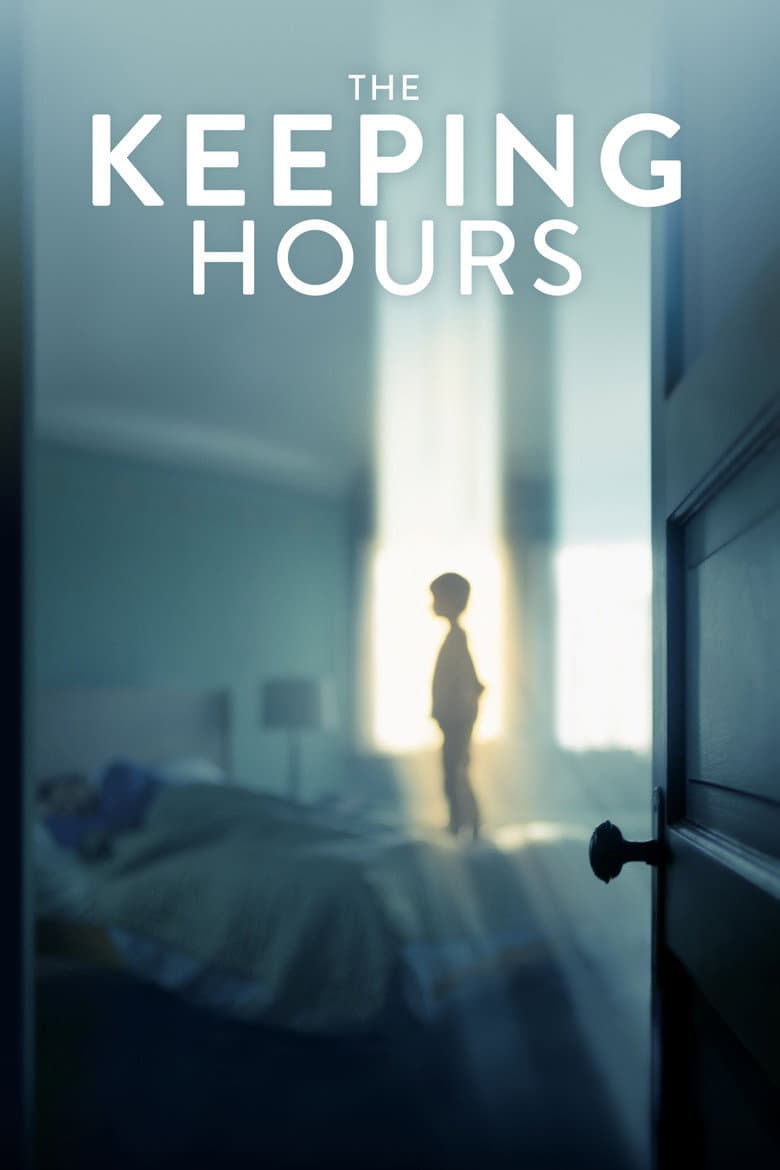
A supernatural love story that centers on two parents whose life together falls apart after their son dies. The man, now a successful lawyer, and the woman, now married and an…
Movie · 2018
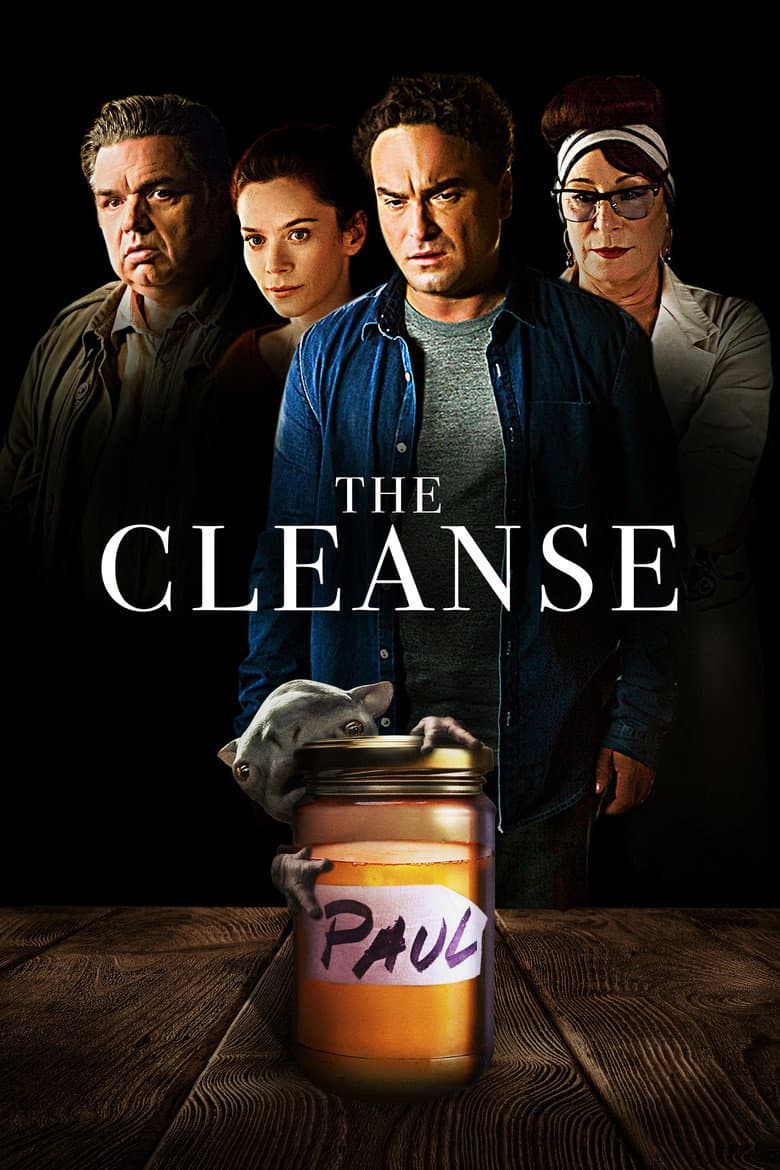
The story of a heartbroken man who attends a spiritual retreat, only to discover that the course releases more than everyday toxins and traumatic experiences.
Movie · 2023
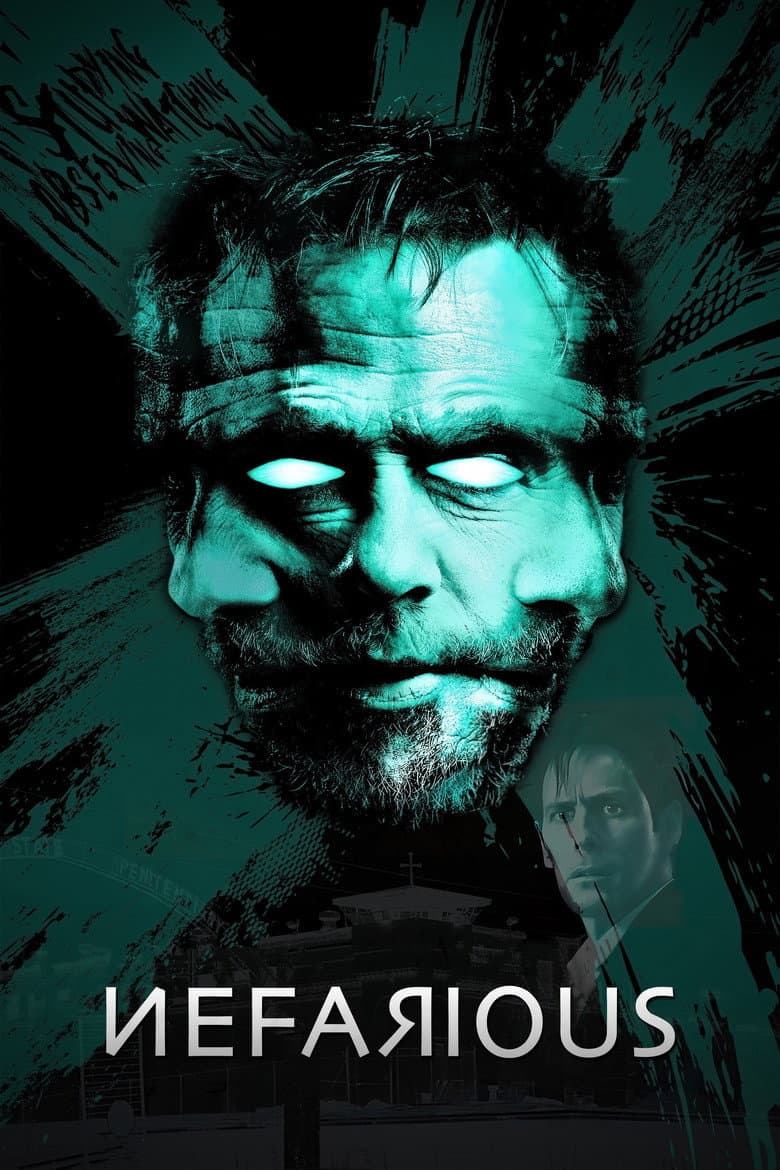
On the day of his scheduled execution, a convicted serial killer gets a psychiatric evaluation during which he claims he is a demon, and further claims that before their time is…
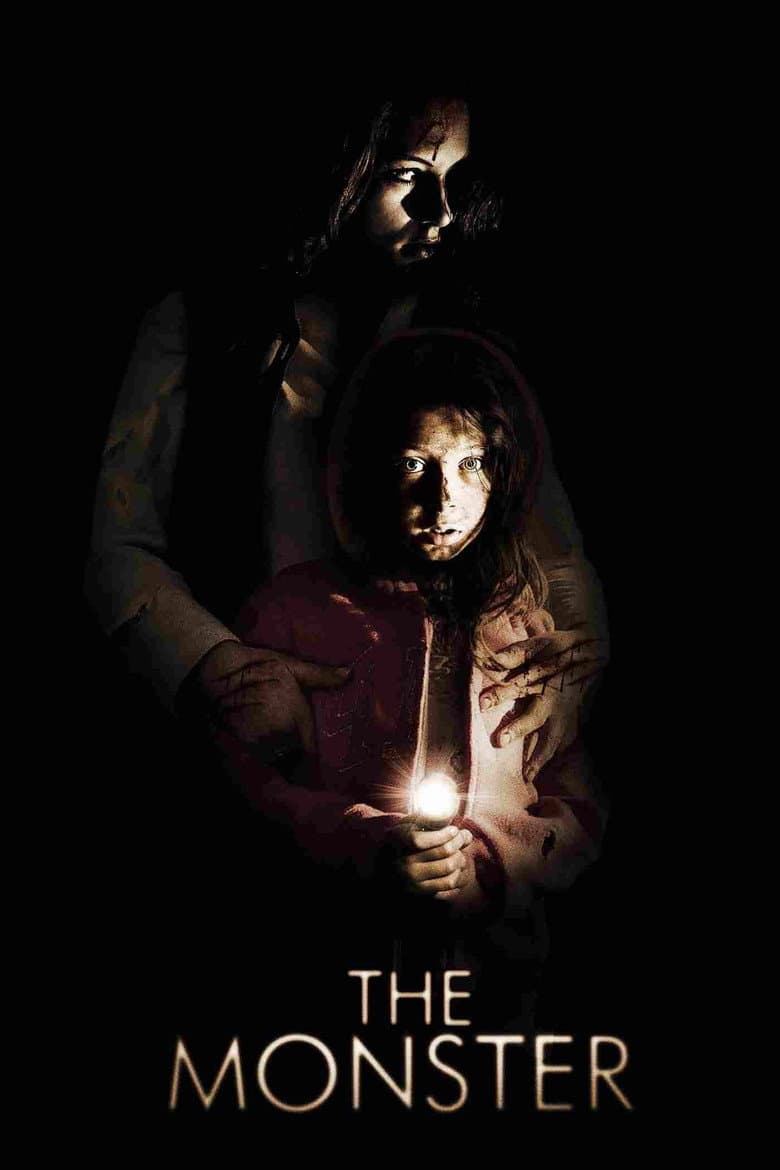
Movie · 2016
A mother and her 10-year old daughter are trapped in a forest. There is something in this forest. Something unlike anything they have heard before.
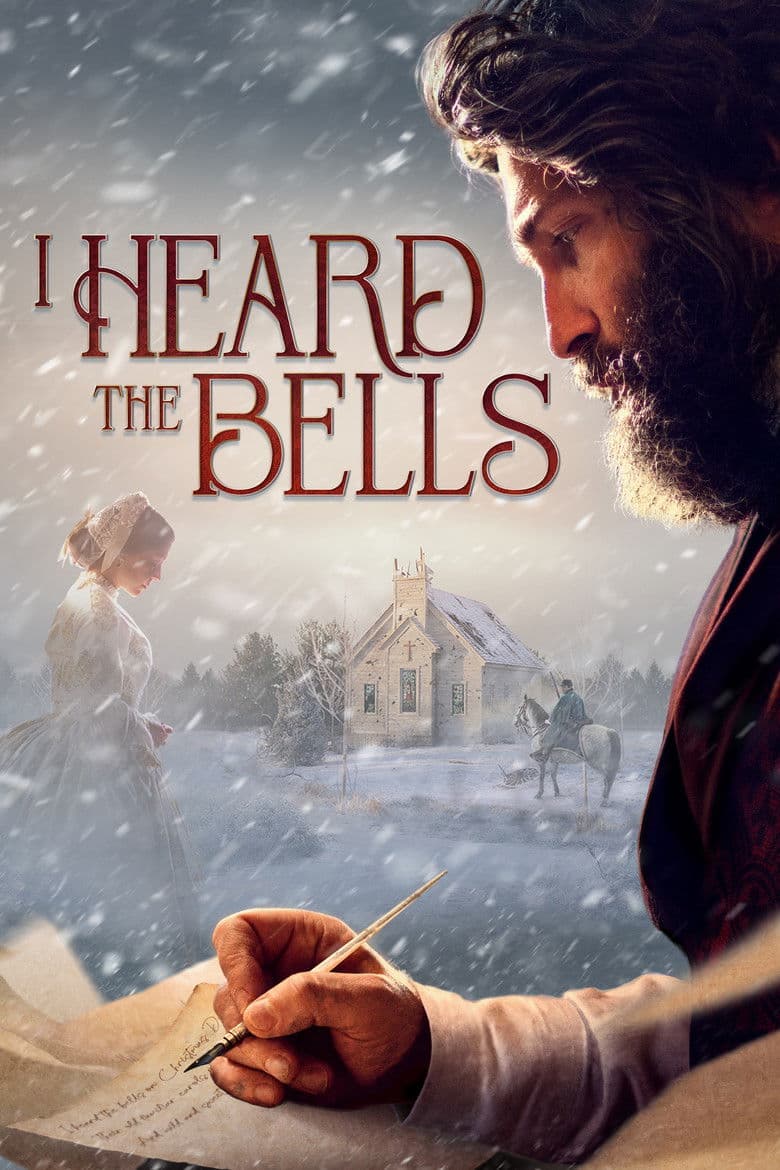
Movie · 2022
Known as America’s Poet, Henry Wadsworth Longfellow leads an idyllic life – until the day his world is shattered by tragedy.
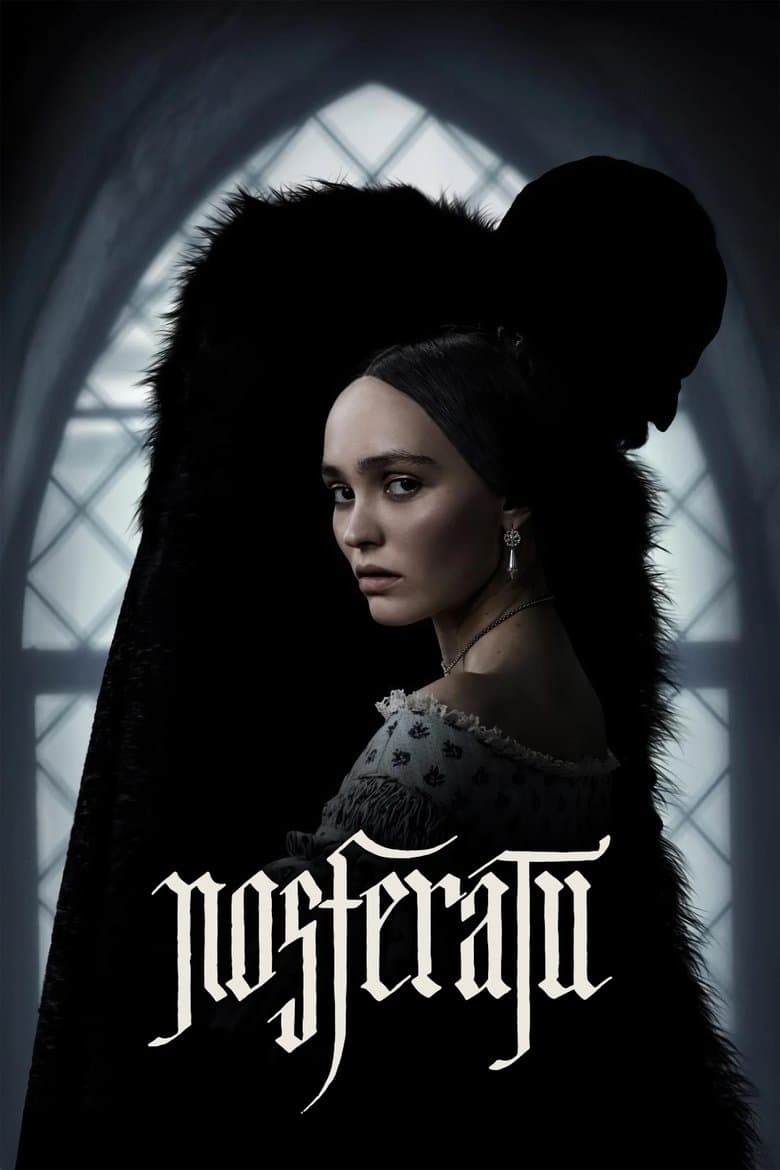
Movie · 2024
A gothic tale of obsession between a haunted young woman and the terrifying vampire infatuated with her, causing untold horror in its wake.
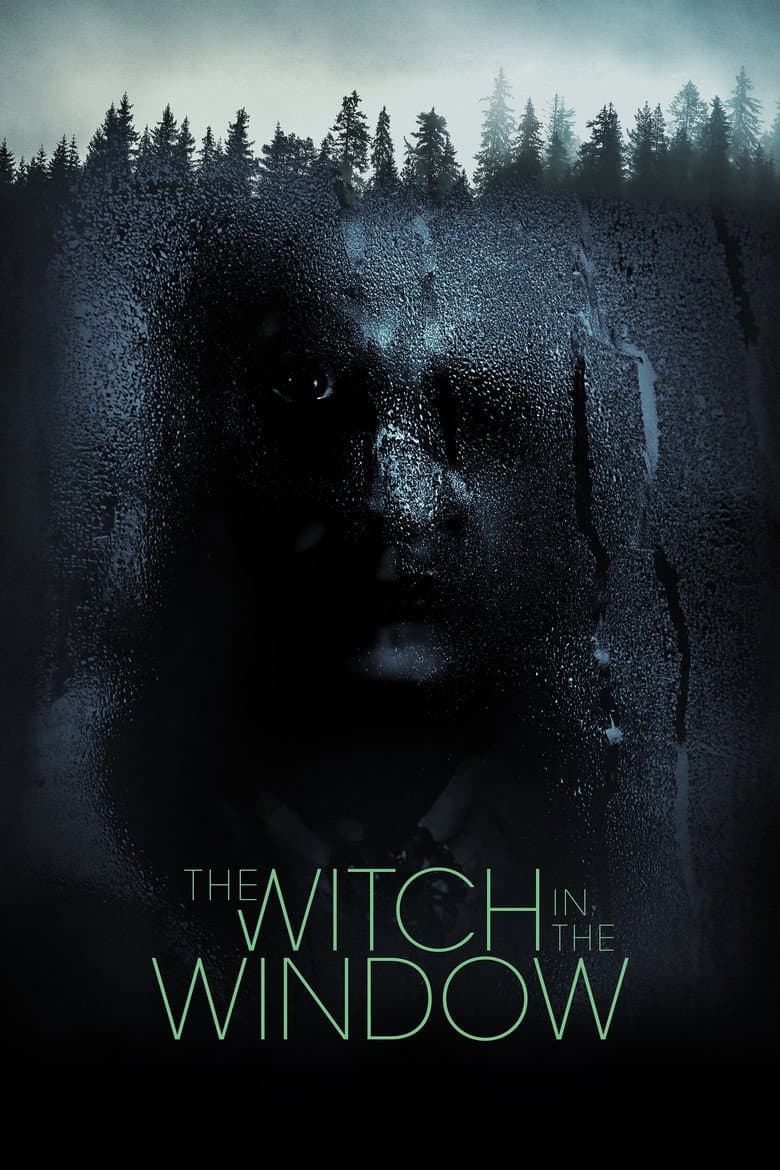
Movie · 2018
When Simon brings his twelve year-old son, Finn, to rural Vermont to help flip an old farmhouse, they encounter the malicious spirit of Lydia, a previous owner.
Movie · 2025
In this extraordinary story of an ordinary man, Charles 'Chuck' Krantz experiences the wonder of love, the heartbreak of loss, and the multitudes contained in all of us.
