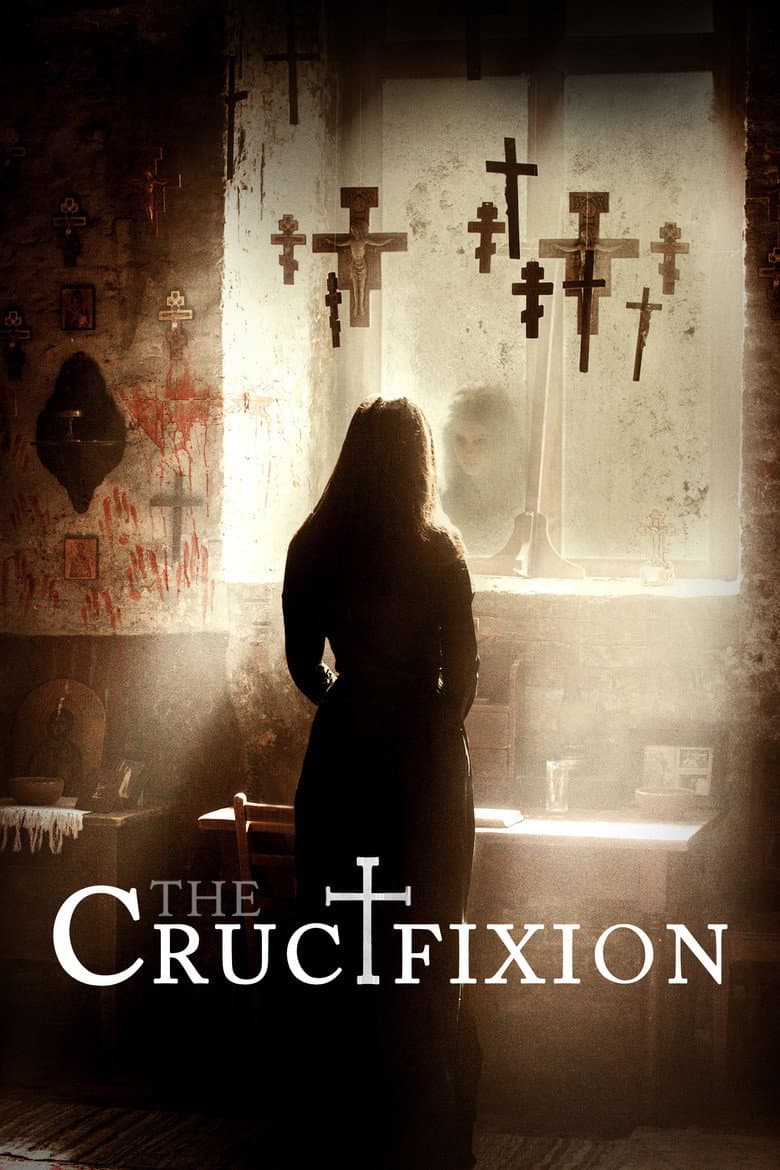
Nicole Rawlins is a young New York reporter who travels to rural Romania after a priest is jailed for a nun’s death. The nun was tied to a cross during an exorcism, and officials say she was mentally ill. Nicole interviews the priest, church leaders, a doctor, and people who knew the nun. The mystery turns into a dark possession story as Nicole faces strange visions and a demon that may have caused the death.
Nicole’s story centers on the fight between medical explanations and religious belief. The movie shows a bishop calling the exorcism wrong while a priest insists that a demon killed Adelina. Nicole begins as a skeptic after her mother’s death, but the demon later attacks her and a Christian exorcism saves her. The film treats faith, heaven, hell, and demonic power as real, while also showing how a reckless priest and the gap between medical care and religious belief placed a vulnerable woman in danger.
Community feedback
Was our 10% Woke rating accurate?
Breakdown
These are the editorial factors and ratings behind our score for The Crucifixion.
Woke representation / casting
Not present. The film shows a white American reporter among Romanian clergy and villagers, which fits the story’s setting. The movie does not make race, gender, or diversity casting a message.
0%
Woke political dialogue
Not present. The spoken debates concern faith, demons, mental illness, medicine, and the Church. The movie has no modern identity, DEI, or activist political lines.
0%
Identity-driven story themes
Not present. Nicole’s arc follows her move from doubt to belief after her investigation and possession. The story does not center race, gender politics, sexuality, or a social justice cause.
0%
Western institutional / cultural critique
A reckless priest uses church authority to restrain and crucify a mentally ill nun. A bishop calls this a stain on the Church and says poor villagers often rely on it instead of weak health care. The ending treats demons and Christian prayer as real, so the criticism stays tied to this case instead of becoming a broad modern attack on religion.
15%
Woke character or canon changes
Not relevant. The film changes names, dates, and adds a fictional reporter and a supernatural ending to the real Tanacu case. These changes do not recast a real person’s race, gender, sexuality, or place in the story.
0%
Anti-woke backlash and complaints
Not present. The separate X pass found no anti-woke posts, and other reviews mostly criticize the movie’s quality or religious message. No clear complaint says the film pushes DEI or identity politics.
0%
Creator track record context
Xavier Gens has a cached 17 score for environmental causes, not identity politics. Carey Hayes has a 1 score and no noted activism or DEI pattern. Peter Safran has a 9 score with no clear activist record. Andrew Lauren has a 27 score tied mainly to one race-focused film, so the combined context is weak.
11%
Production
Movie · 2021
Paranormal investigators Ed and Lorraine Warren encounter what would become one of the most sensational cases from their files.

Movie · 2019
Newcomer Evan joins a group of teens on a getaway in Joshua Tree. While exchanging ghost stories around the campfire, Evan reads aloud a mysterious chant from an internet site.
Movie · 2017
A young man and his three younger siblings are plagued by a sinister presence in the sprawling manor in which they live.
Movie · 2019
When a 12-year-old boy goes missing at a local park, a detective investigates the case to help the boy's family find answers.
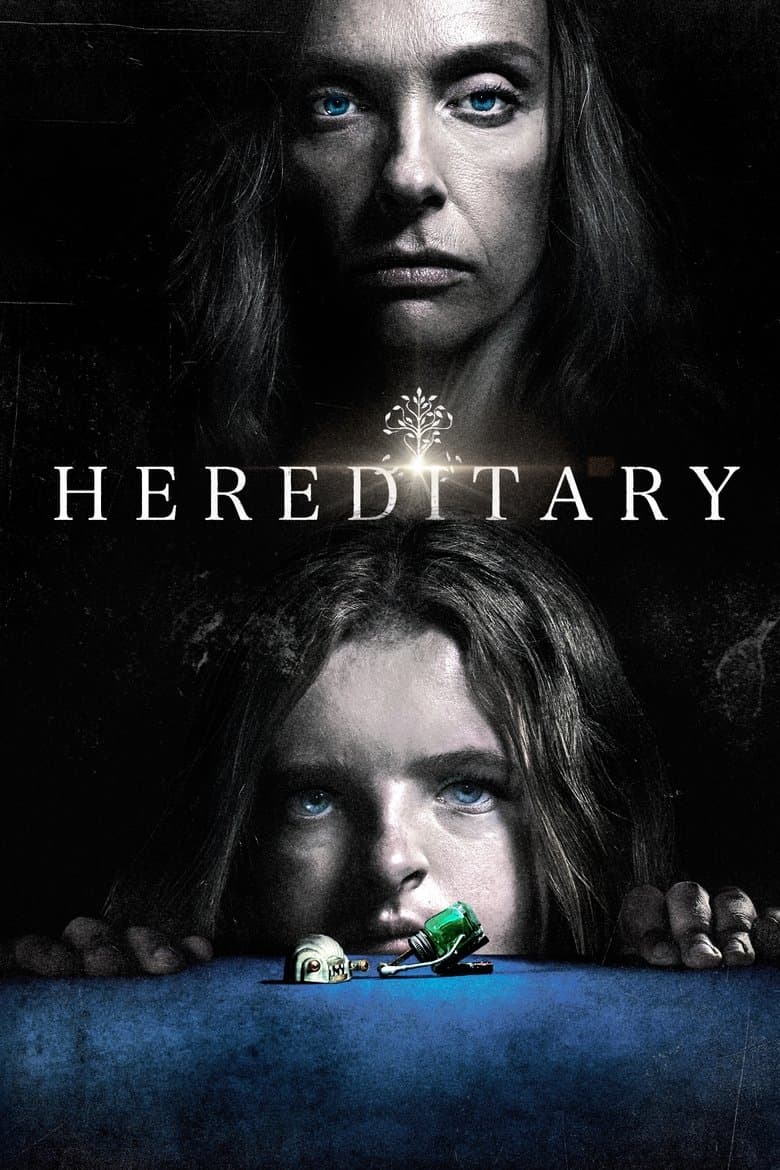
Movie · 2018
Following the death of the Leigh family matriarch, Annie and her children uncover disturbing secrets about their heritage.
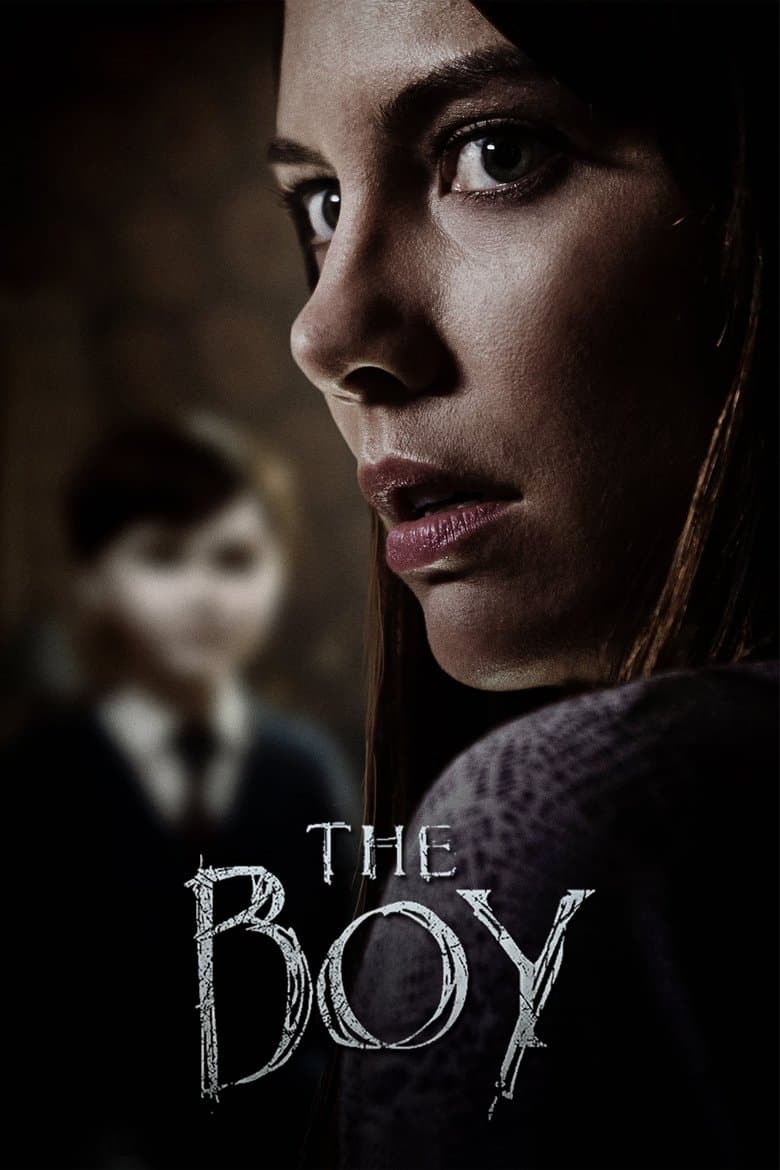
Movie · 2016
A young American woman takes a job as a nanny in a remote English village, soon discovering that the family's eight-year-old son is a life-sized doll that comes with a list of…
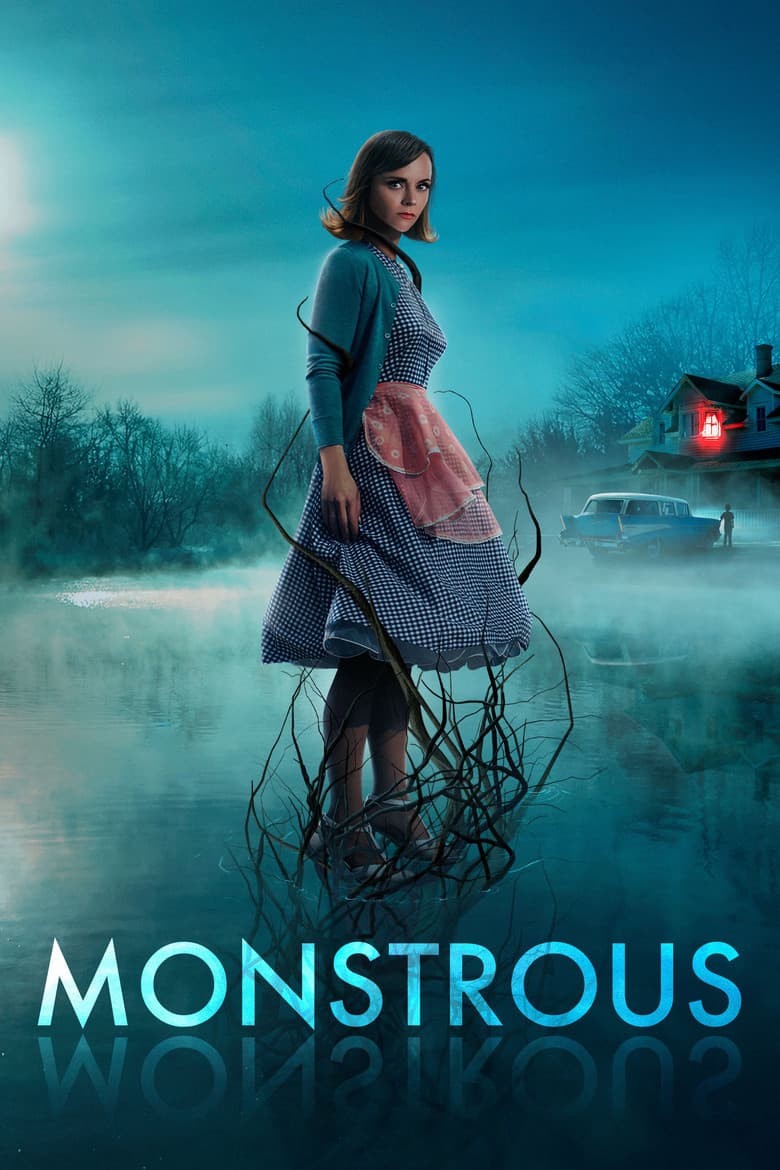
Movie · 2022
Laura, traumatized by an abusive relationship, runs away from her former husband with her seven-year-old son Cody.
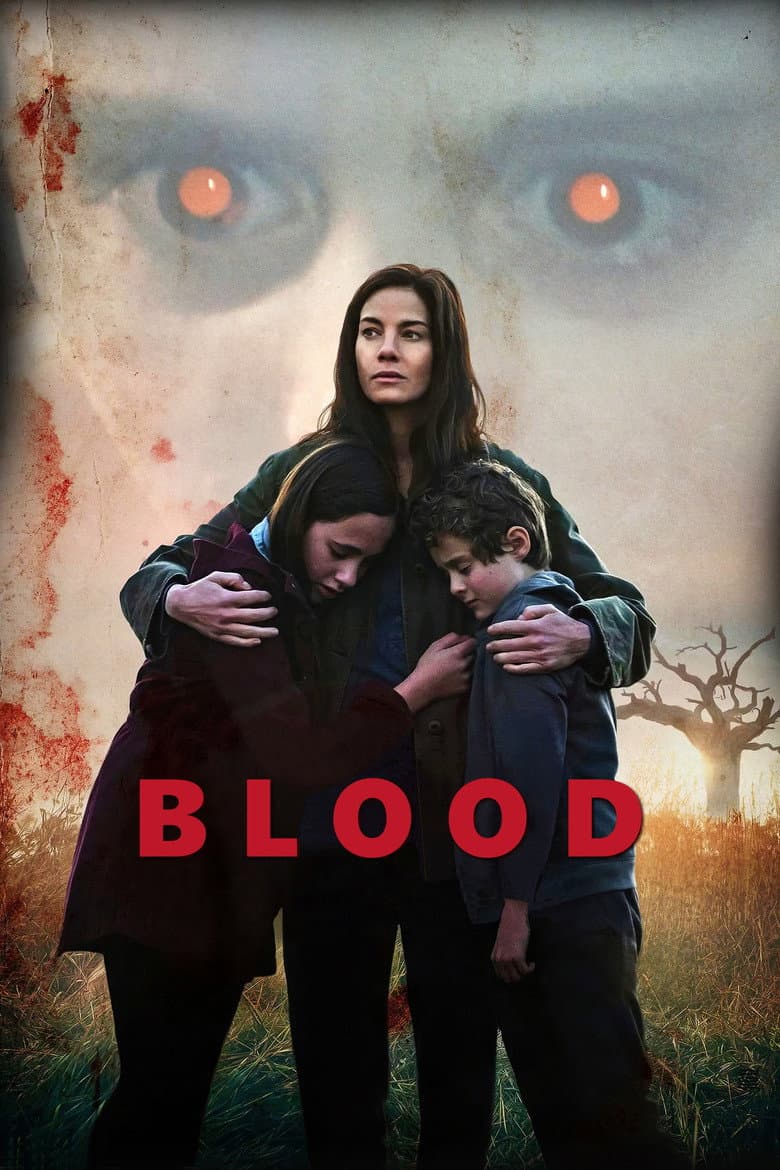
Movie · 2023
Jess, a newly separated mother and nurse, moves into her old family farmhouse with Tyler, her teenage daughter, and Owen, her eight-year-old son.
