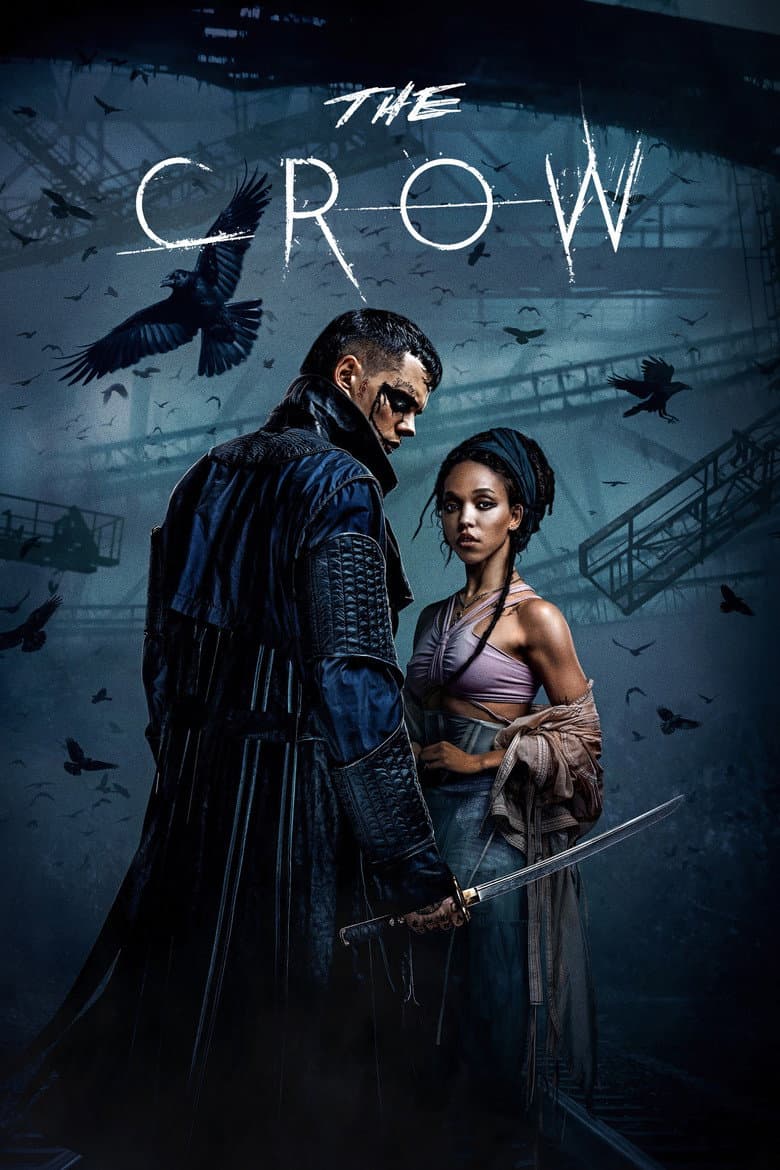
The Crow follows Eric, a troubled young man who meets Shelly in a rehabilitation center. The pair escape after Shelly is hunted by a powerful crime lord, but the killers find them and murder them. Eric wakes in a bleak world between life and death and returns with a supernatural gift so he can hunt the men who took Shelly from him. The film uses dark fantasy, heavy gore, drug use, sex, grief, and a sad love story to create a grim and violent mood.
The film puts an interracial couple at its center by casting FKA twigs as Shelly opposite Bill Skarsgård as Eric. Shelly has her own troubled past, a music career, and a link to the villain’s crimes. These choices shape the romance and give Eric’s revenge its reason, but the film presents them through love, danger, guilt, and supernatural fate. The main themes are addiction, loss, revenge, sacrifice, and whether love can survive death.
Community feedback
Was our 22% Woke rating accurate?
Breakdown
These are the editorial factors and ratings behind our score for The Crow.
Woke representation / casting
The film recasts the established Shelly as a black woman and places her in a central interracial romance with white Eric. The film also uses a visibly mixed supporting cast in several named roles. The modern setting allows a diverse cast, but Shelly’s race is not explained by her backstory or by the plot. No interview found that the film was sold as a diversity campaign, so the casting signal stays moderate.
32%
Woke political dialogue
Not present. The characters talk about love, grief, addiction, death, and revenge. They do not use modern activist or identity politics language.
0%
Identity-driven story themes
Not present. The story focuses on a couple, supernatural revenge, addiction, guilt, and sacrifice. It does not build its message around race, sex, gender, sexuality, or another identity group.
0%
Western institutional / cultural critique
Not present. The rehabilitation center is harsh and the crime lord abuses power, but the film does not make a modern activist attack on Western institutions, capitalism, patriarchy, or religion.
0%
Woke character or canon changes
Not relevant. The film changes the couple’s backstory and makes their romance a larger part of the plot. Interviews describe these as choices about love, grief, and horror, not woke or identity-driven changes.
0%
Anti-woke backlash and complaints
Small online accounts called the film a “woke” or “trash woke” reboot. A few posts attacked FKA twigs as Shelly and the interracial couple as race-swap or ESG casting. One theatergoer mentioned “woke screaming” over the rehab and rave couple but said the film itself was not woke. The reaction was scattered, and there was no coordinated boycott or major right-leaning campaign.
12%
Creator track record context
Zach Baylin’s earlier work includes King Richard and Creed III, which center black history and representation. Baylin also wrote The Order, which focuses on the dangers of white supremacy. Rupert Sanders has no clear activist pattern, and most other listed creators have little public evidence of woke advocacy. This gives the title mild creator-context support, but the film itself is not framed as a social justice project.
18%
Production
Movie · 2024
Hellboy and a rookie BPRD agent get stranded in 1950s rural Appalachia. There, they discover a small community haunted by witches, led by a local devil with a troubling connection…
Movie · 2018
The Shadow Mountains, 1983. Red and Mandy lead a loving and peaceful existence; but when their pine-scented haven is savagely destroyed, Red is catapulted into a phantasmagoric…
Movie · 2025
The Demon Slayer Corps are drawn into the Infinity Castle, where Tanjiro, Nezuko, and the Hashira face terrifying Upper Rank demons in a desperate fight as the final battle…
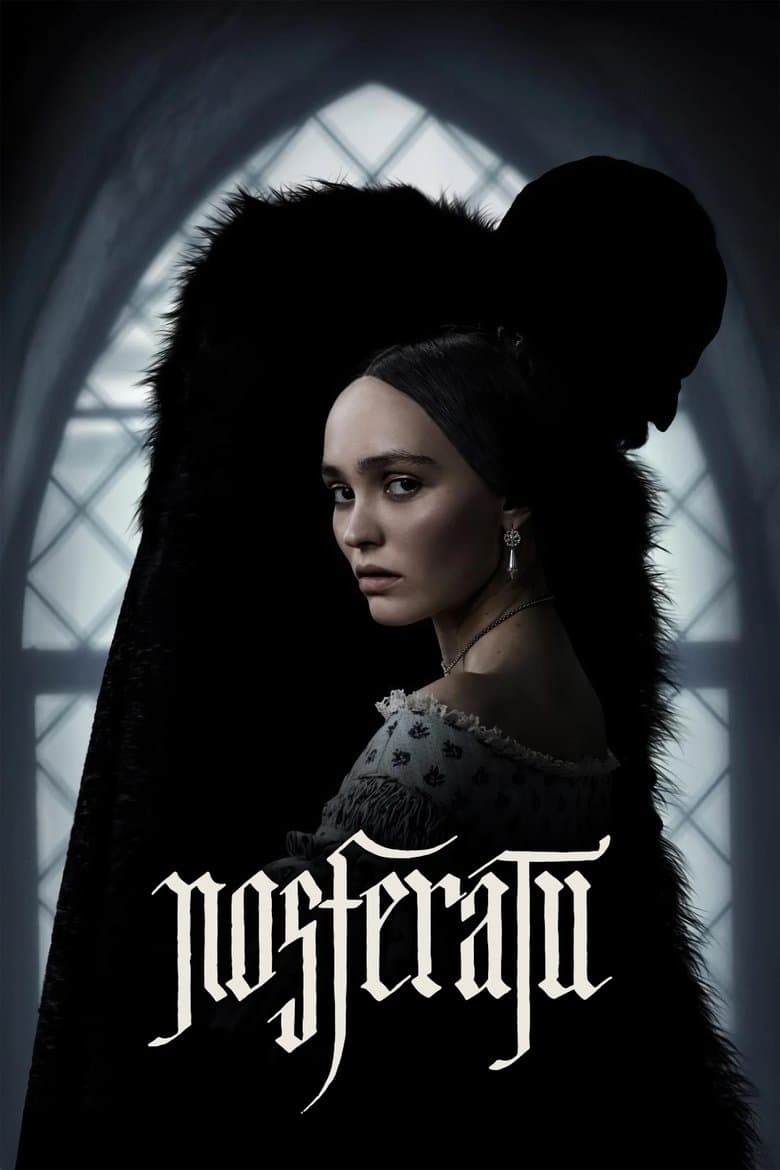
Movie · 2024
A gothic tale of obsession between a haunted young woman and the terrifying vampire infatuated with her, causing untold horror in its wake.
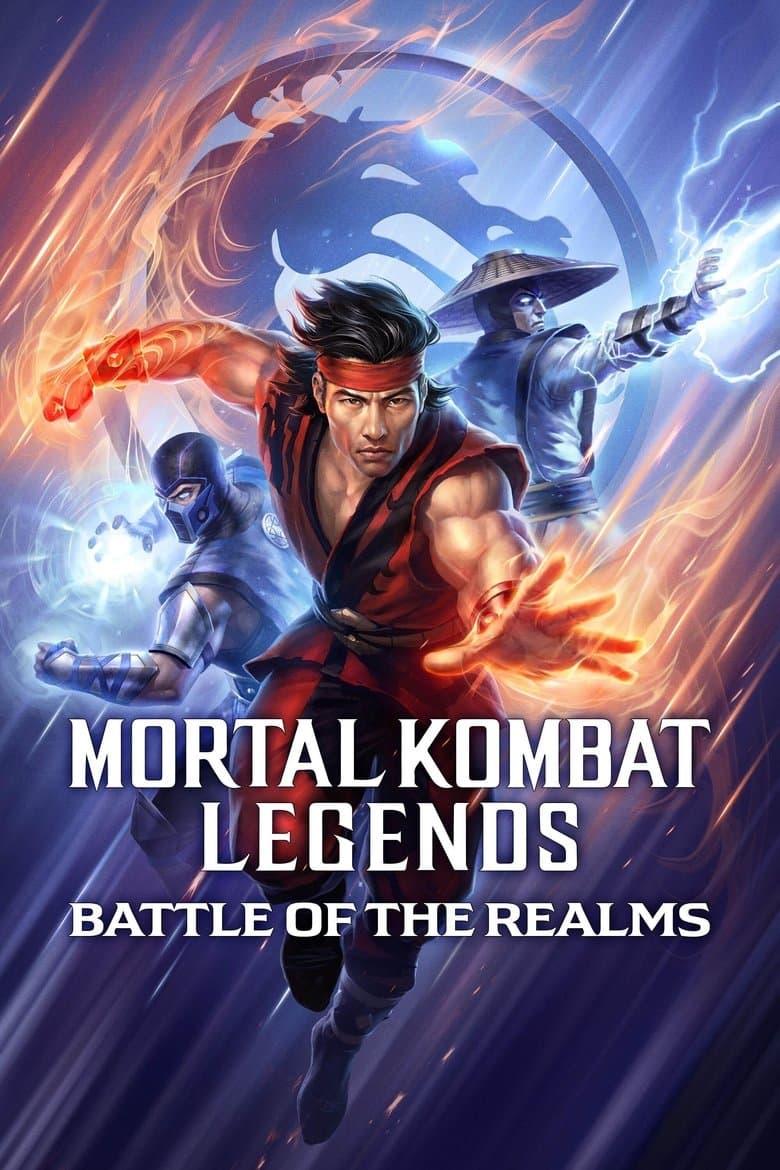
Movie · 2021
The Earthrealm heroes must journey to the Outworld and fight for the survival of their homeland, invaded by the forces of evil warlord Shao Kahn, in the tournament to end all…
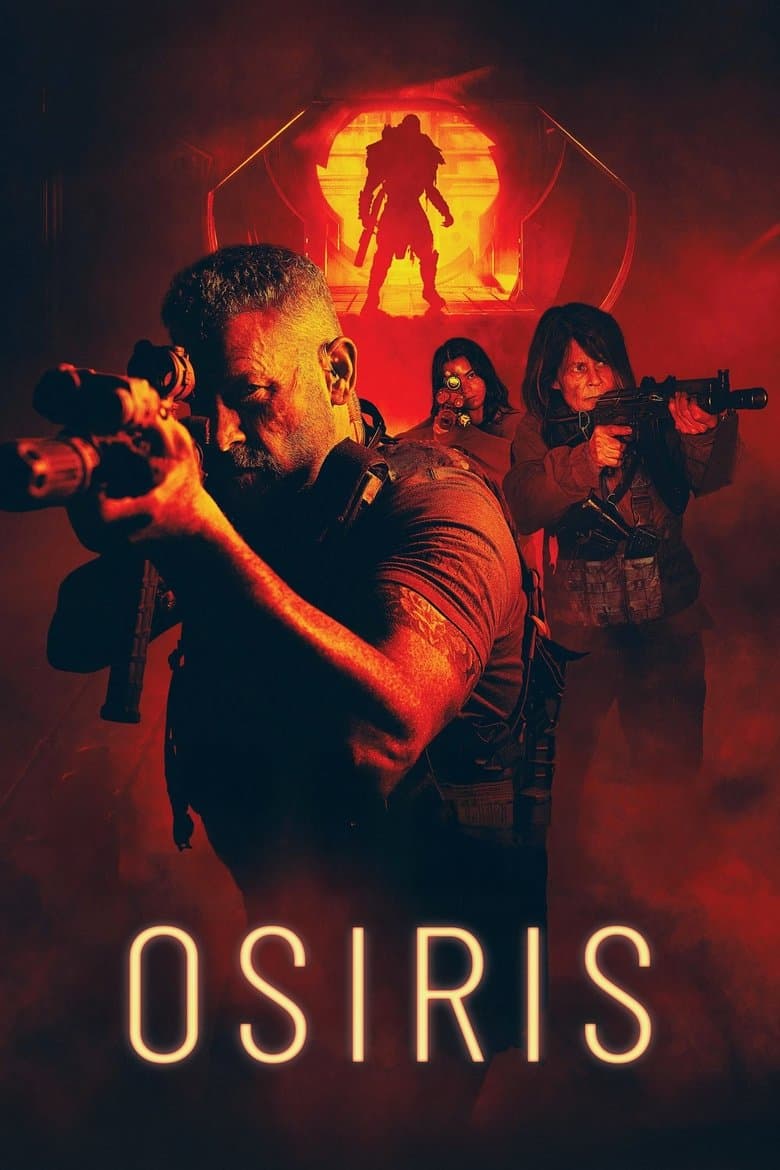
Movie · 2025
Special Forces commandos on a mission are abducted mid-operation by a mysterious spacecraft. Upon waking aboard, they find themselves prey to a relentless alien race in a fight…
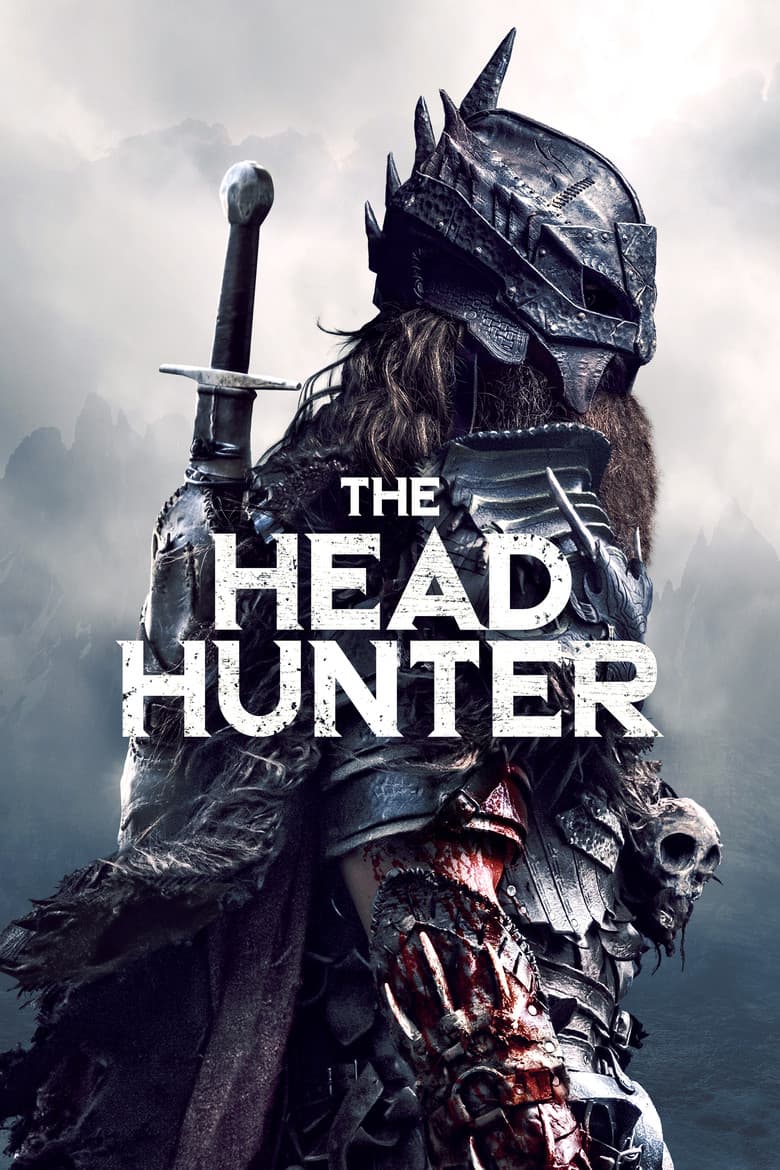
Movie · 2019
On the outskirts of a kingdom, a quiet but fierce medieval warrior protects the realm from monsters and the occult.
Movie · 2021
Washed-up MMA fighter Cole Young, unaware of his heritage, and hunted by Emperor Shang Tsung's best warrior, Sub-Zero, seeks out and trains with Earth's greatest champions as he…
