
Jimmy Erskine is a feared theater critic in London in 1934, and his cruel reviews can hurt actors' careers. The newspaper's new owner wants a kinder family paper and warns Jimmy about his private life. After police arrest Jimmy and his secretary Tom for kissing, Jimmy loses his job and draws actress Nina Land into a blackmail plan. The dark crime story turns their deal into betrayal, suicide, murder, and a final choice between loyalty and justice.
Jimmy's gay relationship with Tom is central because the law and the newspaper both punish them for it. The film shows police mocking the couple and questioning Tom's skill because he is black. It also shows fascist street thugs threatening them. Jimmy fights this hate with sharp words, but the story does not make him a hero. Jimmy uses the pain of hiding his identity to excuse cruel acts, while Tom finally chooses to expose him.
Community feedback
Was our 73% Woke rating accurate?
Breakdown
These are the editorial factors and ratings behind our score for The Critic.
Woke representation / casting
Tom is a black gay man in a prominent supporting role and Jimmy's live-in lover. The film calls direct attention to his race when police question whether a black man could be a skilled secretary. Tom later becomes the honest figure who exposes Jimmy and moves toward a career as a critic. His race and sexuality form a strong part of how the film presents him, but he is not the main lead.
36%
Woke political dialogue
Jimmy says that he and Tom have a right to walk the streets and then curses the law that limits them. Jimmy mocks Blackshirt thugs and calls a rival paper fascist. Police use gay slurs and question Tom's skill because he is black. These lines stand out in several linked scenes, while most dialogue deals with theater, blackmail, and guilt.
34%
Identity-driven story themes
Jimmy's gay identity drives the main plot because his arrest and firing lead him to blackmail his boss. Jimmy and Tom share a long-term gay relationship that shapes their danger, loyalty, and final split. The film links Jimmy's anger to years of hiding and unfair treatment. The story still condemns Jimmy as a killer, but queer identity remains at the center of his arc.
76%
Western institutional / cultural critique
The police, anti-gay law, conservative newspaper rules, and Blackshirt thugs all put Jimmy and Tom under pressure. The new owner treats Jimmy's gay life as a threat to family values, and his daughter later calls it a perversion. Police also mock Tom's race and skill. The film treats these bodies as unfair, while its larger crime story also condemns Jimmy's own choices.
52%
Woke character or canon changes
The source novel already makes Jimmy gay, so that part is unchanged. The film changes Tom from a secretary who rejects Jimmy's sexual interest and falls for Madeleine into Jimmy's long-term male lover. That queer rewrite creates the arrest and job loss that launch the film's main blackmail plot.
45%
Anti-woke backlash and complaints
Not present. Open-web and Reddit reaction focused on the plot, pace, ending, and performances. No clear complaint accused the film of pushing woke, DEI, or identity politics.
0%
Creator track record context
Patrick Marber's cached score is 28, and Anand Tucker's is 22. Marber has backed Labour figures, opposed Brexit, and criticized harsh words about Muslims. Tucker has no clear DEI activist record, and most cached producer scores are low. The creative team therefore shows mild liberal and identity-aware context, not a strong shared activist pattern.
22%
Production
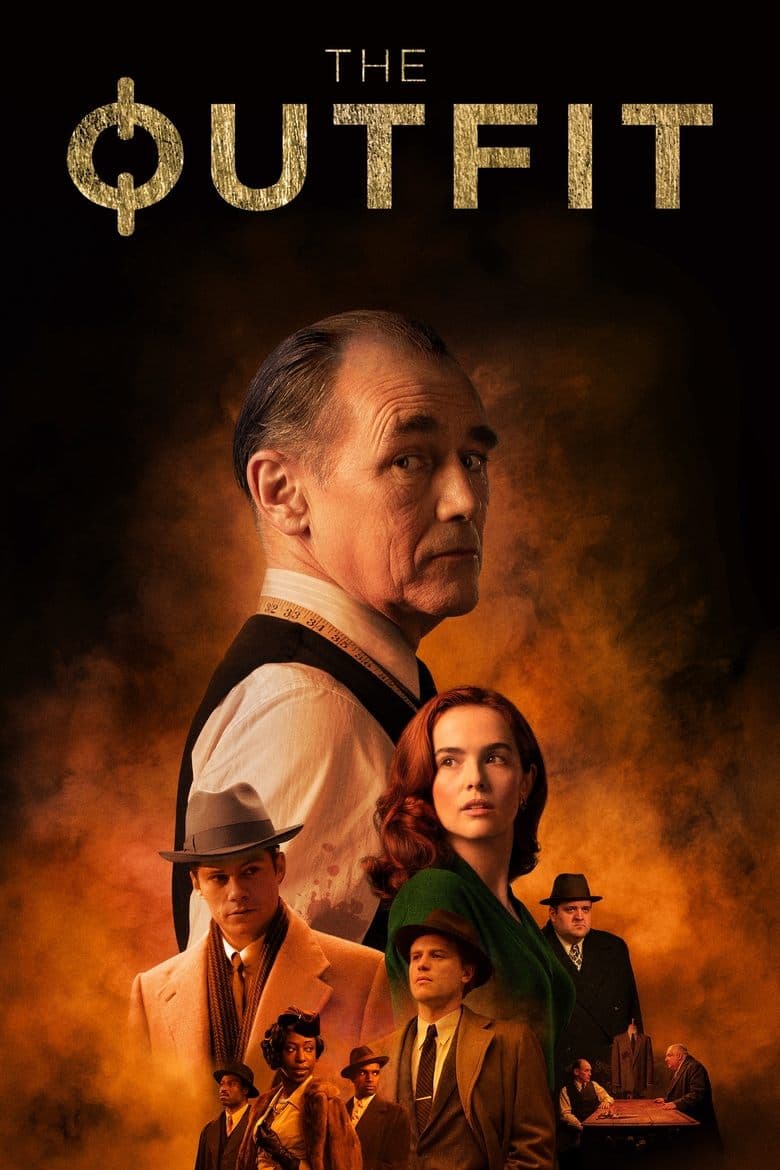
Movie · 2022
Leonard is an English tailor who used to craft suits on London’s world-famous Savile Row. After a personal tragedy, he’s ended up in Chicago, operating a small tailor shop in a…
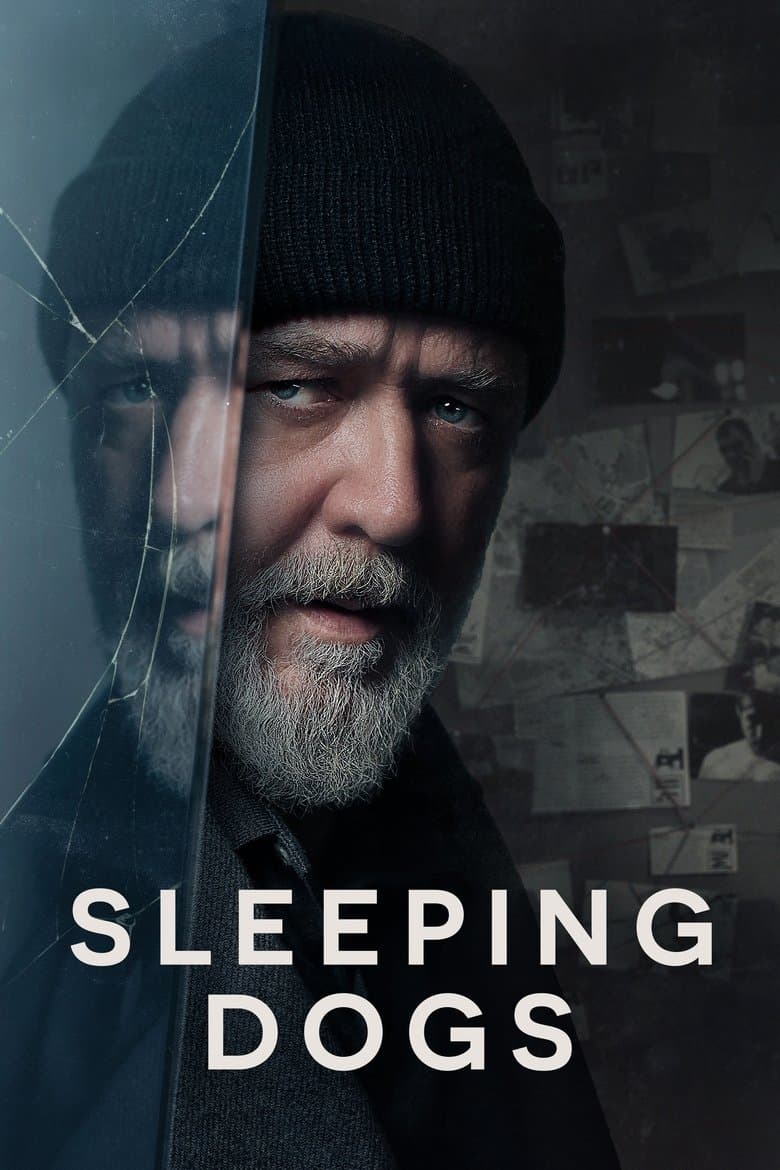
Movie · 2024
Roy Freeman, an ex-homicide detective with a fractured memory, is forced to revisit a case he can't remember.

Movie · 2021
Deputy Sheriff Joe "Deke" Deacon joins forces with Sgt. Jim Baxter to search for a serial killer who's terrorizing Los Angeles.

Movie · 2022
After escaping a Michigan prison, a charming career criminal assumes a new identity in Canada and goes on to rob a record 59 banks and jewellery stores while being hunted by a…
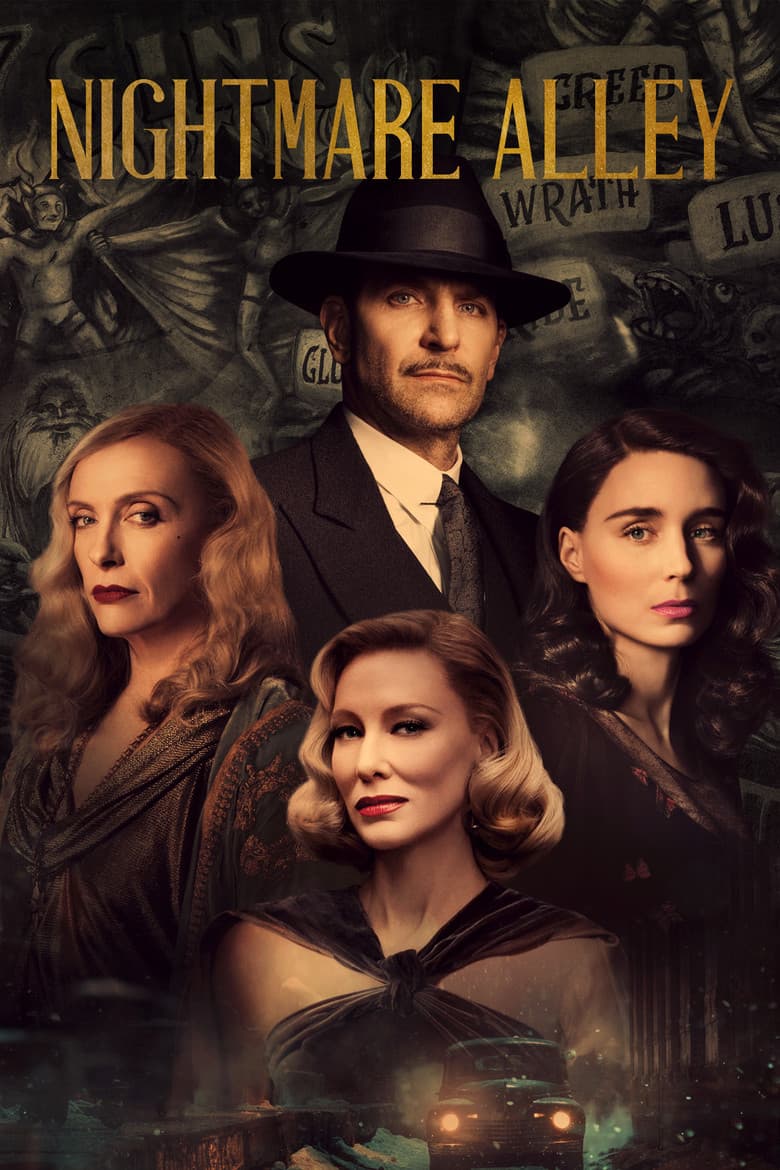
Movie · 2021
An ambitious carnival man with a talent for manipulating people with a few well-chosen words hooks up with a female psychologist who is even more dangerous than he is.
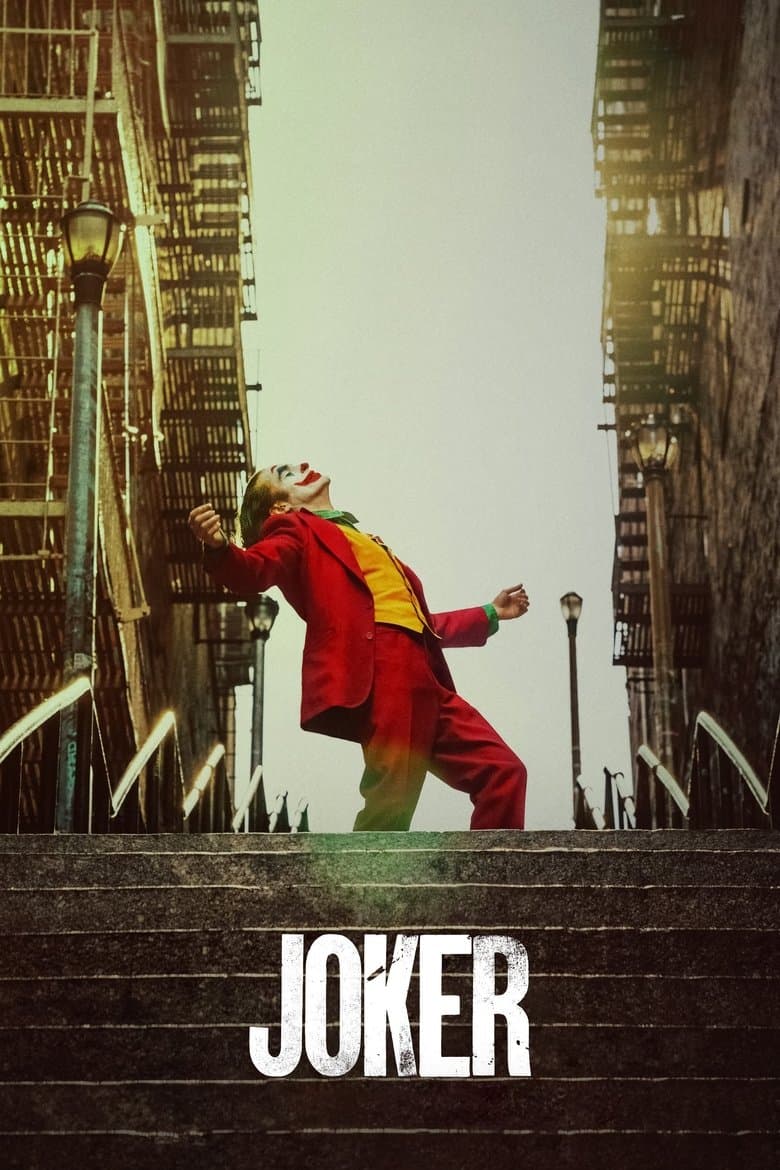
Movie · 2019
During the 1980s, a failed stand-up comedian is driven insane and turns to a life of crime and chaos in Gotham City while becoming an infamous psychopathic crime figure.
Movie · 2021
When the aging Meyer Lansky is investigated one last time by the Feds who suspect he has stashed away millions of dollars over half a century, the retired gangster spins a…
Movie · 2017
The story of the kidnapping of 16-year-old John Paul Getty III and the desperate attempt by his devoted mother to convince his billionaire grandfather Jean Paul Getty to pay the…
