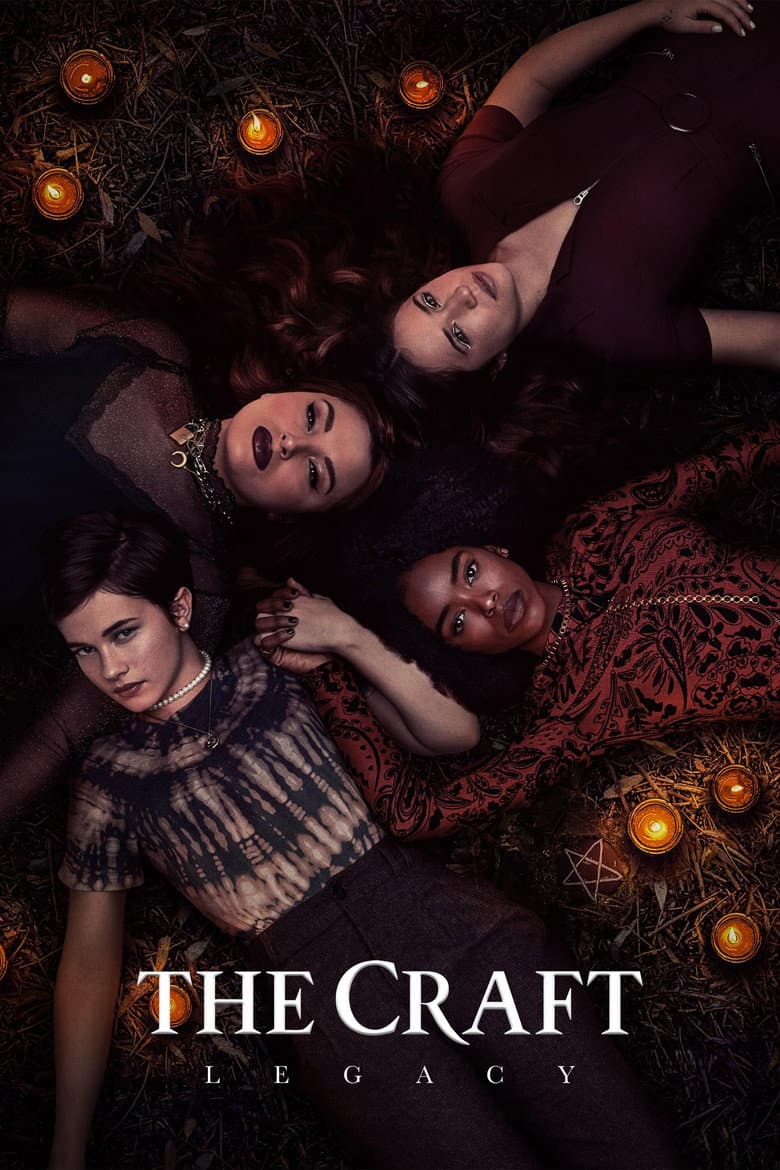
Lily Schechner moves with her mother to a small New Jersey town and into the home of Adam, her mother’s new boyfriend. At school, a humiliating first day leads Lily to three girls who practice witchcraft and need a fourth member for their group. The four teens soon gain powers, use them against a cruel boy, and face a deeper threat from Adam and his secret work with magic. The movie has a soft, colorful teen tone, with some dark moments but little real horror.
The film makes female friendship and shared power its main message. The girls form a mixed group that includes a black girl and Lourdes, a trans girl played by Latina actress Zoey Luna, while Timmy later says he is bisexual. The story uses consent, gender identity, and toxic masculinity in school scenes, the Timmy plot, and the final fight with Adam. The movie treats the coven as a force for inclusion and presents male control and old ideas about gender as the main danger. These ideas shape the story from the first school conflict to the ending, although some side characters receive little depth.
Community feedback
Was our 79% Woke rating accurate?
Breakdown
These are the editorial factors and ratings behind our score for The Craft: Legacy.
Woke representation / casting
The four lead witches include a black girl and a trans girl. Timmy is also a major boy character who says he is bisexual. The film makes this identity mix part of the main friend group, and the director tied Lourdes's casting to representation and inclusion. The modern New Jersey setting allows a diverse school, but the movie clearly presents identity variety as part of its public message.
48%
Woke political dialogue
The girls discuss consent, gender identity, and how people are taught to act as men and women. Lourdes corrects a statement about who can give birth and says that trans girls have their own magic. Timmy's change leads to scenes about empathy, bisexuality, and the limits placed on boys. Adam's speeches about masculinity and men's rights give the movie a clear political voice.
56%
Identity-driven story themes
The coven's main message is that young women gain strength by supporting one another. The story treats Lourdes's trans identity and Timmy's bisexuality as positive parts of the story. The girls use magic to challenge sexual shame, bullying, and male entitlement. The final fight presents their shared female power and inclusion as the answer to a man who wants to control them.
68%
Western institutional / cultural critique
Adam teaches old-style male power and controls his sons and the women around him. The film presents his ideas about a crisis of masculinity as a cover for male entitlement. The girls' conflict with him turns patriarchy and toxic masculinity into the movie's main outside threat. The story targets one villain rather than every Western institution, so the critique is strong but limited.
61%
Woke character or canon changes
Not relevant. The film changes Nancy's family history and adds a new coven, but those are plot choices rather than identity-driven changes to established characters or canon.
0%
Anti-woke backlash and complaints
Some viewers called the film woke trash or complained about woke buzzwords and political lectures. Other posts attacked the trans coven member or rejected the film's feminist and LGBTQ framing. The separate X research found only small or anonymous accounts and no sustained boycott, review-bomb push, or major right-leaning campaign. The backlash was real but fringe, so this factor stays low.
17%
Creator track record context
Zoe Lister-Jones has a cached score of 88 because of feminist, gender-equity, and trans-inclusive work. Peter Filardi has a cached score of 22 and adds little activist context. Natalia Anderson and Daniel Bekerman add moderate diversity-focused context, while most other listed producers have low or mild scores. Lister-Jones is the writer-director, and her public framing matches the film's themes.
66%
Production
Movie · 2017
A supernatural love story that centers on two parents whose life together falls apart after their son dies. The man, now a successful lawyer, and the woman, now married and an…
Movie · 2016
An orphaned child's dreams—and nightmares—manifest physically as he sleeps.
Movie · 2021
An Icelandic couple live with their herd of sheep on a beautiful but remote farm. When they discover a mysterious newborn on their land, they decide to keep it and raise it as…
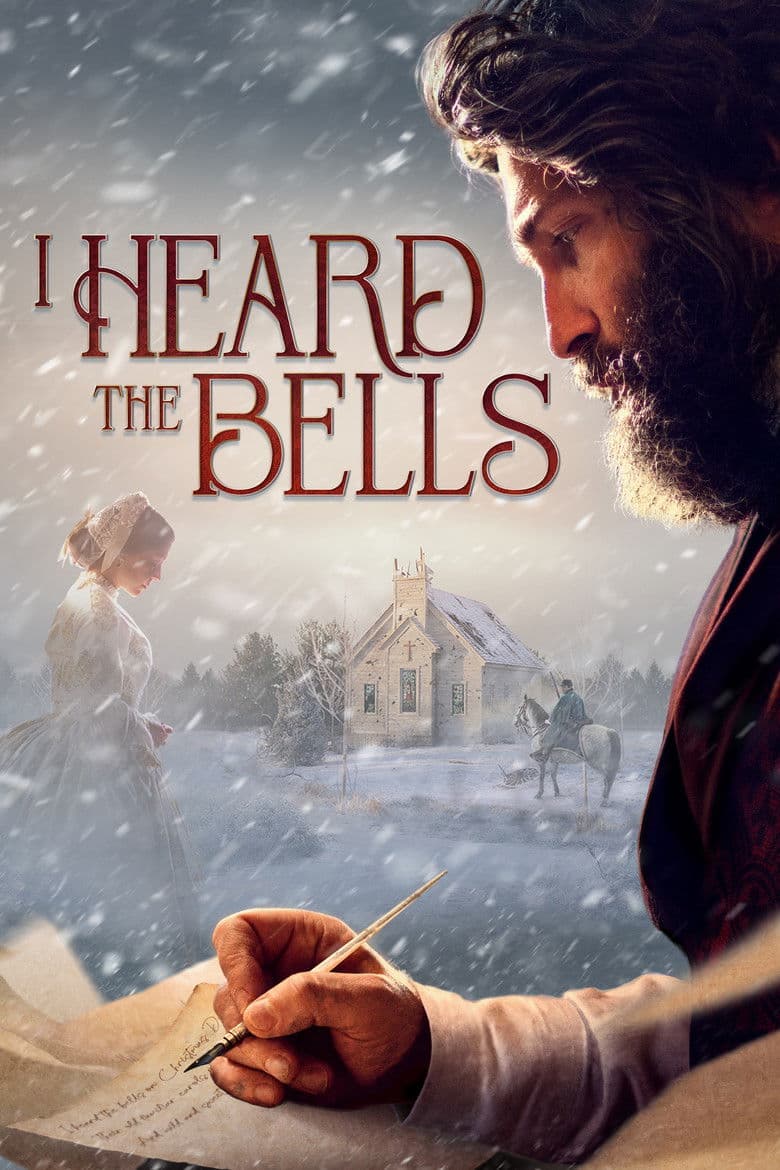
Movie · 2022
Known as America’s Poet, Henry Wadsworth Longfellow leads an idyllic life – until the day his world is shattered by tragedy.
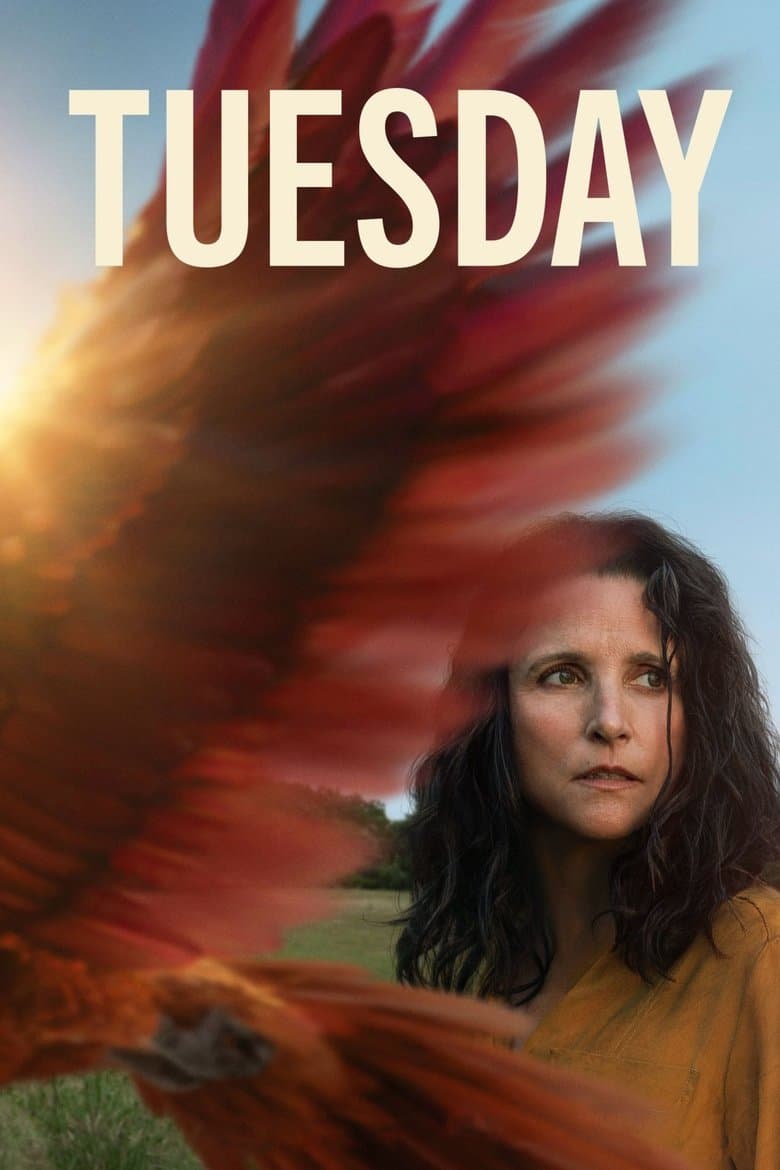
Movie · 2024
A mother and her teenage daughter must confront Death when it arrives in the form of an astonishing talking bird.
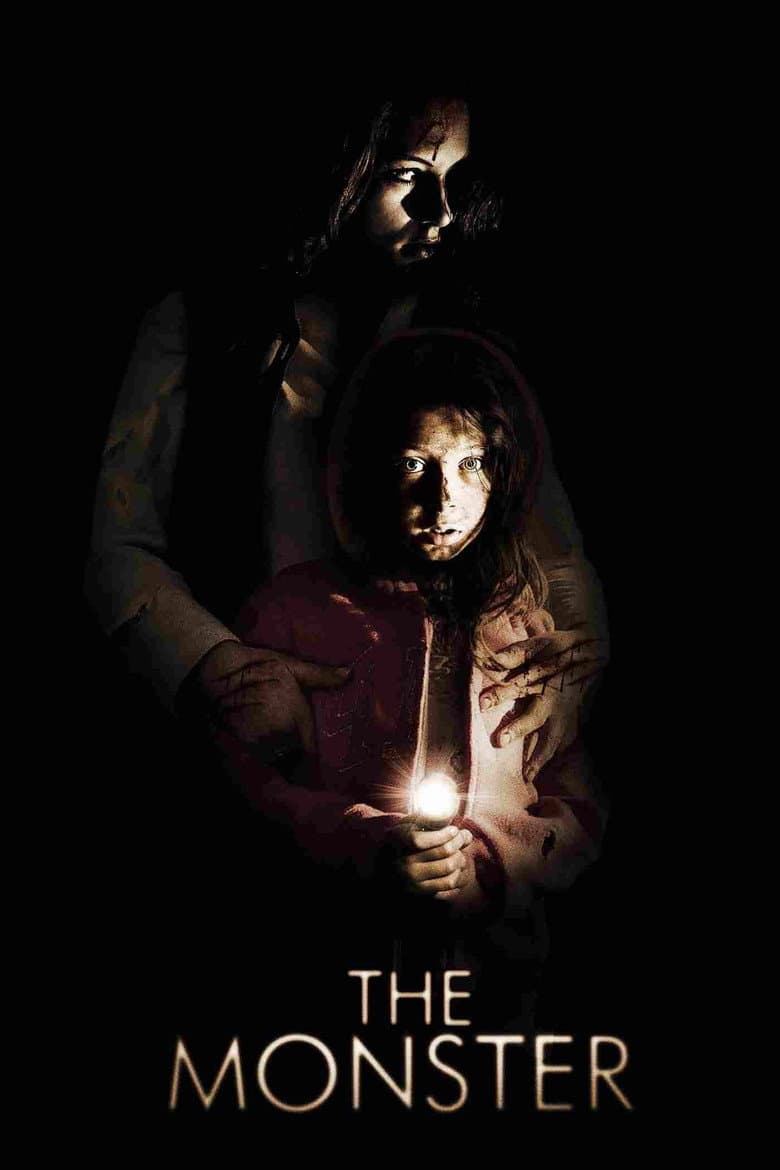
Movie · 2016
A mother and her 10-year old daughter are trapped in a forest. There is something in this forest. Something unlike anything they have heard before.
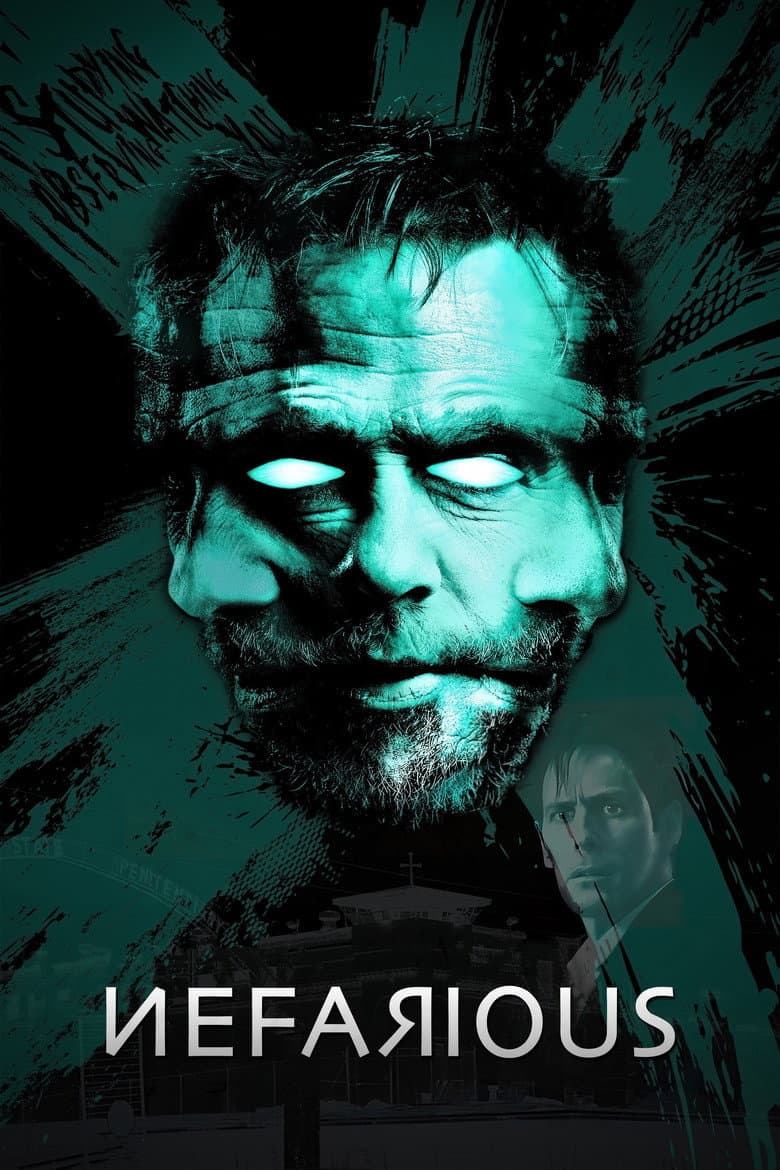
Movie · 2023
On the day of his scheduled execution, a convicted serial killer gets a psychiatric evaluation during which he claims he is a demon, and further claims that before their time is…
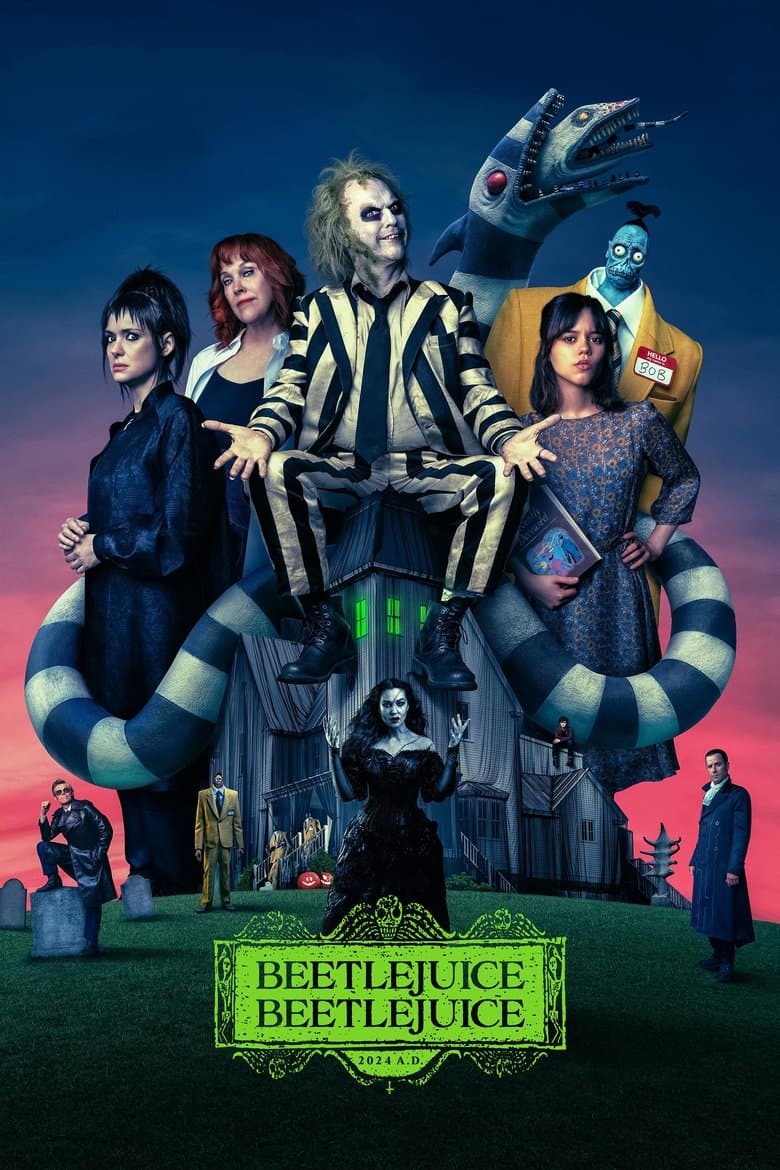
Movie · 2024
After a family tragedy, three generations of the Deetz family return home to Winter River. Still haunted by Betelgeuse, Lydia's life is turned upside down when her teenage…
