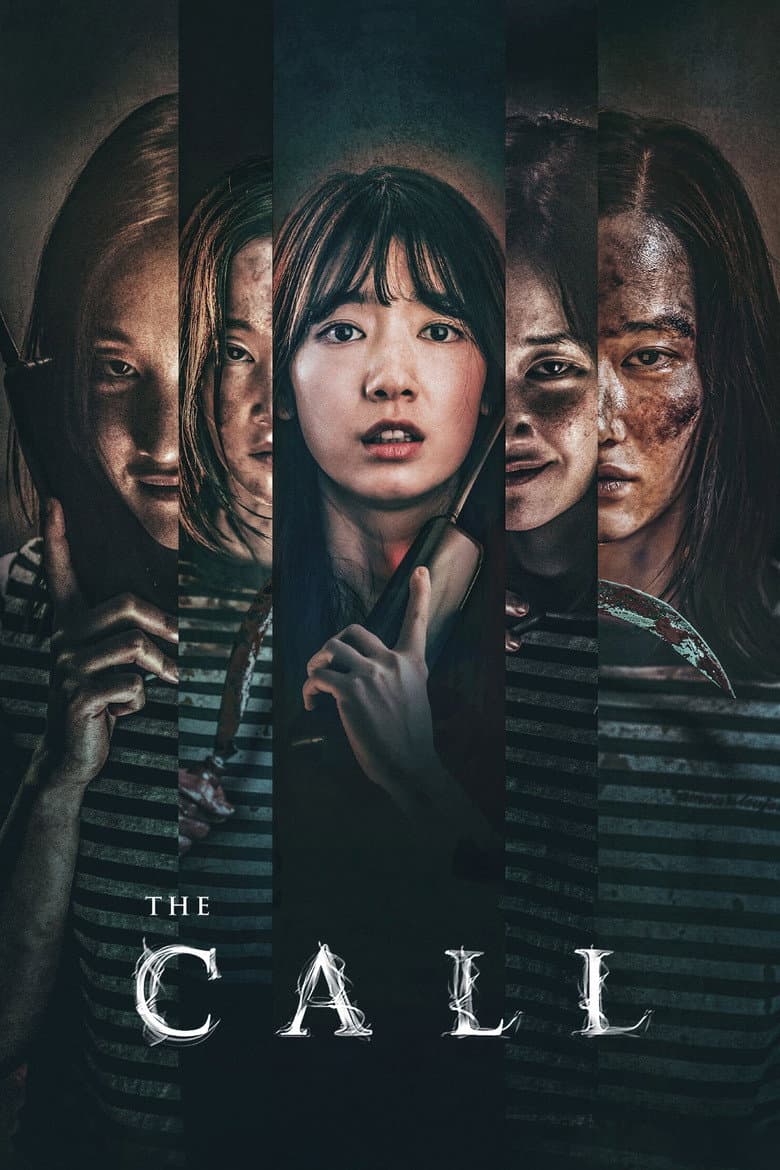
Seo-yeon returns to her family’s rural house after losing her phone and finding an old cordless phone. The phone links her to Young-sook, a woman living in the same house in 1999. Their first calls bring help and hope, but Young-sook becomes a killer who can change Seo-yeon’s present. Seo-yeon fights to protect herself and her family as the two timelines turn into a dark, violent trap.
The movie puts two women at the center of nearly every major event. Seo-yeon and Young-sook lead the conflict, while their mothers shape the past and the fight for survival. The story keeps returning to female friendship, mother-daughter pain, and women making their own choices. These elements are visible throughout the thriller, but the movie does not build its plot around modern political ideas about gender, race, sexuality, or social change. Its main message concerns fear, regret, family, and the danger of changing the past.
Community feedback
Was our 33% Woke rating accurate?
Breakdown
These are the editorial factors and ratings behind our score for The Call.
Woke representation / casting
The film puts Park Shin-hye and Jeon Jong-seo at the center, with the key parent roles also given to women. The director and press coverage call it a female-led thriller with four strong female characters. This makes gender a clear casting and marketing focus, although the plot is still a crime and time-travel story rather than a diversity campaign.
37%
Woke political dialogue
Not present. The dialogue focuses on time travel, murder, family, and survival. No clear DEI, activist, or identity-politics lines appear in the movie.
0%
Identity-driven story themes
The film makes women the center of its main conflict and gives them most of the important choices. The story returns to friendship between the two women and their troubled relationships with their mothers. The director and Park Shin-hye described the movie as women-centered and built around independent female characters. The theme is easy to see, but the story does not argue for modern gender politics or make women morally superior.
32%
Western institutional / cultural critique
Not present. The film shows family abuse and a struggle for survival. It does not turn those events into a modern attack on men, religion, capitalism, or Western institutions.
0%
Woke character or canon changes
The Korean film changes the source story’s relationship and family setup. It moves away from the source film’s abusive ex-husband and male love interest and centers the danger on mothers, daughters, and two female leads. The source already had a woman in the present and a woman on the phone, so the main female pairing is not a new swap. The changes make the remake more female-centered, but no public dispute treated them as a woke rewrite.
15%
Anti-woke backlash and complaints
Not present. The supplied X research found no anti-woke complaints. Web and audience discussions centered on the time-travel logic, ending, violence, and acting, not DEI or identity politics.
0%
Creator track record context
The stored creator summaries show low woke scores across the listed director, writers, and producers. Their careers focus on thrillers, film craft, and commercial production. Lee Chung-hyun’s title interviews discuss the conflict between two women and strong female characters. The available record shows no sustained activist or DEI work.
14%
Production
Movie · 2023
A detective becomes entangled in a mystery involving his missing daughter and a secret government program while investigating a string of reality-bending crimes.
Movie · 2023
A team of special agents discovers a revolutionary new computer program to bait and trap online predators. After teaming up with the program's troubled developer, they soon find…
Movie · 2016
A man trapped in an automated prison must outsmart a computer in order to escape and try and find his way back to the outside world that may already be wiped out.
Movie · 2018
In 1984, a young programmer begins to question reality as he adapts a dark fantasy novel into a video game. A mind-bending tale with multiple endings.
Movie · 2018
A mute man with a violent past is forced to take on the teeming underworld of a near-future Berlin as he searches for his missing girlfriend.
Movie · 2017
Two planes almost collide after a blinding flash of light paralyzes air traffic controller Dylan Branson for a few seconds.
Movie · 2024
When an 8-year-old girl mysteriously vanishes on Caddo Lake, a series of past deaths and disappearances begin to link together, forever altering a broken family’s history.
Movie · 2021
Nicolas Bannister, a rugged and solitary veteran living in a near-future Miami flooded by rising seas, is an expert in a dangerous occupation: he offers clients the chance to…
