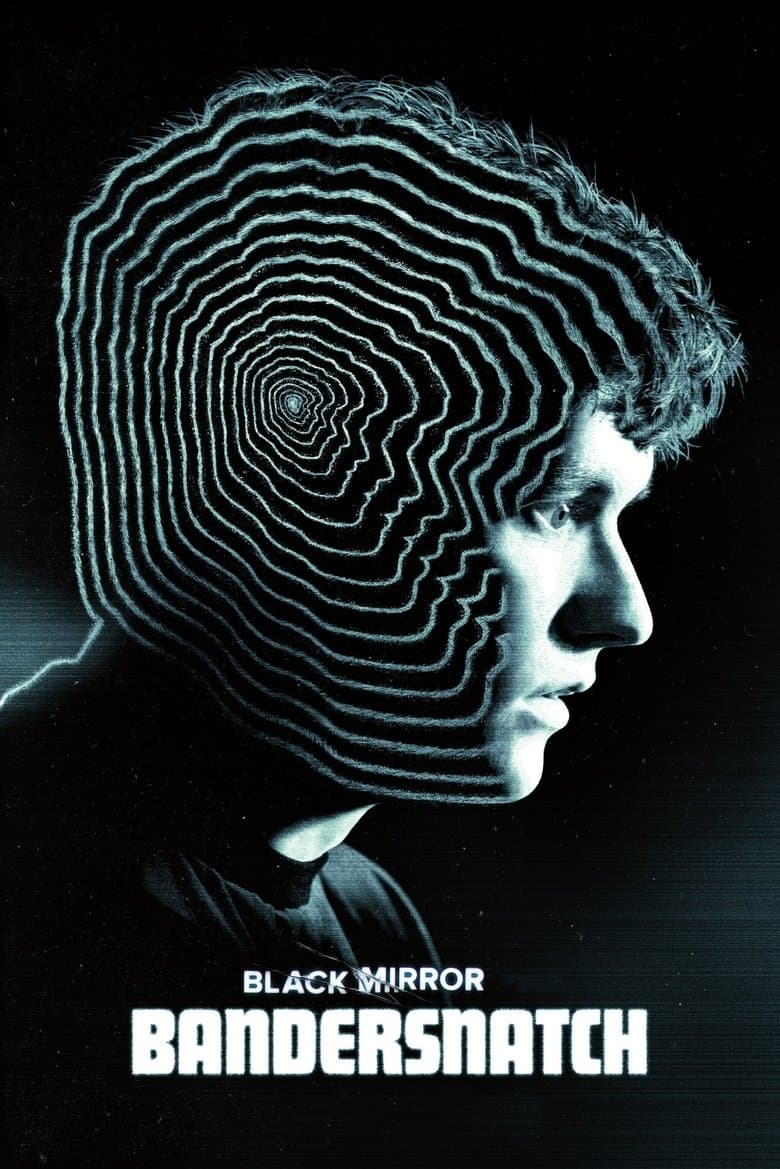
Stefan Butler is a shy teenage programmer living in Britain in 1984. He wants to turn Jerome F. Davies’s dark fantasy book Bandersnatch into a computer game for Tuckersoft. Stefan still feels guilty about his mother’s death, and the pressure of the project makes his mind and daily life break apart. The film has a cold, uneasy tone, with violence, drug use, family pain, and strange turns that make reality hard to trust.
Viewers choose Stefan’s actions, so the film keeps asking whether he or the viewer has real control. The story follows free will, fate, guilt, grief, and the damage caused by treating people like pieces in a game. Stefan speaks with a therapist, argues with his father, and follows the ideas of Colin, a game maker who believes life splits into many paths. Some routes end in murder, prison, or a strange reveal that Stefan is part of a filmed story. Its darkest paths show how the need to make the perfect game can turn grief and fear into violence.
Community feedback
Was our 4% Woke rating accurate?
Breakdown
These are the editorial factors and ratings behind our score for Black Mirror: Bandersnatch.
Woke representation / casting
Not present in this title.
0%
Woke political dialogue
Not present in this title.
0%
Identity-driven story themes
Not present. The narrative centers on free will, mental health, creativity under pressure, and meta storytelling with zero race, gender, sexuality, or identity-politics elements.
0%
Western institutional / cultural critique
Not present in this title.
0%
Woke character or canon changes
Not present in this title.
0%
Anti-woke backlash and complaints
Not present. Backlash centered on interactivity and pacing; no complaints accused the project of pushing woke, DEI, or identity politics.
0%
Creator track record context
Charlie Brooker is left-leaning and votes Labour, which gives the project a small classical left-wing creator signal. His satire focuses on technology, media, and political power rather than identity politics. David Slade, Russell McLean, and Jina Jay show no strong activist pattern in the available context. Marilyn Kirby has spoken about the need for more diversity in production roles, but that comment is not tied to this title.
19%
Production
Movie · 2026
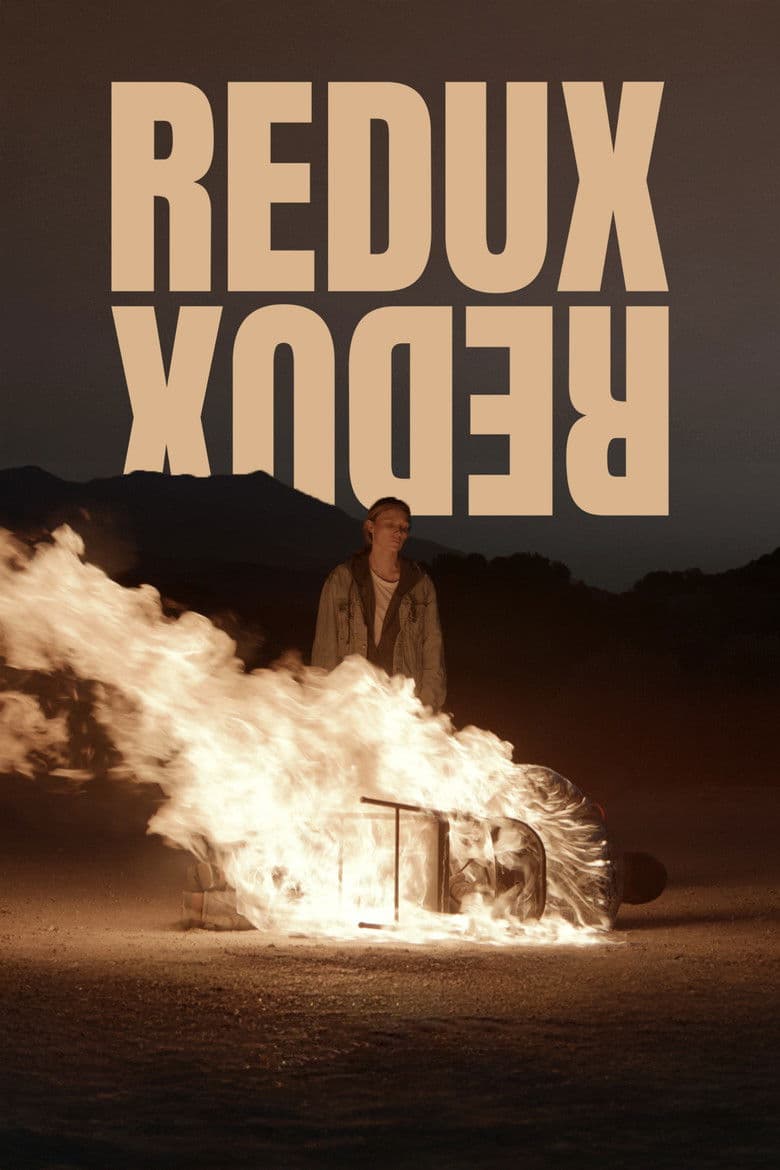
In an attempt to avenge her daughter’s death, Irene Kelly travels through parallel universes, killing her daughter’s murderer again and again.

Movie · 2023
A team of special agents discovers a revolutionary new computer program to bait and trap online predators. After teaming up with the program's troubled developer, they soon find…
Movie · 2019
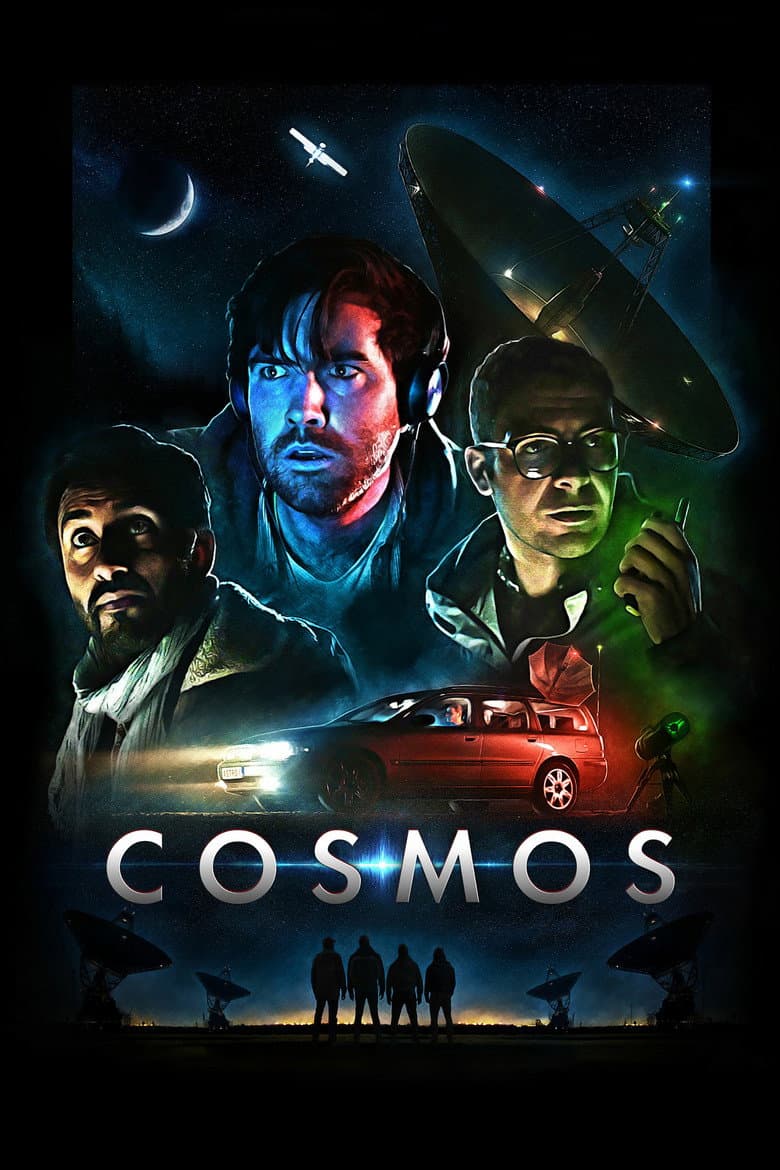
Three astronomers accidentally intercept what they believe to be a signal from a distant alien civilization, but the truth is even more incredible than any of them could have…
Movie · 2023
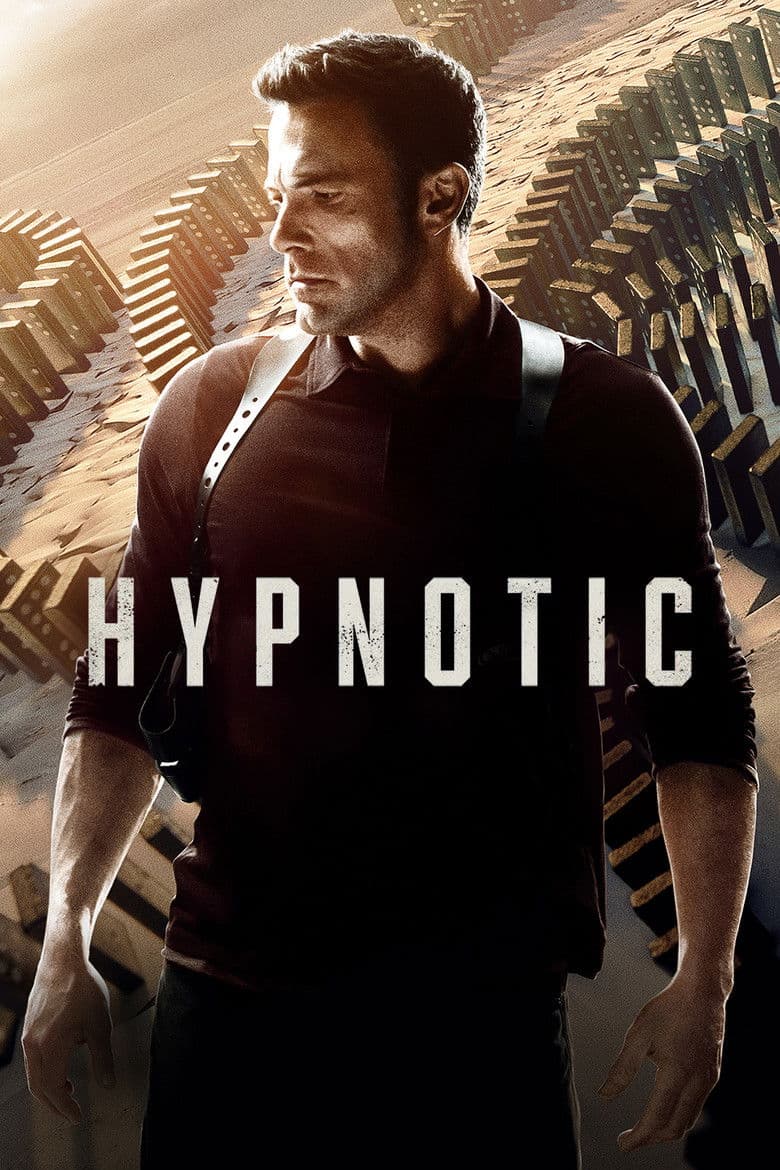
A detective becomes entangled in a mystery involving his missing daughter and a secret government program while investigating a string of reality-bending crimes.
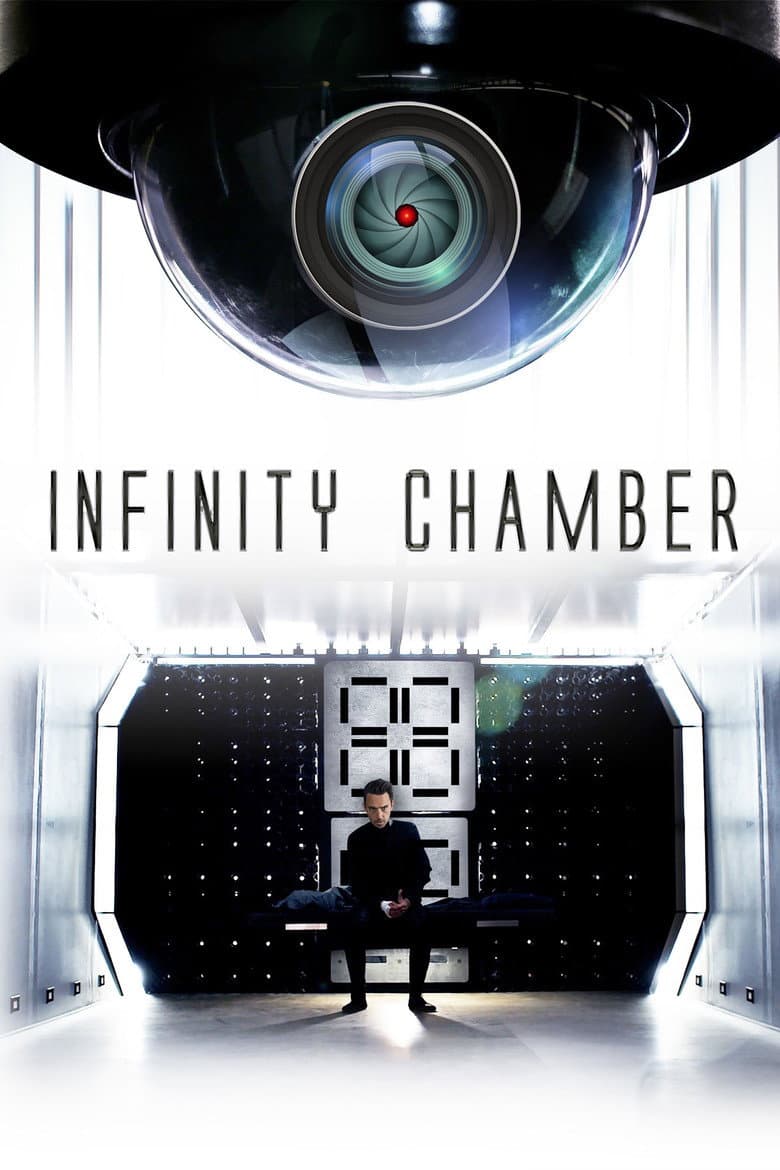
Movie · 2016
A man trapped in an automated prison must outsmart a computer in order to escape and try and find his way back to the outside world that may already be wiped out.
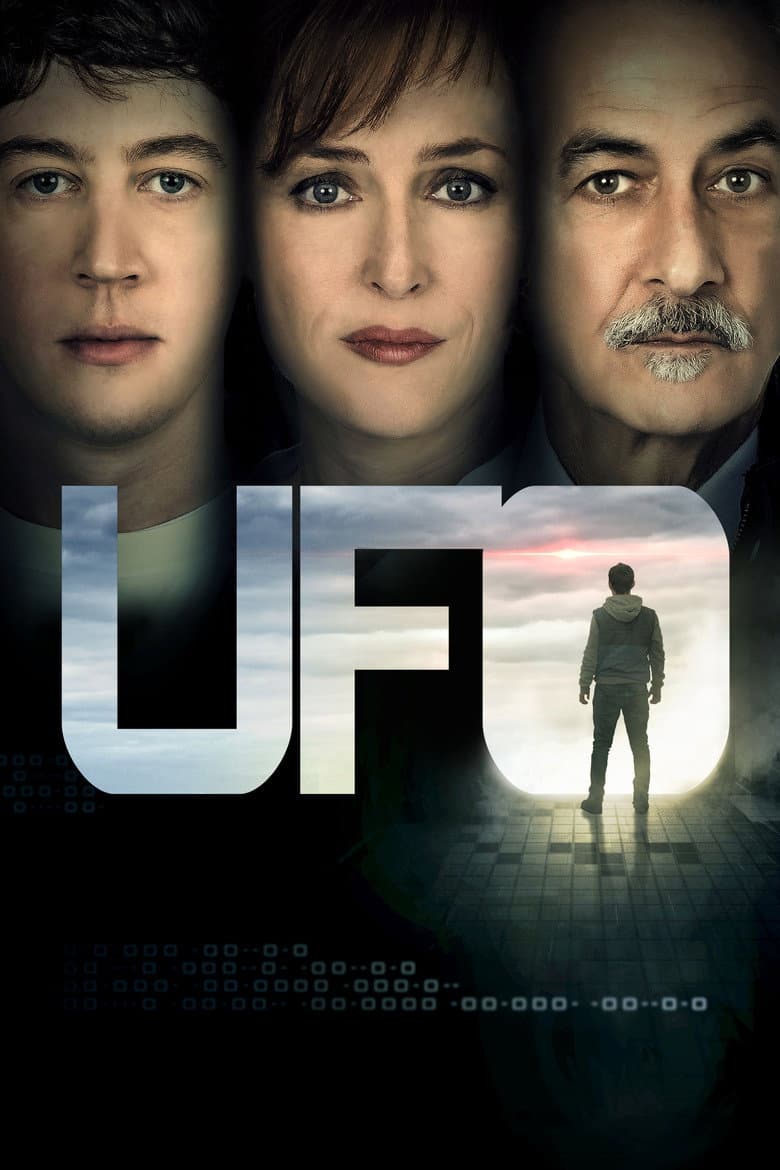
Movie · 2018
A college student, who sees a UFO, uses his exceptional math skills to investigate the sighting with his friends while the FBI follows closely behind.
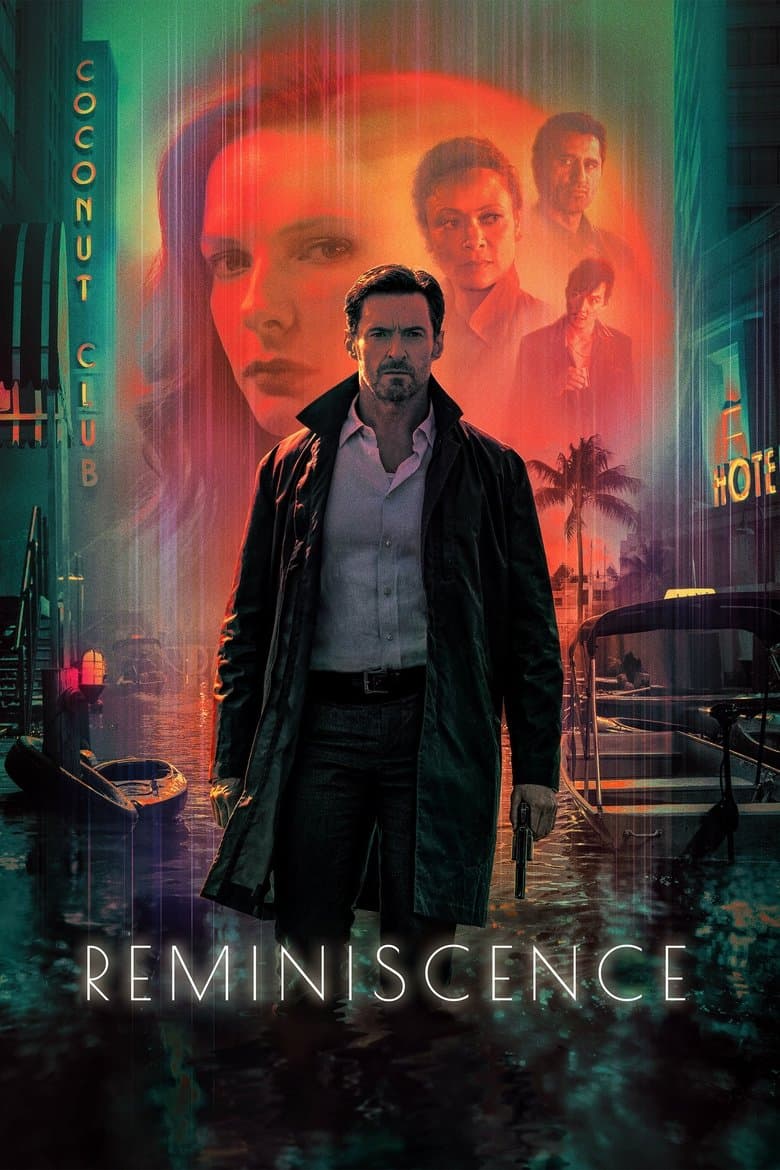
Movie · 2021
Nicolas Bannister, a rugged and solitary veteran living in a near-future Miami flooded by rising seas, is an expert in a dangerous occupation: he offers clients the chance to…
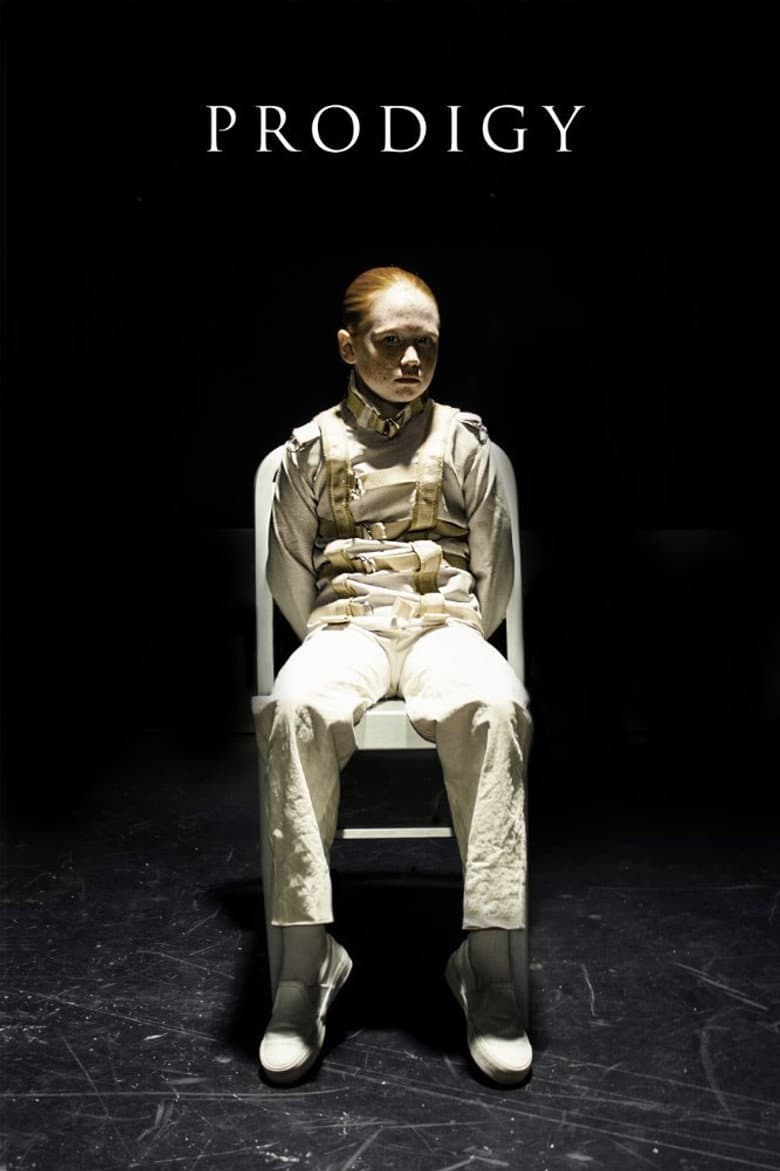
Movie · 2017
Jimmy is a committed child psychologist who uses his own playbook, but when he is brought in to work with Ellie, he is completely unprepared for his subject—a 9-year-old…
