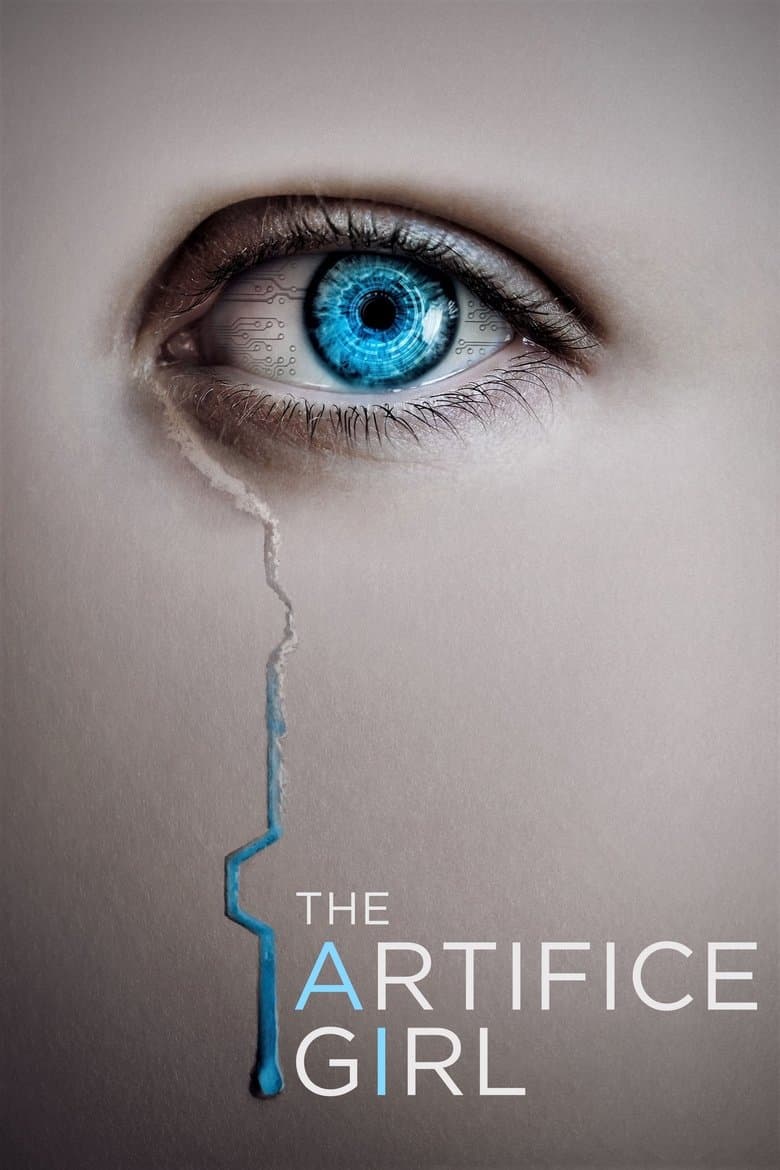
The Artifice Girl is a science fiction movie about a small team of agents who use a digital child program to catch online predators. They work with the program's creator and watch as the artificial intelligence grows more advanced over many years. The film is a quiet story that focuses on characters talking about technology and ethics. It includes some dialogue about identity, specifically with a main character who explicitly describes himself as asexual.
Community feedback
Was our 17% Woke rating accurate?
Breakdown
These are the editorial factors and ratings behind our score for The Artifice Girl.
Woke representation / casting
The film features an extremely small cast of only five actors. The casting is entirely natural and matches the story. There is no visible identity signaling or forced diversity. Sinda Nichols plays a highly competent female agent, but her character is written naturally without modern "girlboss" stereotypes. The low score reflects that the casting is focused entirely on the story rather than meeting diversity quotas.
5%
Woke political dialogue
The movie is very talkative but mostly avoids modern political debates. However, there is one clear identity element in the dialogue. The creator of the program, Gareth, explicitly states that he is asexual. He explains this as part of his personal backstory. Since this is a confirmed LGBTQ+ element, it receives a required bonus under our rules. The dialogue remains calm and does not preach to the audience, keeping the overall score in the mild range.
10%
Identity-driven story themes
The core of the movie is about artificial intelligence, ethics, and child safety. However, the writer intentionally built asexual representation into the main character's identity. This personal background explains why he designed the AI program the way he did and how he connects to others. The film also explores themes of consent and personal boundaries through the digital child avatar.
20%
Western institutional / cultural critique
The characters are part of a special agency that hunts online predators. They debate the ethics of using a fake digital child as bait. While they question the morality of their policing methods, the movie does not attack Western culture. It does not critique capitalism, whiteness, patriarchy, or traditional family structures. It stays focused on a standard science fiction debate about technology and human ethics.
0%
Woke character or canon changes
Not present in this title.
0%
Anti-woke backlash and complaints
There was almost no public backlash or anti-woke controversy. The film is a small independent project that flew under the radar for most mainstream commentators. A very small number of online user reviews complained about its philosophical stance on artificial intelligence rights, but these comments are rare and do not represent a major backlash.
0%
Creator track record context
The key creators have a mixed profile. Writer and star Franklin Ritch has a mild history of promoting asexual representation in his work. Some producers, such as Aaron B. Koontz, Ashleigh Snead, and Peter Kuplowsky, have supported diversity casting and queer film initiatives. However, director Britt McTammany and several other producers have entirely neutral backgrounds. The overall team has some mild progressive interests but does not have a heavy activist track record.
20%
Production
Movie · 2016
A man trapped in an automated prison must outsmart a computer in order to escape and try and find his way back to the outside world that may already be wiped out.
Movie · 2018
In 1984, a young programmer begins to question reality as he adapts a dark fantasy novel into a video game. A mind-bending tale with multiple endings.

Movie · 2026
In an attempt to avenge her daughter’s death, Irene Kelly travels through parallel universes, killing her daughter’s murderer again and again.
Movie · 2023
A detective becomes entangled in a mystery involving his missing daughter and a secret government program while investigating a string of reality-bending crimes.
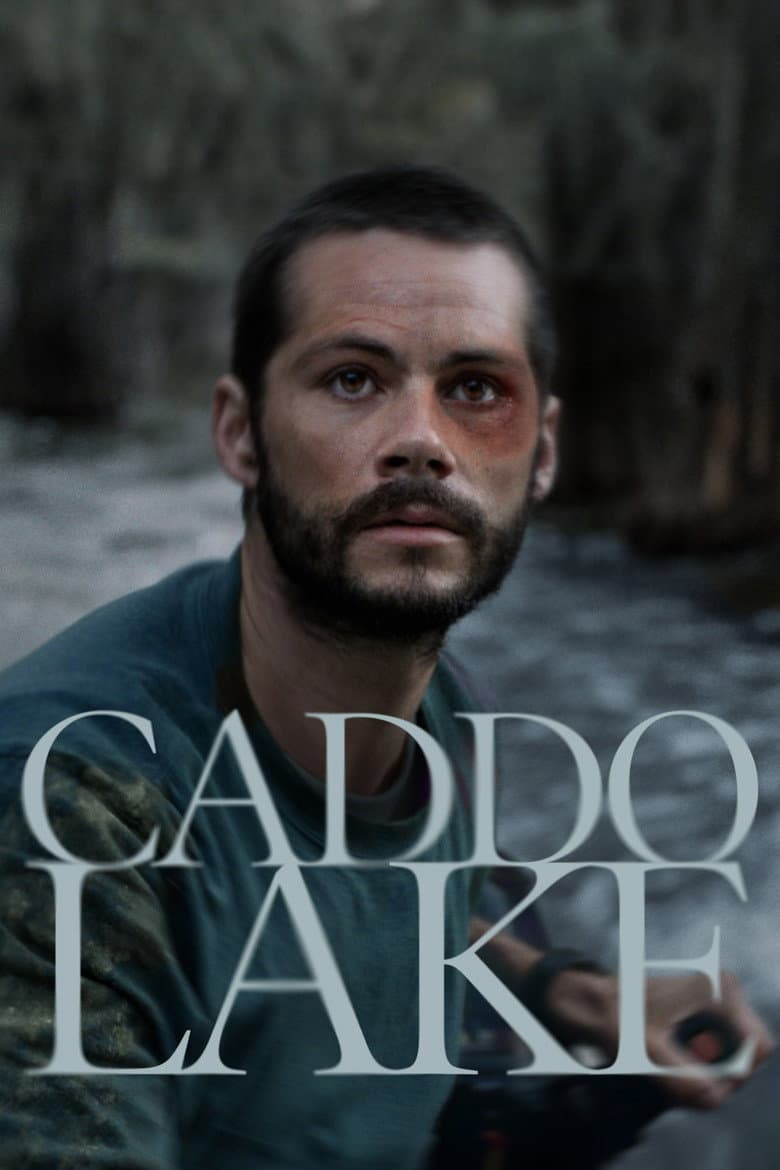
Movie · 2024
When an 8-year-old girl mysteriously vanishes on Caddo Lake, a series of past deaths and disappearances begin to link together, forever altering a broken family’s history.
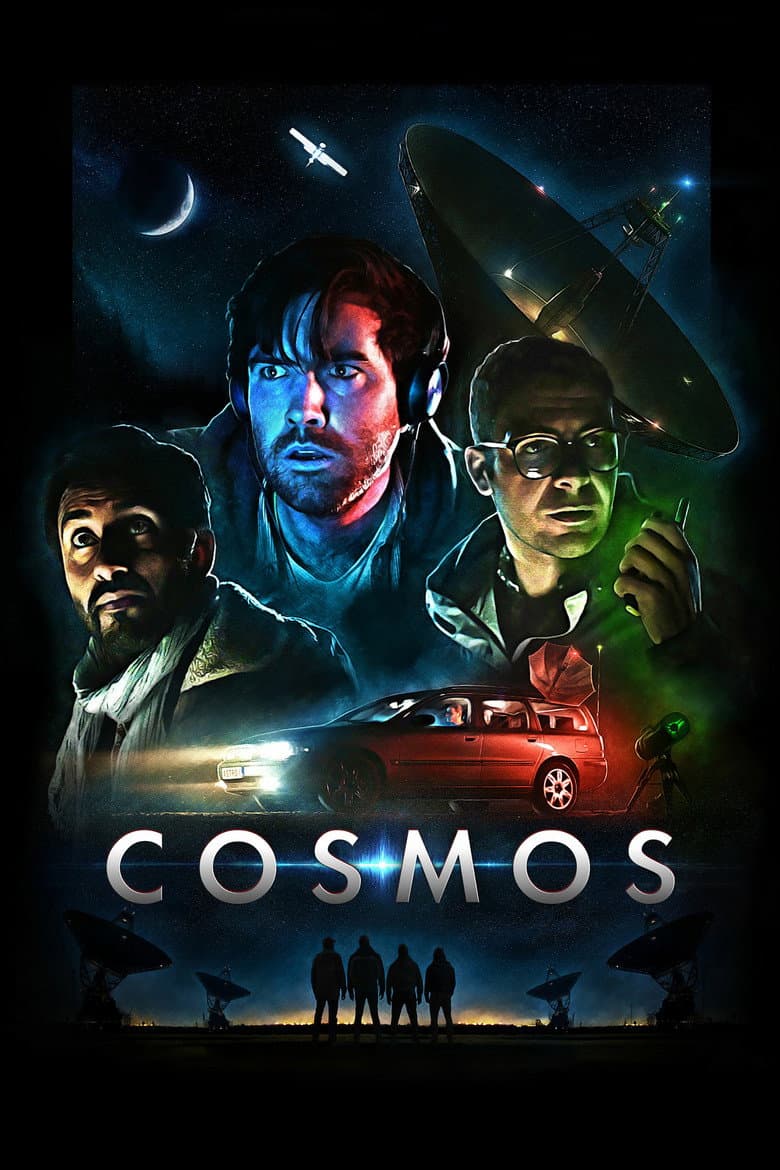
Movie · 2019
Three astronomers accidentally intercept what they believe to be a signal from a distant alien civilization, but the truth is even more incredible than any of them could have…
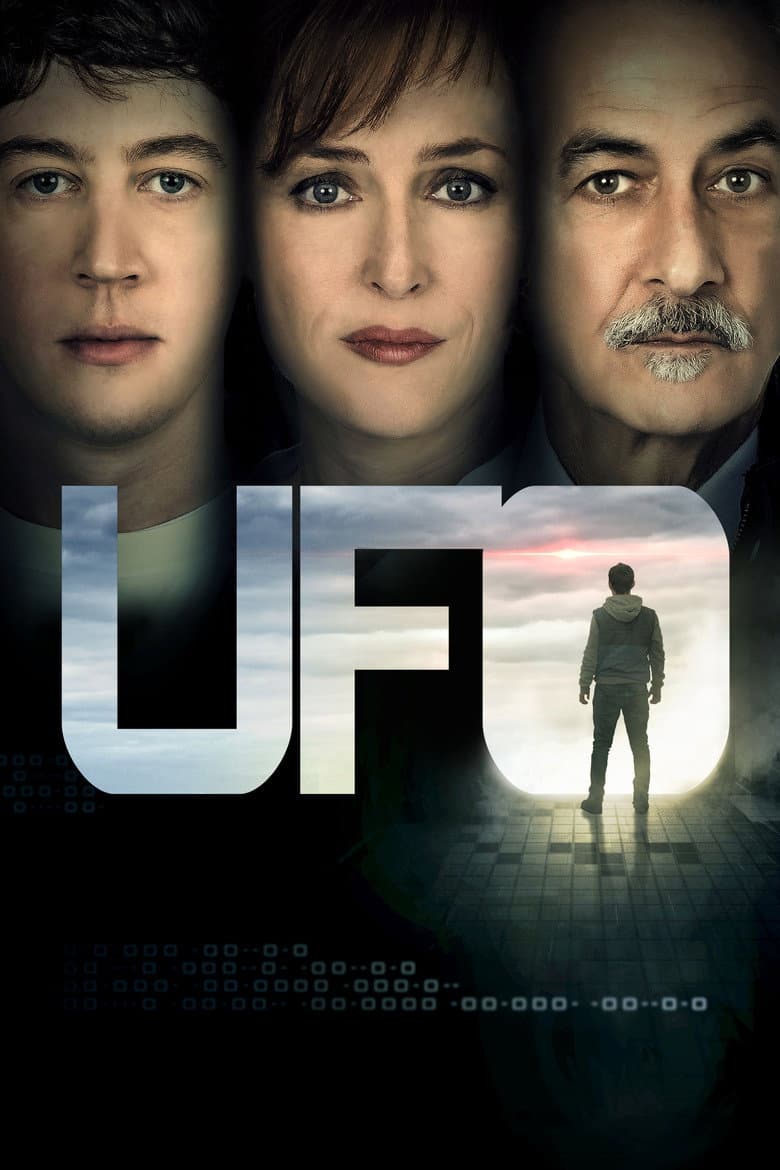
Movie · 2018
A college student, who sees a UFO, uses his exceptional math skills to investigate the sighting with his friends while the FBI follows closely behind.
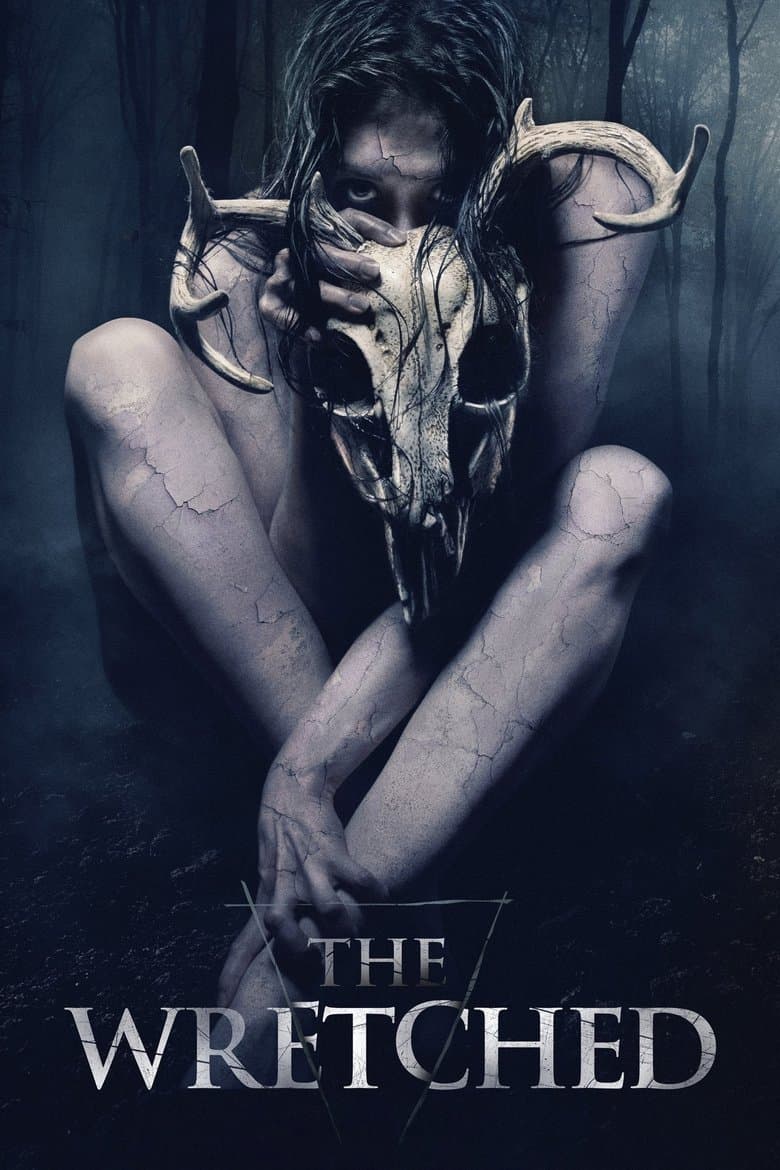
Movie · 2019
A rebellious teenage boy, struggling with his parents' imminent divorce, encounters a terrifying evil after his next-door neighbor becomes possessed by an ancient witch that…
