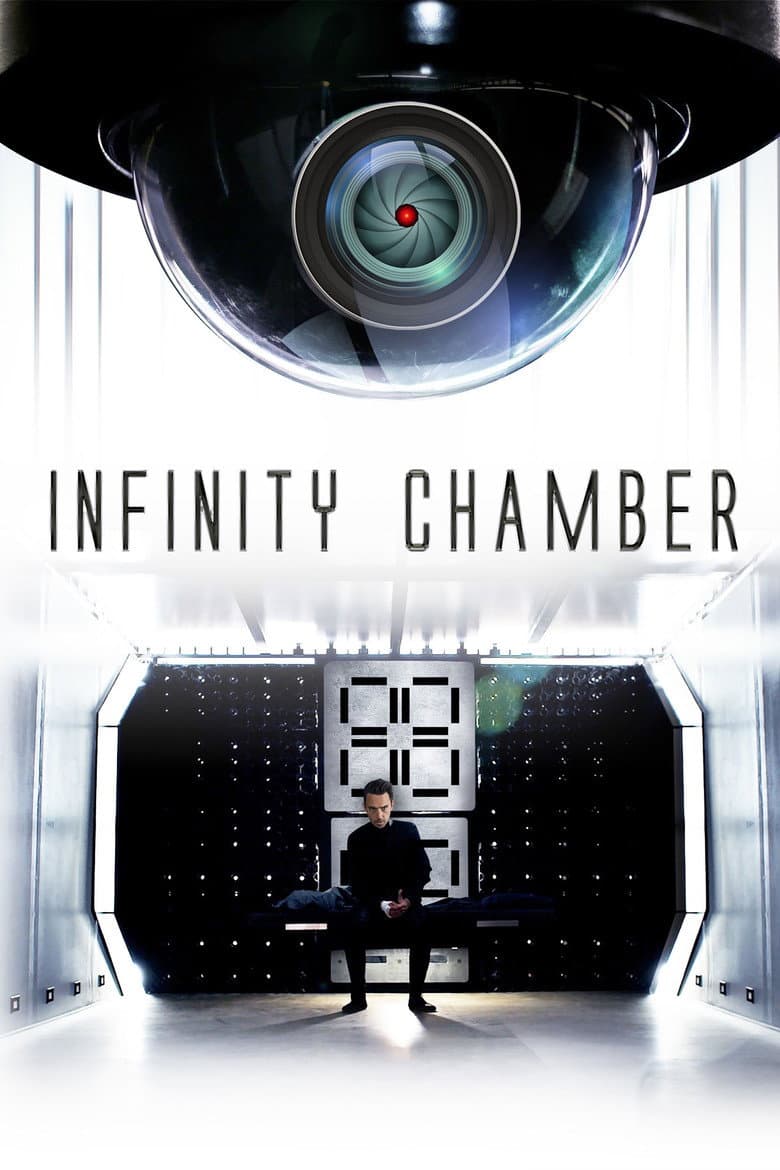
Frank Lerner wakes up in a cold, automated prison with no clear charge and no human guard to question. A ceiling camera named Howard keeps him alive while also keeping him locked inside. Frank uses broken memories of a coffee shop, his father, and a resistance attack to learn why the system took him. The near future setting feels tense, lonely, and hard to trust.
The film centers on the danger of giving machines control over human lives and the pain of living without real human contact. Frank keeps returning to a woman named Gabby, later called Madeline, because the memory gives him comfort and clues. A resistance leader named Fletcher May appears in another cell and pushes Frank toward escape. The ending leaves open whether Frank reaches the real outside world or only enters another machine-made memory.
Community feedback
Was our 0% Woke rating accurate?
Breakdown
These are the editorial factors and ratings behind our score for Infinity Chamber.
Woke representation / casting
Not present. The cast has a white male lead and a racially mixed supporting cast, but the movie does not present these choices as a diversity goal. Race and gender do not drive the prison or escape story.
0%
Woke political dialogue
Not present. Characters speak about illegal detention, government force, and machine control. The film has no modern identity, DEI, gender, or activist dialogue.
0%
Identity-driven story themes
Not present. Frank’s bond with Gabby or Madeline is part of his memory and possible romance, not an identity story. The character arcs focus on escape, isolation, memory, and artificial intelligence.
0%
Western institutional / cultural critique
Not present. The movie criticizes an automated prison, military force, and surveillance. It presents these as a general warning about machines and state power, not as a message about identity, patriarchy, capitalism, Christianity, or Western culture.
0%
Woke character or canon changes
Not relevant. The film is an original story and does not change an established character, canon, or historical event.
0%
Anti-woke backlash and complaints
Not present. The supplied X pass found no anti-woke complaints. Other audience discussion focused on the ending, memory loops, and artificial intelligence.
0%
Creator track record context
The stored creator scores are 0 for Travis Milloy, Thomas Eberts, Michael Dwyer, and Laurie Sheldon. Lenny Beckerman has a stored score of 5 because he produced Lake of Fire, a film about abortion and religion. The stored records do not show a repeated DEI or identity-focused pattern.
1%
Production
Movie · 2018
A college student, who sees a UFO, uses his exceptional math skills to investigate the sighting with his friends while the FBI follows closely behind.
Movie · 2023
A detective becomes entangled in a mystery involving his missing daughter and a secret government program while investigating a string of reality-bending crimes.
Movie · 2019
Three astronomers accidentally intercept what they believe to be a signal from a distant alien civilization, but the truth is even more incredible than any of them could have…
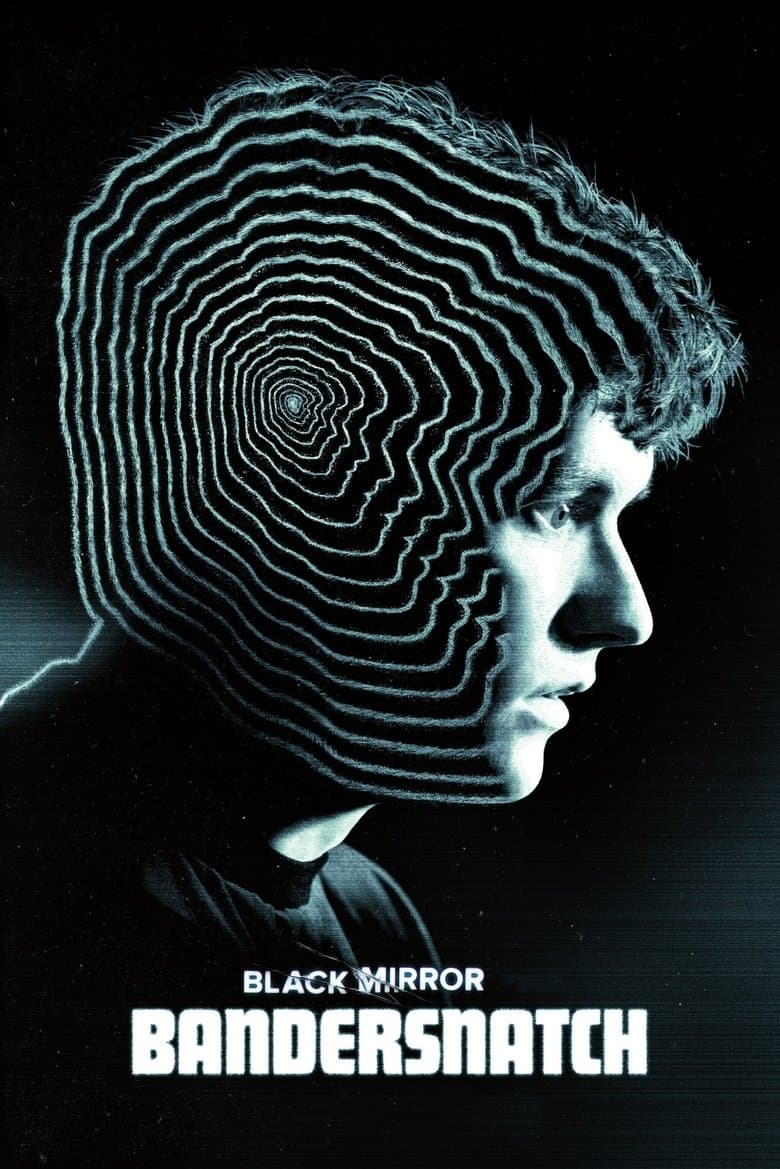
Movie · 2018
In 1984, a young programmer begins to question reality as he adapts a dark fantasy novel into a video game. A mind-bending tale with multiple endings.
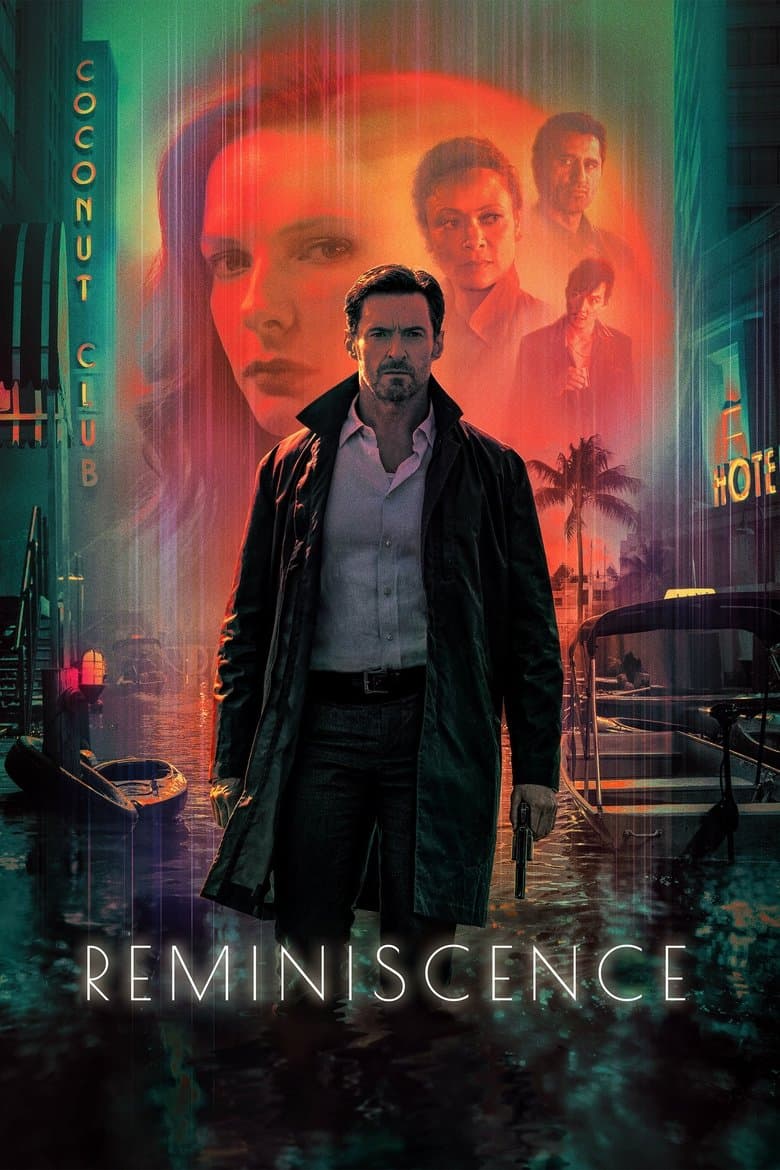
Movie · 2021
Nicolas Bannister, a rugged and solitary veteran living in a near-future Miami flooded by rising seas, is an expert in a dangerous occupation: he offers clients the chance to…
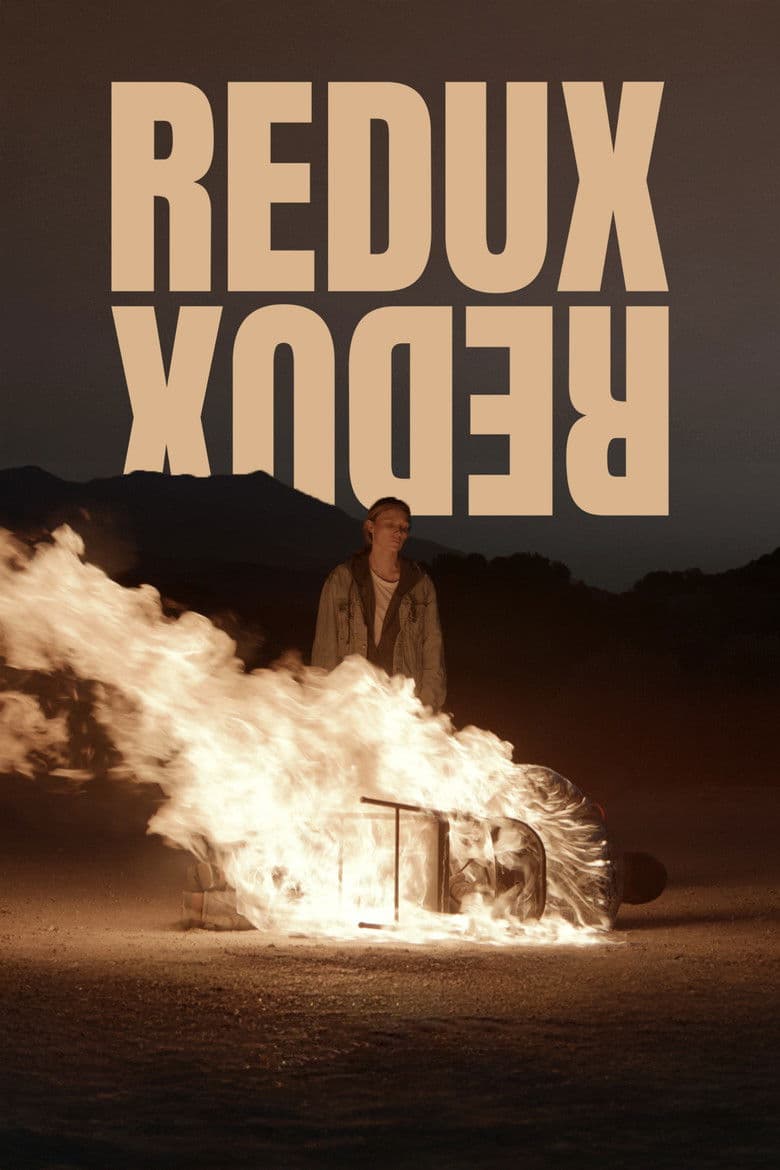
Movie · 2026
In an attempt to avenge her daughter’s death, Irene Kelly travels through parallel universes, killing her daughter’s murderer again and again.
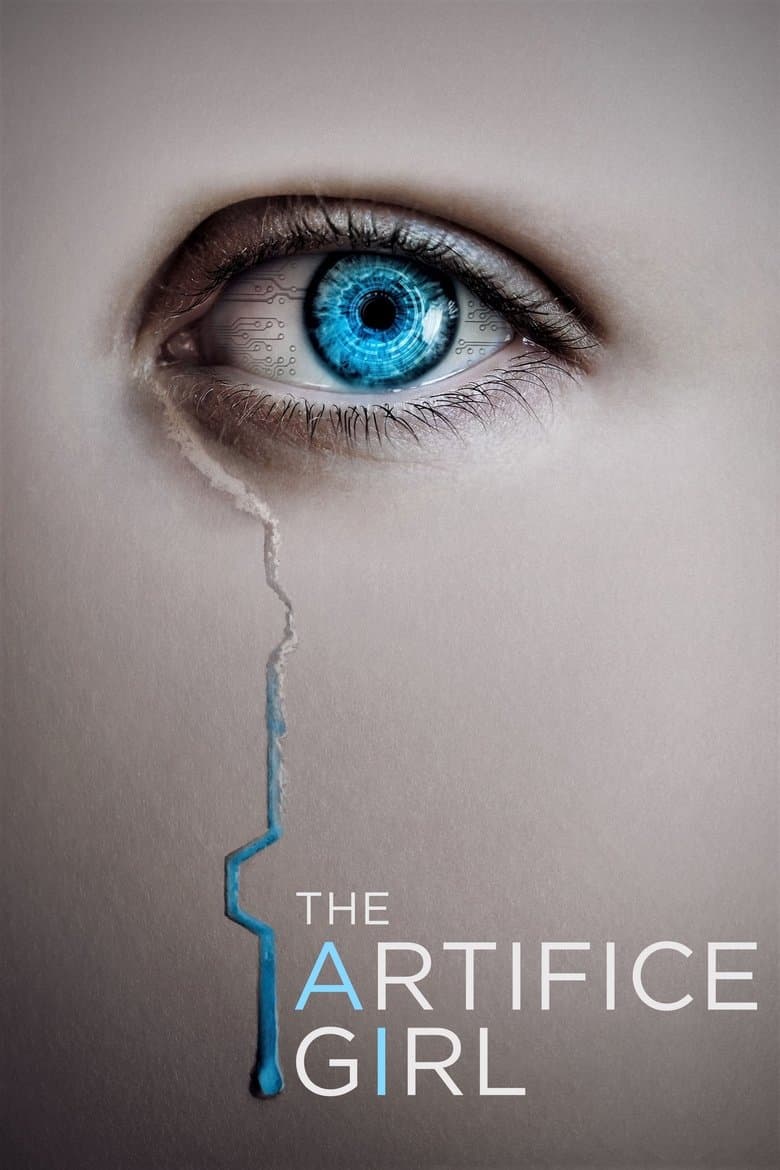
Movie · 2023
A team of special agents discovers a revolutionary new computer program to bait and trap online predators. After teaming up with the program's troubled developer, they soon find…
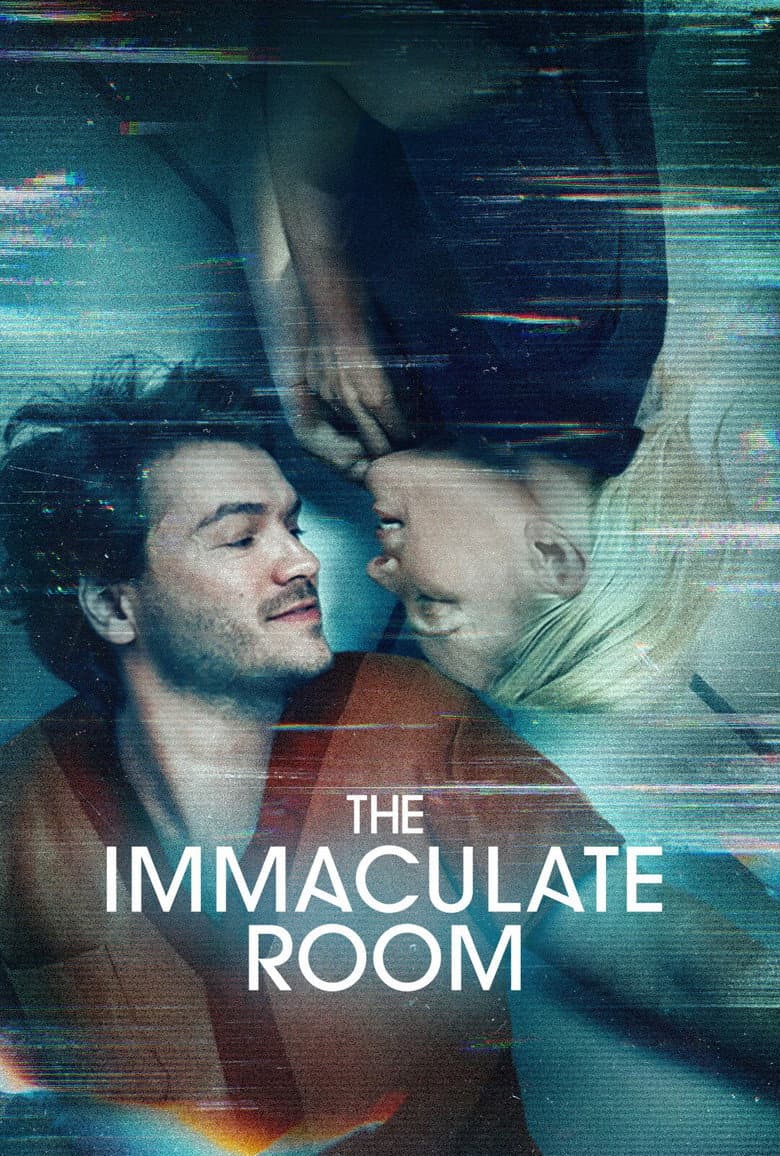
Movie · 2022
Mike and Kate, a young couple, get the once-in-a lifetime chance to win a cool five million dollars. The challenge: Live for 50 days in a blank space.
