
Florence Green is a young widow who moves to a small English coastal town in 1959. She uses her savings to open the town’s first bookshop in an old building. Violet Gamart, a powerful local leader, wants the building for an arts center and works against Florence. The shop sells books such as Lolita and Fahrenheit 451, so reading and free thought become part of the conflict. The story has a quiet, sad, and sometimes bitter tone.
The film shows Florence challenging a powerful local social group. The bookshop represents personal freedom and new ideas. The story criticizes gossip, social control, censorship, class power, and narrow-minded behavior. These themes are easy to see, but the film does not focus on modern race issues, sexuality, or party politics. The identity themes remain limited because Florence’s struggle as a woman is part of the story without becoming a modern political message. The film mainly tells a period story about courage, books, and the pressure that a small community can place on one person.
Community feedback
Was our 28% Woke rating accurate?
Breakdown
These are the editorial factors and ratings behind our score for The Bookshop.
Woke representation / casting
Not present. The film uses mostly white British characters in a 1959 English town. The casting fits the story’s time and place and does not show a clear diversity-first pattern.
0%
Woke political dialogue
The film supports free expression through its focus on books and censorship. The characters do not give repeated modern activist speeches about race, gender, sexuality, or current politics. The political message stays general and remains tied to reading.
8%
Identity-driven story themes
Florence is a woman who tries to build an independent life after her husband’s death. The film presents her courage and self-direction in a favorable way. The story gives some weight to a woman facing social control, but it does not make modern identity politics the main subject.
18%
Western institutional / cultural critique
The film repeatedly shows local leaders, social pressure, gossip, and paperwork being used to crush Florence’s business. The town’s upper social group appears narrow-minded and selfish. The criticism targets class power, status, censorship, and local control rather than modern Western institutions as a whole.
28%
Woke character or canon changes
Not relevant. The film adapts Penelope Fitzgerald’s novel without a clear identity-driven change to an established character, canon, or historical figure.
0%
Anti-woke backlash and complaints
Not present. No reliable anti-woke campaign or complaint claiming that the film pushes DEI, identity politics, or activist messaging was found.
0%
Creator track record context
Isabel Coixet has a recurring women-centered and socially aware body of work. She has spoken openly about gender inequality and equal opportunities for women directors. This raises the context score, but the film itself remains a small period drama rather than a direct activist project.
42%
Production
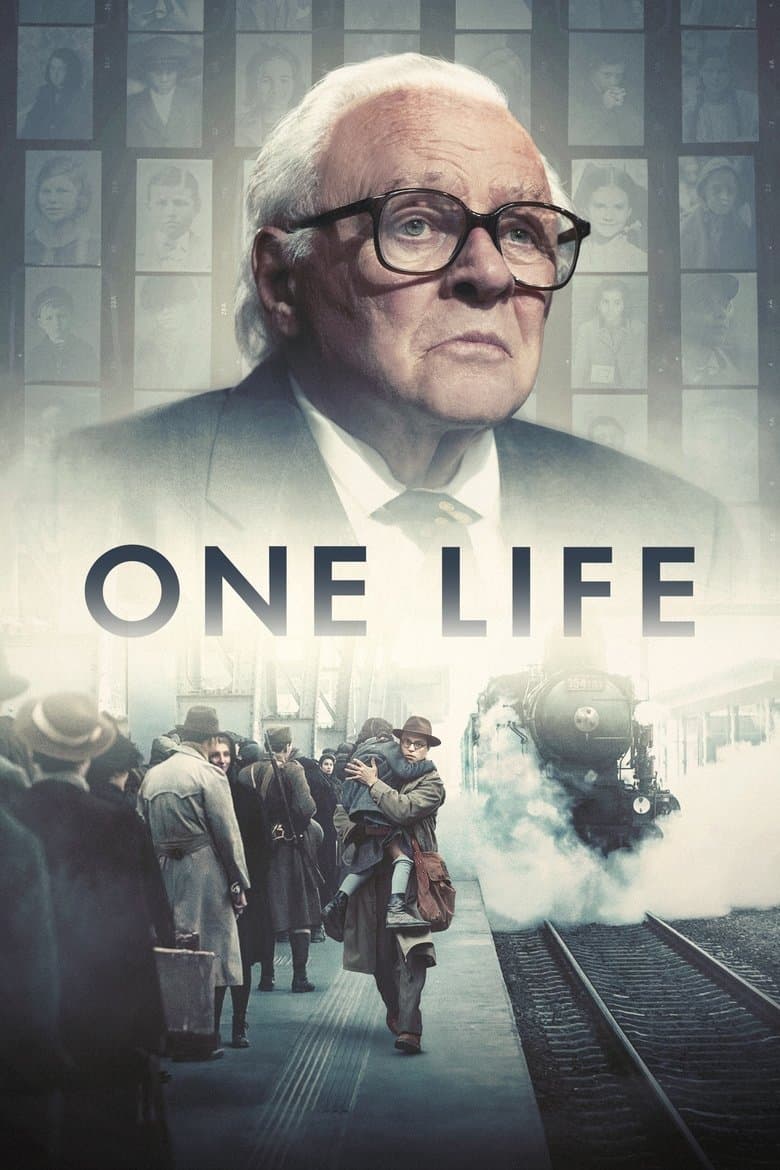
Movie · 2023
British stockbroker Nicholas Winton visits Czechoslovakia in the 1930s and forms plans to assist in the rescue of Jewish children before the onset of World War II, in an operation…

Movie · 2016
Based on the life story of Mahendra Singh Dhoni, and his journey to being the world cup winning captain of the Indian cricket team.
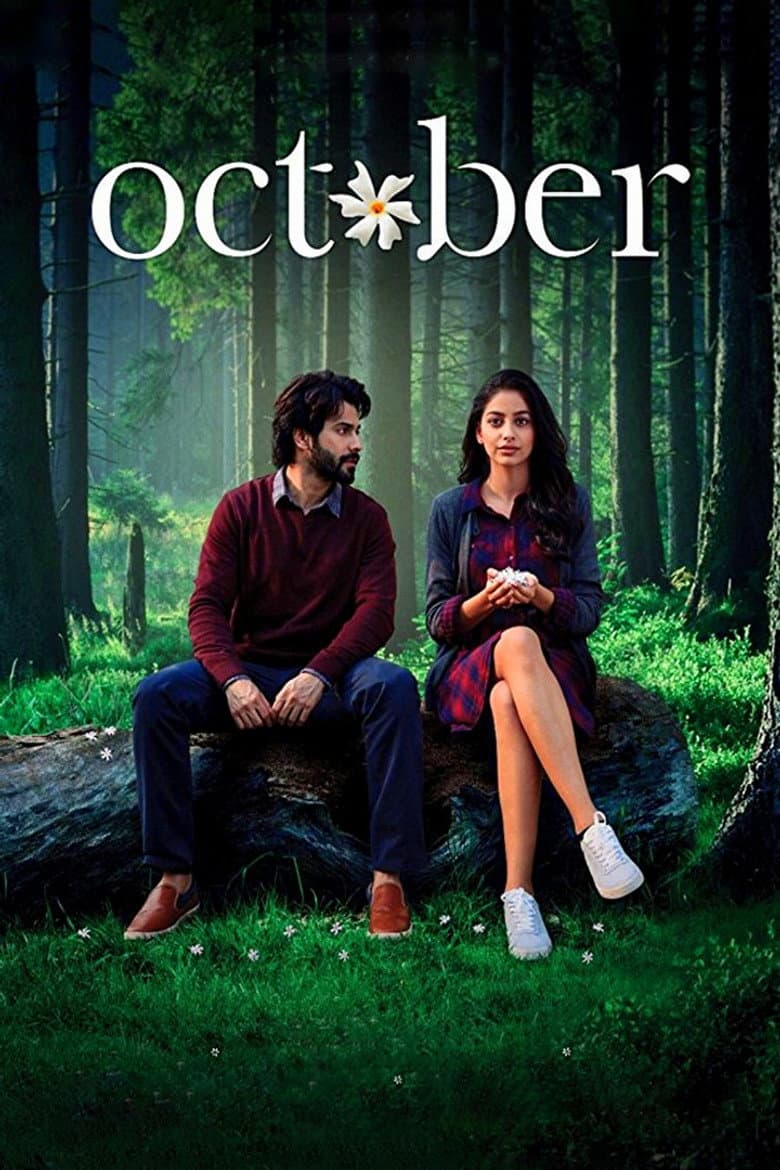
Movie · 2018
Dan, a 21-year-old carefree boy is always surrounded by a bunch of friends and fellow hotel interns who feed off each other's everyday moments, their ups and downs.

Movie · 2018
A father and daughter live a perfect but mysterious existence in Forest Park, a beautiful nature reserve near Portland, Oregon, rarely making contact with the world.

Movie · 2024
Inspired by the incredible true story of a hairdresser who single-handedly rallies an entire community to help a widowed father save the life of his critically ill young daughter.

Movie · 2019
A look at the Apollo 11 mission to land on the moon led by commander Neil Armstrong and pilot Buzz Aldrin.

Movie · 2023
Hirayama is content with his life as a toilet cleaner in Tokyo. Outside of his structured routine, he cherishes music on cassette tapes, books, and taking photos of trees.

Movie · 2021
The enthralling, against-all-odds story that transfixed the world in 2018: the daring rescue of twelve boys and their coach from deep inside a flooded cave in Northern Thailand.
