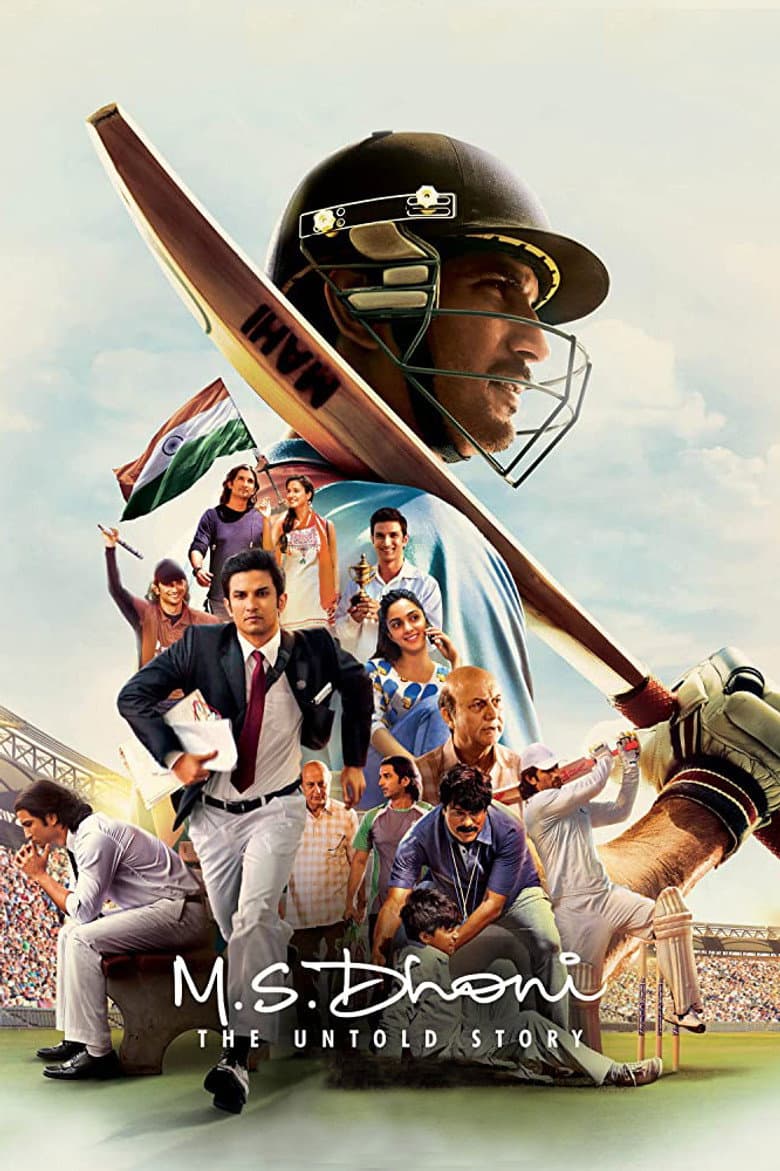
Mahendra Singh Dhoni grows up in Ranchi as the son of a pump operator. A school coach moves him from football goalkeeping to cricket wicketkeeping, and Dhoni slowly finds the skill that can change his life. He works as a railway ticket collector while chasing a place in the Indian team. The story follows his rise through setbacks, love, grief, and the pressure of leading India to the 2007 Twenty20 and 2011 World Cup wins. The tone is warm, patriotic, emotional, and openly admiring.
The film's main message is that talent, hard work, friends, and family support can lift a small-town player to the highest level. His father worries about job security, but the story treats that fear as family concern. Dhoni's mother and sister support him, while Priyanka and Sakshi appear mainly through his romantic life and marriage. Dhoni loses Priyanka in a car accident, then finds love and partnership with Sakshi. The final match turns his private struggle into a shared national celebration built on cricket, loyalty, and pride.
Community feedback
Was our 2% Woke rating accurate?
Breakdown
These are the editorial factors and ratings behind our score for M.S. Dhoni: The Untold Story.
Woke representation / casting
Not present. The main cast represents real Indian people in a real Indian sports story. The film does not build an engineered diversity mix or frame casting as a wider identity goal.
0%
Woke political dialogue
Not present. The film contains a brief joke about cricket politics, but its lines mainly cover sport, work, duty, family, and national pride. The dialogue does not push modern identity, DEI, or activist ideas.
0%
Identity-driven story themes
Not present. The story follows Dhoni's sporting dream, family support, grief, romance, and leadership. The plot does not make race, gender, sexuality, or representation the main issue.
0%
Western institutional / cultural critique
Not present. The film shows a father who prefers a secure job and officials who judge Dhoni's English. The story treats these as parts of his career struggle, not as a modern attack on family, men, religion, or Western institutions.
0%
Woke character or canon changes
Not relevant. The film presents Dhoni, his family, and his cricket career as real-life figures and events. It does not make an identity-based swap or rewrite the hero's role.
0%
Anti-woke backlash and complaints
Not present. Public debate focused on the Pakistan release dispute, the film's patriotism, and complaints that it skipped sports controversies. Reports do not show sustained anti-woke, DEI, or identity-politics complaints.
0%
Creator track record context
Neeraj Pandey's earlier work often examines terrorism, government, corruption, and broken public systems. That gives the film a mild political and institutional-critique context. His public record does not show a sustained woke, DEI, or identity-activist focus. The writers, producers, and casting director have little or no documented record of such work.
12%
Production
Movie · 2023
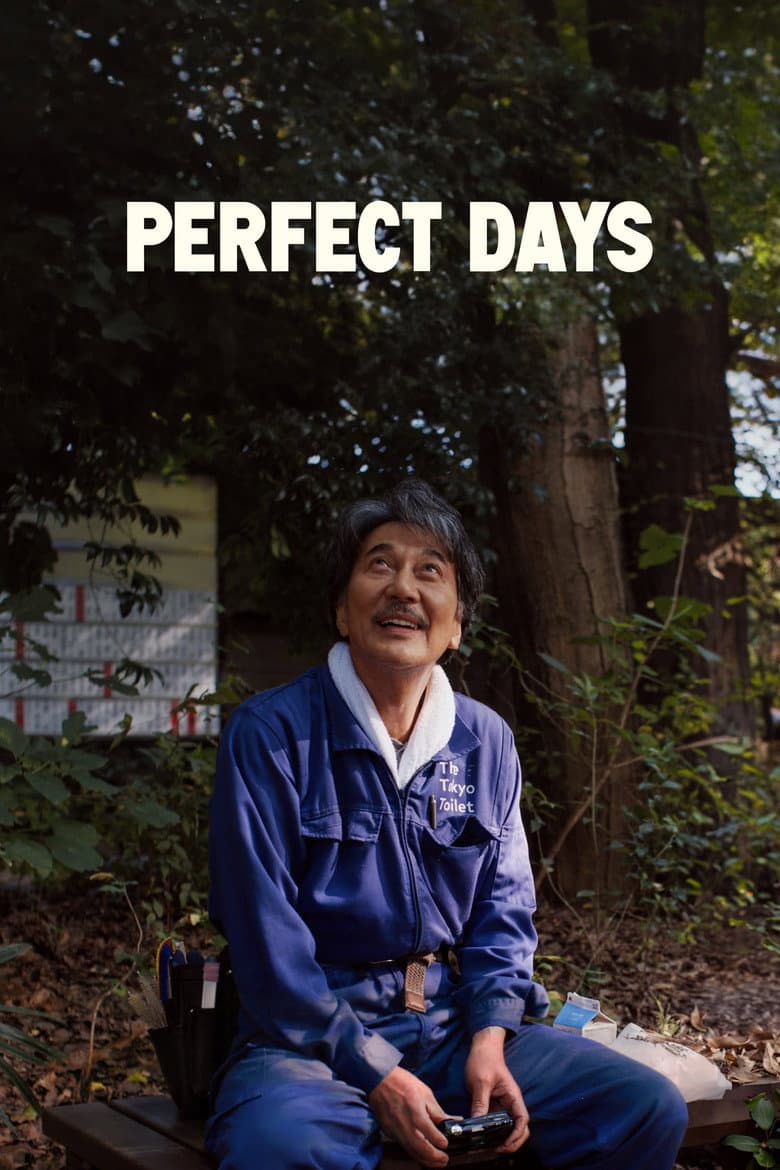
Hirayama is content with his life as a toilet cleaner in Tokyo. Outside of his structured routine, he cherishes music on cassette tapes, books, and taking photos of trees.

Movie · 2018
A father and daughter live a perfect but mysterious existence in Forest Park, a beautiful nature reserve near Portland, Oregon, rarely making contact with the world.
Movie · 2023
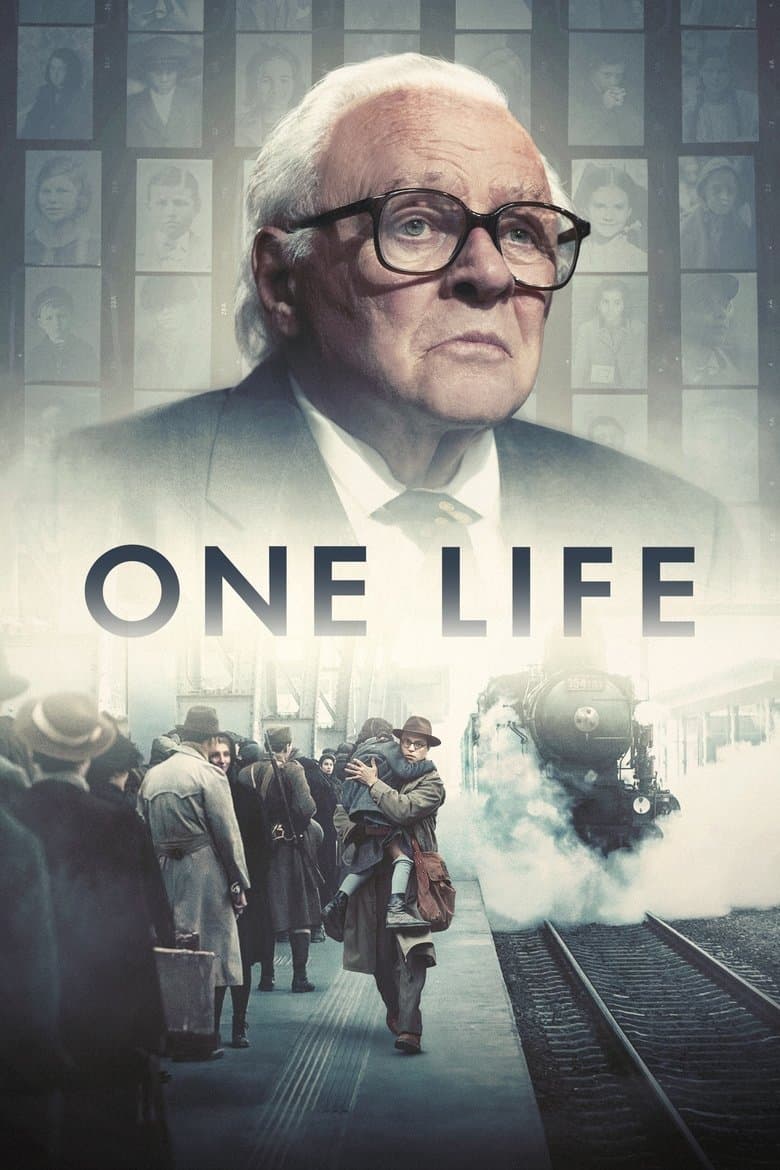
British stockbroker Nicholas Winton visits Czechoslovakia in the 1930s and forms plans to assist in the rescue of Jewish children before the onset of World War II, in an operation…

Movie · 2024
Inspired by the incredible true story of a hairdresser who single-handedly rallies an entire community to help a widowed father save the life of his critically ill young daughter.

Movie · 2019
A look at the Apollo 11 mission to land on the moon led by commander Neil Armstrong and pilot Buzz Aldrin.
Movie · 2018
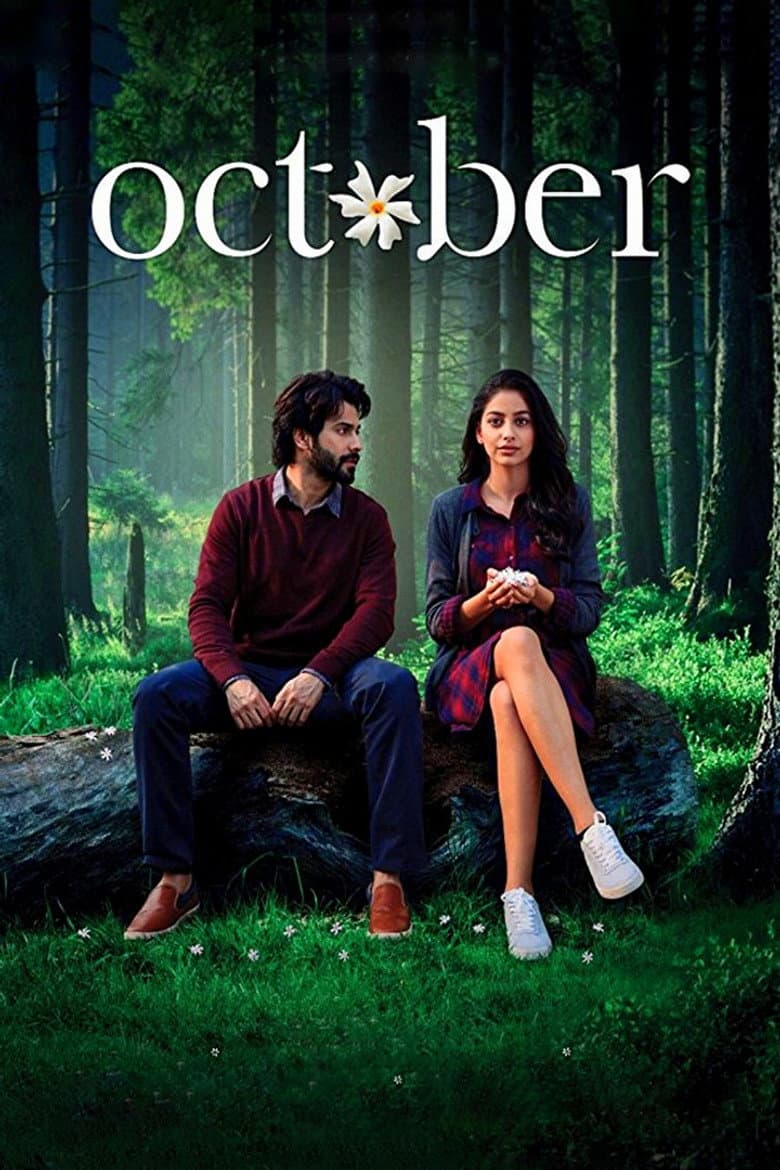
Dan, a 21-year-old carefree boy is always surrounded by a bunch of friends and fellow hotel interns who feed off each other's everyday moments, their ups and downs.
Movie · 2021
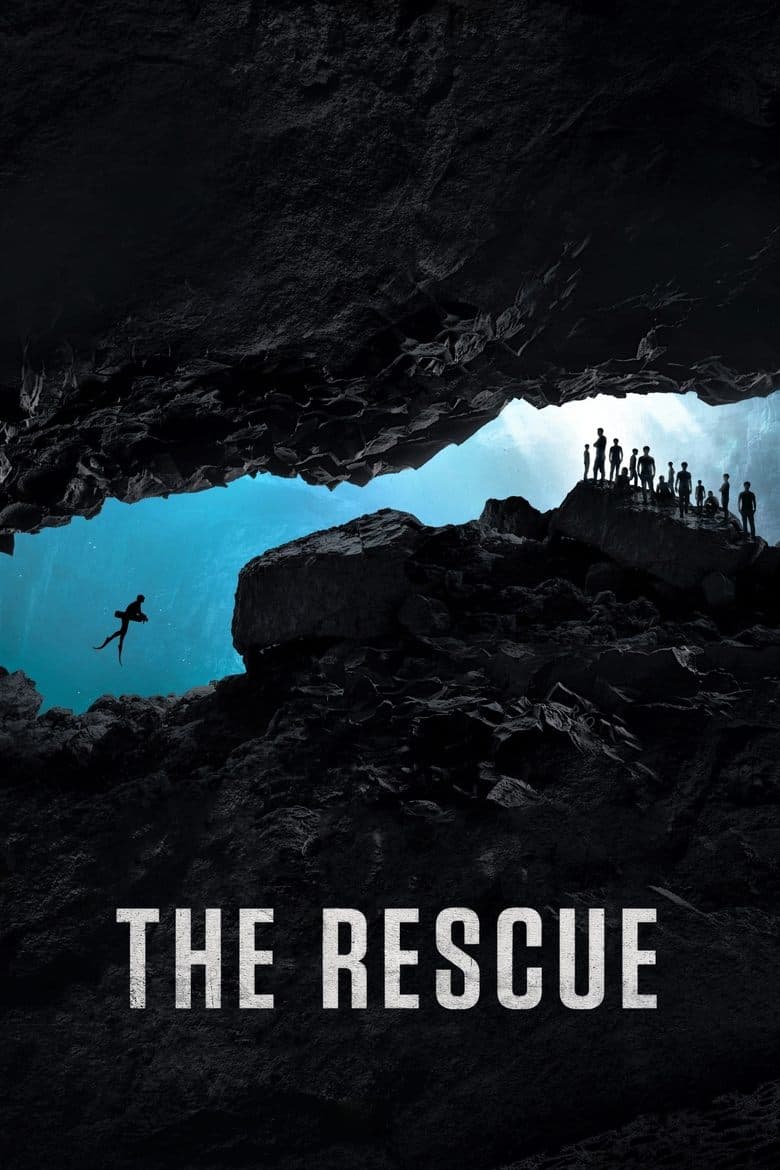
The enthralling, against-all-odds story that transfixed the world in 2018: the daring rescue of twelve boys and their coach from deep inside a flooded cave in Northern Thailand.
Movie · 2019
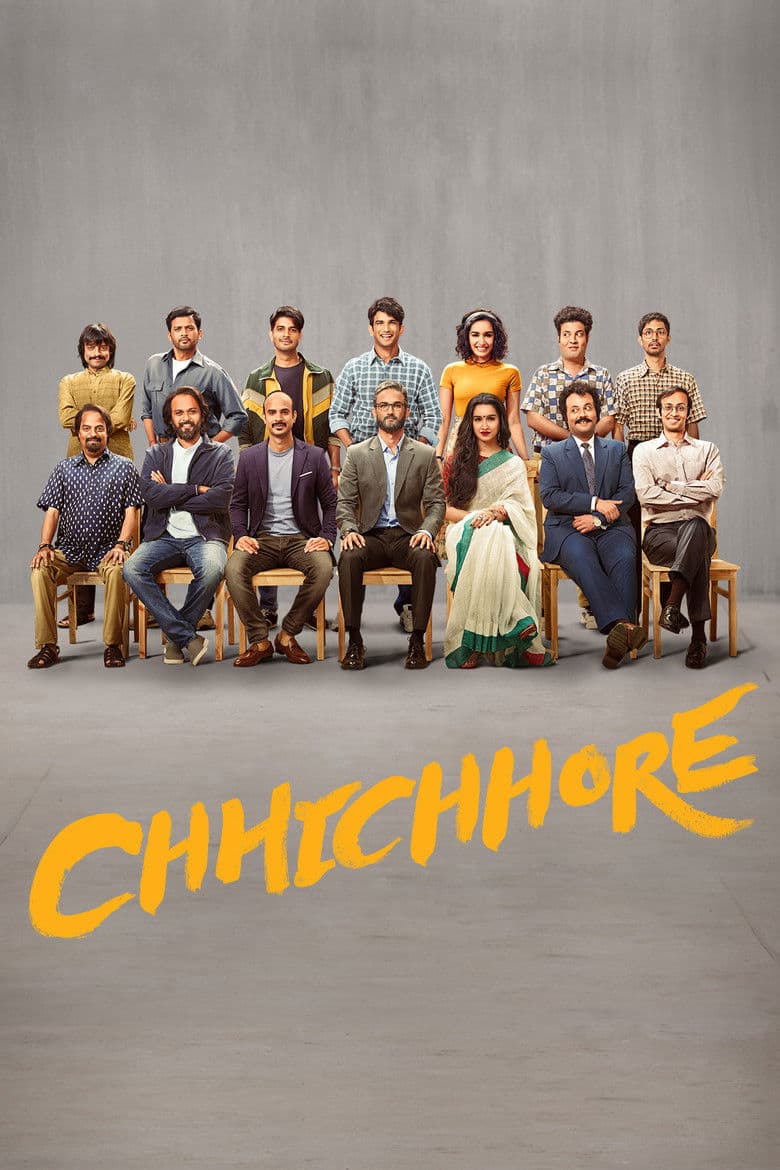
Following a group of friends from university as they progress into middle-age life and go their own separate ways.
