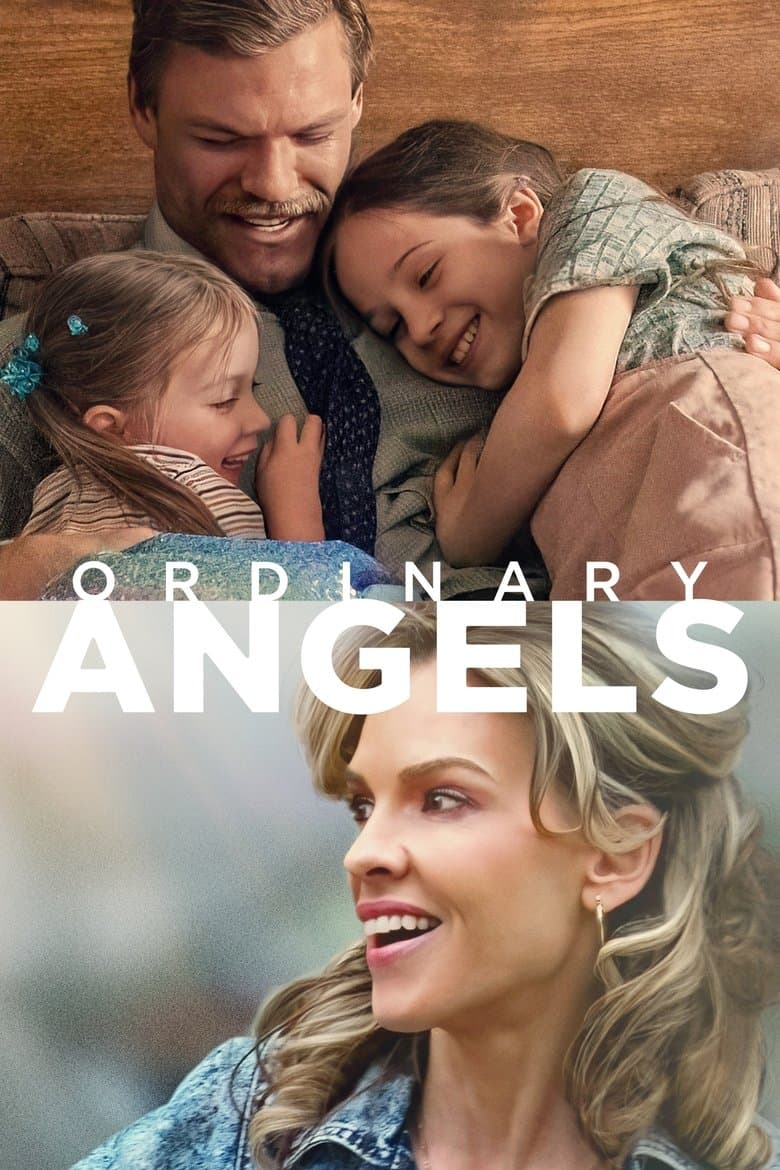
Ordinary Angels is a 2024 drama based on true events from 1994 in Louisville, Kentucky. A struggling hairdresser named Sharon, played by Hilary Swank, learns about a young girl who needs a liver transplant and rallies neighbors to raise funds, find work for the widowed father, and arrange emergency transport during a historic snowstorm. The story focuses on personal purpose through service, community support, family resilience, and quiet faith as ordinary people step up to help.
Community feedback
Was our 6% Woke rating accurate?
Breakdown
These are the editorial factors and ratings behind our score for Ordinary Angels.
Woke representation / casting
A black actress plays a supporting role as the lead’s close friend and salon co-owner in a story set in 1990s Kentucky; the character is fictional, serves basic plot support functions, and the film does not highlight race, identity, or diversity as a theme or selling point.
8%
Woke political dialogue
Dialogue covers personal struggles with alcohol, family bonds, financial hardship, faith during crisis, and practical community help with no activist language, systemic critiques, or identity-focused exchanges.
Production
0%
Identity-driven story themes
The narrative follows one woman finding purpose by aiding a family in medical need, leading to community action and personal healing centered on kindness, resilience, and faith rather than race, gender, sexuality, or group identity.
0%
Western institutional / cultural critique
Family structures, local faith communities, and personal responsibility appear in a positive light with no modern activist framing against patriarchy, traditional norms, Christianity, or other Western institutions.
0%
Woke character or canon changes
Not relevant. Fictional additions like the Rose character exist for drama and support the story but involve no identity-driven reinterpretation of real people or historical events.
0%
Anti-woke backlash and complaints
No public complaints or backlash accused the film of promoting woke, DEI, or left-wing identity messaging; coverage and viewer reactions centered on its emotional and community-focused story.
0%
Creator track record context
The director has a clear history of faith-based Christian films centered on redemption; writers come from personal drama backgrounds with one isolated mild left-leaning public comment from years ago and no recurring activist or identity-driven pattern across the team.
10%
Movie · 2023
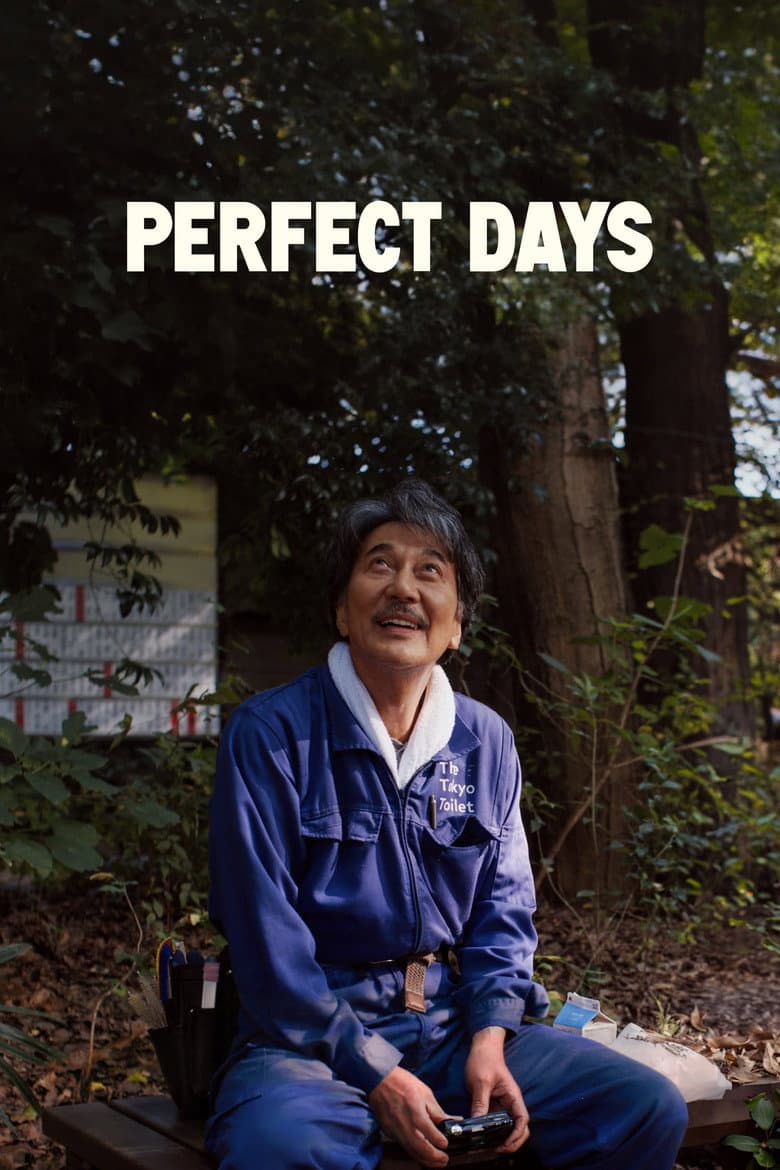
Hirayama is content with his life as a toilet cleaner in Tokyo. Outside of his structured routine, he cherishes music on cassette tapes, books, and taking photos of trees.

Movie · 2018
A father and daughter live a perfect but mysterious existence in Forest Park, a beautiful nature reserve near Portland, Oregon, rarely making contact with the world.

Movie · 2016
Based on the life story of Mahendra Singh Dhoni, and his journey to being the world cup winning captain of the Indian cricket team.
Movie · 2023
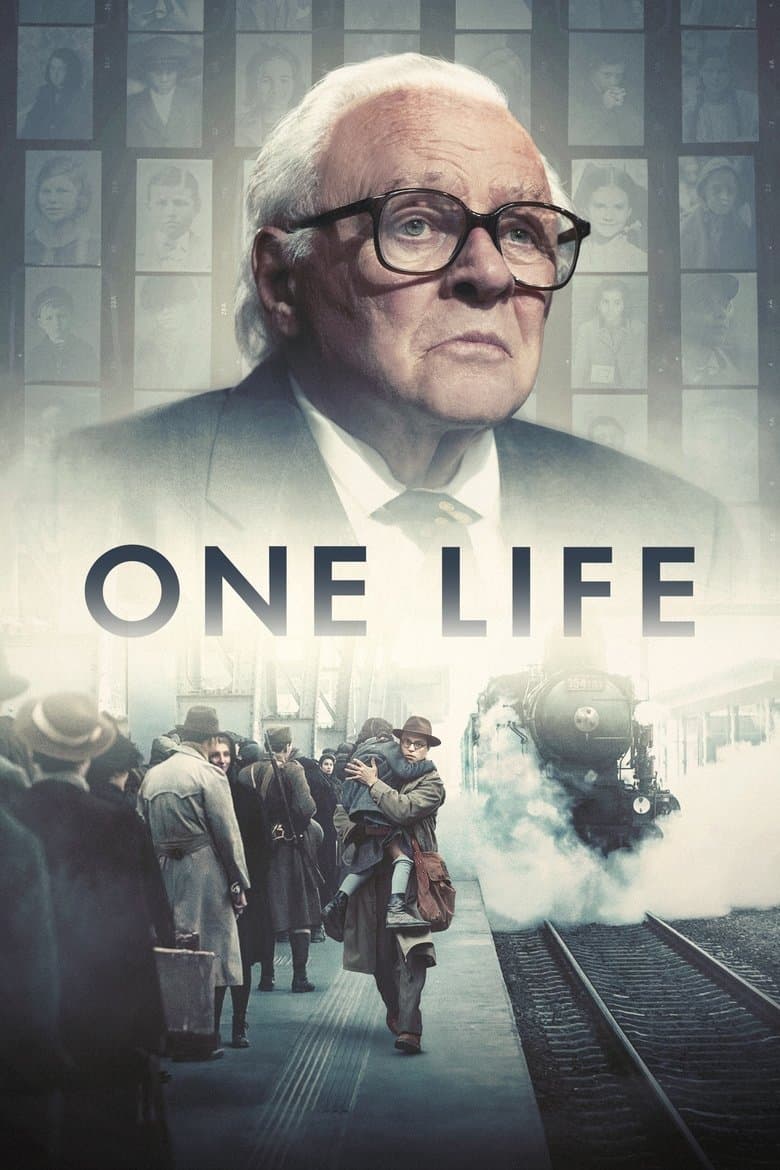
British stockbroker Nicholas Winton visits Czechoslovakia in the 1930s and forms plans to assist in the rescue of Jewish children before the onset of World War II, in an operation…

Movie · 2021
The enthralling, against-all-odds story that transfixed the world in 2018: the daring rescue of twelve boys and their coach from deep inside a flooded cave in Northern Thailand.

Movie · 2019
A look at the Apollo 11 mission to land on the moon led by commander Neil Armstrong and pilot Buzz Aldrin.

Movie · 2024
The Herdman kids are undeniably the worst kids in the history of the world. They lie, steal, cheat, bully and overall terrorize their small community.
Movie · 2018
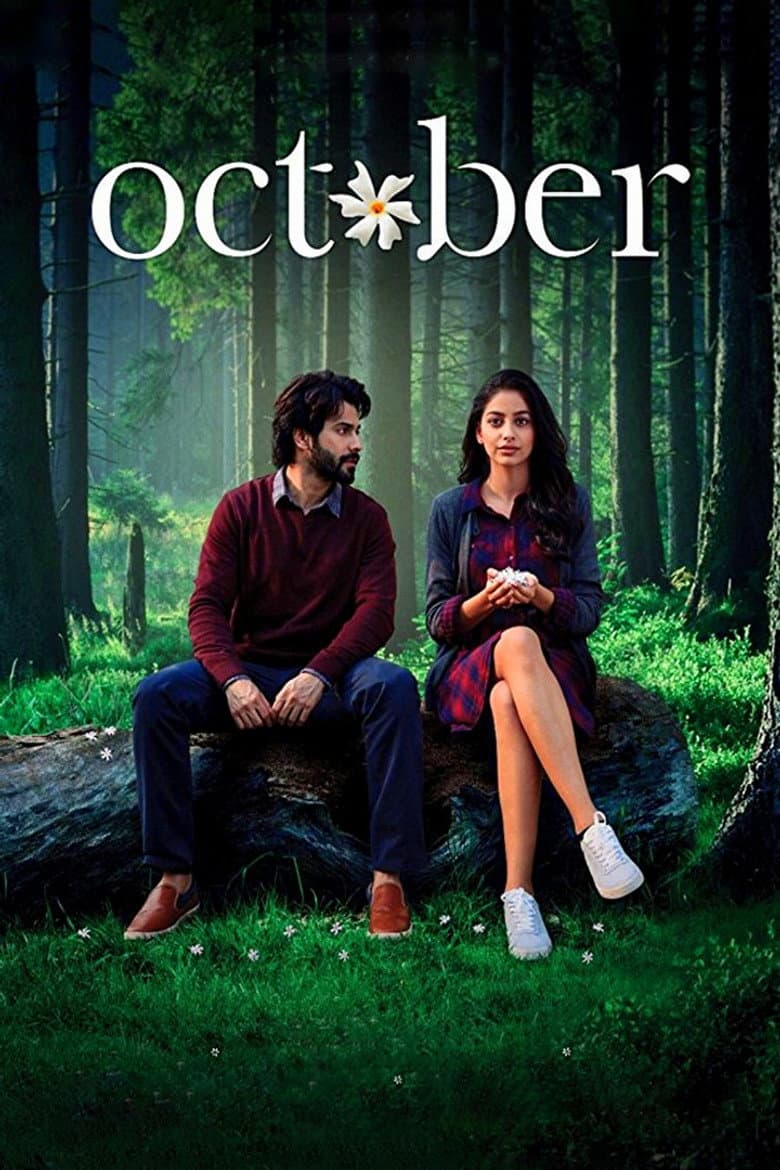
Dan, a 21-year-old carefree boy is always surrounded by a bunch of friends and fellow hotel interns who feed off each other's everyday moments, their ups and downs.
