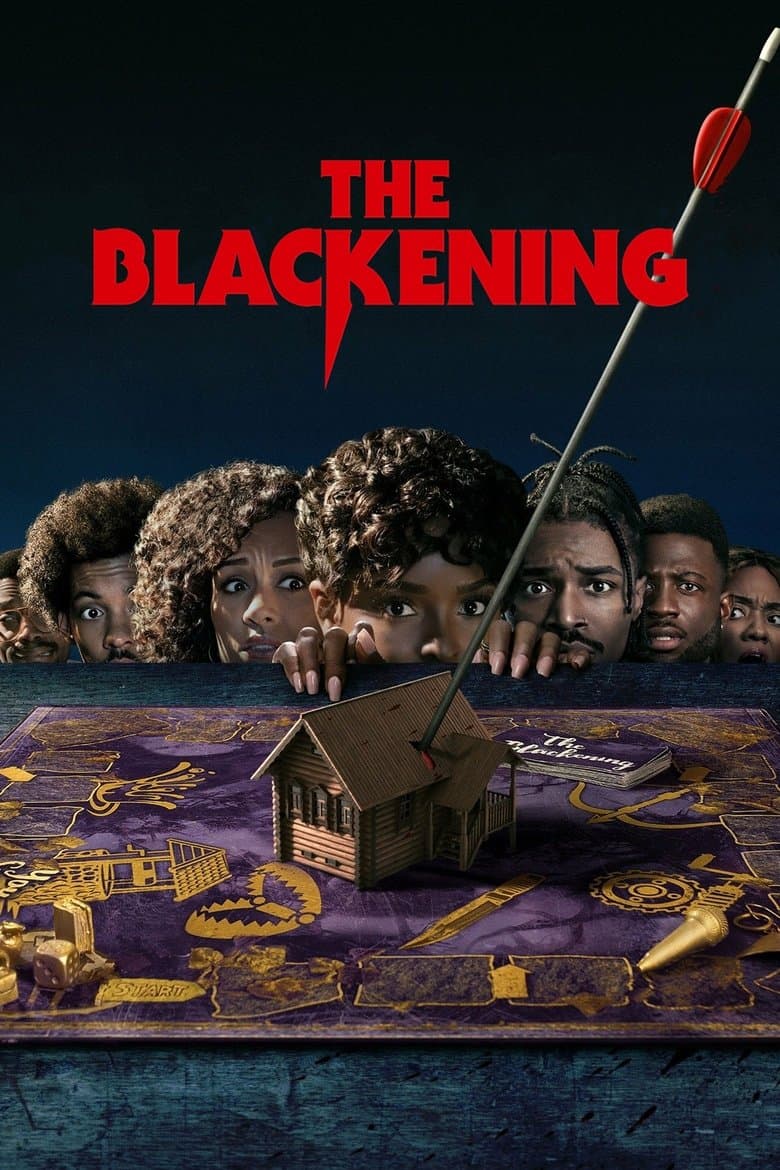
The Blackening follows Dewayne, a gay black man who joins his old college friends for a Juneteenth weekend at a cabin in the woods. A hidden room holds a cruel board game that asks the friends to prove who is the “blackest” while a masked killer hunts them. The group must use its knowledge of horror movies, black culture, and each other to stay alive. The film is an R-rated horror comedy that favors sharp jokes, crude talk, and group banter over real scares.
Race and identity are not side details in this movie. The all-black cast is the basis for the central joke, and the game uses black history and pop culture questions. The story also turns sexuality, skin-tone bias, and belonging into part of the danger. Dewayne’s gay identity appears in repeated jokes, and a man who feels he is not Black enough turns that shame into revenge. The film mocks narrow ideas of Blackness, but it keeps returning to race and identity language, so viewers avoiding identity-focused themes will notice it throughout.
Community feedback
Was our 81% Woke rating accurate?
Breakdown
These are the editorial factors and ratings behind our score for The Blackening.
Woke representation / casting
All of the main friends are black, and the film makes that choice central to its title, story, and trailer. The plot needs an all-Black group so the killer can ask who is “the Blackest.” The casting fits a modern American friend group, so there is no historical mismatch or race swap. The identity-first design covers nearly every major role, which makes this a strong but not maximum representation signal.
58%
Woke political dialogue
The characters repeatedly speak about who counts as Black, black history, black culture, gayness, and white culture. The game asks about Sojourner Truth and black actors on Friends. The film also includes jokes about Trump, MAGA, “All lives matter,” and why black women must save everyone. The lines are usually jokes inside the survival plot, but they make identity politics hard to miss.
53%
Identity-driven story themes
The main conflict is a test of Blackness, and the friends must rank one another to survive. The story treats black identity as varied and challenges the idea that someone can lose a “Black card” by liking the wrong things or being mixed. Dewayne’s gay identity and jokes about homophobia make sexuality part of that identity debate. These ideas shape the killer’s motive, the group’s choices, and the ending.
79%
Western institutional / cultural critique
The group jokes that the rental is meant for white families, and a white park ranger treats them as suspicious. The friends also mock MAGA politics and say black women must save everyone. The movie does not build a sustained attack on Christianity, capitalism, family, or Western institutions. This factor appears in a few scenes but remains smaller than the race and identity themes.
28%
Woke character or canon changes
Not relevant. The film expands a 2018 Comedy Central sketch, but it does not change an established character or real person by race, gender, or sexuality.
0%
Anti-woke backlash and complaints
Small audience posts called the film “woke” or “SJW political BS,” or objected to anti-white racial jokes. A few Reddit comments also called it a Black Lives Matter or woke project. The X pass found only a handful of low-reach accounts and no boycott or large review-bombing campaign. The backlash is real across several small platforms, but it is fringe rather than a major public controversy.
32%
Creator track record context
Dewayne Perkins has a cached creator score of 87/100 and is a queer black writer whose work centers people who are often left out. Tracy Oliver has a cached score of 60/100 and often writes about black women and diverse writing teams. Tim Story has a cached score of 20/100, and the other listed crew have low or medium cached scores. The film’s identity focus matches Perkins and Oliver’s known work, so the creator context is meaningful but not uniform.
55%
Production
Movie · 2022
Legendary rock band Foo Fighters move into an Encino mansion steeped in grisly rock and roll history to record their much anticipated 10th album.
Movie · 2024
A family's vacation to a remote getaway takes an unexpected turn when they discover the present-day implications of the island's cannibalistic past.
Movie · 2026
Moments after surviving an all-out attack from the Le Domas family, Grace discovers she’s reached the next level of the nightmarish game — and this time with her estranged sister…
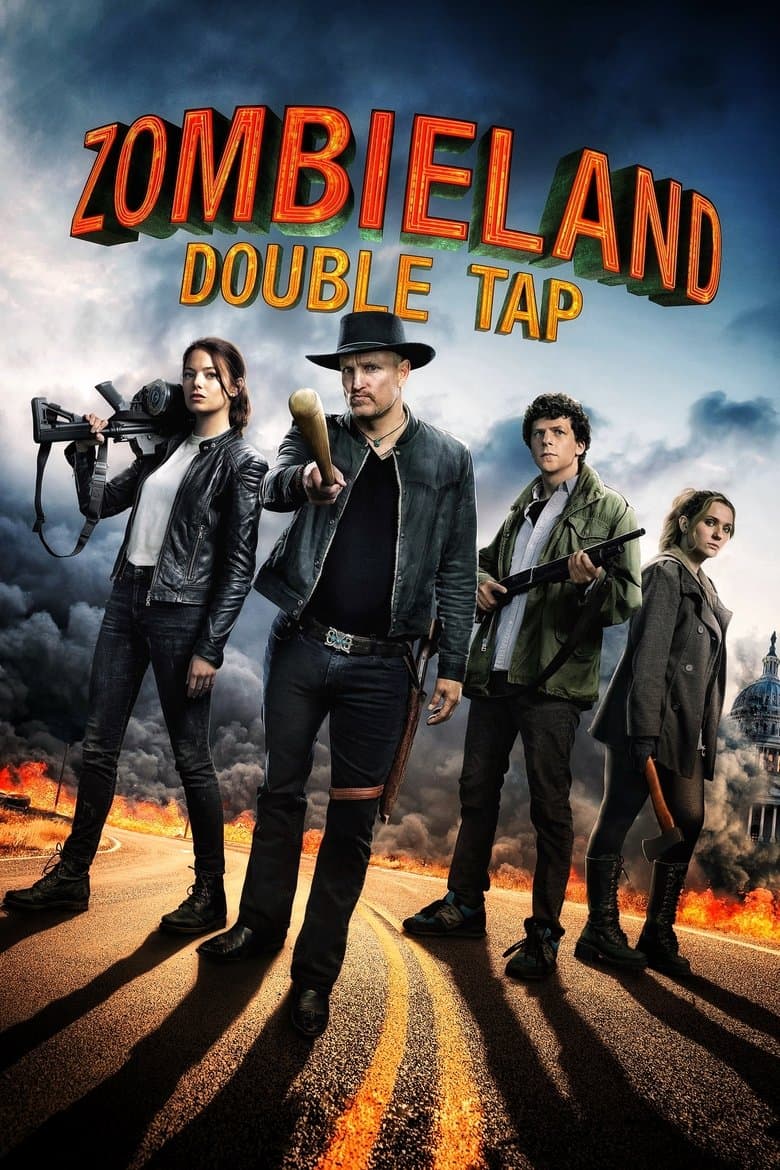
Movie · 2019
Columbus, Tallahassee, Wichita, and Little Rock move to the American heartland as they face off against evolved zombies, fellow survivors, and the growing pains of the snarky…
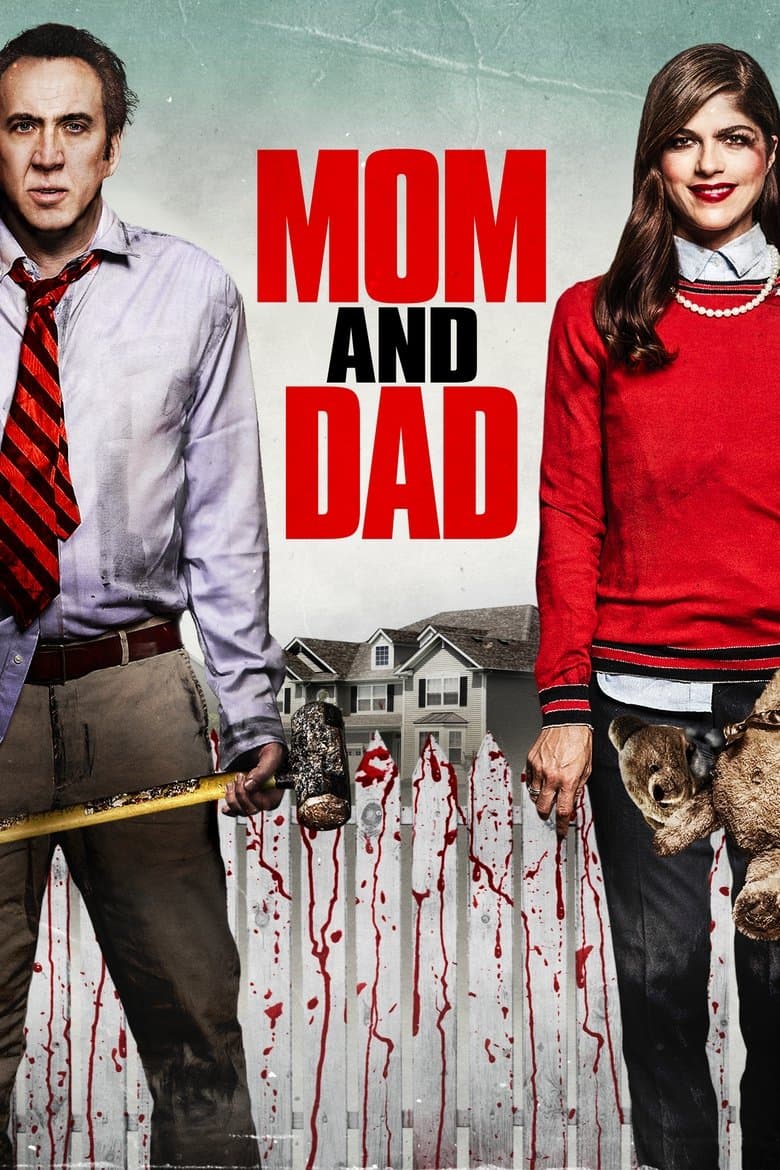
Movie · 2018
In a suburban community, moms and dads, one after the other, mysteriously feel the irresistible impulse to attack and kill their own offspring.
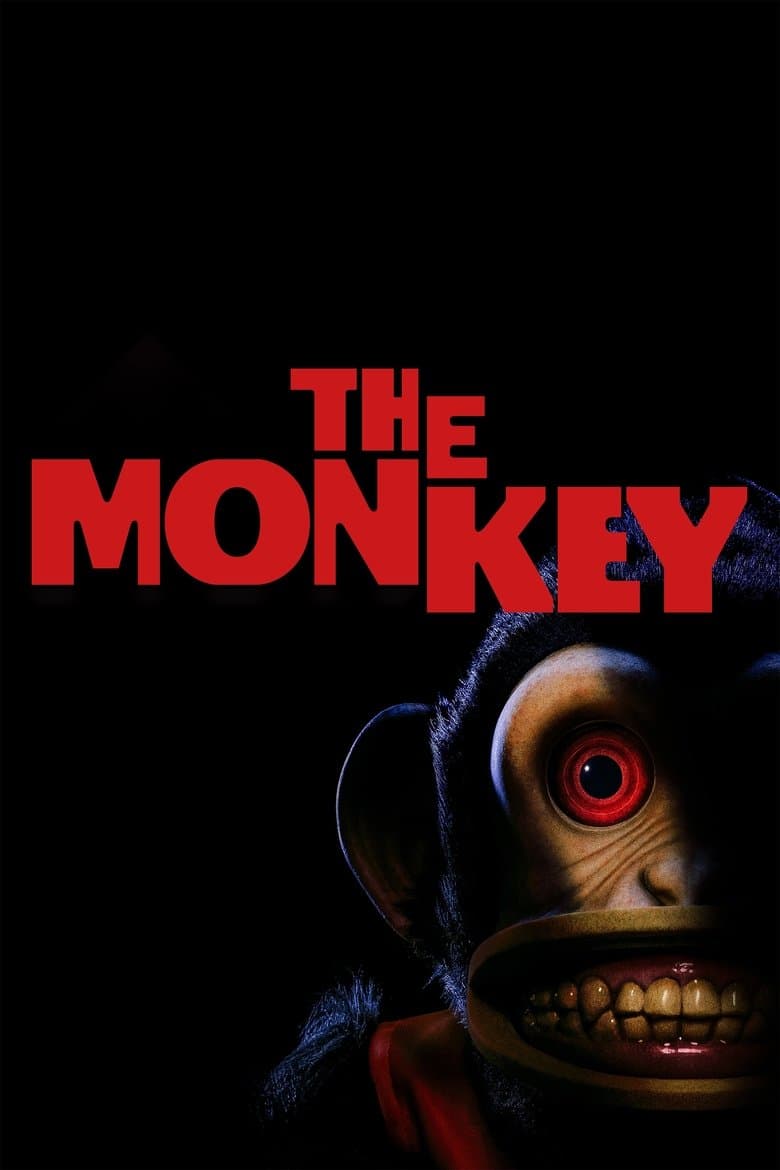
Movie · 2025
When twin brothers find a mysterious wind-up monkey, a series of outrageous deaths tear their family apart. Twenty-five years later, the monkey begins a new killing spree forcing…
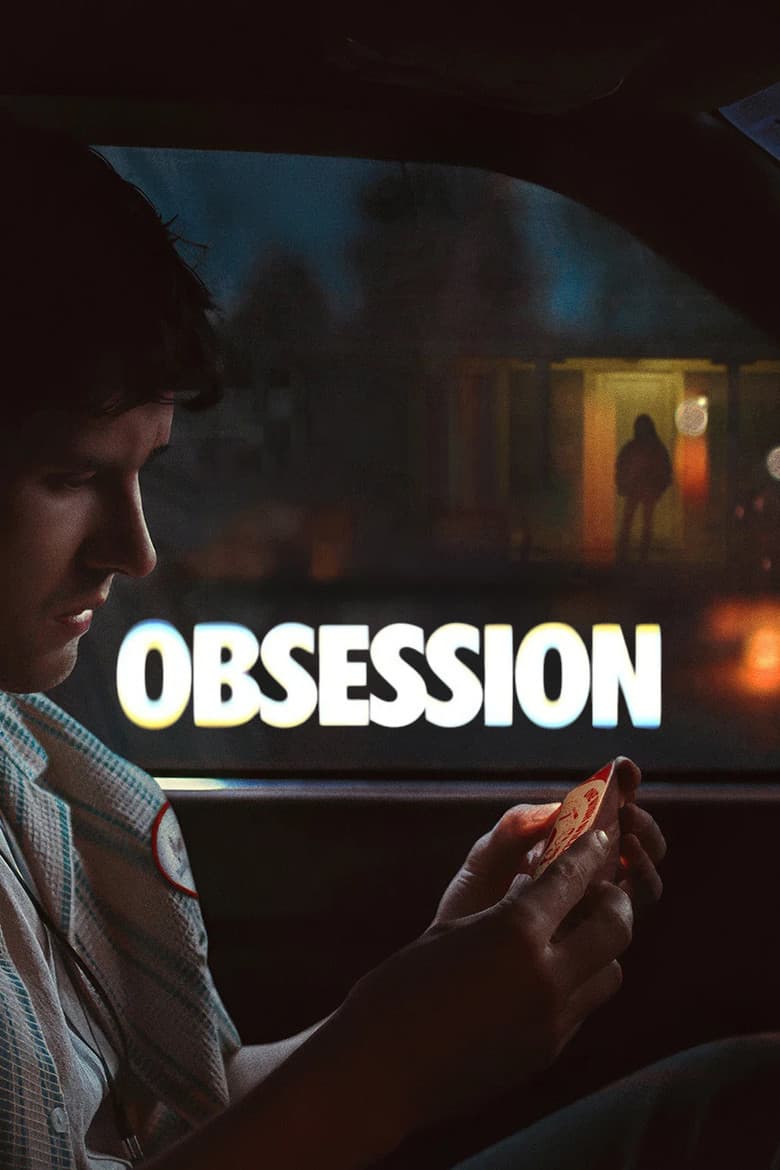
Movie · 2026
After breaking the mysterious "One Wish Willow" to win his crush's heart, a hopeless romantic finds himself getting exactly what he asked for but soon discovers that some desires…
Movie · 2024
Two high school nobodies make the decision to crash the last major celebration before the new millennium on New Year's Eve 1999.
